
This department supplies the machines and fixed equipment used to build infrastructure and keep industrial sites running. Contractors, plant hire firms, factories, utilities, mines and equipment dealers source here, often buying a mix of new units, used plant and spare parts.
Industrial pumps and compressors, industrial valves and fittings, and boilers, heating and cooling equipment form the plumbing of a plant. Power generation equipment provides prime or standby power, while storage tanks and industrial containers and bulk handling hold water, fuel, chemicals and grain. Industrial furnaces and kilns serve metal, ceramic and cement processing, and industrial equipment covers fans, chillers, heat exchangers and dust collectors.
Elevators and escalators serve commercial and residential buildings. Welding and cutting equipment supports fabrication shops and site repair. Industrial safety and fire equipment and industrial cleaning and water equipment keep sites compliant and maintained.
For heavy equipment, buyers look at engine or motor rating, capacity, working hours on used machines, emission standard, and the parts and service network. Pressure equipment, lifts and lifting gear are usually subject to design codes and periodic inspection, so ask for test certificates and check the standards required in your country.
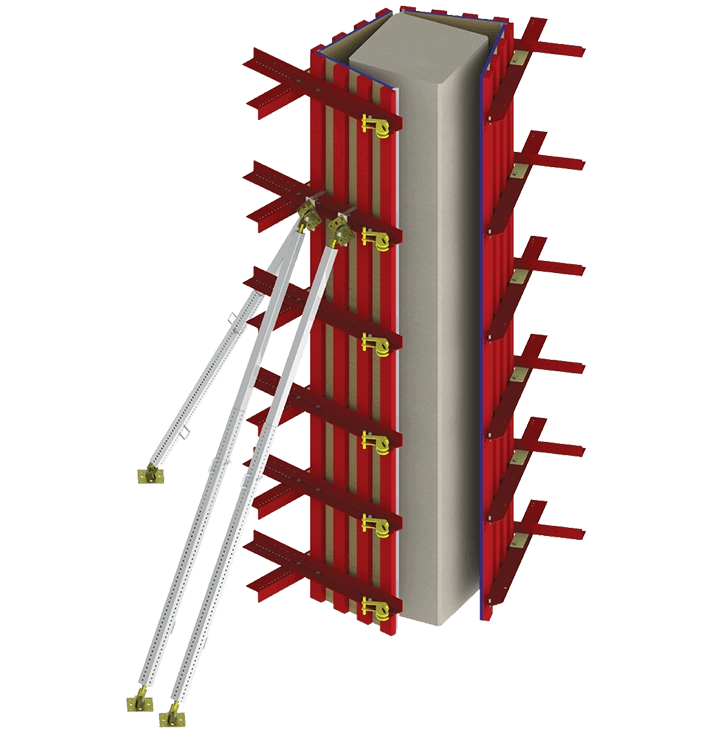
From Batching to Finishing: Concrete Site EquipmentEvery stage of concrete work has its own tools, and this category covers them in order: producing the mix, moving and placing it, shaping it in molds and formwork, reinforcing it and finishing the surface. Contractors, block and paver makers, precast yards and plant hire companies are the core buyers.Mixing and PlacingConcrete batching plants: stationary or mobile, weighing aggregates, cement and water for ready-mix and precast.Concrete mixers: drum mixers from small site units to self-loading mixers.Concrete pumps: trailer-mounted line pumps and truck-mounted boom pumps.Concrete funnels and skips for crane placing, plus concrete vibrators to remove air voids.Forming and ReinforcingFormwork systems in steel, aluminum, plywood or plastic shape walls, columns and slabs, supported by adjustable steel props. Rebar bending machines and rebar cutting machines prepare reinforcement on site or in a yard. Concrete molds and drainage molds cast curbs, culverts, channels and decorative products.Block, Paver and Precast ProductionBlock making machines range from manual and egg-laying types to fully automatic static lines, while paving block machines press interlocking pavers using vibration and hydraulic pressure. Output is quoted in blocks per hour or per eight-hour shift for a given size.Cutting and FinishingConcrete cutting saws make joints and openings, floor screeds and trowels level and polish slabs, and plastering machines spray render onto walls. Buyers balance output against labor costs and site access, and should check engine or motor type, spare parts and operator safety features.
Featured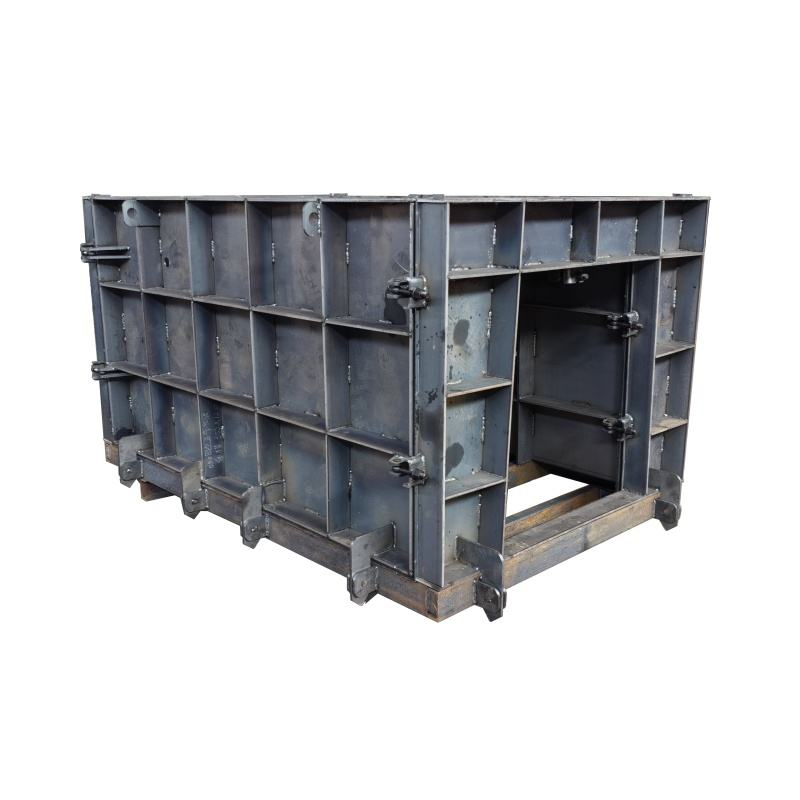
Thermal and Air-Handling Equipment for PlantsThe Industrial Equipment category gathers the utility machines that sit behind production lines: equipment that moves air, adds or removes heat and keeps workplaces clean. Factory engineers, plant contractors, HVAC firms and maintenance departments are the main buyers.Heating and SteamSteam generators: compact, fast-starting units for laundries, food plants and sterilizers, fired by gas, oil or electricity.Industrial heaters: warm-air, infrared and process heaters for workshops, warehouses and drying.Industrial ovens: batch and conveyor ovens for curing coatings, drying parts and baking.Cooling and Heat TransferIndustrial chillers: air-cooled or water-cooled, supplying chilled water to molding machines, lasers and process lines.Cooling towers: open or closed circuit, rejecting heat from condensers and process water.Heat exchangers: plate, shell-and-tube and finned types for recovering or transferring heat between fluids.Air Movement and Dust ControlIndustrial fans and blowers cover axial, centrifugal and Roots-type designs for ventilation, combustion air and pneumatic conveying. Dust collectors, including baghouse, cartridge and cyclone types, capture particles from woodworking, metal grinding, cement and food powders. Industrial wire dispensers help cable and fabrication shops pay out wire neatly from drums and coils.Choosing EquipmentSizing comes first: airflow in cubic meters per hour, cooling capacity in kW or tons of refrigeration, steam output in kg per hour, and duty temperatures and pressures. Running cost often outweighs purchase price, so compare motor efficiency, refrigerant type and controls. Suppliers include specialist manufacturers and engineering contractors who design and install complete systems.
Featured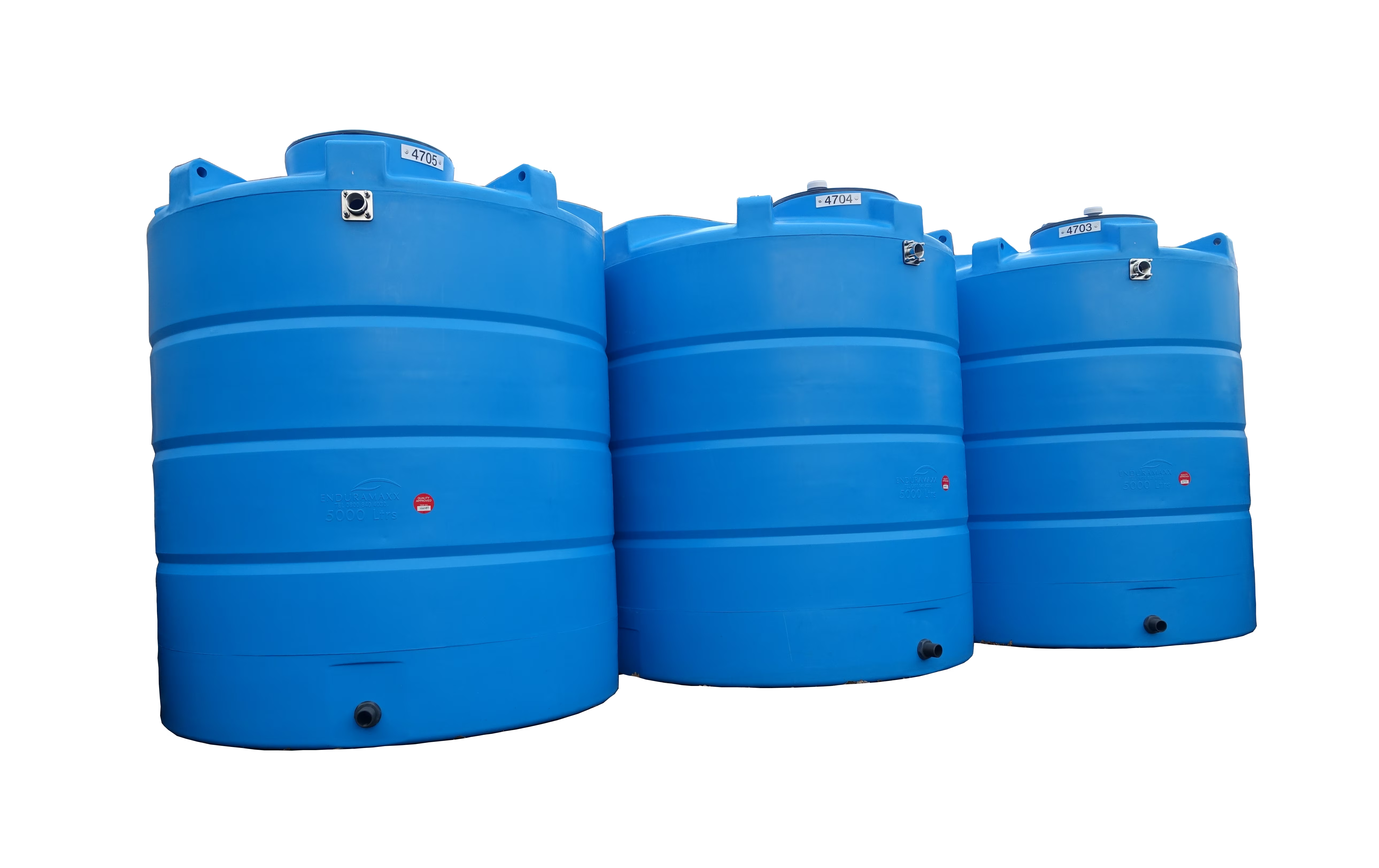
Tanks, Silos and Vessels for Every Stored MaterialThe Storage Tanks category groups containers by what they hold and what they are made of. Water utilities, farms, fuel distributors, chemical plants, breweries, food processors and building contractors all buy here, and the right choice depends on the stored product, volume, site and local codes.By MaterialStainless steel tanks: grades 304 and 316 for food, beverage, pharmaceutical and clean water service.Plastic water tanks: rotomoulded polyethylene, light and corrosion-free for homes and farms.Fiberglass tanks: GRP for corrosive chemicals, water treatment and underground use.Rectangular water tanks: sectional panel tanks in GRP, galvanized or stainless steel, assembled on site.By ApplicationOil storage tanks and fuel tanks for diesel, petrol and lubricants, often double-walled or bunded.Chemical storage tanks matched to the chemical's compatibility chart.Steel silos for grain, feed, cement and other bulk solids.Pressure vessels for compressed air, LPG and process gases.Water treatment tanks and septic tanks for clean and waste water.Fermentation tanks and mixing tanks for brewing, dairy and chemical processing.Underground storage tanks for fuel stations and space-limited sites.Matching the Tank to the DutyStart with what is stored, then capacity, operating temperature and pressure, and whether the tank sits above or below ground. Steel tanks are often fabricated to API 650 or similar codes, pressure vessels to ASME or EN 13445, and food tanks need sanitary finishes. Suppliers range from rotomoulding plants making stock sizes to fabricators building tanks to drawing, some of whom erect large tanks on site.
FeaturedCompare suppliers on rated capacity, power source, operating weight and the brands of engines, hydraulics and controls. For used plant, ask for hour-meter readings, service history and recent inspection photos. Check what documentation comes with the equipment, such as test certificates, manuals and parts books, and confirm who handles installation, operator training and after-sales service in your region.
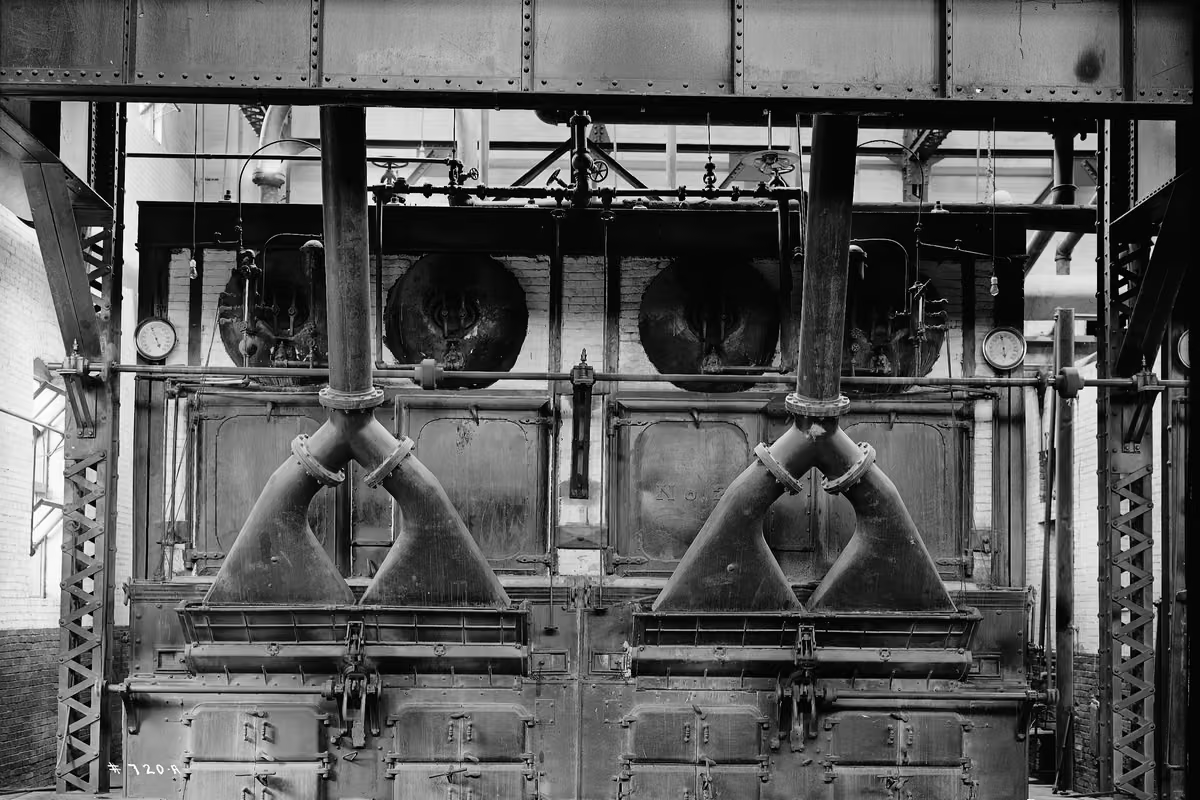
Process Heat and Refrigeration Plant for IndustryThis category covers the equipment that makes heat and removes it on an industrial scale: boilers and heaters for process steam and hot water, and refrigeration plant for cold stores, food factories and climate control. Buyers include food and beverage processors, textile mills, hospitals, hotels, logistics operators, building contractors and the installers who design and commission these systems.Heating equipmentSteam boilers: fire-tube and water-tube units for sterilizing, cooking, drying and power.Hot water boilers: for space heating, district networks and process washing.Biomass boilers: burn wood chips, pellets, husks or bagasse in place of fossil fuel.Thermal oil heaters: deliver high temperatures at low pressure for presses, dryers and reactors.Industrial burners: gas, oil and dual-fuel burners fitted to boilers, kilns and furnaces.Cooling and cold chain equipmentIndustrial air conditioners: packaged units, rooftop units and chillers for factories and large buildings.Cold rooms and cold room panels: insulated sandwich panel enclosures for chilled and frozen storage.Refrigeration compressors: reciprocating, scroll and screw machines at the heart of the cycle.Condensers and evaporators: the heat exchangers that reject and absorb heat.Industrial freezers: blast, spiral and plate freezers for food production.Industrial dehumidifiers: control humidity in warehouses, pharmaceutical rooms and drying processes.How buyers chooseSelection starts with the load: steam output in kg/h, heat duty in kW, or cooling capacity at a stated room temperature. Fuel availability, refrigerant rules in the destination country and electrical supply (voltage and frequency) narrow the field further. Pressure equipment usually needs certification such as the EU Pressure Equipment Directive or ASME stamping. The trade is served by boiler and HVAC manufacturers, refrigeration component makers, panel factories and engineering contractors who supply complete turnkey systems.
From Batching to Finishing: Concrete Site EquipmentEvery stage of concrete work has its own tools, and this category covers them in order: producing the mix, moving and placing it, shaping it in molds and formwork, reinforcing it and finishing the surface. Contractors, block and paver makers, precast yards and plant hire companies are the core buyers.Mixing and PlacingConcrete batching plants: stationary or mobile, weighing aggregates, cement and water for ready-mix and precast.Concrete mixers: drum mixers from small site units to self-loading mixers.Concrete pumps: trailer-mounted line pumps and truck-mounted boom pumps.Concrete funnels and skips for crane placing, plus concrete vibrators to remove air voids.Forming and ReinforcingFormwork systems in steel, aluminum, plywood or plastic shape walls, columns and slabs, supported by adjustable steel props. Rebar bending machines and rebar cutting machines prepare reinforcement on site or in a yard. Concrete molds and drainage molds cast curbs, culverts, channels and decorative products.Block, Paver and Precast ProductionBlock making machines range from manual and egg-laying types to fully automatic static lines, while paving block machines press interlocking pavers using vibration and hydraulic pressure. Output is quoted in blocks per hour or per eight-hour shift for a given size.Cutting and FinishingConcrete cutting saws make joints and openings, floor screeds and trowels level and polish slabs, and plastering machines spray render onto walls. Buyers balance output against labor costs and site access, and should check engine or motor type, spare parts and operator safety features.
Featured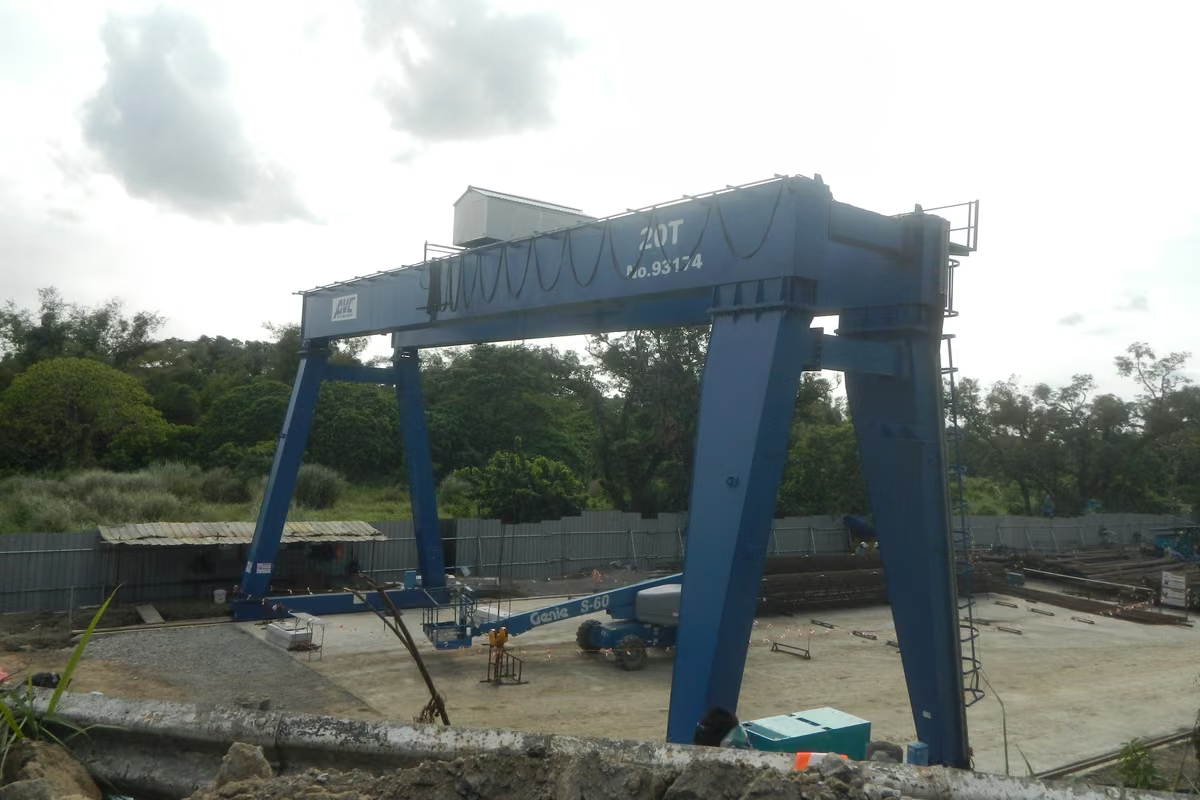
Heavy Equipment for Earthworks, Lifting and RoadsThis category brings together the self-propelled machines and plant that build roads, buildings, mines and infrastructure, along with the attachments, parts and rental services that keep fleets working. Buyers range from contractors buying a single backhoe to dealers importing machines by the shipload.Earthmoving MachinesExcavators and mini excavators: digging, trenching and demolition, from compact units under 6 metric tons to mining-class machines.Wheel loaders, backhoe loaders and skid steers: loading, carrying and general site work.Bulldozers and motor graders: pushing, leveling and shaping ground to grade.Dump trucks: rigid and articulated haulers moving spoil and rock.Lifting, Road and Foundation PlantCranes: tower cranes for high-rise work, mobile cranes for fast set-up, and telehandlers for reach on site.Road equipment: asphalt pavers, road rollers and compactors for base and surface layers.Foundations: drilling rigs and pile driving equipment.Concrete and aggregates: concrete mixer trucks and crushing and screening plants.How Buyers ChooseThe decision usually starts with operating weight, engine power, bucket or lifting capacity and the emissions standard accepted in the destination country, such as EU Stage or US EPA Tier ratings. New machines come from manufacturers and authorized dealers; used machines come from dealers, auction resellers and fleet owners. Parts availability, service support and resale value weigh as heavily as the purchase price. Machines ship roll-on/roll-off, on flat racks or partly dismantled in containers, so buyers check dimensions and shipping method early.

Vertical Transport Equipment for Buildings and SitesThis category covers machines that move people and goods between floors, from a two-stop home lift to banks of high-rise passenger elevators, along with escalators, moving walkways and the parts that keep them running. Buyers are property developers, main contractors, lift installation companies, facilities managers and parts distributors.Product types in the categoryPassenger elevators: traction or hydraulic lifts for offices, hotels and residential blocks.Freight elevators: heavy-duty cars for factories, warehouses and retail stockrooms.Home lifts: compact platforms and cabin lifts for private houses.Hospital lifts: deep cars sized for beds and stretchers.Escalators and moving walkways: continuous people movers for malls, stations and airports.Dumbwaiters: small service lifts for food, documents and laundry.Stair lifts: chairs or platforms running on a rail along a staircase.Construction hoists: rack and pinion hoists climbing a mast on building sites.Elevator parts: controllers, traction machines, doors, ropes and safety components.Choosing between themTraffic volume, building height and what is being carried decide the equipment. Elevators suit any height but move people in batches; escalators carry continuous flows over one or two floors. Machine-room-less traction lifts save space, while hydraulic lifts suit low-rise buildings with heavy loads. Lift safety standards such as EN 81-20 and EN 81-50, or EN 115 for escalators, apply in Europe, and many other countries base their rules on them, but local codes and inspection regimes differ.Who supplies the tradeSellers range from complete-system manufacturers that design, ship and supervise installation, to component makers and regional distributors of spare parts.
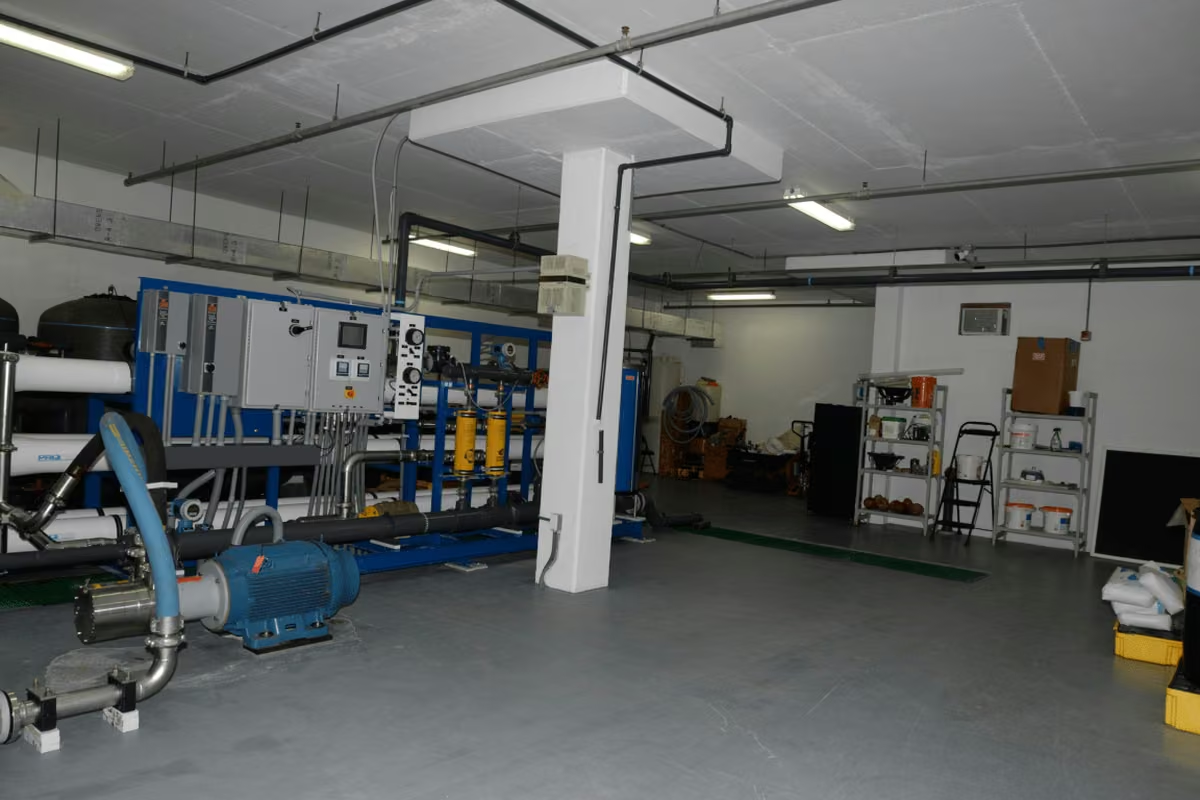
Treating Water and Cleaning Industrial SitesThis category covers two closely linked needs: preparing water for use and treating it afterwards, and cleaning the floors, tanks, drains and surfaces of industrial sites. Buyers include factories, food and beverage plants, hotels, municipalities, contractors and facility management companies.Water Treatment EquipmentIndustrial water filters: sand, multimedia, cartridge, bag and membrane filters that remove suspended solids.Water softeners: ion exchange units that remove hardness to protect boilers and pipework.Desalination units: reverse osmosis systems turning seawater or brackish water into fresh water.Wastewater treatment plants: packaged biological or chemical systems treating sewage and effluent.Grease traps and sludge dewatering machines: separating fats and reducing sludge volume before disposal.Cleaning EquipmentIndustrial sweepers: walk-behind and ride-on machines for warehouses, yards and car parks.Sandblasting equipment: abrasive blasting for rust and paint removal before coating.Tank cleaning equipment: rotating nozzles and systems for vessels and storage tanks.Drain cleaning machines: drum, sectional and jetting machines for blocked lines.Choosing a SupplierWater equipment is sized to a duty: flow rate, raw water analysis and the required outlet quality, so serious suppliers ask for a water test before quoting. Cleaning machines are chosen on area, debris type, power source and operator hours. Manufacturers and system integrators handle engineered plants and export packaging; dealers and wholesalers carry standard machines, consumables and spare parts for local service. For food plants and drinking water, buyers also check material approvals, while for cleaning machines used indoors, dust control, noise and battery power usually take priority over engine output. Spare parts and local servicing matter across the whole category, since downtime is costly.

Containers, Bins and Cylinders for IndustryThis category covers the steel and plastic vessels that store, move and protect goods and gases on sites, farms and factories. Buyers range from logistics firms and contractors to grain handlers, chemical plants and gas distributors, and the right product depends on what is held, for how long and where.Product Types in the CategoryShipping containers: ISO intermodal boxes, new or used, for freight and conversion.Container offices: insulated, fitted units used as site offices, canteens and welfare cabins.Storage containers: secure steel units for on-site or yard storage, often ex-shipping boxes.Bulk bins: stackable plastic, steel or timber bins for produce, parts and scrap.Hopper bins: self-emptying bins and silos with a sloped base for grain, feed and powders.Gas cylinders: pressure vessels for industrial, fuel and specialty gases.Choosing Between ThemFor moving goods internationally, a certified ISO container is the starting point. For a site base or storage on land, a converted or one-trip container is quicker than building. Bulk bins suit forklift handling inside a plant, while hopper bins suit free-flowing materials that need gravity discharge. Gas cylinders are a regulated product with their own design and testing codes, so buyers specify the gas, pressure and valve before anything else.Who Supplies the TradeSupply comes from container manufacturers and depots, modular building converters, plastics molders, steel fabricators and cylinder plants. Used containers reach the market through leasing fleet disposals and depot dealers. Check the inspection standard, the condition grade and the certification required in your market before ordering.
Thermal and Air-Handling Equipment for PlantsThe Industrial Equipment category gathers the utility machines that sit behind production lines: equipment that moves air, adds or removes heat and keeps workplaces clean. Factory engineers, plant contractors, HVAC firms and maintenance departments are the main buyers.Heating and SteamSteam generators: compact, fast-starting units for laundries, food plants and sterilizers, fired by gas, oil or electricity.Industrial heaters: warm-air, infrared and process heaters for workshops, warehouses and drying.Industrial ovens: batch and conveyor ovens for curing coatings, drying parts and baking.Cooling and Heat TransferIndustrial chillers: air-cooled or water-cooled, supplying chilled water to molding machines, lasers and process lines.Cooling towers: open or closed circuit, rejecting heat from condensers and process water.Heat exchangers: plate, shell-and-tube and finned types for recovering or transferring heat between fluids.Air Movement and Dust ControlIndustrial fans and blowers cover axial, centrifugal and Roots-type designs for ventilation, combustion air and pneumatic conveying. Dust collectors, including baghouse, cartridge and cyclone types, capture particles from woodworking, metal grinding, cement and food powders. Industrial wire dispensers help cable and fabrication shops pay out wire neatly from drums and coils.Choosing EquipmentSizing comes first: airflow in cubic meters per hour, cooling capacity in kW or tons of refrigeration, steam output in kg per hour, and duty temperatures and pressures. Running cost often outweighs purchase price, so compare motor efficiency, refrigerant type and controls. Suppliers include specialist manufacturers and engineering contractors who design and install complete systems.
FeaturedThermal Processing Equipment for Metals, Minerals and GlassThis category brings together the furnaces, kilns and consumables that melt, fire, calcine and heat treat materials at high temperature. Buyers are steelworks, foundries, cement and lime plants, glassworks, brick makers, forging shops, laboratories and the engineering firms that build these plants.What the Category IncludesRotary kilns: rotating inclined cylinders for cement clinker, lime and minerals.Electric arc furnaces: graphite electrode furnaces that melt steel scrap.Induction furnaces: electromagnetic melting and heating for foundries.Heat treatment furnaces: for hardening, tempering, annealing and carburizing.Glass melting furnaces: continuous tanks feeding container and float lines.Brick kilns: tunnel, Hoffmann and zigzag kilns for clay products.Muffle furnaces: enclosed chambers for laboratories and small batches.Furnace refractories, foundry equipment and melting crucibles: the linings, machines and vessels that keep hot processes running.How Buyers ChooseChoice starts with the material and the process temperature, then the throughput and the energy available. Electric melting suits sites with a strong power supply, while fuel-fired kilns suit bulk minerals. Batch furnaces give flexibility, and continuous furnaces give lower cost per metric ton. Emissions control, energy efficiency and refractory life weigh heavily in the total cost of ownership.Suppliers in the TradeThe market is served by specialist furnace engineers, turnkey plant contractors, refractory producers and makers of consumables. Large systems are designed to order with installation and commissioning, while laboratory furnaces and crucibles are stocked items shipped from the warehouse.
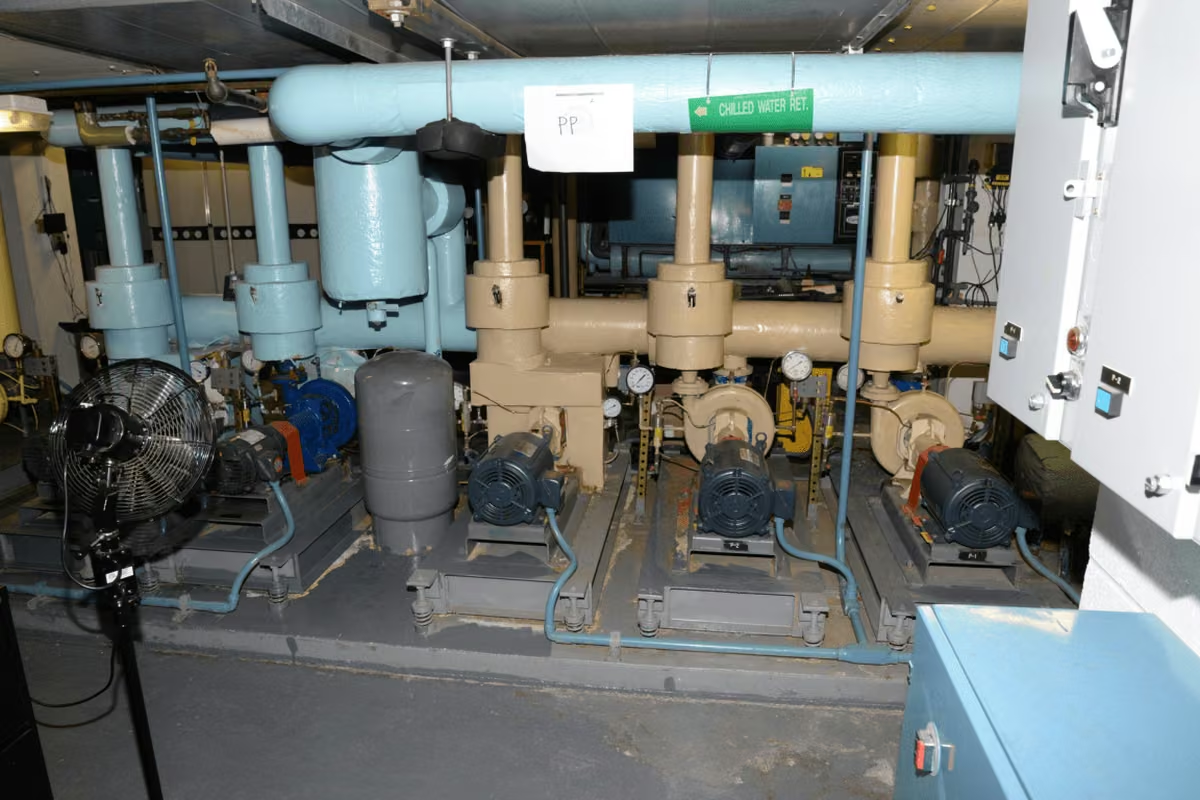
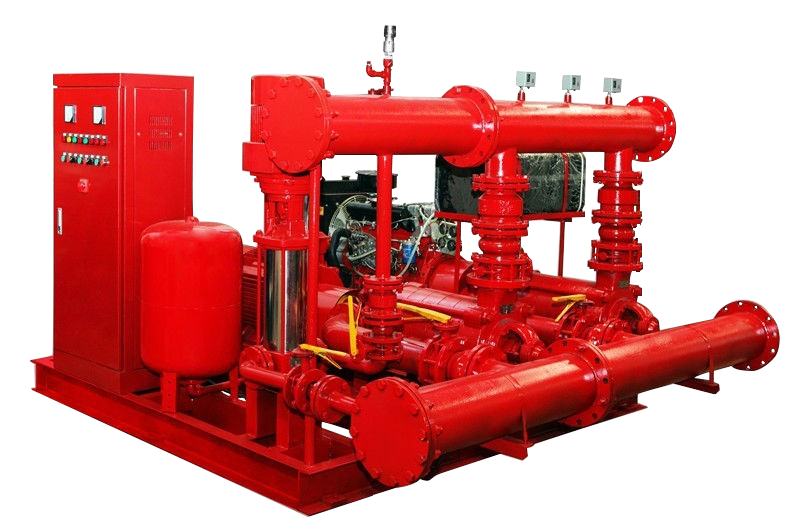
Moving Liquids and Compressing Air: The Category at a GlanceThis category brings together the machines that move fluids and produce compressed air for factories, mines, buildings, farms and utilities. Pumps transfer liquids and slurries; compressors and vacuum pumps work with gases. Both are sold with a long tail of spares and treatment equipment.Pump typesCentrifugal pumps: the general workhorse for water and thin liquids.Submersible and borehole pumps: run underwater, from drainage sumps to deep wells.Booster and fire fighting pumps: raise mains pressure in buildings and feed sprinkler and hydrant systems.Slurry and sewage pumps: handle solids, abrasives and wastewater.Positive displacement pumps: gear, diaphragm, rotary vane, dosing and hydraulic pumps for viscous fluids, chemicals and precise metering.Vacuum pumps: evacuate air for packaging, molding and laboratory work.Compressor typesPiston compressors: simple and suited to intermittent workshop duty.Screw compressors: continuous industrial air supply.Oil-free compressors: for food, pharmaceutical and electronics air.Portable compressors: diesel or electric units for construction sites.Air dryers, receivers and spare parts: filters, separators, valves and service kits.How buyers choosePump selection starts with flow, head, the liquid and its solids content, then material of construction and seal type. Compressor buyers work from free air delivery, pressure, duty cycle and the air quality class required under ISO 8573-1. Energy use over the life of the machine usually outweighs the purchase price, so motor efficiency and variable speed drives are increasingly part of the comparison. Suppliers range from pump and compressor factories to motor and engine assemblers, authorized distributors and specialist spare parts traders.
Fire Protection and Workplace Safety SuppliesThis category brings together the equipment that keeps factories, warehouses, construction sites and public buildings safe: products that detect and fight fire, warn people of hazards, control traffic and stop injuries at height or during maintenance. Most of it is regulated, so buyers source against named standards rather than on price alone.Main Product TypesFire extinguishers: portable powder, foam, CO2, water and wet chemical units rated for different fire classes.Fire alarms: detectors, call points, sounders and control panels, conventional or addressable.Fire hoses and sprinkler systems: layflat and reel hoses, sprinkler heads, valves and pipework for fixed protection.Gas detectors: fixed and portable instruments for flammable, toxic and oxygen-deficient atmospheres.Safety harnesses and lockout tagout kits: fall arrest and energy isolation gear for work at height and machine servicing.Barriers, traffic cones and safety signs: site separation, road works control and hazard communication.Spill containment kits: absorbents and bunding for oil, chemical and general spills.Choosing Products and SuppliersStart from the risk assessment and the standard your market recognizes, for example EN 3 for extinguishers, EN 54 for alarm components, EN 361 for harnesses or ISO 7010 for sign symbols, and the UL listings and FM approvals common in North America. Fire products in particular often need third-party approval marks before they can be installed. Ask for test reports from an accredited laboratory, and check that labels and manuals come in the language required where the products will be used. Manufacturers serve distributors and large projects with container loads; safety wholesalers mix many lines on one pallet for contractors and facility managers; specialist fire engineers supply designed systems with installation.
Controlling and Connecting PipeworkThis category covers the components that start, stop, regulate and protect flow in pipe systems, and the parts that join pipes together. Water utilities, oil and gas operators, chemical and food plants, power stations, shipyards, building services contractors and pipe merchants buy them, from single valves to project quantities.ValvesBall valves: quarter-turn shut-off with tight sealing, from small brass to large trunnion-mounted steel.Gate valves: full-bore isolation for water mains and process lines.Globe valves: throttling and regulating flow.Butterfly valves: light, compact isolation for large diameters.Check valves: prevent backflow.Control and solenoid valves: automated modulation and on/off switching.Safety relief valves: protect vessels and lines from overpressure.Hydrants: fire water outlets for streets and sites.Fittings and line componentsPipe fittings and flanges: elbows, tees, reducers and flanged joints in steel, stainless, iron and plastic.Couplings, unions, hose fittings and industrial hoses: connections that can be broken and remade.Strainers, filters and steam traps: protect equipment and remove condensate.How buyers chooseSelection starts with the fluid, pressure class, temperature and pipe size, then the body and trim materials, end connections (threaded, flanged, welded) and the standards the project names, such as ASME, API, EN or ISO. Manufacturers, foundries and forging shops supply direct; stockists and pipe, valve and fittings distributors serve fast deliveries and mixed orders. Valve automation, from manual gearboxes to pneumatic and electric actuators, is often bought from the same source so the package arrives tested together. Material certificates and pressure test records are usually required for industrial work.
Cranes, Hoists and Rigging for Industry and ConstructionThis category covers the machines that raise heavy loads and the below-the-hook gear that connects them to the load. Buyers include construction companies, steel fabricators, factories and warehouses, ports and container yards, shipyards, mines, plant hire firms, rigging lofts and the industrial distributors who supply them.Cranes and hoistsGantry cranes: a bridge on legs running on rails or wheels, for yards, precast plants and container terminals.Jib cranes: pillar or wall-mounted arms serving a workstation or machine tool.Truck-mounted cranes: knuckle-boom and telescopic cranes on lorry chassis for delivery and site lifting.Electric hoists: wire rope and chain hoists for overhead cranes, monorails and fixed lifting points.Winches: electric, hydraulic and manual winches for pulling and lifting.Lifting accessories and handling aidsLifting slings: webbing, round, wire rope and chain slings, color-coded or tagged by working load limit.Lifting chains: grade 80 and grade 100 alloy chain and assemblies.Shackles and hooks: bow and dee shackles, eye and clevis hooks with safety latches.Manual lifting tables: scissor tables for ergonomic positioning of loads.Container lifting gear: spreaders, container lifting lugs and twist locks.Choosing equipment and suppliersSelection starts with the heaviest load, lift height, span or reach, and duty classification, often to FEM or ISO 4301 groups for cranes and hoists. Lifting accessories must carry a clear working load limit and proof test certificate, and many markets require periodic thorough examination by a competent person, so check the rules where the equipment will be used. The trade is served by crane builders, hoist manufacturers, chain and forging plants, webbing sling makers and rigging distributors who assemble and certify gear.
Moving, Lifting and Storing Goods Through a FacilityMaterial handling equipment covers the machines and systems that move goods from the loading dock into storage, through production and back out to dispatch. Buyers include warehouses and logistics centers, factories, ports, retailers' distribution hubs and the dealers and rental firms who supply them.Main Product GroupsForklifts and electric forklifts: counterbalance trucks powered by diesel, LPG or batteries, the general lifters of most sites.Reach trucks and pallet stackers: for higher racking and narrower aisles.Hand and electric pallet trucks: horizontal movement of pallets over short distances.Overhead cranes, chain hoists and other hoists and lifts: lifting heavy loads in workshops and production halls.Scissor lifts and aerial work platforms: safe access to work at height.Industrial, belt and roller conveyors: continuous flow for parcels, cartons and bulk goods.Loading dock equipment: dock levelers, shelters and yard ramps.Pallet racking, warehouse shelving and hand trolleys: storage and small-load handling.Matching Equipment to Load and LayoutChoice starts with the load: weight, pallet size, lift height and how often it moves. Aisle width, floor quality and whether work is indoors or outdoors then decide between electric and combustion power and between counterbalance, reach or narrow-aisle trucks. Racking layout and truck selection should be planned together, since racking height and aisle width set the trucks that can serve it. Safety standards such as ISO 3691 for industrial trucks and EN 15512 for racking guide design.Who Supplies the TradeManufacturers sell through dealers and distributors who provide service and parts, while racking suppliers usually design, supply and install complete systems.
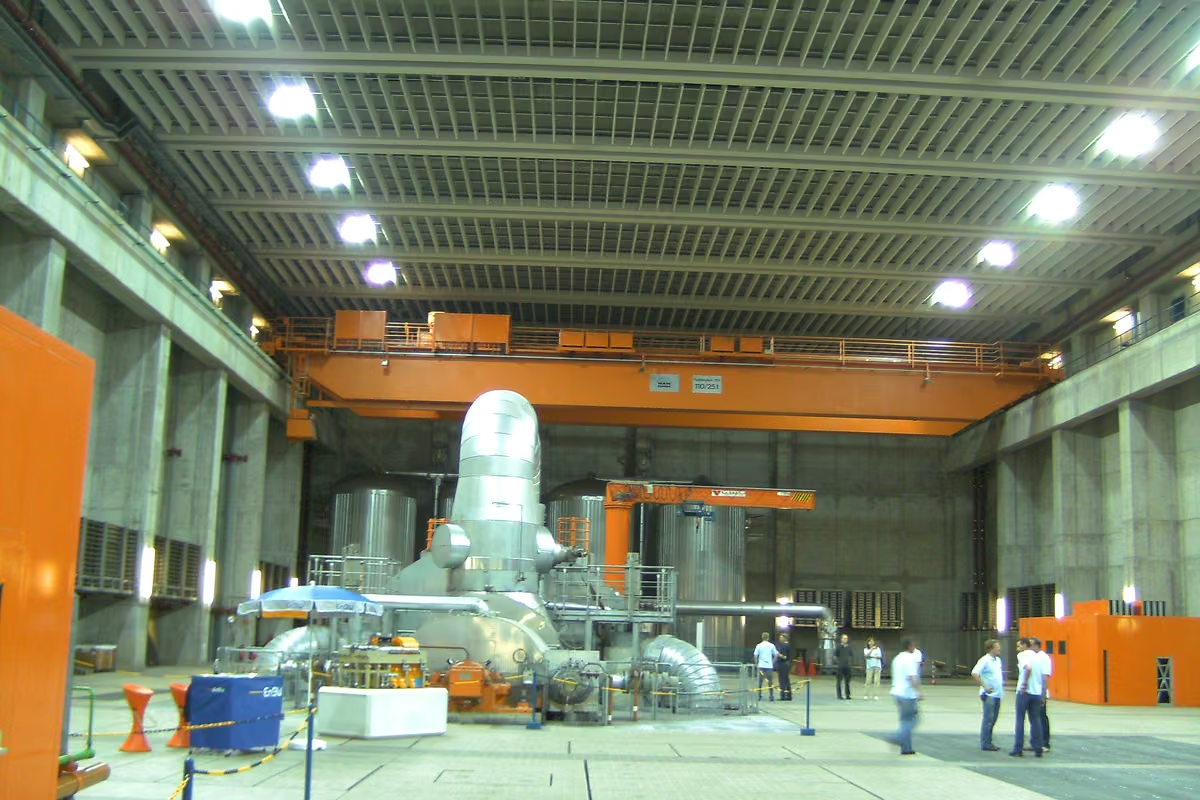
Equipment for Industrial and Renewable Power GenerationThis category brings together the machines that turn heat, falling water, wind and gas into electricity, plus the parts that keep them running. Buyers include independent power producers, sugar and paper mills generating their own power, utilities, hydro developers, wind farm operators, landfill and farm biogas projects, and the engineering, procurement and construction firms that build plants.Main product typesIndustrial steam turbines: back-pressure and condensing turbines driven by boiler steam, often in mills and process plants that also need heat.Water turbines: Pelton, Francis, Kaplan and crossflow machines for hydro schemes from micro to large scale.Wind turbine components: blades, gearboxes, generators, bearings, towers and pitch and yaw systems for new builds and repairs.Biogas generators: gas engine generator sets adapted to methane from digesters, landfills and wastewater plants.Combined heat and power units: engines or turbines that recover heat while generating electricity.Turbine spare parts: blades, seals, bearings, nozzles and control components for steam, gas and hydro turbines.How buyers narrow the choiceThe resource decides the technology: available steam pressure and heat demand point to a steam turbine or CHP; head and flow decide the water turbine type; gas quality and volume size a biogas engine. Grid connection rules, frequency (50 or 60 Hz), voltage and the required availability shape the specification further. Most projects ask for performance guarantees, factory acceptance tests and long-term parts and service support.Who supplies the tradeTurbine and engine manufacturers, packagers who build complete generator sets, component specialists, refurbishment shops and parts traders serve this market. Many buyers mix new equipment with rebuilt units and used spares to manage project cost.
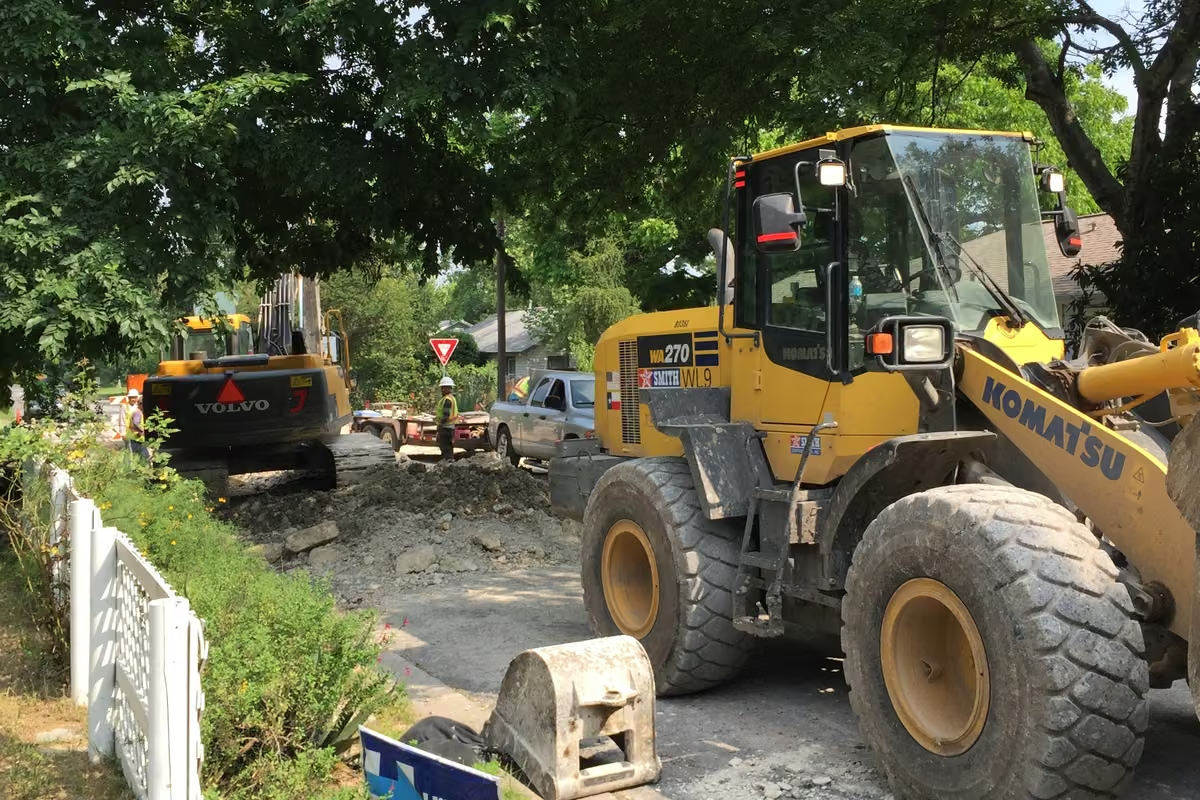
Machines for Building and Maintaining RoadsThis category brings together the equipment used from groundworks to finished surface: digging service trenches, compacting layers, producing and spraying bituminous materials, resurfacing worn pavements and painting lines. Buyers are road contractors, highway maintenance firms, municipal works departments, plant hire companies and equipment dealers.What the category includesAsphalt mixing plants: batch or drum plants that produce hot mix asphalt for paving.Road milling machines: cold planers that remove worn asphalt to a set depth.Road marking machines: hand-pushed and truck-mounted units applying thermoplastic or paint lines.Trenchers: chain and wheel machines cutting narrow trenches for cables and pipes.Compact track loaders: tracked loaders that run buckets and attachments on soft ground.Tamping machines: rammers and plate tampers for compacting soil in confined areas.Slurry seal machines: truck-mounted mixers laying thin protective surface treatments.Water bowsers: tankers for dust control, compaction moisture and site supply.Bitumen sprayers: distributors applying prime, tack and chip-seal binders.How buyers chooseNew road building calls for asphalt plants, pavers and bitumen distributors sized to output targets. Maintenance programs lean on milling machines, slurry sealers and line markers, where mobility between short jobs matters more than tonnage. Utility contractors focus on trenchers, compact loaders and tampers. Engine emission stage, parts support and operator training often decide between otherwise similar machines.Suppliers serving the tradeSellers include machine manufacturers, truck body builders that mount sprayers and tanks, dealers of new and used plant, and parts specialists.

Access, Welfare and Setup Equipment for Building SitesThis category gathers the equipment that gets a construction site running and lets people work safely at height: access systems, site boundaries, lighting and welfare facilities. Buyers include contractors, scaffolding firms, plant hire and rental companies, event builders and maintenance departments.Access EquipmentSteel scaffolding: tube and fitting, ringlock, cuplock and frame systems for heavy-duty and long-term work.Aluminum scaffolding: lighter frames and systems for faster erection and indoor use.Scaffold boards: timber, steel and aluminum platforms that form working decks.Mobile towers: wheeled aluminum towers for painting, fit-out and maintenance.Ladders: step, extension and combination ladders in aluminum and fiberglass.Site Setup and WelfareTemporary fencing: mesh panels on weighted feet to secure perimeters.Safety nets: fall arrest and debris netting around edges and openings.Site lighting towers: mast lights with generators or solar panels for night work.Portable toilets: self-contained units for crews and events.Construction trolleys: wheelbarrows, platform trucks and material carts.How Buyers ChooseRental companies prioritize durability, galvanizing and interchangeability with stock they already own, while contractors weigh erection speed and labor costs. Access equipment is safety-critical, so buyers ask for design load classes and test reports to standards such as EN 12810, EN 12811 and EN 1004, or the local equivalents. Welfare and lighting units are often bought in fleets, so spare parts and after-sales support weigh heavily in the decision. Manufacturers usually sell by container load or tonnage, while regional distributors hold stock and offer mixed orders for smaller builders and hire depots. Lead times for galvanized steel can run longer than for stock aluminum or welfare items, so plan large orders ahead of the project start.
Tanks, Silos and Vessels for Every Stored MaterialThe Storage Tanks category groups containers by what they hold and what they are made of. Water utilities, farms, fuel distributors, chemical plants, breweries, food processors and building contractors all buy here, and the right choice depends on the stored product, volume, site and local codes.By MaterialStainless steel tanks: grades 304 and 316 for food, beverage, pharmaceutical and clean water service.Plastic water tanks: rotomoulded polyethylene, light and corrosion-free for homes and farms.Fiberglass tanks: GRP for corrosive chemicals, water treatment and underground use.Rectangular water tanks: sectional panel tanks in GRP, galvanized or stainless steel, assembled on site.By ApplicationOil storage tanks and fuel tanks for diesel, petrol and lubricants, often double-walled or bunded.Chemical storage tanks matched to the chemical's compatibility chart.Steel silos for grain, feed, cement and other bulk solids.Pressure vessels for compressed air, LPG and process gases.Water treatment tanks and septic tanks for clean and waste water.Fermentation tanks and mixing tanks for brewing, dairy and chemical processing.Underground storage tanks for fuel stations and space-limited sites.Matching the Tank to the DutyStart with what is stored, then capacity, operating temperature and pressure, and whether the tank sits above or below ground. Steel tanks are often fabricated to API 650 or similar codes, pressure vessels to ASME or EN 13445, and food tanks need sanitary finishes. Suppliers range from rotomoulding plants making stock sizes to fabricators building tanks to drawing, some of whom erect large tanks on site.
Featured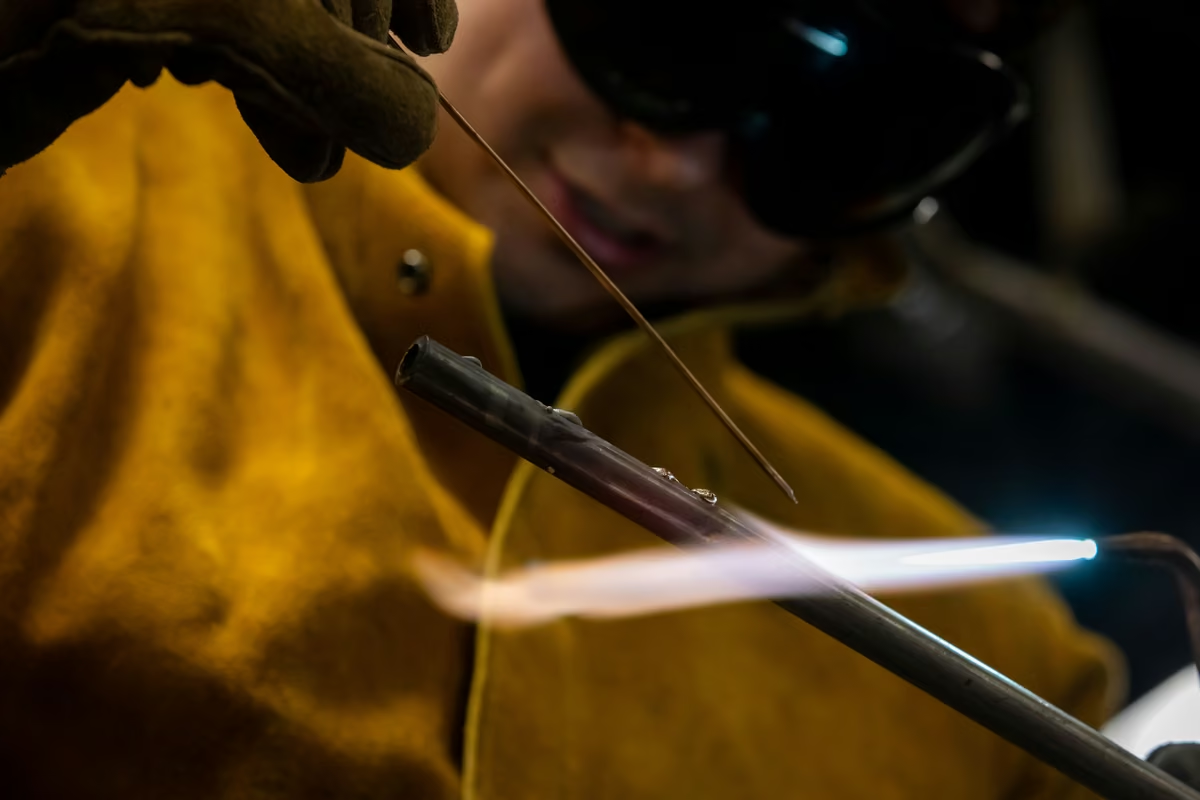
Joining and Cutting Metal: Equipment and SuppliesThis category brings together the machines, consumables and accessories used to fuse and cut metal in fabrication shops, shipyards, construction sites, pipelines, vehicle repair and manufacturing plants. Buyers range from industrial distributors and hardware wholesalers to steel fabricators equipping new bays.MachinesMIG welding machines feed solid or flux-cored wire continuously, fast on steel and aluminum sheet and plate.TIG welding machines give precise, clean welds on stainless steel, aluminum and thin material.Stick welding machines burn coated electrodes and are rugged and portable for site and repair work.Spot welding machines join overlapping sheet in automotive and appliance production.Plasma cutters and oxy-fuel cutting equipment cut steel plate; plasma suits thinner and non-ferrous metal, oxy-fuel thick carbon steel.Consumables and AccessoriesRepeat orders are dominated by welding electrodes and welding wire, classified to AWS and ISO standards, alongside the wider range of welding consumables such as contact tips, nozzles and tungsten. Welding torches, gas regulators, welding positioners and soldering equipment complete the workshop, and welding helmets with auto-darkening filters protect the operator.How Buyers ChooseThe metal, its thickness, the position of welding and the quality code required decide the process. Shops then weigh input power, duty cycle and portability. Manufacturers of inverter machines, consumable producers, gas equipment makers and distributors that bundle all three serve the trade; distributors often prefer suppliers who can cover machines and matching consumables together. Check the electrical safety marking and certificates required in your market.
Manufacturers, dealers and plant traders list machines, tanks, pumps, generators and site equipment on Towobo, with specifications, condition for used items, and delivery terms. Buyers can compare equipment across categories, check condition and documentation, and request quotes for single units, spare parts or complete project packages.
Equipment builders, distributors and plant resellers can open a store on Towobo and reach contractors, factories and utilities searching for machinery and plant for their next project.
Key information for B2B buyers sourcing construction & industrial equipment from global manufacturers.
Factory-direct orders typically start at 100–500 units. Wholesalers often accept 10–50 unit MOQs. Always confirm MOQ and price breaks in writing before placing a bulk order.
Request certificates relevant to your market: CE (EU), ISO 9001 (quality), RoHS (electronics), and UN38.3 (battery transport). Verify originals before payment.
Sample orders typically ship in 3–7 days. Production runs take 15–45 days depending on volume. Confirm Incoterms (FOB, CIF, EXW) and freight charges before signing.
Request physical samples before committing to bulk. Use Towobo's Payment Protection on all transactions. Compare at least 3 suppliers on price, lead time, and certifications.