
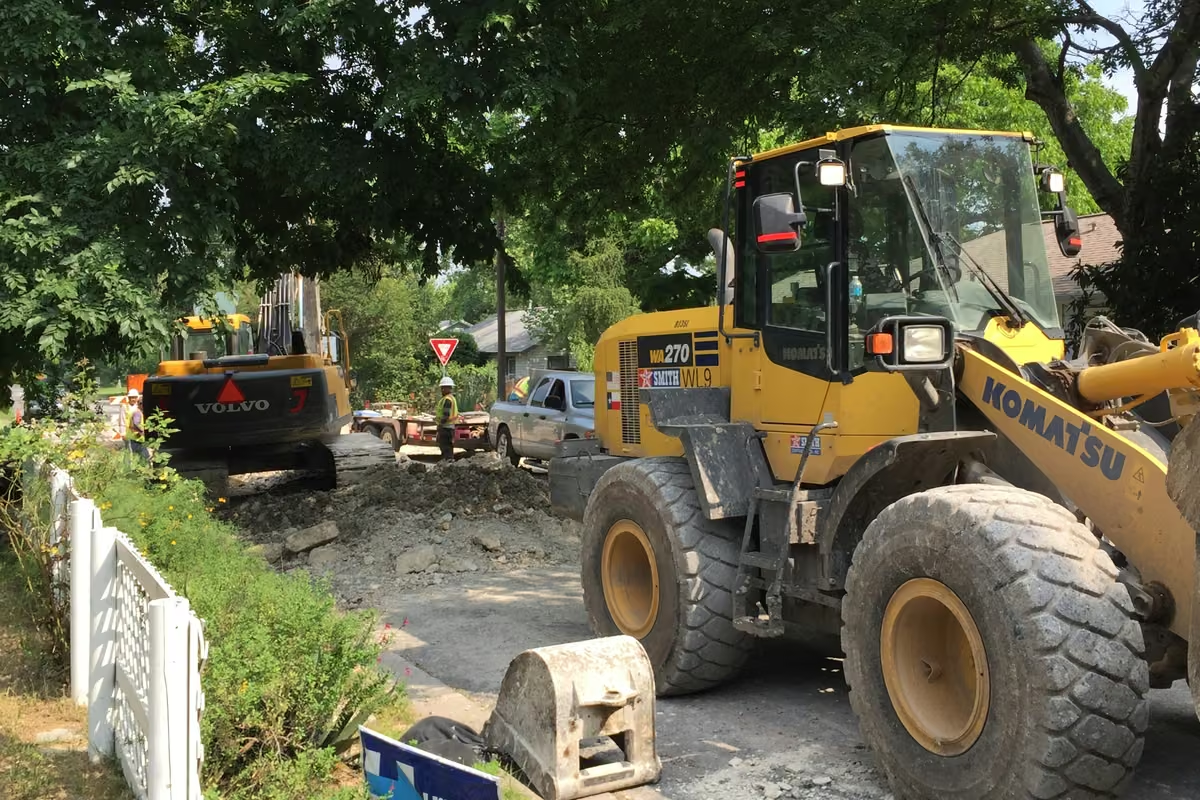
This category brings together the equipment used from groundworks to finished surface: digging service trenches, compacting layers, producing and spraying bituminous materials, resurfacing worn pavements and painting lines. Buyers are road contractors, highway maintenance firms, municipal works departments, plant hire companies and equipment dealers.
New road building calls for asphalt plants, pavers and bitumen distributors sized to output targets. Maintenance programs lean on milling machines, slurry sealers and line markers, where mobility between short jobs matters more than tonnage. Utility contractors focus on trenchers, compact loaders and tampers. Engine emission stage, parts support and operator training often decide between otherwise similar machines.
Sellers include machine manufacturers, truck body builders that mount sprayers and tanks, dealers of new and used plant, and parts specialists.
When comparing suppliers of road and earthmoving machinery, line up output or capacity, engine power and emission stage, and the working width or depth for each machine. Ask about dealer or service support in your region, parts lead times, operator and maintenance training, and the manuals supplied. For truck-mounted units, check the chassis specification and that it can be registered locally.
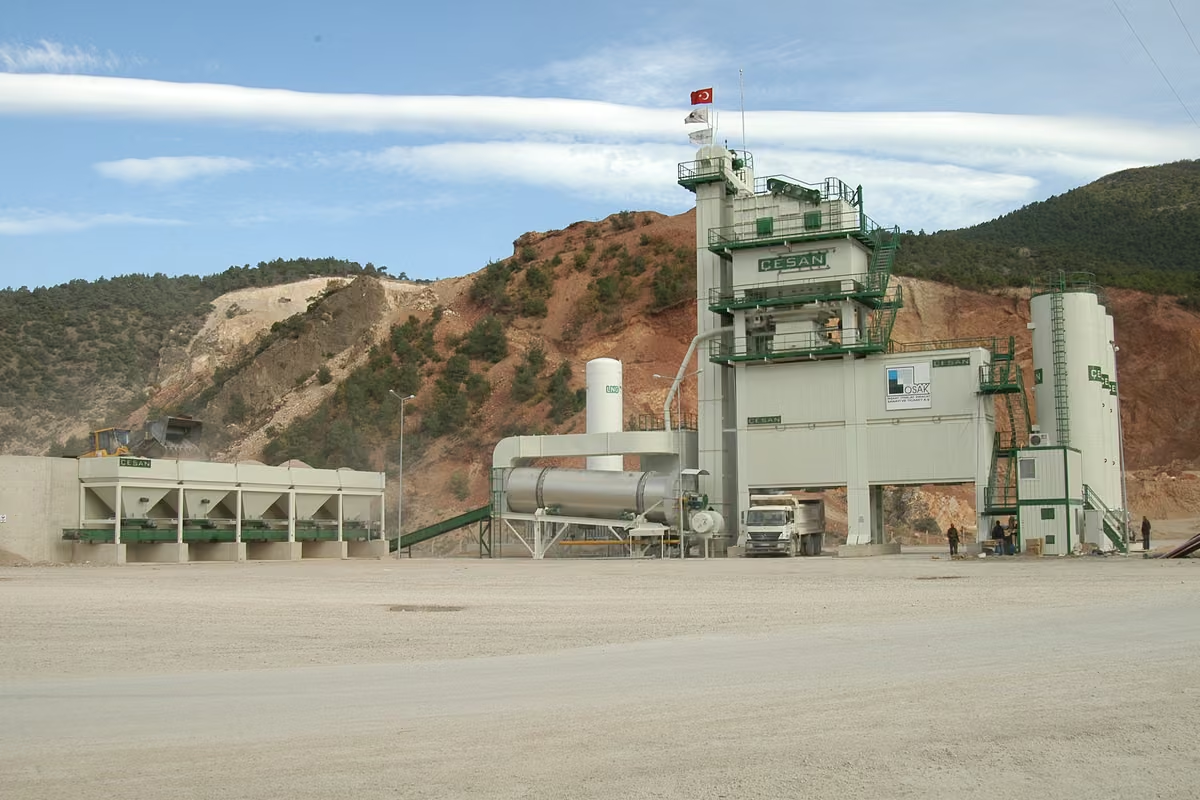
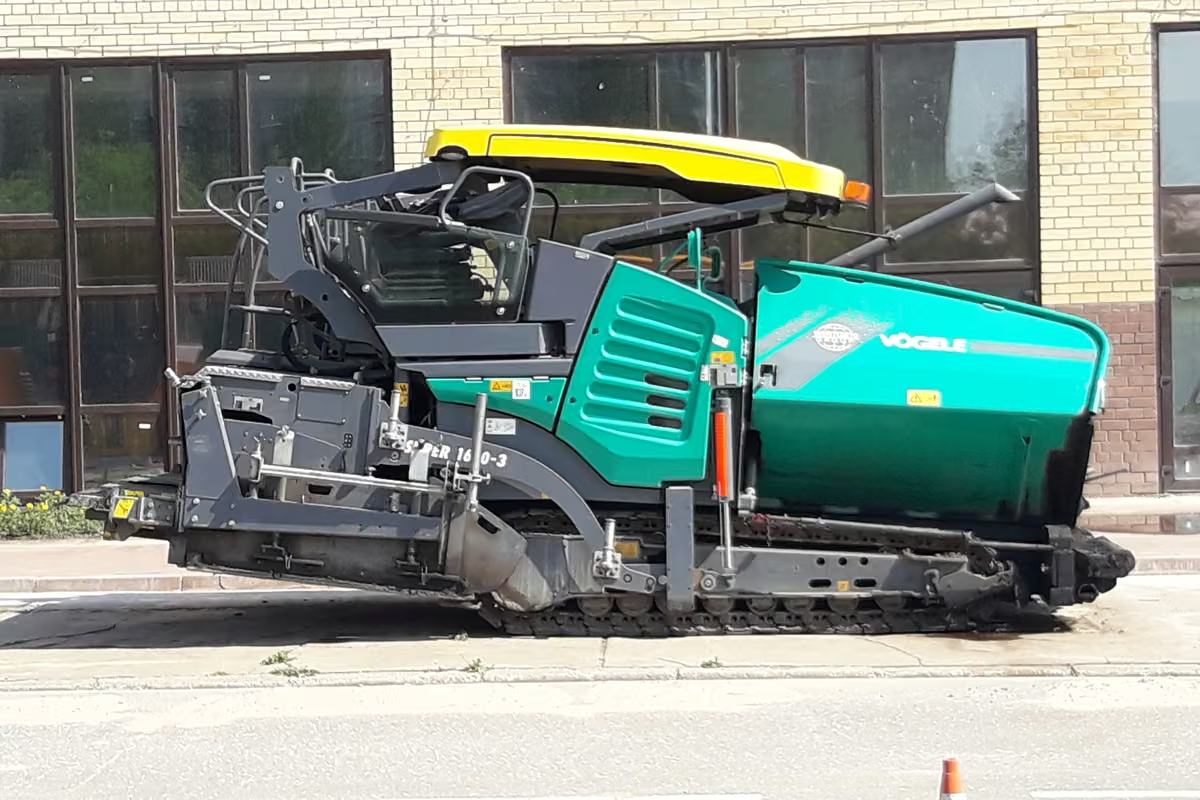
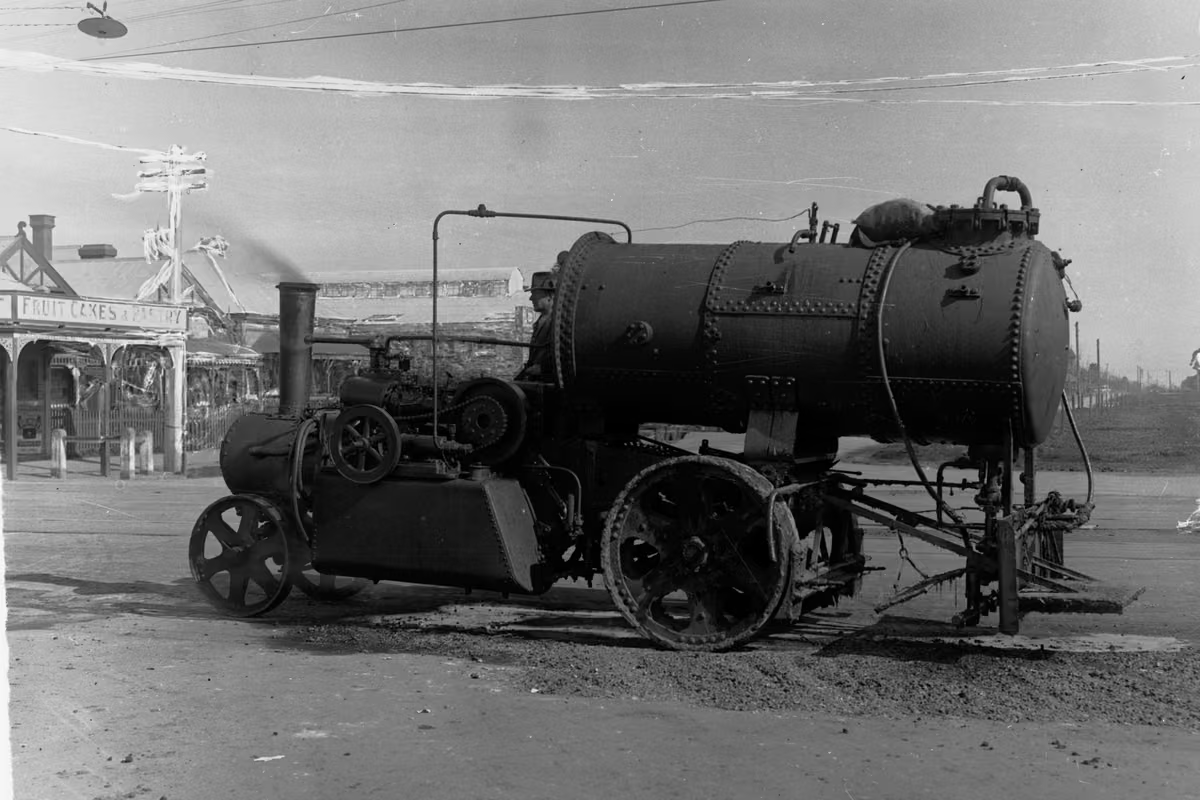

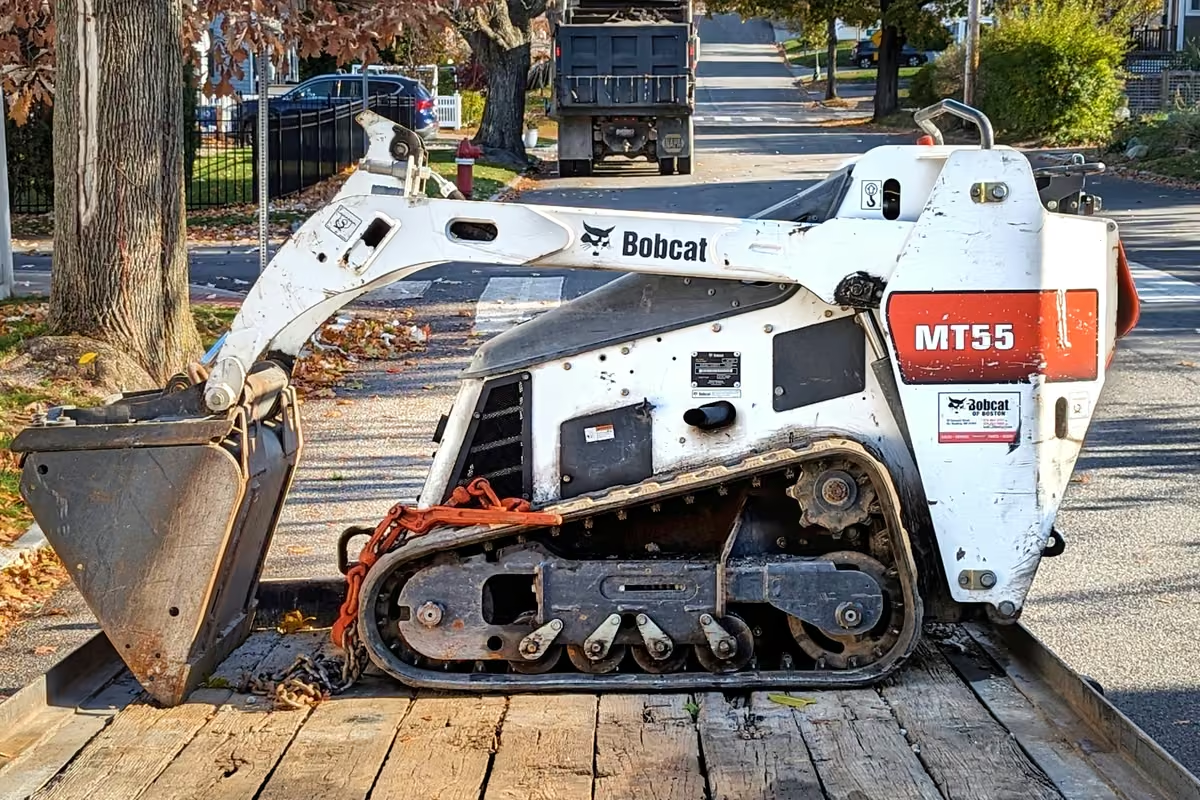
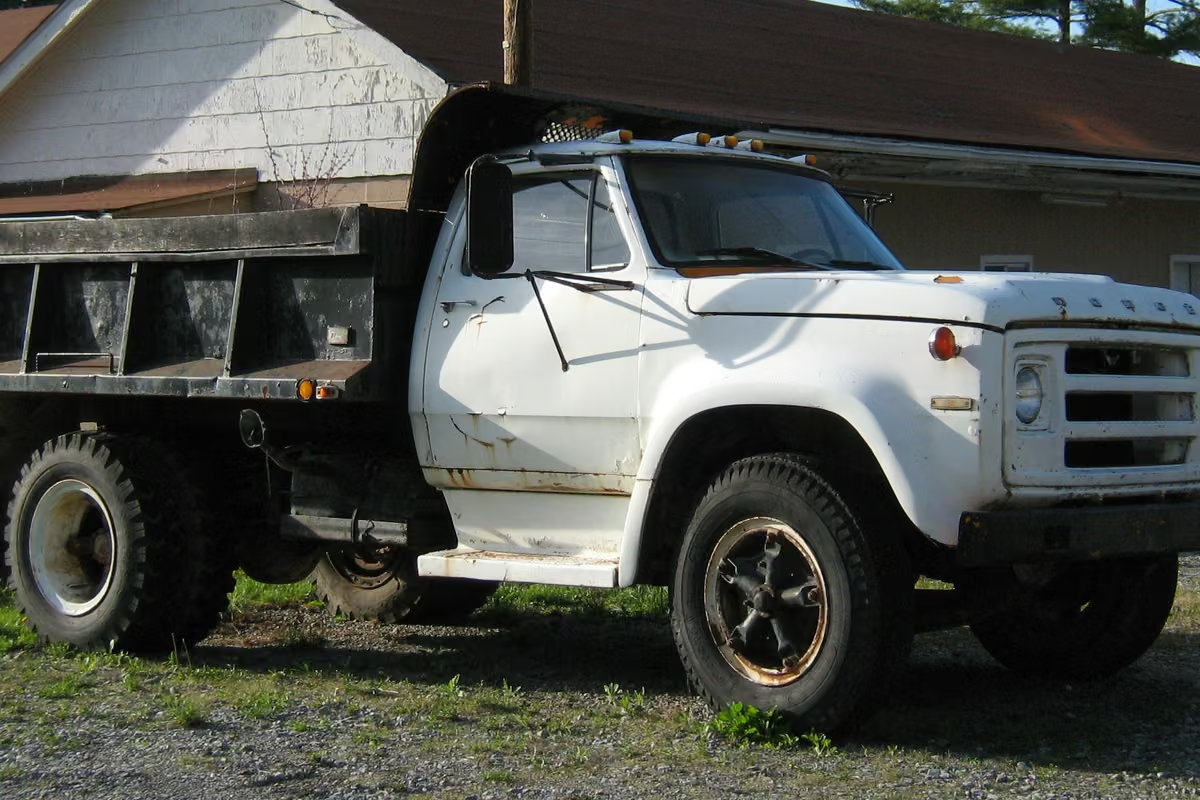
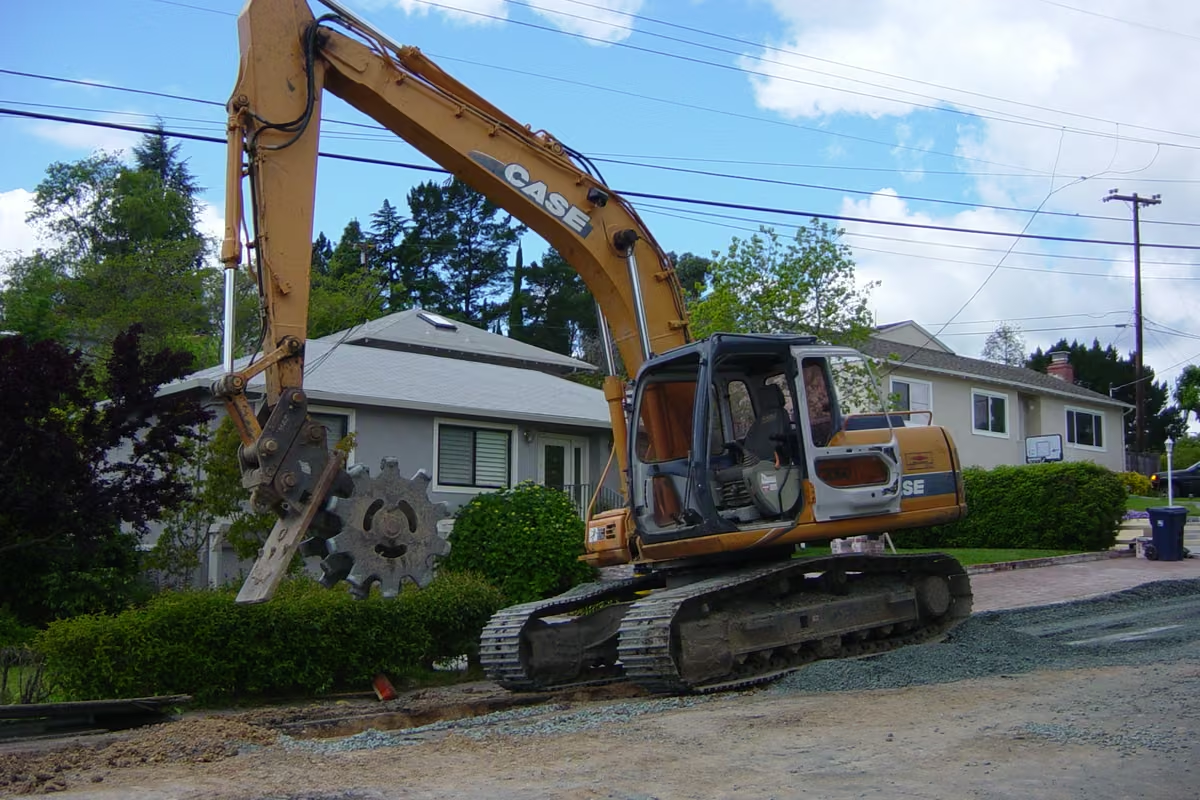
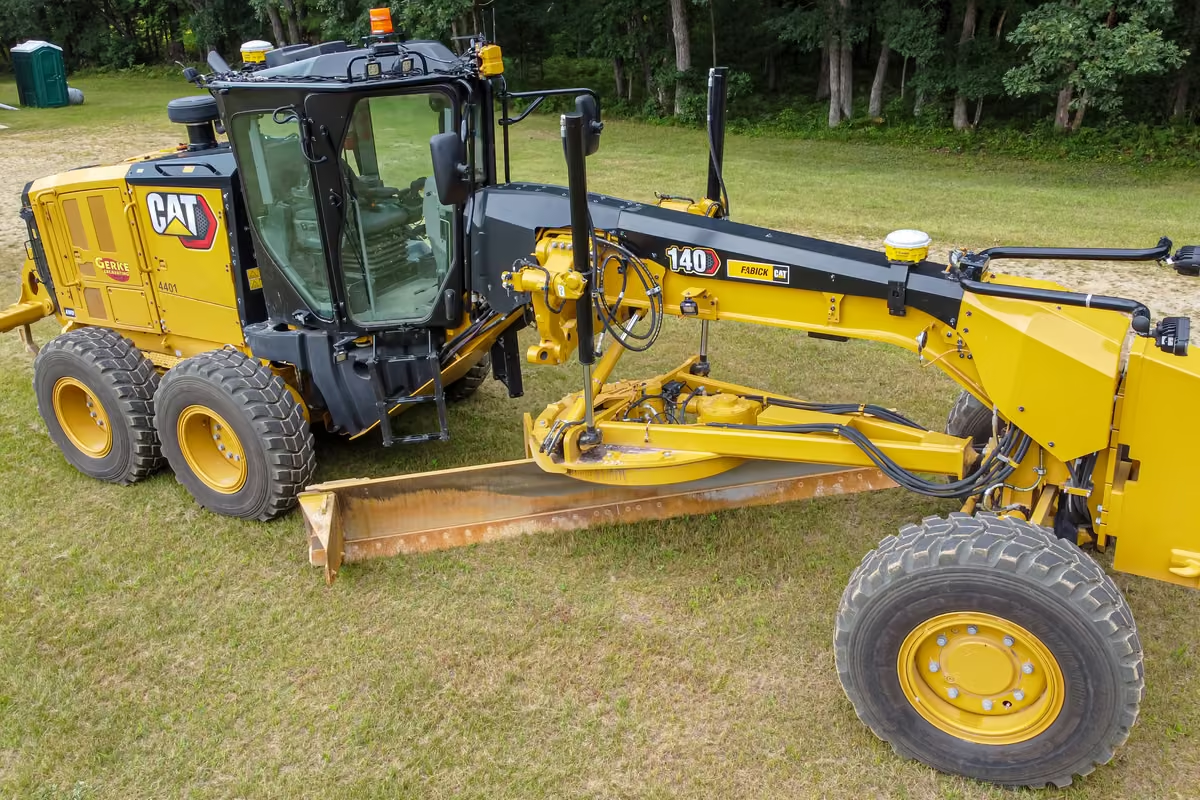
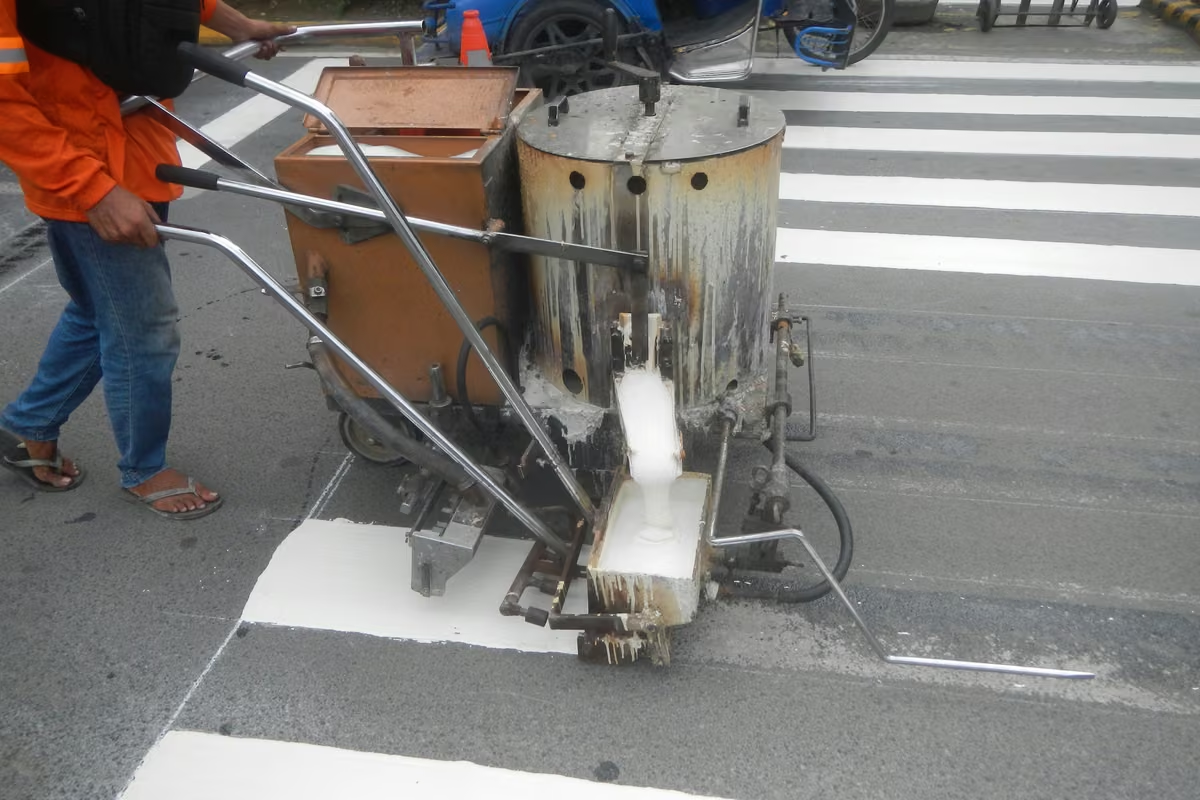
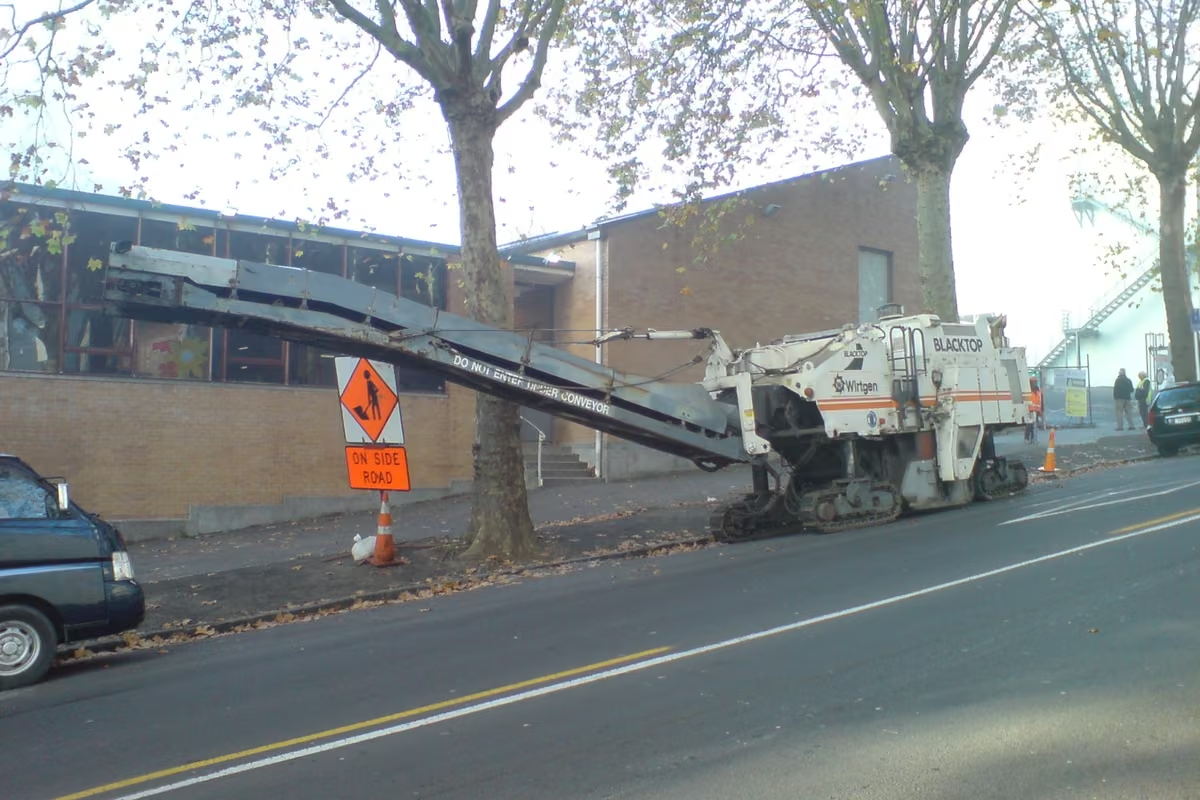
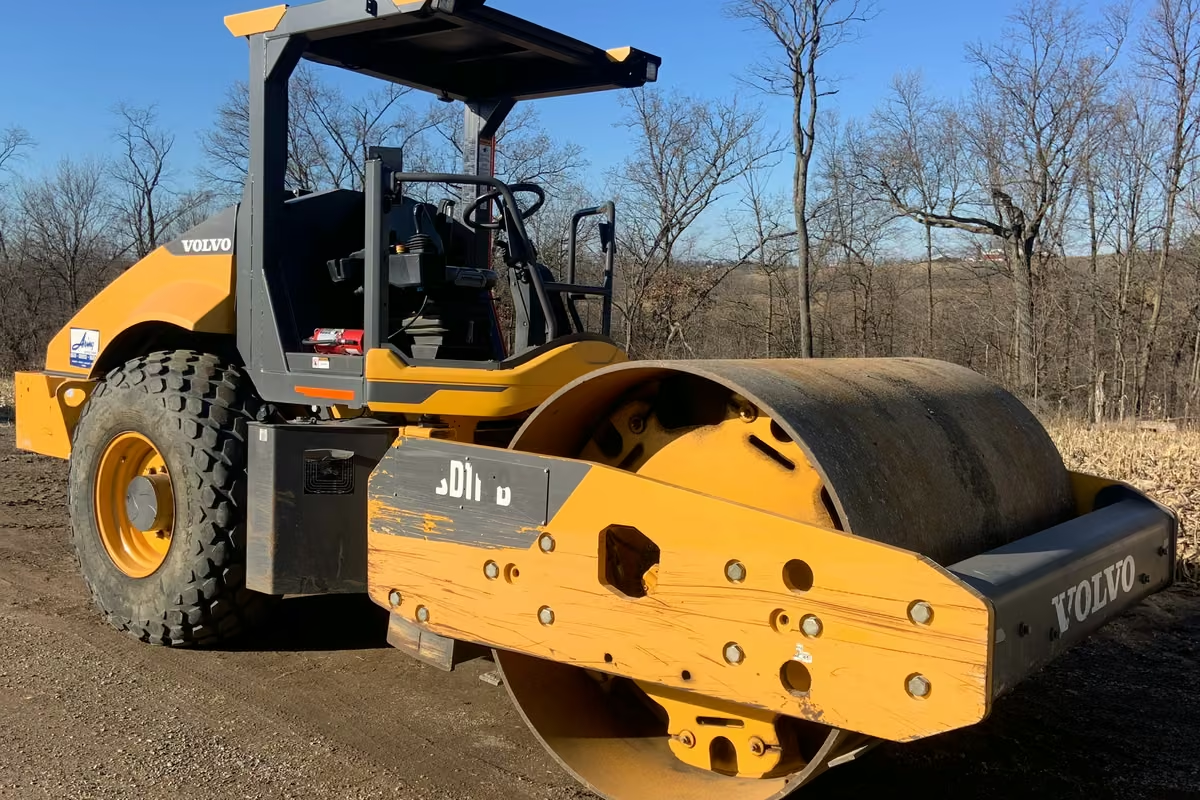
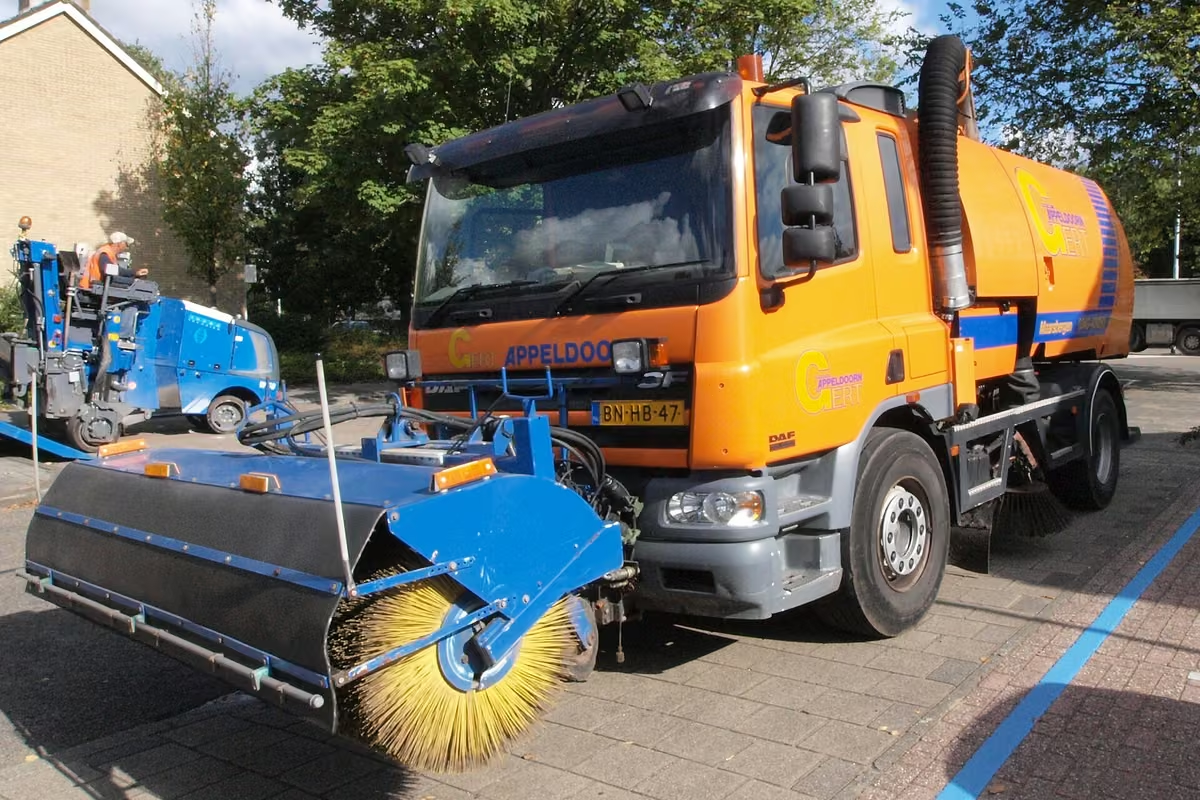
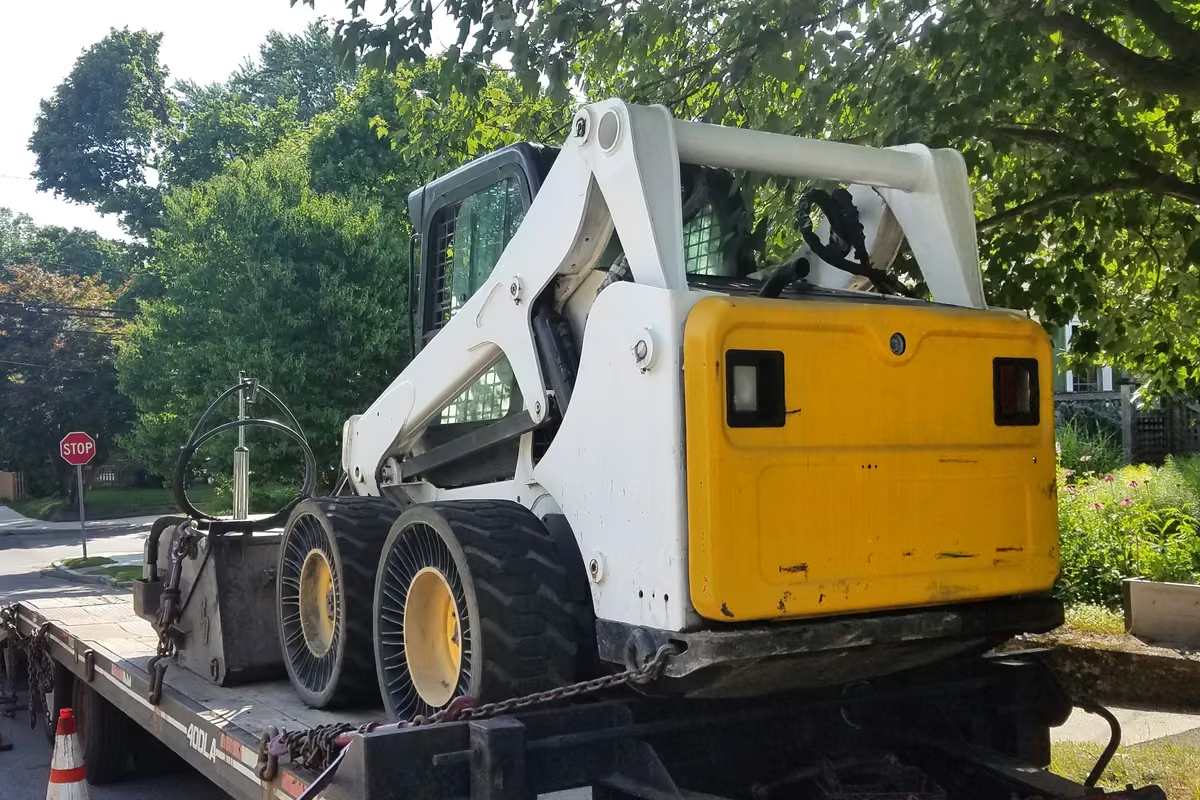
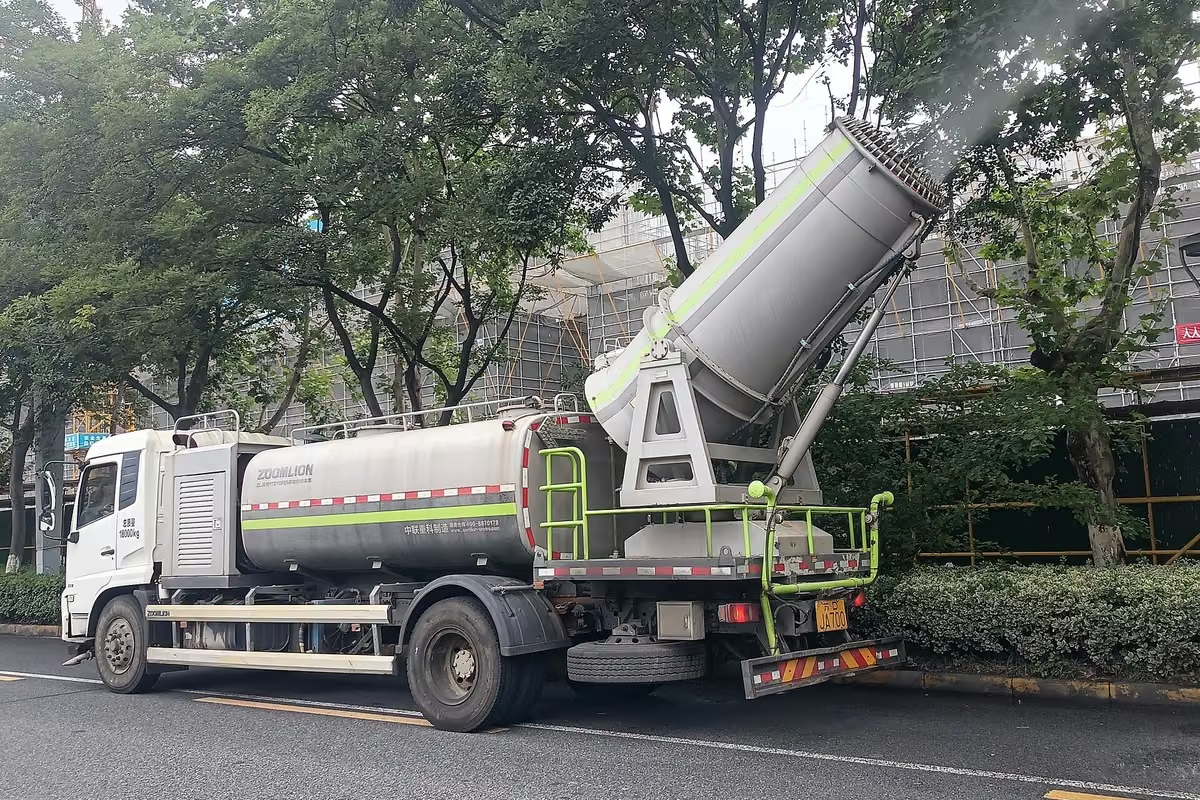
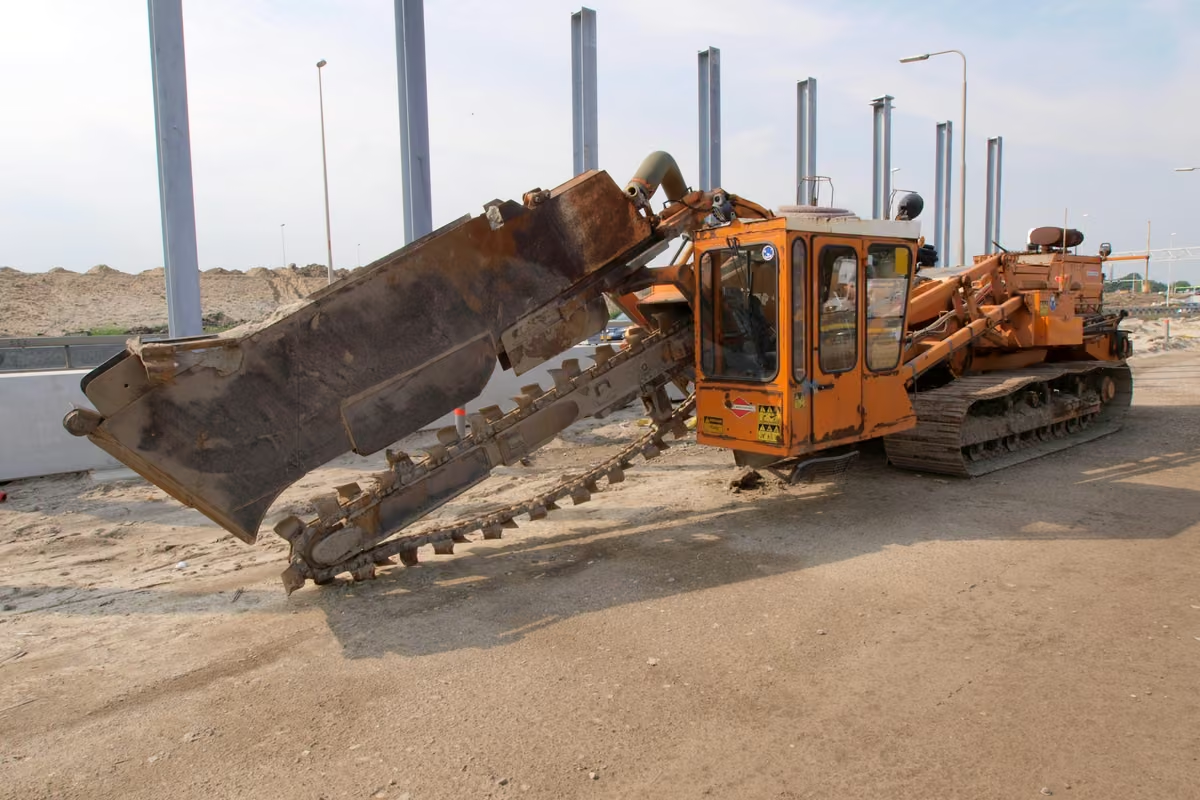
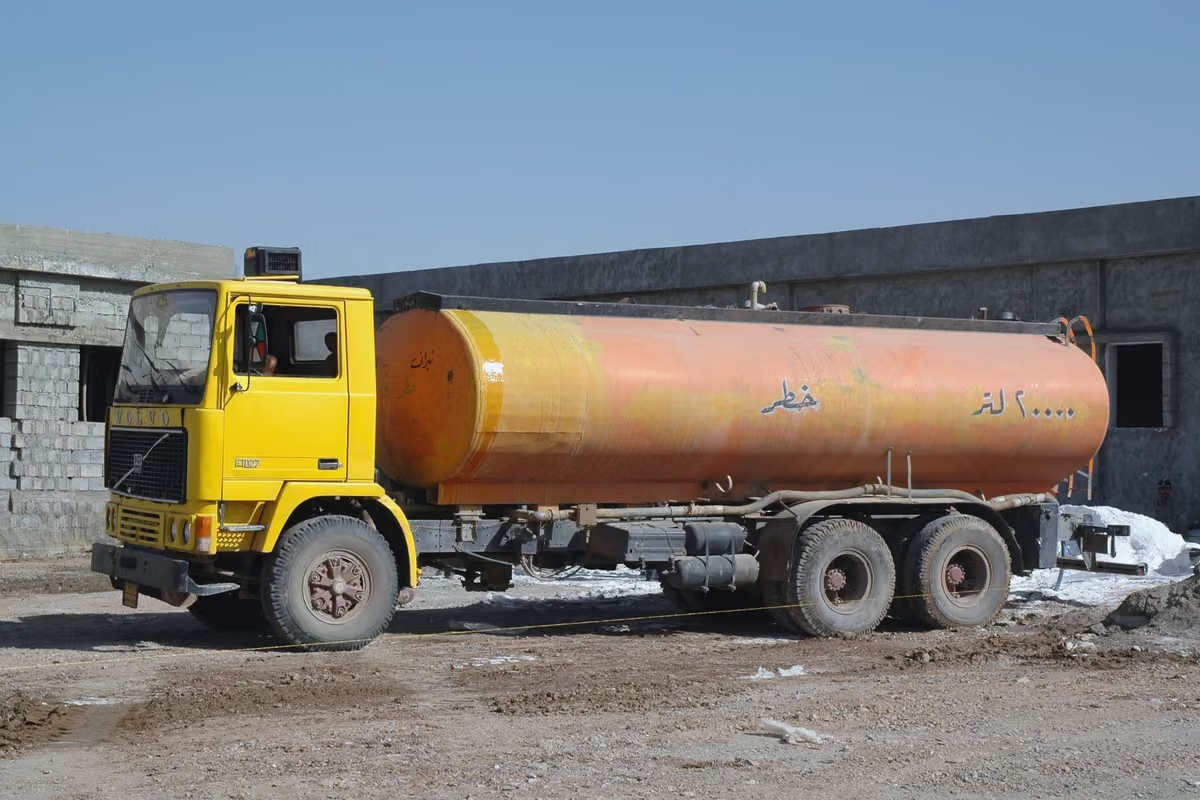
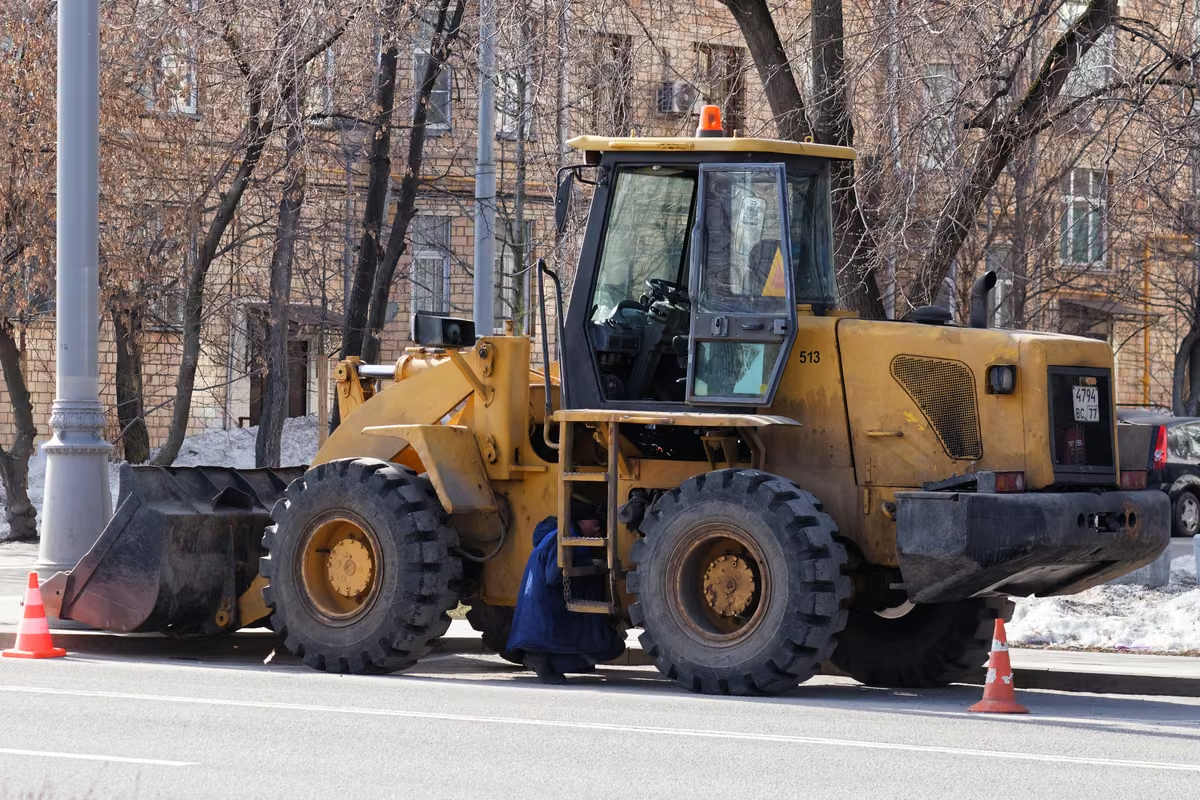
Manufacturers, body builders and plant dealers list road construction and earthmoving machines on Towobo, with capacities, engine data, working widths and shipping formats. Buyers can compare machines across sellers and request quotes for single units, fleet orders or complete road plant packages, adding the delivery port and terms they prefer.
Build or export road equipment? Open a store on Towobo and introduce your plants, loaders, sprayers and marking machines to contractors, municipalities and hire fleets planning road programs.
Key information for B2B buyers sourcing road & earthmoving machinery from global manufacturers.
Factory-direct orders typically start at 100–500 units. Wholesalers often accept 10–50 unit MOQs. Always confirm MOQ and price breaks in writing before placing a bulk order.
Request certificates relevant to your market: CE (EU), ISO 9001 (quality), RoHS (electronics), and UN38.3 (battery transport). Verify originals before payment.
Sample orders typically ship in 3–7 days. Production runs take 15–45 days depending on volume. Confirm Incoterms (FOB, CIF, EXW) and freight charges before signing.
Request physical samples before committing to bulk. Use Towobo's Payment Protection on all transactions. Compare at least 3 suppliers on price, lead time, and certifications.