
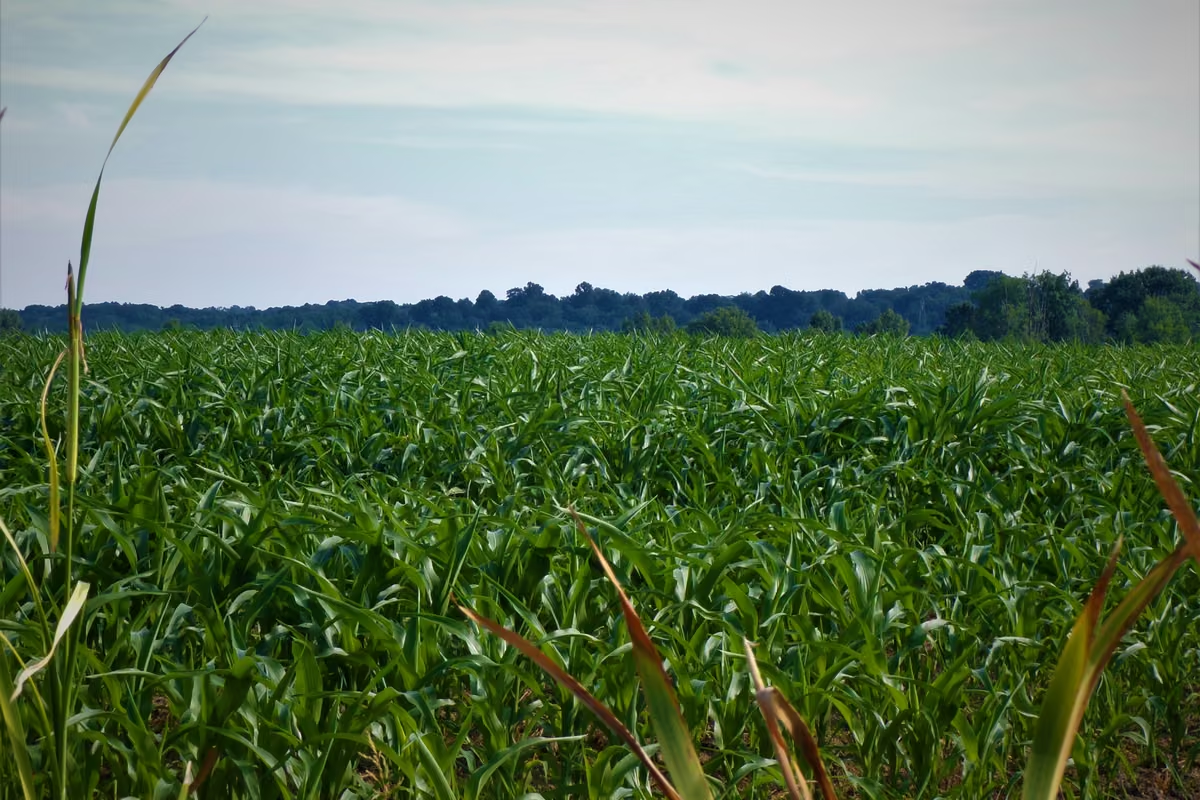
The Agriculture department covers what farms produce and what they need to produce it. On one side are raw commodities and fresh produce traded by growers, cooperatives and exporters; on the other are the seeds, fertilizers, tools, machinery and services that farmers, plantations and agribusinesses buy each season.
Buyers include millers, food processors, feed mills, importers and commodity traders, as well as farm owners, agro-dealers, plantation managers and government or development projects equipping growers. Typical trade involves phytosanitary certificates, quality inspection and terms such as FOB and CIF.
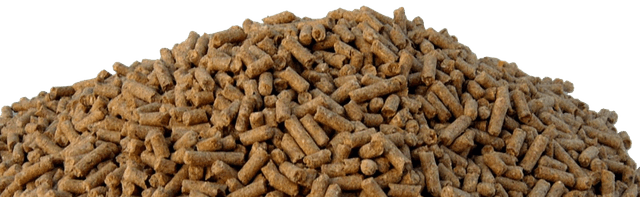
Compound Feeds and Feed Ingredients for Livestock and FishAnimal feed is a bulk business built on nutrient specifications. Every product in this category is ultimately bought for the energy, protein, fiber and minerals it adds to a ration, which lets buyers compare very different materials on the same basis.What the Category CoversCompound feeds by species: poultry and chicken feed, dairy and cattle feed, pig feed, fish and aquaculture feed, and equestrian feed, formulated for each stage of growth.Protein ingredients: soybean meal, fish meal, groundnut cake, cottonseed meal, palm kernel cake, corn gluten and DDGS, and insect protein such as mealworm.Energy and by-products: wheat bran, rice bran and feed molasses from milling and sugar processing.Forages: hay, alfalfa and silage for ruminants and horses.Minerals and additives: feed grade limestone, vitamin and mineral premixes, enzymes and other additives.How Buyers Compare ProductsLivestock farms usually buy complete feeds or concentrates, while feed mills and large integrators buy ingredients and formulate their own. Buyers compare crude protein, fat, fiber, moisture and ash, along with energy values and, for some species, amino acids. Mycotoxin limits, especially aflatoxin, are central to quality control, and supplier certification under schemes such as GMP+ or FAMI-QS for additives gives extra assurance. Feed registration and permitted additives vary by country, so check the import rules required in your market.Who Supplies the TradeCompound feed mills, oilseed crushers, ethanol plants, flour and rice mills, fish meal factories and premix manufacturers all sell into this category. Products move in 25 to 50 kg bags, big bags, bulk trucks and, for meals, bulk vessels.
Featured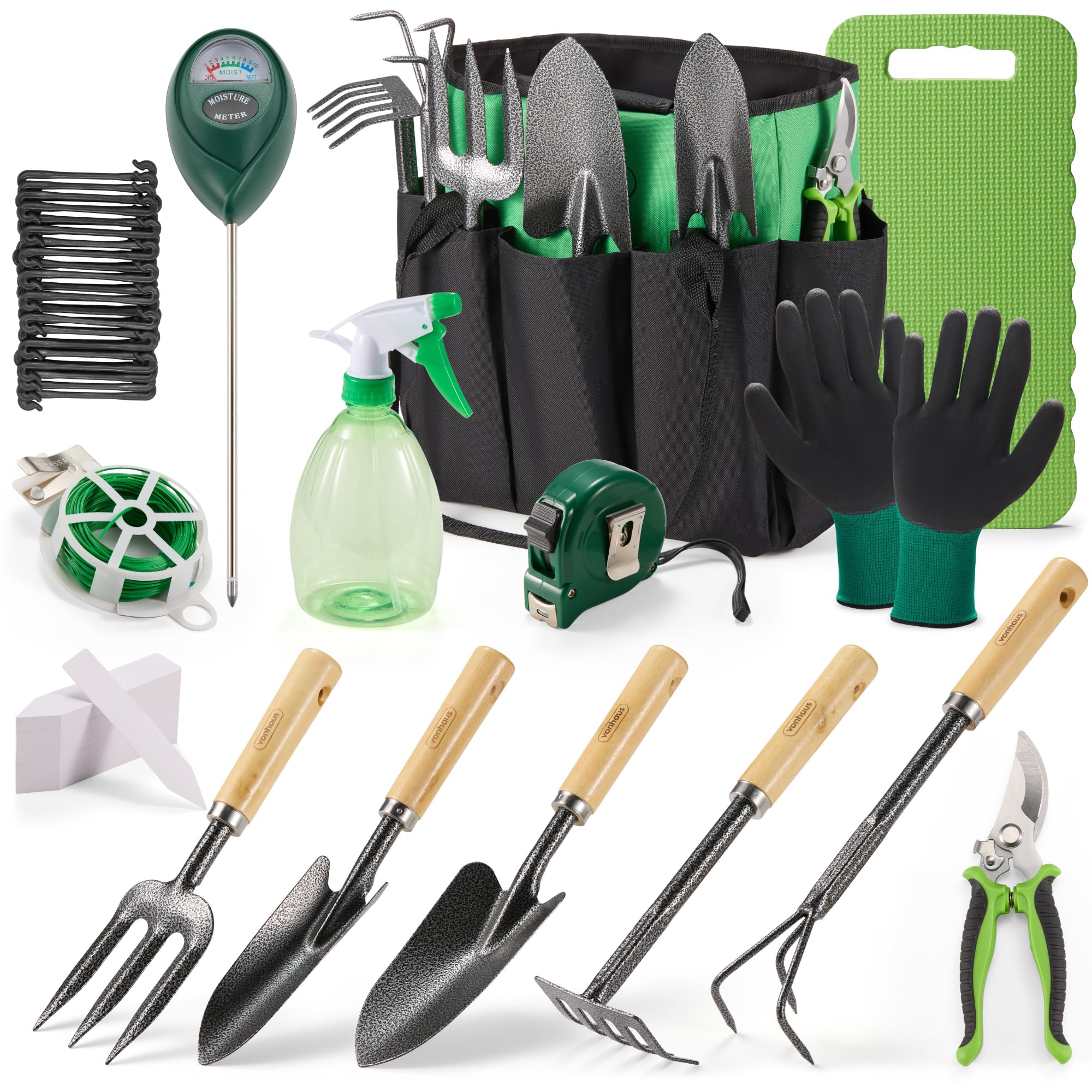
Hand Tools and Equipment for Field and GardenThis category covers the manual tools that smallholders, plantations, landscapers and home gardeners rely on every day. It is a staple line for agro-dealers, hardware wholesalers and garden centers, and for government and NGO programs supplying farm input kits.Main Product TypesHoes, machetes and cutlasses, sickles and pickaxes: forged or stamped steel heads for weeding, clearing and breaking ground.Shovels, spades, garden forks and rakes: digging and leveling tools with wooden, fiberglass or steel handles.Wheelbarrows: single or twin wheel, steel or poly trays, for carrying soil, feed and harvest.Knapsack sprayers: manual pump or battery-powered, typically 16 to 20 liters, for crop protection.Pruning tools and pruning shears: secateurs, loppers and pruning saws for orchards and vines.Irrigation kits, watering cans and garden hoses and reels: from drip kits for small plots to domestic watering.Hand trowels and hand seed planters: for nurseries, vegetable beds and precise sowing.Steel, Patterns and HandlesSteel grade and heat treatment decide how long a blade or head lasts. Buyers in African and South Asian markets often need regional head patterns and weights, so a hoe or cutlass sold in one country may not suit another. Handle fixing, coating and packing per carton also matter for resale.Who Supplies the TradeForges and tool factories make heads and complete tools, while plastics molders supply sprayers, cans and trays. Trading companies assemble mixed containers, which suits importers who want several tool types in one shipment. Many suppliers accept private branding on handles and packaging.
Featured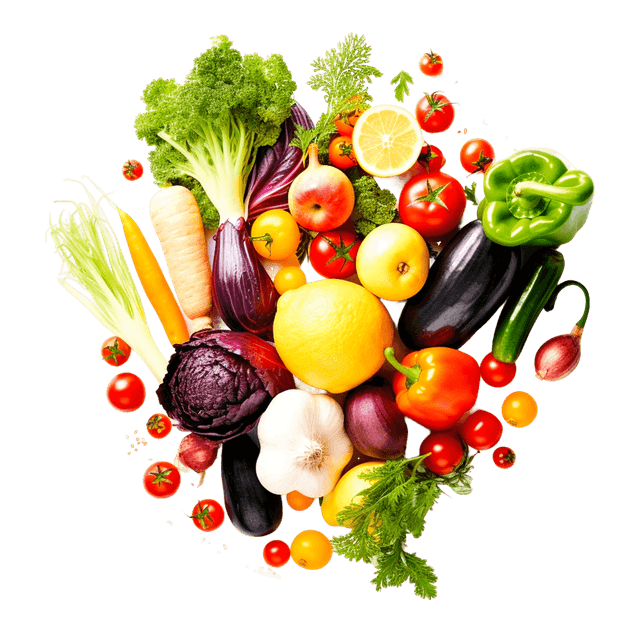
Fresh Produce for Importers, Retailers and ProcessorsThis category covers fresh vegetables and fruit traded by the carton, pallet and container. It runs from storage crops such as onions, garlic and ginger that travel well by sea, to delicate leafy greens and berries that need a tight cold chain and short transit times.Product typesVegetables: tomatoes, onions, peppers, garlic, ginger, cabbage, lettuce and leafy greens, cucumbers, aubergines, broccoli and cauliflower.Tropical fruit: bananas and plantains, mangoes, pineapples, avocados and fresh coconuts, largely from equatorial and subtropical growers.Temperate fruit: apples, grapes, citrus, berries, stone fruit, watermelons and melons, each with a defined season in each hemisphere.How buyers chooseProduce is bought by variety, size class, quality class and pack. Many markets refer to the UNECE marketing standards or Codex standards for fresh produce, where Extra Class, Class I and Class II define the defects permitted. Retail buyers usually require GlobalG.A.P. or an equivalent farm assurance scheme, residue testing and full traceability, while processors buying for sauces, juice or fresh-cut lines may accept lower classes at lower prices.Who supplies the tradeSupply comes from farms and growers' cooperatives, packhouses that grade, cool and pack, exporters who consolidate loads and arrange shipping, and importers and wholesale market traders at destination. Seasonality drives sourcing: buyers often switch origins across the year, for example between Northern and Southern Hemisphere apple or citrus suppliers, to keep shelves stocked without a gap. Organic, fair trade and residue-free programs are a growing part of the trade, each with its own certification. Air freight is used for the most perishable or highest-value lines.
Featured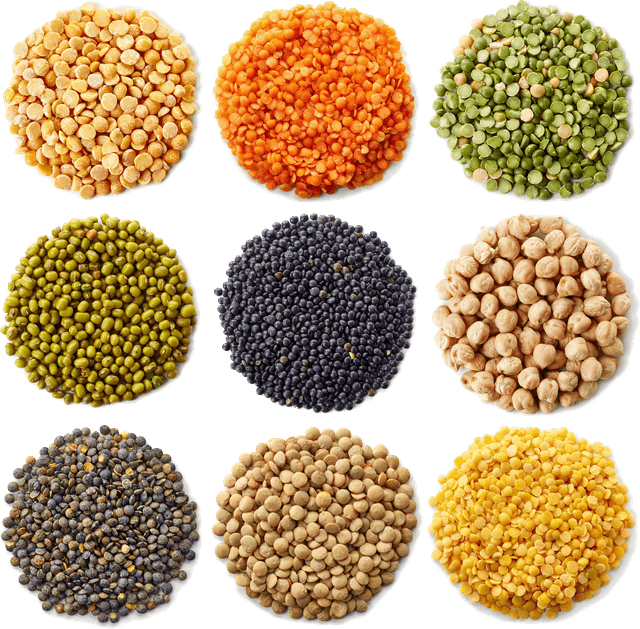
Cereals and Grains for Millers, Feed Mills and Food ProcessorsGrains move in vast volumes from farms and silos to millers, maltsters, feed compounders, breakfast cereal makers and food importers. This category covers the major cereals, the pseudo-cereals that are traded alongside them and soybeans, which share much of the same handling and logistics.Main grains in this categoryMaize (Corn) and Popcorn Kernels: yellow maize for feed, starch and ethanol; white maize for food; popcorn as a specialty.Wheat and Durum Wheat: milling wheat for bread and biscuits, durum for pasta and couscous.Rice, Rice Paddy and Broken Rice: milled rice in many varieties, paddy for mills and brokens for food and feed.Barley, Oats, Rye and Triticale: for malting, feed, flakes and rye breads.Sorghum, Millet, Teff and Fonio: drought-tolerant staples of Africa and Asia, increasingly sold as gluten-free grains.Quinoa and Buckwheat: pseudo-cereals for health food and gluten-free ranges.Soybeans: crushed for oil and meal or used in soy foods.How buyers chooseEnd use decides the specification. Millers look at protein, gluten strength, falling number and test weight; feed mills at moisture, energy and mycotoxin levels; food packers at cleanliness, grain size and color. GMO status matters for maize and soybeans in many markets. Contracts often follow GAFTA or similar terms, with independent inspection at loading.Who supplies the tradeLarge volumes come from the Americas, the Black Sea region, the European Union, Australia and Asia, handled by exporters, cooperatives and grain trading houses. Smaller processors and specialty growers supply organic, ancient and gluten-free grains in bags, while bulk commodities move by vessel or in 20 ft containers.
Featured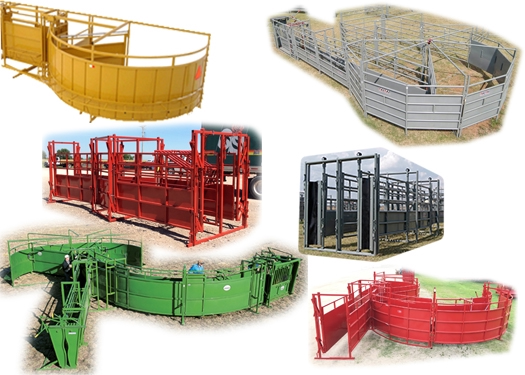
Equipment for Poultry, Dairy and Pig UnitsThis category brings together the hardware that turns a livestock enterprise into a working farm: housing, feeding and watering, hatching, milking, handling and weighing. Buyers range from smallholders and cooperatives to integrated poultry companies, dairy processors and agricultural dealers.Poultry SystemsPoultry cages: battery and H-type layer cages, broiler cages and pullet rearing cages.Feeders and drinkers: pan feeders, trough feeders, nipple and bell drinkers, manual or automatic.Incubators and hatchers, plus brooders and heating lamps for chicks.Egg trays in molded pulp or plastic, and poultry slaughter equipment such as killing cones, scalders and pluckers.Dairy and CattleMilking machines: bucket units for small herds through to pipeline parlors.Milk cooling tanks: stainless steel bulk tanks that chill milk to around 4 °C (39 °F).Cattle crushes and handling for treatment, foot trimming and loading, plus livestock weighing scales.Housing and PigsAnimal housing, livestock fencing and gates, water troughs and farrowing crates complete the range, serving pig, sheep, goat and cattle units. Farrowing crates protect piglets from being crushed by the sow, while galvanized steel gates and hurdles let farmers divide pens and move stock safely. Concrete, plastic and galvanized troughs are sized by herd and can be fitted with float valves to keep water topped up.How Buyers ChooseScale and climate drive the decision. Automated cage and drinker systems suit large layer houses with reliable power, while manual equipment fits smaller flocks. Hot-dip galvanizing matters in humid, ammonia-laden housing. Suppliers include specialist farm equipment factories, stainless fabricators and dealers that design and install complete houses.
FeaturedWhatever the product, compare agricultural suppliers on documented quality rather than description alone: ask for specifications, recent test reports, crop year or manufacturing date, and the certificates your market requires, such as phytosanitary, origin or organic. Check packaging, loading capacity per container, lead time and the inspection arrangements before shipment, and confirm who bears the cost if a lot fails inspection.
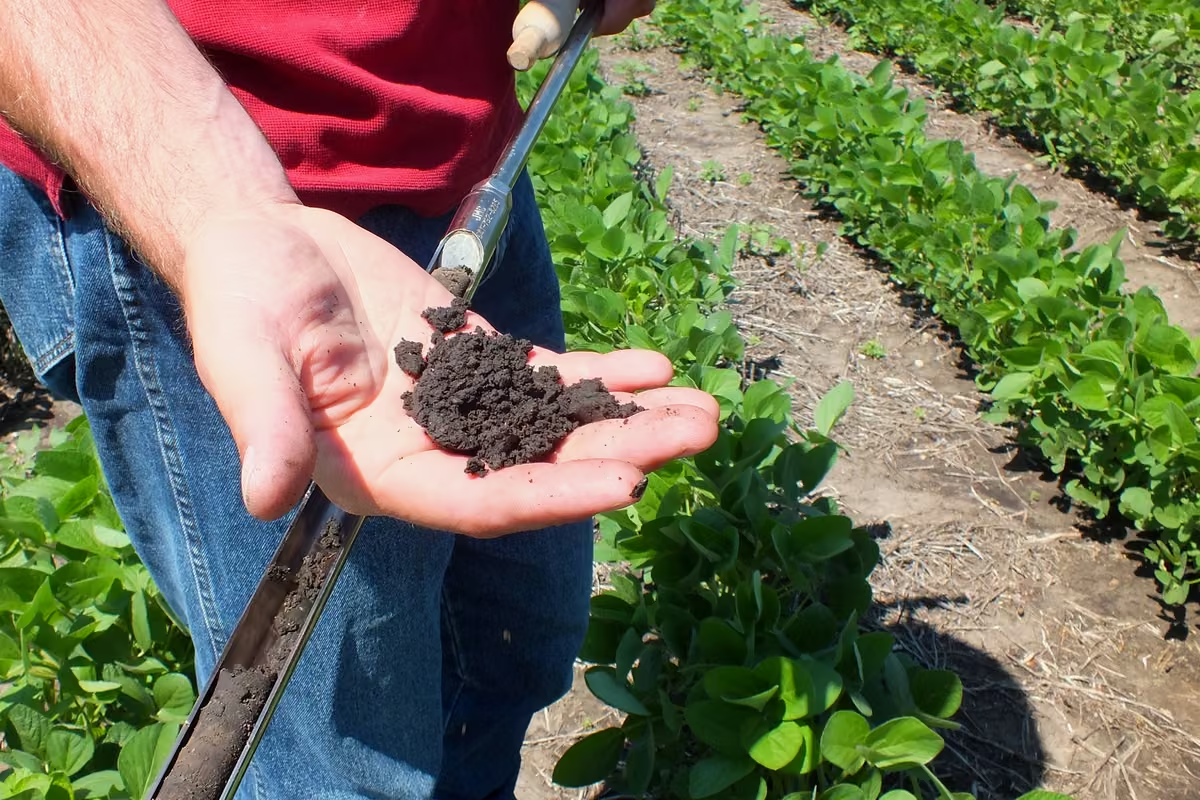
Services Behind Farming and Agricultural TradeNot everything bought in agriculture is a physical product. This category gathers the services that help investors, processors, importers and farmers grow, measure, certify, finance and source crops. Buyers range from a food company securing raw material to a landowner hiring a manager for a new estate.Services in the CategoryContract farming: agreements under which farmers grow to a buyer's specification for an agreed outlet.Agro export sourcing: agents who find, inspect and consolidate produce in origin countries.Farm management services: professional operation of farms on behalf of owners.Soil testing services: laboratory analysis of nutrients and soil properties for fertilizer planning.Crop consultancy: agronomy advice on varieties, nutrition, pests and irrigation.Agricultural drone services: spraying, mapping and crop monitoring by drone.Seed production services: multiplication of seed under contract for seed companies.Private label agro products: packing produce, fertilizers or inputs under the buyer's brand.Agro commodity brokerage: matching buyers and sellers of bulk commodities.Farm mechanization services: hire of tractors and machinery for land preparation and harvest.Organic certification services: inspection and certification against organic standards.Crop insurance services: cover against yield or weather losses.Choosing a ProviderLook for proven experience in the specific crop and region, clear contracts with measurable deliverables, and appropriate licenses or accreditation where a service is regulated, such as laboratories, certifiers, drone operators, brokers and insurers. Providers range from independent agronomists and local contractors to accredited laboratories, certification bodies and international sourcing firms.
Compound Feeds and Feed Ingredients for Livestock and FishAnimal feed is a bulk business built on nutrient specifications. Every product in this category is ultimately bought for the energy, protein, fiber and minerals it adds to a ration, which lets buyers compare very different materials on the same basis.What the Category CoversCompound feeds by species: poultry and chicken feed, dairy and cattle feed, pig feed, fish and aquaculture feed, and equestrian feed, formulated for each stage of growth.Protein ingredients: soybean meal, fish meal, groundnut cake, cottonseed meal, palm kernel cake, corn gluten and DDGS, and insect protein such as mealworm.Energy and by-products: wheat bran, rice bran and feed molasses from milling and sugar processing.Forages: hay, alfalfa and silage for ruminants and horses.Minerals and additives: feed grade limestone, vitamin and mineral premixes, enzymes and other additives.How Buyers Compare ProductsLivestock farms usually buy complete feeds or concentrates, while feed mills and large integrators buy ingredients and formulate their own. Buyers compare crude protein, fat, fiber, moisture and ash, along with energy values and, for some species, amino acids. Mycotoxin limits, especially aflatoxin, are central to quality control, and supplier certification under schemes such as GMP+ or FAMI-QS for additives gives extra assurance. Feed registration and permitted additives vary by country, so check the import rules required in your market.Who Supplies the TradeCompound feed mills, oilseed crushers, ethanol plants, flour and rice mills, fish meal factories and premix manufacturers all sell into this category. Products move in 25 to 50 kg bags, big bags, bulk trucks and, for meals, bulk vessels.
Featured
Equipment and Inputs for Fish and Shrimp FarmsAquaculture supplies cover the equipment and consumables used to breed, grow and harvest fish, shrimp and other aquatic species. The category serves pond farms, tank and recirculating systems, cage farms in lakes and the sea, and the hatcheries that supply them all with seed.Main Product TypesFish hatchery equipment: incubators, hatching jars, larval tanks and broodstock systems for producing fry and fingerlings.Aquaculture cages: floating and submersible net pens for lakes, reservoirs and coastal waters.Fish pond liners: HDPE and other geomembranes that seal ponds and tanks.Fish pond aerators: paddlewheels, aspirators and diffusers that keep dissolved oxygen up.Shrimp feed: formulated pellets and crumbles for each stage of shrimp growth.Fish harvesting nets: seine nets, cast nets and dip nets for grading and harvest.Water quality test kits: tests and meters for oxygen, ammonia, nitrite, pH and salinity.How Buyers ChooseSpecies and production system decide most purchases. Tilapia and catfish in earthen ponds need liners or well-built banks, aeration and sorting nets. Salmonids and marine fish favor cages or recirculating tanks. Shrimp farms depend on aeration, feed and close water monitoring. Stocking density sets how much aeration and testing a farm needs.Who Supplies the TradeEquipment manufacturers, net makers, geomembrane producers and feed mills sell through aquaculture dealers and directly to large farms. Project contractors design and build complete farms, supplying ponds or tanks, aeration, hatchery and training. Feed and live inputs cross borders under animal health and feed rules, so check the import requirements in your market.

Equipment and Products for the Apiary TradeThis category brings together the hardware a beekeeper uses to keep colonies and harvest honey, and the hive products other than honey that apiaries sell on. Buyers range from beekeeping shops and cooperatives to commercial honey producers, cosmetics makers and food manufacturers.Hive and harvesting equipmentBeehives: Langstroth, Dadant, top-bar and other designs, sold as boxes, frames and complete kits.Honey extractors: manual and electric centrifuges, tangential or radial.Honey strainers: mesh filters that take wax and debris out of extracted honey.Beeswax foundation sheets: embossed wax sheets that guide comb building.Queen excluders: grids that keep the queen out of honey supers.Protective gear and hand toolsBee suits and veils: full suits, jackets and hats in cotton or ventilated mesh.Bee smokers: stainless steel or tinned canisters with bellows.Beekeeping tools: hive tools, frame grips, uncapping knives and forks, bee brushes.Hive productsRaw beeswax: blocks and pellets for candles, cosmetics and foundation.Propolis: raw resin and extracts for food supplement and cosmetic makers.Royal jelly: fresh, frozen or freeze-dried, for supplement and cosmetic use.Bee pollen: dried granules sold to food and health food packers.Equipment buyers choose by hive standard first, because frames, foundation and excluders must match the hive in use. Product buyers focus on origin, purity testing and residue analysis. Suppliers include woodworking and metalwork factories, specialist beekeeping manufacturers, and apiaries or exporters that collect hive products from many beekeepers.
Raw Farm Materials That Feed Mills, Gins and FactoriesThis category gathers the crops grown mainly for sale to processors rather than for direct eating. Most leave the farm as a raw material: a fiber to be spun or pressed, a gum or latex to be cleaned and graded, or a harvest that must reach a mill or factory before it spoils.The Product TypesRaw Cotton, Sisal Fiber, Kenaf and Hemp Fiber: natural fibers for yarn, twine, nonwovens, composites and pulp, sold in pressed bales by grade.Field Latex: fresh rubber latex tapped from Hevea trees, sold to concentrate plants within days.Gum Arabic: dried acacia exudate, traded as lumps, kibbled pieces or spray-dried powder for food and pharmaceutical use.Raw Tea Leaves and Coffee Cherries: freshly picked leaf and fruit bought by tea factories, washing stations and pulperies.Sugarcane and Sugar Beet: delivered by the metric ton to sugar and ethanol mills and paid on sugar content.Palm Fruit Bunches and Cocoa Pods: harvests that go straight to palm oil mills or fermentaries.How Buyers ChooseShelf life drives most decisions here. Lint, sisal, hemp and gum arabic store well and cross oceans in containers, so buyers compare grade, origin and contract terms. Tea leaf, cane, palm bunches and cherries lose value within hours or days, so they are bought from growers close to the processing plant, often under seasonal supply agreements that set quality deductions.Who Supplies the TradeSellers range from smallholder cooperatives and outgrower schemes to estates, ginneries, decortication units and export traders. Fiber and gum buyers usually ask for a grade certificate and inspection, while factories sourcing perishable crops focus on delivery schedules, harvest volumes and how quality will be measured at the weighbridge.
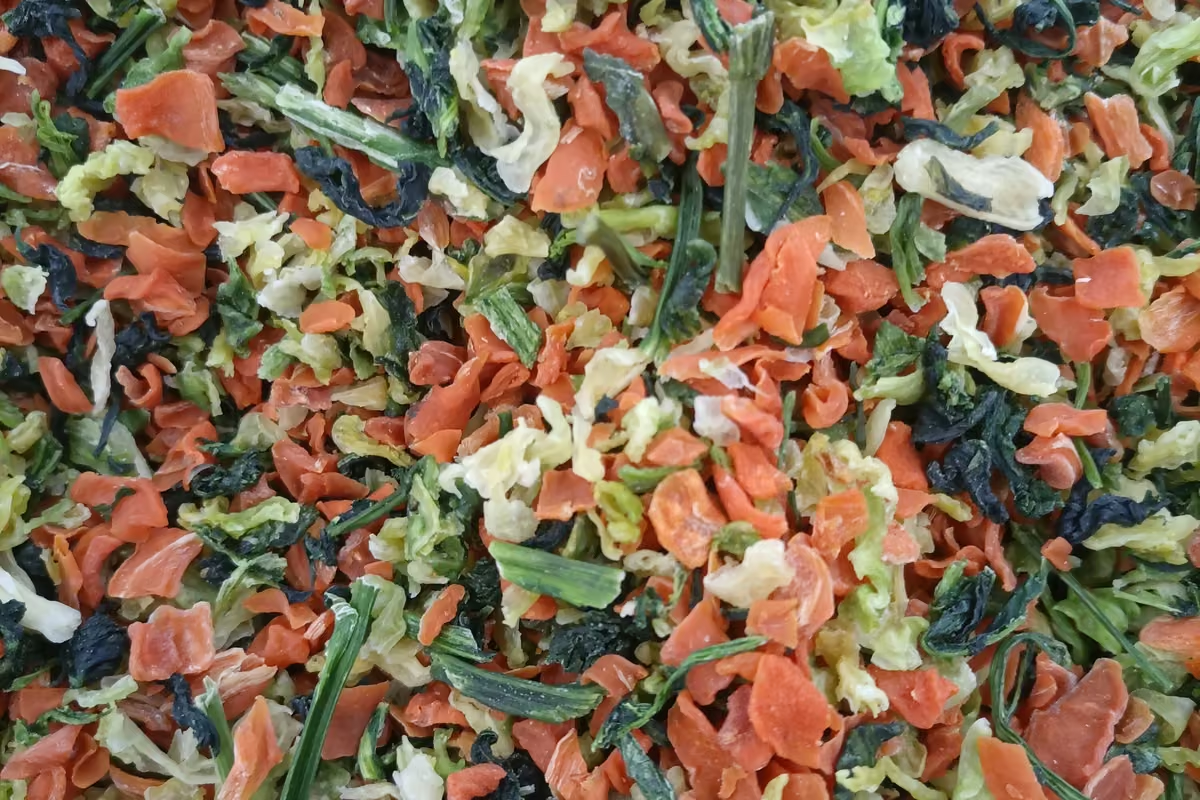
Shelf-Stable Fruit and Vegetable IngredientsThis category brings together produce that has been dried, dehydrated or processed so it can travel long distances and keep for months. It supplies snack packers, bakeries, cereal and trail-mix makers, spice blenders, soup and ready-meal factories, juice and dairy processors, and the oil milling trade.Product Types in the CategoryDried mangoes: sliced and dried tropical fruit sold as snacks or diced for cereals.Dried pineapples: rings, chunks and dice, natural or infused with sugar syrup.Dried apricots: whole or halved, sulphured for bright color or unsulphured and brown.Dried figs: natural sun-dried figs for retail, bakery and paste.Dried tomatoes: sun-dried halves for retail and food service, plus tomato powder and flakes.Onion and garlic flakes: dehydrated alliums in flakes, granules and powder for seasoning.Dehydrated vegetables: carrot, cabbage, peppers, peas and leeks for soups and noodles.Copra: dried coconut kernel, the raw material for coconut oil.Fruit pulp and puree: aseptic and frozen purees for beverages, yogurt and baby food.How Buyers ChooseThe drying method shapes the product: sun drying is low cost, hot-air drying gives consistency, and freeze drying keeps color and crunch at a higher price. Buyers then specify moisture, cut size, additives (sugar, sulfite, oil) and microbiological limits, and decide between conventional and organic supply.Supplier TypesGrower-processors in origin countries, dehydration plants, toll processors and importing packers all serve the trade. Larger buyers expect a food safety certification such as BRCGS, IFS or FSSC 22000, plus kosher or halal where needed.
Hand Tools and Equipment for Field and GardenThis category covers the manual tools that smallholders, plantations, landscapers and home gardeners rely on every day. It is a staple line for agro-dealers, hardware wholesalers and garden centers, and for government and NGO programs supplying farm input kits.Main Product TypesHoes, machetes and cutlasses, sickles and pickaxes: forged or stamped steel heads for weeding, clearing and breaking ground.Shovels, spades, garden forks and rakes: digging and leveling tools with wooden, fiberglass or steel handles.Wheelbarrows: single or twin wheel, steel or poly trays, for carrying soil, feed and harvest.Knapsack sprayers: manual pump or battery-powered, typically 16 to 20 liters, for crop protection.Pruning tools and pruning shears: secateurs, loppers and pruning saws for orchards and vines.Irrigation kits, watering cans and garden hoses and reels: from drip kits for small plots to domestic watering.Hand trowels and hand seed planters: for nurseries, vegetable beds and precise sowing.Steel, Patterns and HandlesSteel grade and heat treatment decide how long a blade or head lasts. Buyers in African and South Asian markets often need regional head patterns and weights, so a hoe or cutlass sold in one country may not suit another. Handle fixing, coating and packing per carton also matter for resale.Who Supplies the TradeForges and tool factories make heads and complete tools, while plastics molders supply sprayers, cans and trays. Trading companies assemble mixed containers, which suits importers who want several tool types in one shipment. Many suppliers accept private branding on handles and packaging.
Featured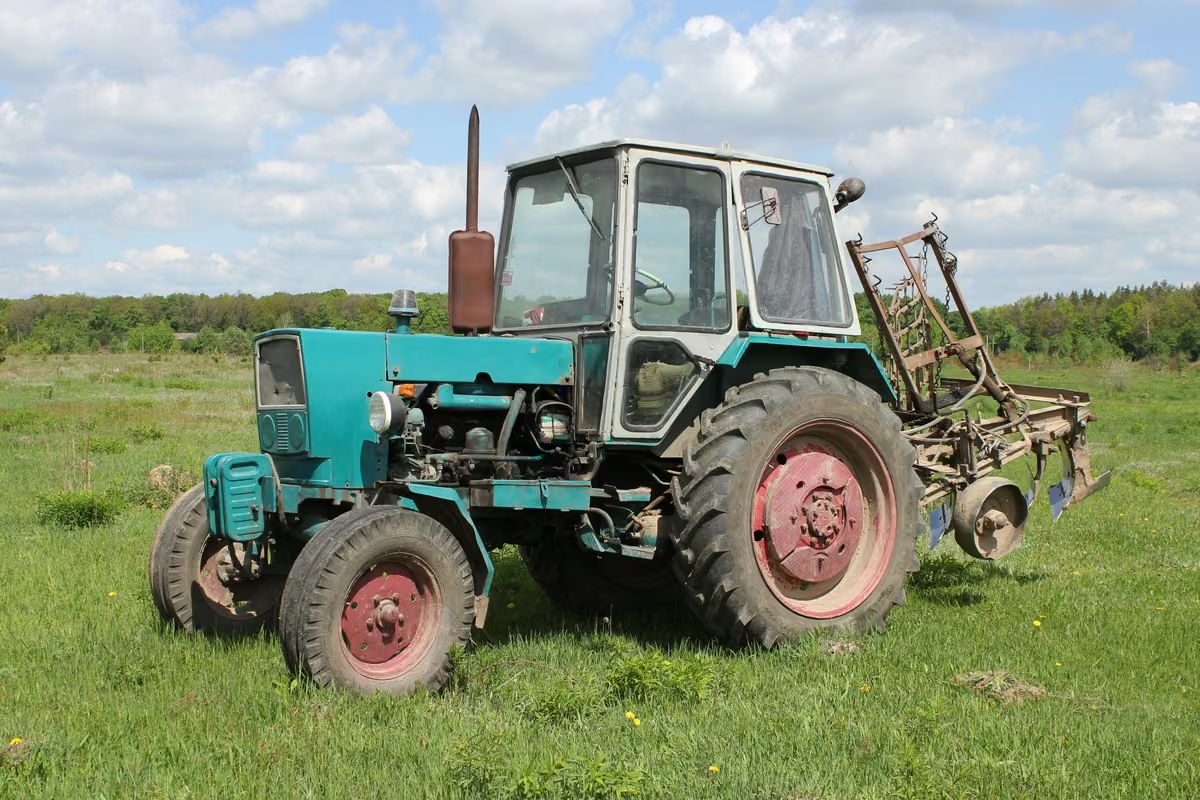
Implements and Parts That Keep Farm Machinery WorkingThis category covers the equipment a tractor pulls or carries, and the replacement parts that keep tractors, harvesters and smaller machines in the field. Buyers include machinery dealers, spare parts distributors, cooperatives, contractors and large farms, and many orders mix implements with fast-moving wear parts.ImplementsTractor implements: the broad family of three-point linkage and drawbar equipment, from rotavators to mowers.Plows and harrows: primary and secondary tillage, including mouldboard and disc plows and disc or tine harrows.Seed drills: mechanical and pneumatic drills that place seed at set depth and spacing.Tractor-mounted sprayers: boom and mist-blower sprayers for crop protection.Farm trailers: tipping and flatbed trailers for grain, forage and general haulage.Spare partsTractor spare parts: engine, transmission, hydraulic and electrical parts.Harvester parts: knives, guards, belts, chains, concaves and sieves for combines.Hand tractor parts: components for two-wheel walking tractors and power tillers.Rice transplanter parts: planting claws, floats and drive parts for walk-behind and riding transplanters.How buyers chooseFor implements, the deciding factors are tractor horsepower, linkage category, working width and soil type. For parts, buyers work from the machine make, model and part number, and choose between original, approved and aftermarket parts. Suppliers range from implement factories and forging plants to specialist parts distributors. Large producing regions include India, China, Turkey and Europe, and much of the trade moves in mixed containers. Check the import rules and safety marking required for machinery in your market.
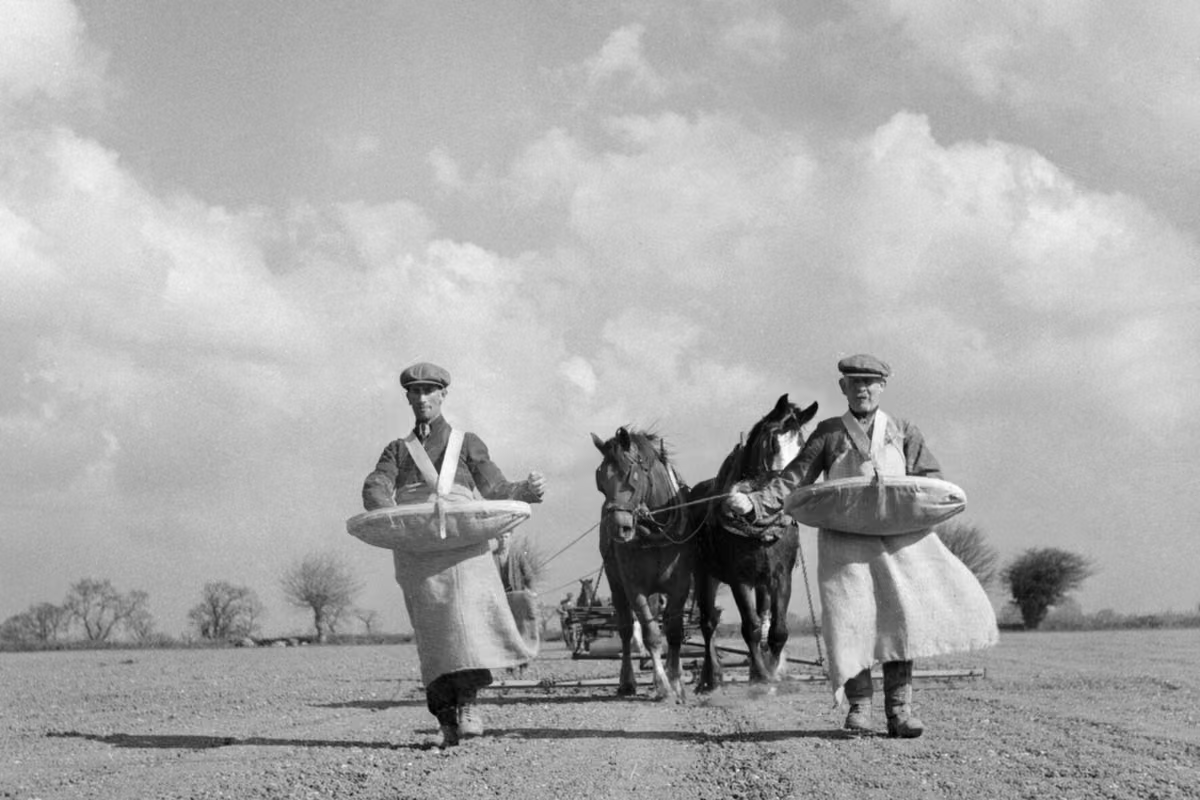
Crop Nutrition and Soil Inputs for AgricultureThis category covers the products that supply nitrogen, phosphorus, potassium and other nutrients to crops, together with the organic matter and amendments that improve soil itself. Buyers range from national importers and blending plants to agro-dealers, plantations, greenhouse growers and landscapers.Product TypesUrea - 46% nitrogen, the most widely traded straight nitrogen fertilizer.Ammonium Sulfate - nitrogen with sulfur, suited to sulfur-hungry crops.DAP Fertilizers - diammonium phosphate, a leading phosphate source.Potash Fertilizers - potassium chloride and sulfate of potash.NPK Fertilizers - compound or blended products carrying all three main nutrients.Water-Soluble Fertilizers - fully soluble grades for fertigation and foliar feeding.Liquid Fertilizers - solutions and suspensions applied by sprayer or drip.Micronutrient Fertilizers - zinc, boron, iron, manganese and chelates.Biostimulants - seaweed extracts, humic substances, amino acids and microbial products.Organic Fertilizers & Compost - manures, composts and processed organic materials.Soil Conditioners - lime, gypsum and products that improve soil structure.How Buyers ChooseChoice starts with a soil test and the crop's needs: field crops on broad acres mostly use granular straights and NPK, while horticulture and greenhouses rely on soluble and liquid feeds. Price per unit of nutrient, not per metric ton, is the fair comparison between products.Who Supplies the TradeProducers in the Gulf, Russia, China, Morocco, Canada and Belarus dominate mineral fertilizer exports, alongside traders, local blenders and specialty formulators. Bulk vessels, 50 kg bags and one-metric ton jumbo bags are the usual formats. Specialty products such as soluble grades, chelates and biostimulants are more often sold in 25 kg bags, drums and IBCs by formulators in Europe, Israel, China and India, and a single importer may buy from both ends of the trade.
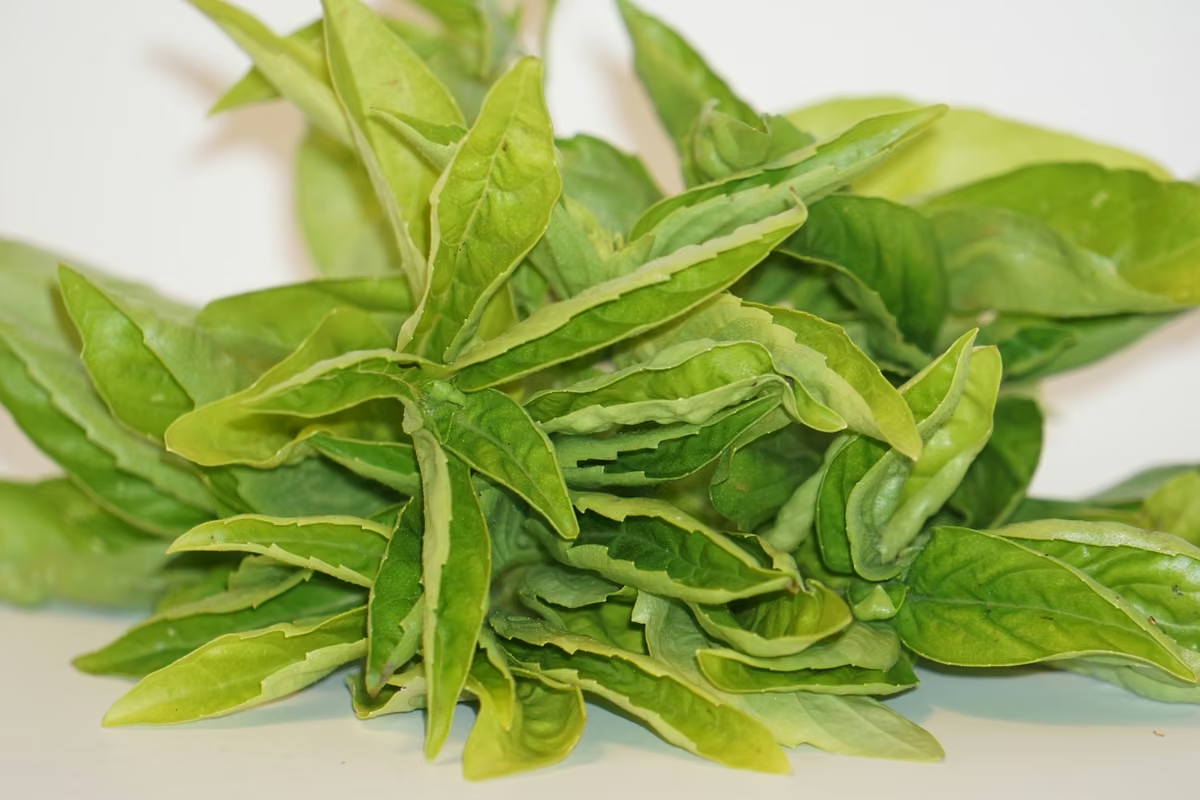
Perishable Herbs, Flowers and Live PlantsThis category brings together fresh produce sold on freshness and appearance: culinary herbs, cut flowers and foliage, live plants and bulbs, and fresh mushrooms with the spawn used to grow them. All of it depends on a fast, unbroken cold chain from grower to buyer.Product TypesFresh basil, mint, parsley and coriander: leafy herbs sold in bunches, clamshells or bulk cases to food service, retail and food manufacturers.Fresh lemongrass: a tropical stalk herb for Asian cuisine and beverages.Cut roses: the largest cut flower line, graded by stem length and head size.Cut foliage: leaves and greens such as ruscus, eucalyptus and leatherleaf fern for bouquets.Potted and ornamental plants: indoor and outdoor plants for garden centers, landscapers and interior designers.Flower bulbs: tulips, lilies and other dormant bulbs traded by size.Fresh mushrooms and mushroom spawn: cultivated mushrooms for the table and grain spawn for growers.Choosing Products and SuppliersBuyers decide on vase life or shelf life, grade and consistency, and on how quickly the product can reach them. Herbs and flowers from distant growers usually travel by air freight, while bulbs, plants and some mushrooms move in refrigerated containers. Suppliers range from farms and greenhouse growers to exporters that consolidate many growers, auction buyers and importers serving florists and caterers.Phytosanitary RequirementsLive plants, bulbs and cut flowers usually need a phytosanitary certificate, and some species are restricted. Fresh herbs and mushrooms fall under food safety rules. Check the import rules and certification required in your market before placing an order.
Fresh Produce for Importers, Retailers and ProcessorsThis category covers fresh vegetables and fruit traded by the carton, pallet and container. It runs from storage crops such as onions, garlic and ginger that travel well by sea, to delicate leafy greens and berries that need a tight cold chain and short transit times.Product typesVegetables: tomatoes, onions, peppers, garlic, ginger, cabbage, lettuce and leafy greens, cucumbers, aubergines, broccoli and cauliflower.Tropical fruit: bananas and plantains, mangoes, pineapples, avocados and fresh coconuts, largely from equatorial and subtropical growers.Temperate fruit: apples, grapes, citrus, berries, stone fruit, watermelons and melons, each with a defined season in each hemisphere.How buyers chooseProduce is bought by variety, size class, quality class and pack. Many markets refer to the UNECE marketing standards or Codex standards for fresh produce, where Extra Class, Class I and Class II define the defects permitted. Retail buyers usually require GlobalG.A.P. or an equivalent farm assurance scheme, residue testing and full traceability, while processors buying for sauces, juice or fresh-cut lines may accept lower classes at lower prices.Who supplies the tradeSupply comes from farms and growers' cooperatives, packhouses that grade, cool and pack, exporters who consolidate loads and arrange shipping, and importers and wholesale market traders at destination. Seasonality drives sourcing: buyers often switch origins across the year, for example between Northern and Southern Hemisphere apple or citrus suppliers, to keep shelves stocked without a gap. Organic, fair trade and residue-free programs are a growing part of the trade, each with its own certification. Air freight is used for the most perishable or highest-value lines.
FeaturedCereals and Grains for Millers, Feed Mills and Food ProcessorsGrains move in vast volumes from farms and silos to millers, maltsters, feed compounders, breakfast cereal makers and food importers. This category covers the major cereals, the pseudo-cereals that are traded alongside them and soybeans, which share much of the same handling and logistics.Main grains in this categoryMaize (Corn) and Popcorn Kernels: yellow maize for feed, starch and ethanol; white maize for food; popcorn as a specialty.Wheat and Durum Wheat: milling wheat for bread and biscuits, durum for pasta and couscous.Rice, Rice Paddy and Broken Rice: milled rice in many varieties, paddy for mills and brokens for food and feed.Barley, Oats, Rye and Triticale: for malting, feed, flakes and rye breads.Sorghum, Millet, Teff and Fonio: drought-tolerant staples of Africa and Asia, increasingly sold as gluten-free grains.Quinoa and Buckwheat: pseudo-cereals for health food and gluten-free ranges.Soybeans: crushed for oil and meal or used in soy foods.How buyers chooseEnd use decides the specification. Millers look at protein, gluten strength, falling number and test weight; feed mills at moisture, energy and mycotoxin levels; food packers at cleanliness, grain size and color. GMO status matters for maize and soybeans in many markets. Contracts often follow GAFTA or similar terms, with independent inspection at loading.Who supplies the tradeLarge volumes come from the Americas, the Black Sea region, the European Union, Australia and Asia, handled by exporters, cooperatives and grain trading houses. Smaller processors and specialty growers supply organic, ancient and gluten-free grains in bags, while bulk commodities move by vessel or in 20 ft containers.
Featured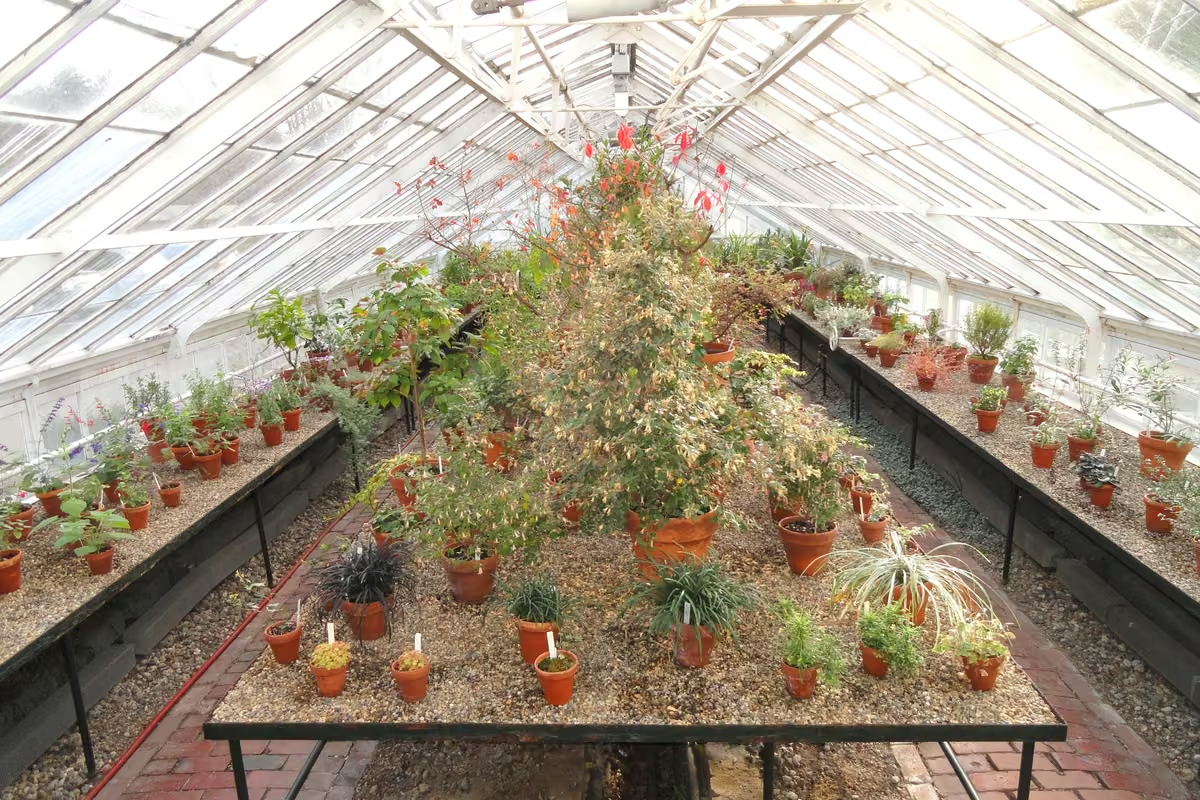
Growing Under Cover: Structures, Covers and SystemsProtected cultivation means growing crops under a structure or cover that changes the conditions around them: keeping out rain, hail, insects and excess sun, or holding in heat and humidity. It extends seasons, raises yields per square meter and improves quality, and it covers anything from a simple shade house to a fully controlled glasshouse.What the Category IncludesGreenhouse structures: steel tunnels, multi-span film houses and glasshouses.Greenhouse film: UV-stabilized polyethylene covers with additives for light diffusion and thermal retention.Shade nets and insect nets: knitted and woven screens for light control and pest exclusion.Mulch film: plastic sheet laid on beds to suppress weeds and conserve moisture.Growing trays and pots: seedling trays, plug trays and containers for propagation and potted crops.Hydroponic and vertical farming systems: soilless growing in channels, gullies and stacked racks.Growing media and coco peat: substrates for containers, slabs and seed starting.Greenhouse climate control: ventilation, heating, cooling, fans and controllers.How Buyers ChooseClimate drives most decisions. In hot, bright regions, growers favor shade houses, insect-proof net houses and evaporative cooling; in cold climates, insulated structures, double film or glass and heating. The crop and budget then decide between soil-based growing with mulch and drip, or a soilless system with substrate and fertigation.Who Supplies ItGreenhouse builders design and erect complete projects, often bundling film, nets, irrigation and climate equipment. Film extruders, net knitters, tray molders and substrate producers sell to these builders, to distributors and directly to large growers. Many buyers request a turnkey quote with drawings, wind and snow load data and an installation schedule.
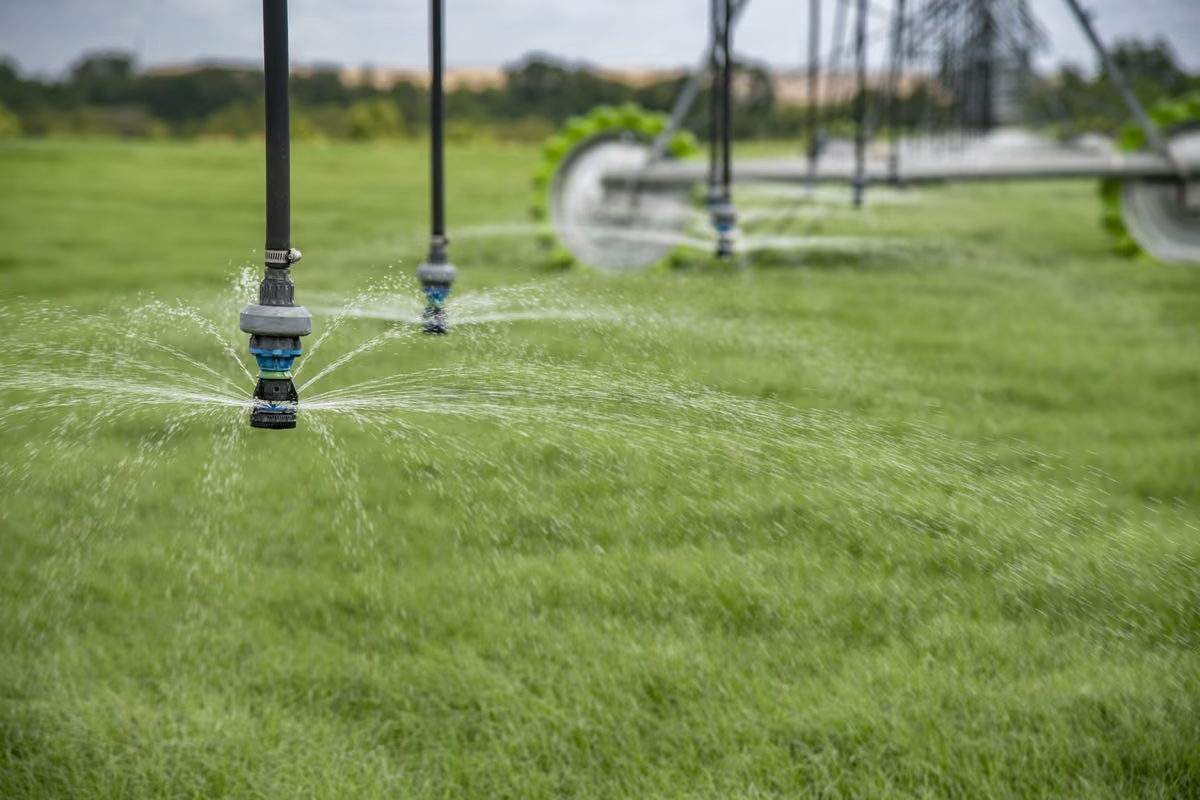
Equipment for Watering Crops EfficientlyThis category covers everything a farm uses to draw water, store it, move it and apply it to crops: from boreholes and pumps to pipe networks, emitters and controllers. Buyers range from smallholders fitting a single plot to contractors equipping hundreds of hectares.Main Product TypesDrip irrigation systems and drip tape: water delivered at the root zone through emitters, for row crops, orchards and greenhouses.Sprinkler systems and rain hoses: overhead application for field crops, lawns, nurseries and vegetables.Center pivot irrigation: self-propelled machines for large circular fields of cereals, forage and potatoes.Irrigation pipes and fittings: PVC, HDPE and LDPE mains, laterals and connectors.Irrigation pumps: surface, submersible, diesel and solar units that supply pressure.Valves, filters and fertigation systems: control, cleaning and nutrient dosing at the head of the system.Agricultural water tanks and borehole drilling services: the water source and its storage.Choosing a SystemThe choice starts with water supply, soil, crop and field shape. Drip suits high-value crops and scarce water; sprinklers are cheaper per hectare for dense field crops; pivots pay off on large, level fields. Water quality decides the filtration needed, and the pump must match the required flow and pressure at the furthest emitter.Who Supplies the TradeManufacturers of emitters, pipe and pivots sell through distributors and irrigation dealers, who design and install complete systems. Pump makers, tank molders and drilling contractors serve the same projects. Larger buyers often request a hydraulic design with the quotation so pipe sizes, pressures and filtration are specified correctly.
Crude Oils and Fats Pressed from Seeds, Fruits and KernelsThis category covers unrefined oils and solid plant fats as they leave the crushing mill. Most are bought by refiners, oleochemical plants, soap makers, cosmetic formulators, paint manufacturers and biodiesel producers, who process them further. Refined and bottled cooking oils sit elsewhere in the catalog.The Main GroupsCommodity edible oils: crude palm, soybean, sunflower, rapeseed, groundnut, cottonseed and sesame oils, traded in large volumes for refining into cooking oil, margarine and frying fats.Lauric oils: crude coconut and palm kernel oil, rich in lauric acid and central to soap, detergent and fatty alcohol production.Industrial and non-edible oils: castor oil for lubricants, polymers and chemicals, linseed oil for paints and coatings, jatropha oil for fuel, and neem oil for biopesticides.Plant butters: shea, cocoa and mango butter, solid at room temperature and used in chocolate, confectionery fats and cosmetics.How Buyers ChooseThe end use drives the choice. A refiner looks at free fatty acid level, moisture and impurities, phosphorus and color, because these determine refining loss and cost. An oleochemical buyer focuses on fatty acid composition. Cosmetic and food buyers add sensory checks, contaminant testing and traceability. Contracts for the large edible oils often follow FOSFA terms, with independent inspection at loading.Who Supplies the TradeLarge crushing plants and integrated plantation groups ship commodity oils in bulk vessels and parcel tankers. Smaller mills and cooperatives supply specialty oils and butters in flexitanks, 180 to 200 kg drums, IBCs and cartons. Producing regions follow the crops: Southeast Asia for palm and coconut, the Americas for soybean, the Black Sea for sunflower, West Africa for shea and cocoa, and India for castor.
Protecting Crops Between Field and MarketA harvest is only worth what reaches the buyer in sound condition. Post-harvest products and services cover the equipment and expertise used to store, protect, measure and prepare crops after harvest: from a farmer's single sack of maize to an exporter's container of avocados.What the Category IncludesHermetic storage bags: airtight multilayer liners that starve grain pests of oxygen without chemicals.Grain storage silos: steel or concrete bins for farms, mills and aggregators, with aeration and monitoring.Cold room storage services: rented chilled or frozen space for fruit, vegetables, flowers and seed.Fumigation services: licensed treatment of stored commodities, containers and warehouses against insects.Ripening chambers: controlled rooms that ripen bananas, mangoes and avocados evenly using ethylene.Grain moisture meters: handheld and bench instruments to check grain before storage or sale.Sorting and grading services: cleaning, sizing and quality grading for export and processing contracts.Choosing the Right ApproachGrain and pulse handlers focus on drying, moisture control and insect protection; the choice between bags and silos depends on volume, how long grain is held and whether it is traded in lots. Perishable crops depend on temperature and atmosphere, so cold storage and ripening rooms matter more. Exporters add fumigation and grading to meet the phytosanitary and quality terms of their buyers.Who Supplies ItEquipment manufacturers and importers, cold chain operators, licensed pest control companies, inspection and grading firms, and agricultural development suppliers all serve the trade, selling to farmers' groups, warehouse operators, millers and commodity exporters.
Equipment for Poultry, Dairy and Pig UnitsThis category brings together the hardware that turns a livestock enterprise into a working farm: housing, feeding and watering, hatching, milking, handling and weighing. Buyers range from smallholders and cooperatives to integrated poultry companies, dairy processors and agricultural dealers.Poultry SystemsPoultry cages: battery and H-type layer cages, broiler cages and pullet rearing cages.Feeders and drinkers: pan feeders, trough feeders, nipple and bell drinkers, manual or automatic.Incubators and hatchers, plus brooders and heating lamps for chicks.Egg trays in molded pulp or plastic, and poultry slaughter equipment such as killing cones, scalders and pluckers.Dairy and CattleMilking machines: bucket units for small herds through to pipeline parlors.Milk cooling tanks: stainless steel bulk tanks that chill milk to around 4 °C (39 °F).Cattle crushes and handling for treatment, foot trimming and loading, plus livestock weighing scales.Housing and PigsAnimal housing, livestock fencing and gates, water troughs and farrowing crates complete the range, serving pig, sheep, goat and cattle units. Farrowing crates protect piglets from being crushed by the sow, while galvanized steel gates and hurdles let farmers divide pens and move stock safely. Concrete, plastic and galvanized troughs are sized by herd and can be fitted with float valves to keep water topped up.How Buyers ChooseScale and climate drive the decision. Automated cage and drinker systems suit large layer houses with reliable power, while manual equipment fits smaller flocks. Hot-dip galvanizing matters in humid, ammonia-laden housing. Suppliers include specialist farm equipment factories, stainless fabricators and dealers that design and install complete houses.
Featured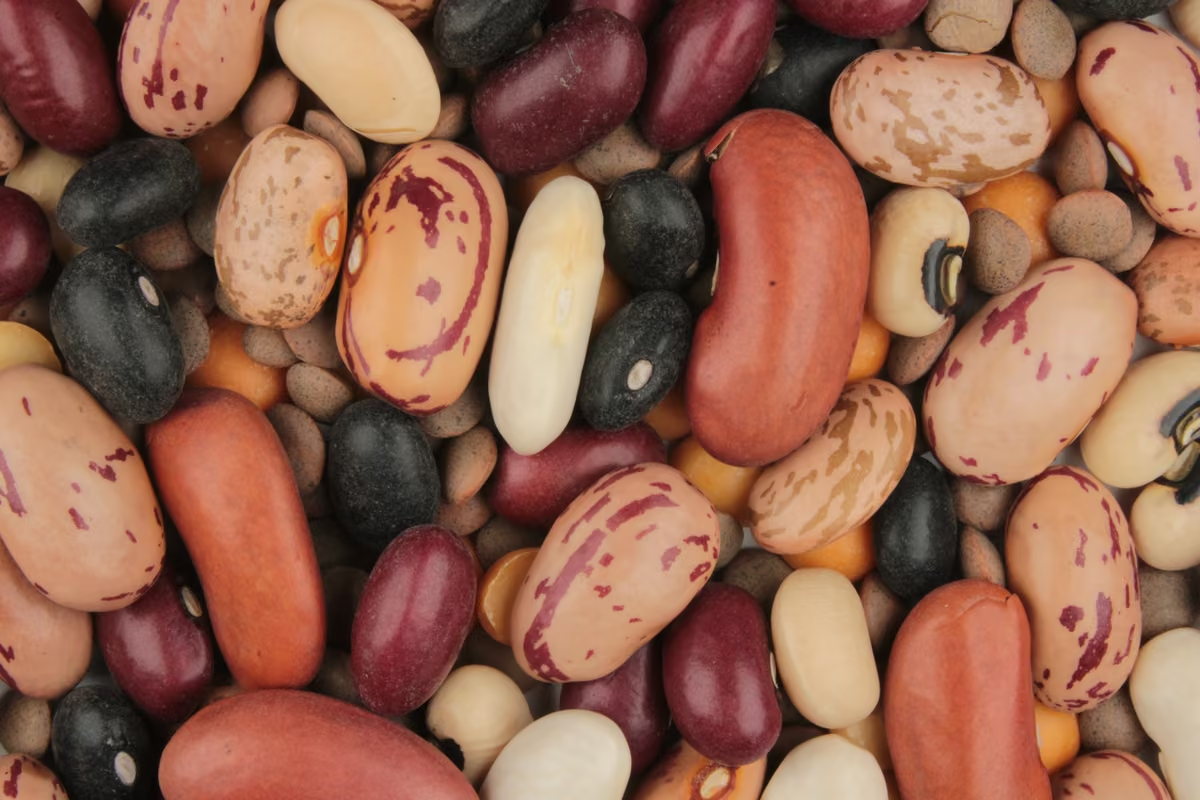
Dried Pulses and Legumes for Importers and ProcessorsPulses are the dried edible seeds of legume plants: beans, lentils, chickpeas and peas, harvested dry and traded as storable commodities. This category covers whole, split and dehulled pulses for canners, packers, millers, wholesalers and feed makers.Product types in this categoryWhite Beans: navy, great northern and cannellini, mainly for canning and baked beans.Kidney Beans and Lima Beans: large beans sold by color and count.Lentils: red, green, brown and black, whole or split.Chickpeas: large kabuli and small desi types.Dried Peas and Split Peas: yellow and green, for soups, dal, snacks and pea protein.Cowpeas & Black-eyed Peas, Pigeon Peas and Bambara Groundnuts: staples of African, South Asian and Caribbean diets.Mung Beans and Adzuki Beans: small Asian beans for sprouting, noodles and sweet bean paste.Faba Beans and Lupins: for food, feed and plant protein ingredients.How buyers chooseThe end use decides the specification. Canners need beans with even size, good water uptake and color that holds after cooking. Dal and flour millers want pulses that dehull and split cleanly. Retail packers buy on appearance, sorting and freedom from stones. Common contract figures are size or count per 100 g, moisture, splits, foreign matter, damaged and insect-bored seeds, and color.Who supplies the tradeCanada, Australia, the United States, Russia, Argentina, Myanmar, Ethiopia and East African countries are major exporters, while India, China, the Middle East and Europe are big buyers. Most pulses ship cleaned and machine-sorted in 25 kg or 50 kg bags, or in bulk liners, in 20 ft containers. Check phytosanitary and fumigation rules in your market.
Whole Spices and Botanicals Before GrindingThis category covers whole spices and herbs as they leave the farm or first processor: dried pods, berries, seeds, flowers and leaves, cleaned and graded but not yet ground, blended or retail packed. Buyers are spice grinders, packers, ethnic food importers, beverage makers and seasoning manufacturers.What the Category IncludesDried Chili Peppers: whole pods from mild paprika types to very hot bird's eye, sold by heat and color.White Pepper: decorticated Piper nigrum seeds with a cleaner, sharper heat than black pepper.Dried Hibiscus Flowers: deep red roselle calyces for teas, cold drinks and natural color.Cardamom Pods: green Elettaria pods graded by size and color.Bay Leaves: dried laurel leaves sold whole or cut.Alligator Pepper, Grains of Selim and Calabash Nutmeg: West African spices used in soups, pepper soup blends and ceremonial foods, and increasingly by craft distillers.How Buyers ChooseGrinders and packers look first at food safety: moisture, extraneous matter, mold, aflatoxin and ochratoxin, Salmonella, pesticide residues, and adulteration. Many specify ASTA cleanliness standards or the relevant ISO spice standard, and ask whether the spice has been steam treated to reduce microbial load. Flavor matters too: heat units for chili, volatile oil for cardamom, color for hibiscus.Who Supplies ItThe trade runs from farmer collectors and village aggregators to cleaning and grading plants and export houses in India, Vietnam, Indonesia, Guatemala, Turkey, Egypt and across West Africa. Exporters with sorting lines, metal detection and a food safety certificate such as BRCGS, FSSC 22000 or organic certification serve the strictest buyers.
Root and Tuber Crops for Food, Feed and IndustryRoots and tubers are the underground storage organs of plants, and between them they feed a large part of the world. This category covers staples eaten daily in Africa, Asia and Latin America, the potatoes and carrots found in every European kitchen, and processed products such as dried cassava chips for feed and starch.Main Product TypesCassava: a tropical staple sold fresh, frozen or dried, and the raw material for starch and flour.Yams: large, starchy tubers central to West African cuisine.Potatoes: traded as ware, seed and processing potatoes for chips and crisps.Sweet potatoes: orange, white and purple types, cured before export.Taro and arrowroot: tropical corms and rhizomes for ethnic retail and starch.Turmeric rhizomes: fresh or dried roots for spice grinders.Beetroot, carrots, radishes, turnips, parsnips and celeriac: temperate root vegetables for retail and processing.Cassava chips: dried slices for animal feed, ethanol and starch.How Buyers ChooseThe first choice is between fresh produce and a dried or processed form, which changes everything from shelf life to shipping. Fresh tropical roots spoil quickly or need curing and careful ventilation, so many buyers take them frozen or peeled. Temperate roots store for months under cool conditions. Buyers compare size grades, skin finish, dry matter, freedom from rot and sprouting, and the packing format, from mesh bags to bulk bags and cartons.Who Supplies the TradeSmallholder cooperatives and aggregators handle much of the tropical crop, while larger farms and packhouses supply supermarkets with washed, graded vegetables. Processors and exporters deal in dried chips, flour and frozen product.
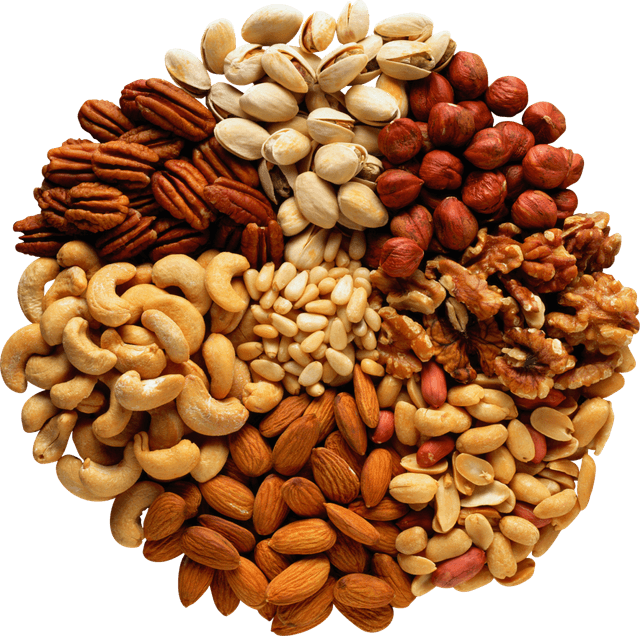
Oilseeds, Edible Nuts and Tropical Beans in BulkThis category brings together the dry, storable crops traded by the metric ton: oilseeds crushed for oil and meal, edible nuts sold in shell or as kernels, and the cocoa and coffee beans that supply grinders, chocolate makers and roasters. Most of it moves as a raw or semi-processed commodity graded by size, moisture and defect count.Main product typesOilseeds: sunflower, sesame, groundnuts, palm kernels, shea nuts and melon seeds (egusi), bought by crushers and by snack and bakery firms.Tree nuts: cashews, almonds, walnuts, hazelnuts, pistachios, macadamias, pecans, Brazil nuts and pine nuts, sold to roasters, confectioners and repackers.Beverage and stimulant crops: cocoa beans, green coffee and kola nuts, traded on origin, grade and crop year.Chestnuts: a starchy nut sold fresh in season, or peeled, frozen and vacuum-packed.How buyers chooseThe end use decides the spec. A crusher buys on oil content and free fatty acids; a snack packer buys on kernel size, color and breakage; a chocolate maker buys on bean count, fermentation and flavor. Aflatoxin limits, moisture and foreign matter apply across almost every line, and buyers for food use usually ask for a recent laboratory certificate per lot.Who supplies the tradeSupply comes from farmer cooperatives and aggregators at origin, shellers and processors who grade and pack, and exporters and traders who consolidate lots into containers. Raw crops usually ship in jute or polypropylene bags; graded kernels go in vacuum packs or cartons, often under nitrogen to slow rancidity. Contracts are usually agreed FOB or CIF, with letters of credit or documents against payment common in this commodity trade.
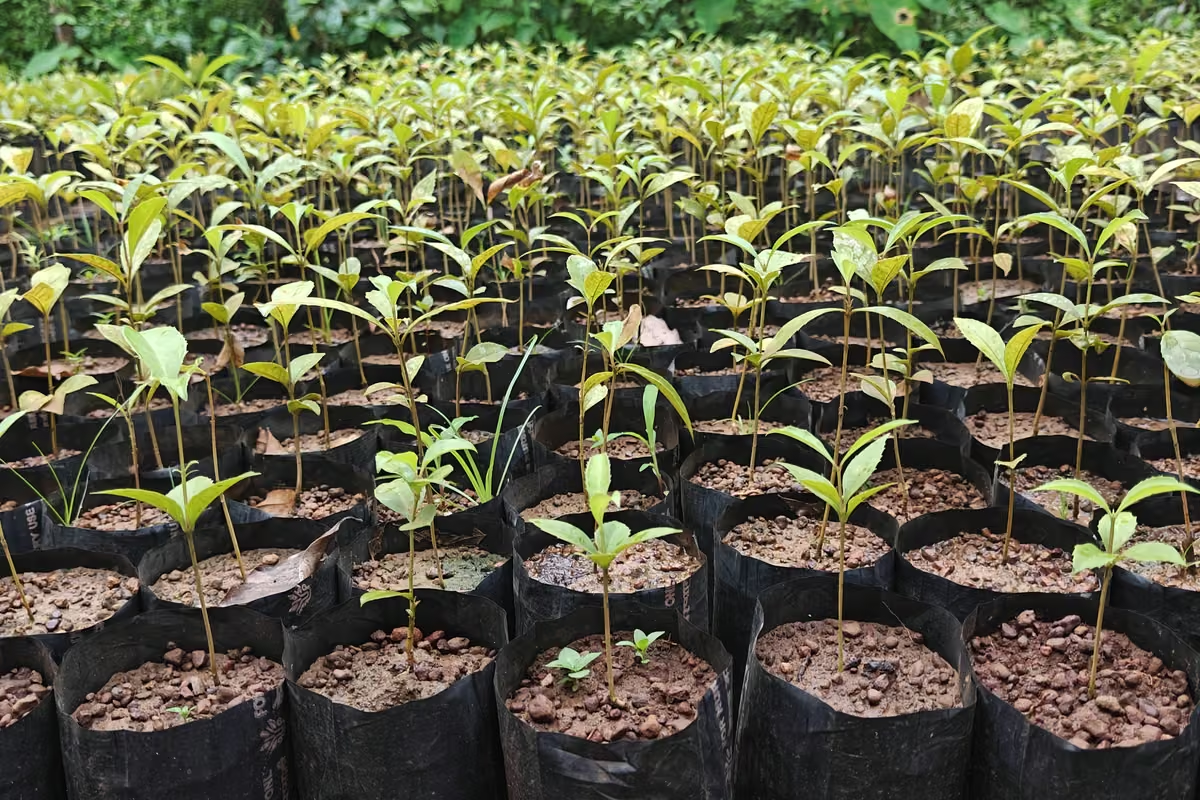
Planting Material for Farms, Estates and Agro-DealersThis category covers what goes into the ground: certified crop seed, vegetative planting material and nursery seedlings. Because a poor seed lot can cost a whole season, buyers pay as much attention to variety, testing and paperwork as to price.Main Product GroupsField crop seed: Hybrid Maize Seeds, Rice Seeds, Wheat Seeds, Soybean Seeds and Cotton Seeds, bought by distributors, agro-dealers, large farms and input programs.Vegetable, Flower and Forage Grass Seeds: high-value seed sold by count or weight to growers, nurseries and pasture managers.Vegetative material: Cassava Cuttings, Seed Potatoes and Tissue Culture Plantlets, propagated from clean mother stock to avoid carrying disease forward.Tree crop seedlings: Oil Palm, Cocoa, Cashew and Fruit Tree Seedlings, often grafted or from selected parents, raised in polybags for estate planting.How Buyers ChooseThe first decision is the variety: its yield, maturity, disease resistance and suitability for local conditions, and whether it is registered for sale in the target country. After that, buyers look at seed class (breeder, foundation, certified), germination, physical and varietal purity, moisture and seed treatment. International seed lots are often tested under ISTA rules and certified under the OECD Seed Schemes; check the phytosanitary and registration rules of the importing country before ordering.Who Supplies the TradeSellers include seed companies with breeding programs, licensed seed multipliers, national seed agencies, certified nurseries and tissue culture laboratories. Vegetable and hybrid seed is commonly imported, while tree seedlings and cuttings are usually bought from nurseries close to the planting site, as live plants travel poorly.
Niche Crops Grown for Ingredient BuyersSpecialty crops are plants grown in smaller volumes than staple grains, valued for a particular ingredient, flavor or texture. Most are sold dried, powdered or minimally processed to food, beverage, supplement and cosmetic manufacturers, with some fresh trade into ethnic and food service markets.Product Types in This CategoryMoringa leaves: dried leaf, tea cut and fine powder from the tropical tree Moringa oleifera.Moringa seeds: planting seed for new plantations and kernels pressed for moringa oil.Baobab fruit: the dry pulp of African baobab pods, sold as powder, plus seeds for oil.Stevia leaves: dried leaves of Stevia rebaudiana, the raw material for steviol glycoside sweeteners.Ginseng roots: Asian ginseng (Panax ginseng) and American ginseng (Panax quinquefolius), traded fresh, dried, as red ginseng or as extract feedstock.Aloe vera leaves: fresh leaves of Aloe barbadensis Miller for gel extraction.Bamboo shoots: fresh, boiled, canned, dried or fermented young bamboo culms.How Buyers ChooseMost purchases are driven by the end product. A tea blender wants a clean leaf cut with good color; a supplement maker wants fine powder within microbial and heavy-metal limits; a cosmetics firm needs aloe with low aloin. Buyers compare origin, harvest and drying method, particle size, moisture, and laboratory results for pesticide residues and contaminants. Organic certification is common in this category and often expected.Who Supplies the TradeSupply comes from plantation growers, farmer cooperatives that aggregate smallholder harvests, primary processors that dry and mill, and exporters that consolidate lots and handle documentation. Some regulatory status, such as novel food or food supplement rules, differs by market, so check the import rules and certification required where the product will be sold.
Growers, cooperatives, exporters, input manufacturers and equipment makers list their agricultural products on Towobo with specifications, origin, packaging, certificates and minimum order quantities. Buyers browse by category, compare offers from different countries and send quote requests for the volumes and terms they need, from a single pallet of tools to full commodity shipments.
Agricultural producers and suppliers of farm inputs and equipment can open a store on Towobo and list their range for processors, traders, agro-dealers and farm businesses around the world.
Key information for B2B buyers sourcing agriculture from global manufacturers.
Factory-direct orders typically start at 100–500 units. Wholesalers often accept 10–50 unit MOQs. Always confirm MOQ and price breaks in writing before placing a bulk order.
Request certificates relevant to your market: CE (EU), ISO 9001 (quality), RoHS (electronics), and UN38.3 (battery transport). Verify originals before payment.
Sample orders typically ship in 3–7 days. Production runs take 15–45 days depending on volume. Confirm Incoterms (FOB, CIF, EXW) and freight charges before signing.
Request physical samples before committing to bulk. Use Towobo's Payment Protection on all transactions. Compare at least 3 suppliers on price, lead time, and certifications.