
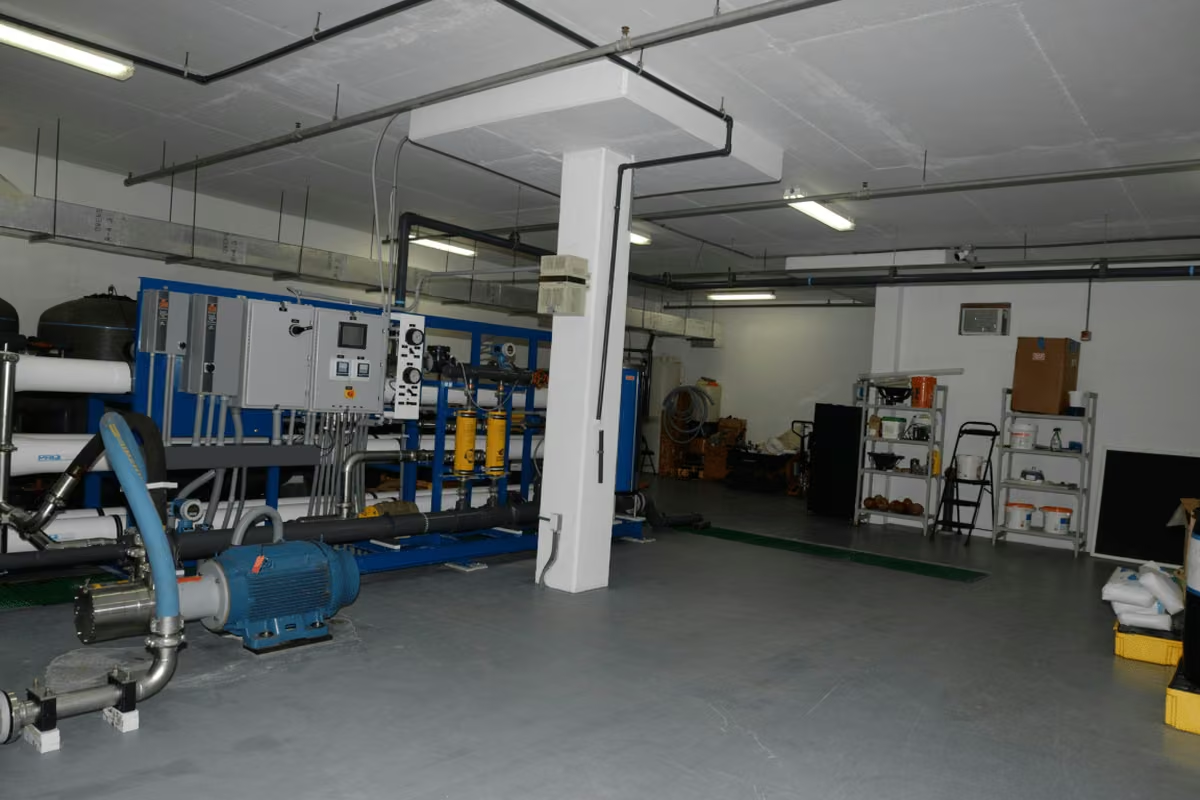
This category covers two closely linked needs: preparing water for use and treating it afterwards, and cleaning the floors, tanks, drains and surfaces of industrial sites. Buyers include factories, food and beverage plants, hotels, municipalities, contractors and facility management companies.
Water equipment is sized to a duty: flow rate, raw water analysis and the required outlet quality, so serious suppliers ask for a water test before quoting. Cleaning machines are chosen on area, debris type, power source and operator hours. Manufacturers and system integrators handle engineered plants and export packaging; dealers and wholesalers carry standard machines, consumables and spare parts for local service. For food plants and drinking water, buyers also check material approvals, while for cleaning machines used indoors, dust control, noise and battery power usually take priority over engine output. Spare parts and local servicing matter across the whole category, since downtime is costly.
Compare suppliers in this category on how well they size equipment to the job. Ask what data they need, such as water analysis, flow rates or floor area, and what performance they will state in writing. Check materials of construction, energy and chemical consumption, spare parts and consumable costs, and whether installation, commissioning and operator training are included or quoted separately.
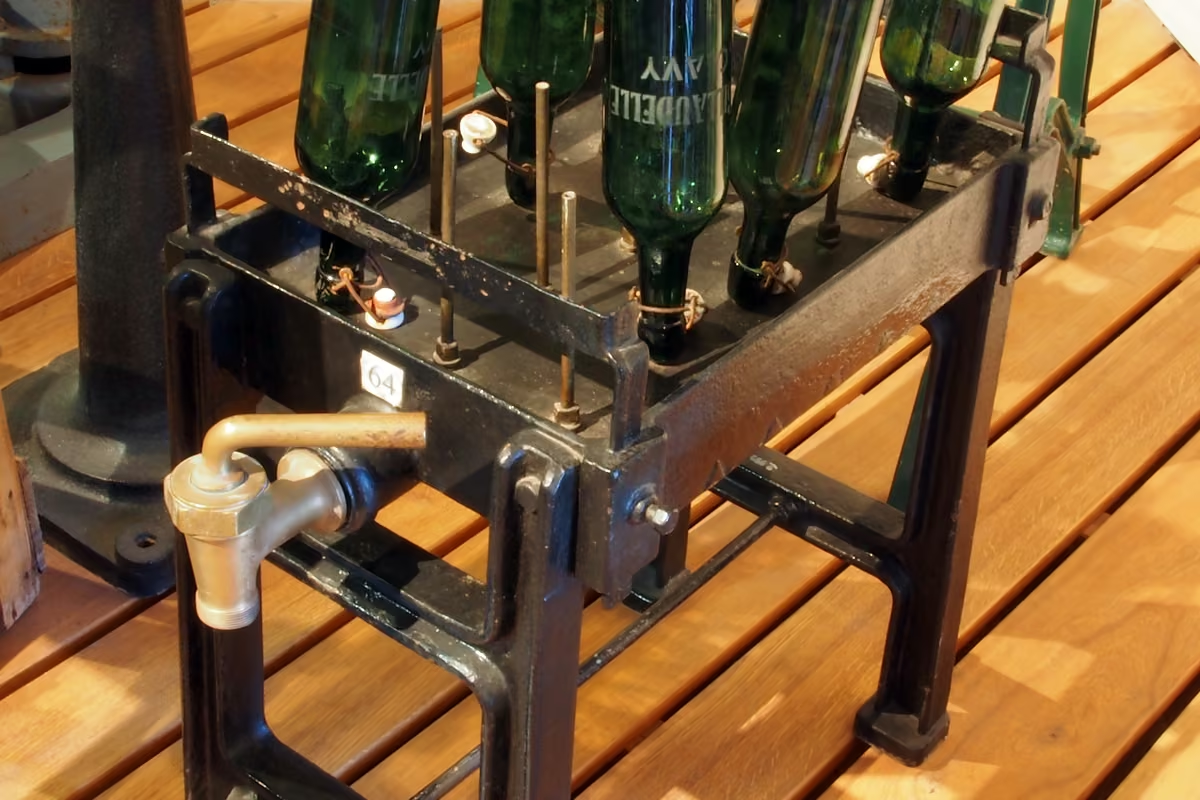

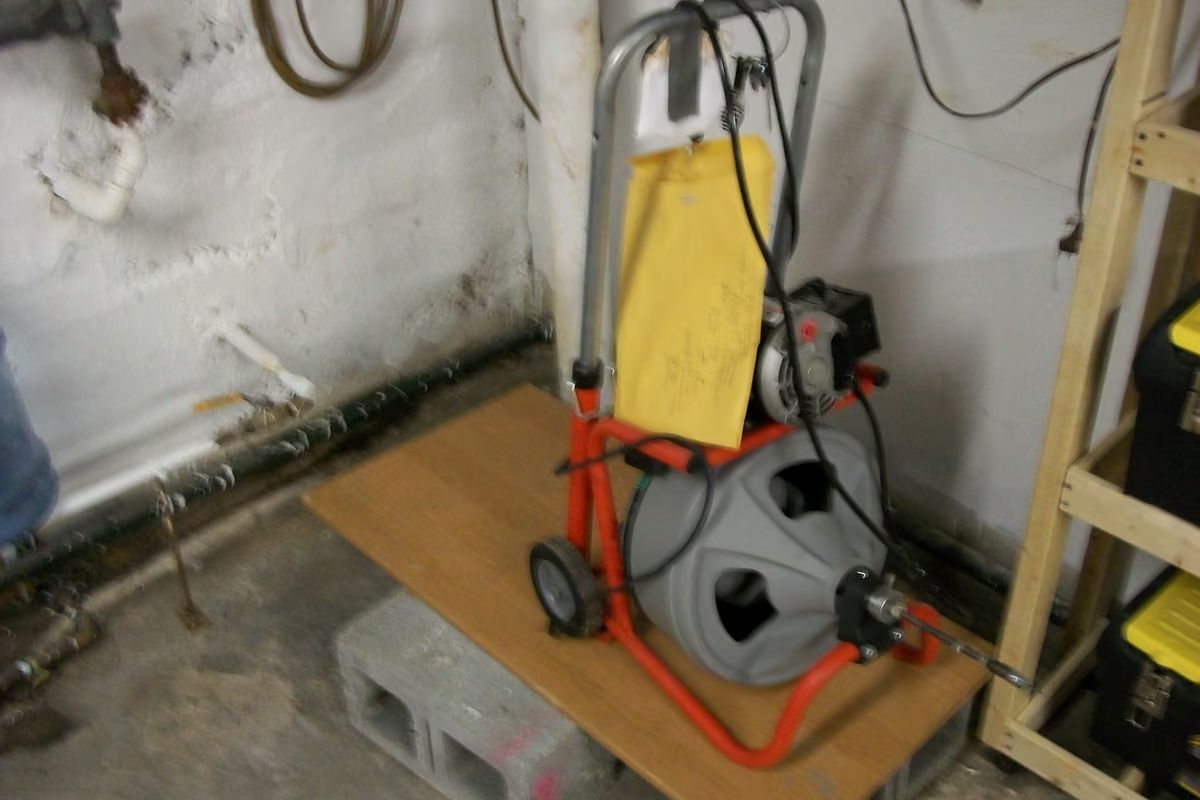
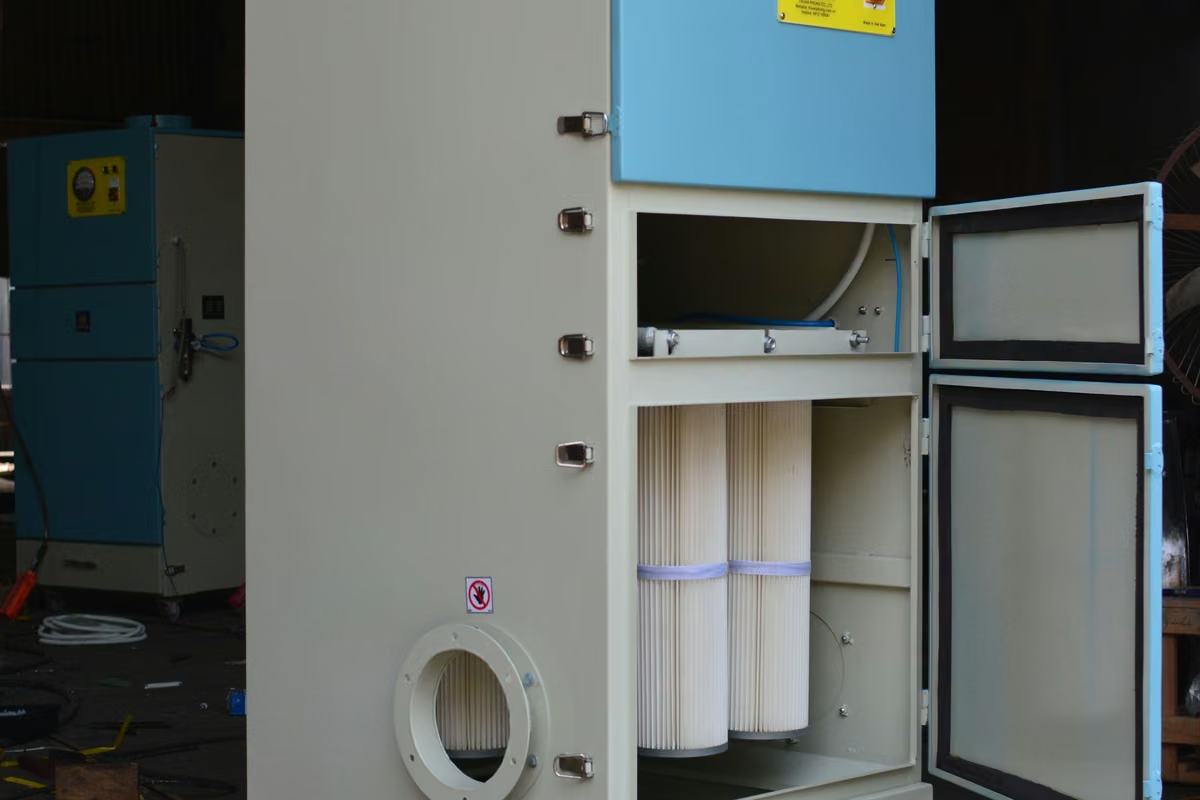
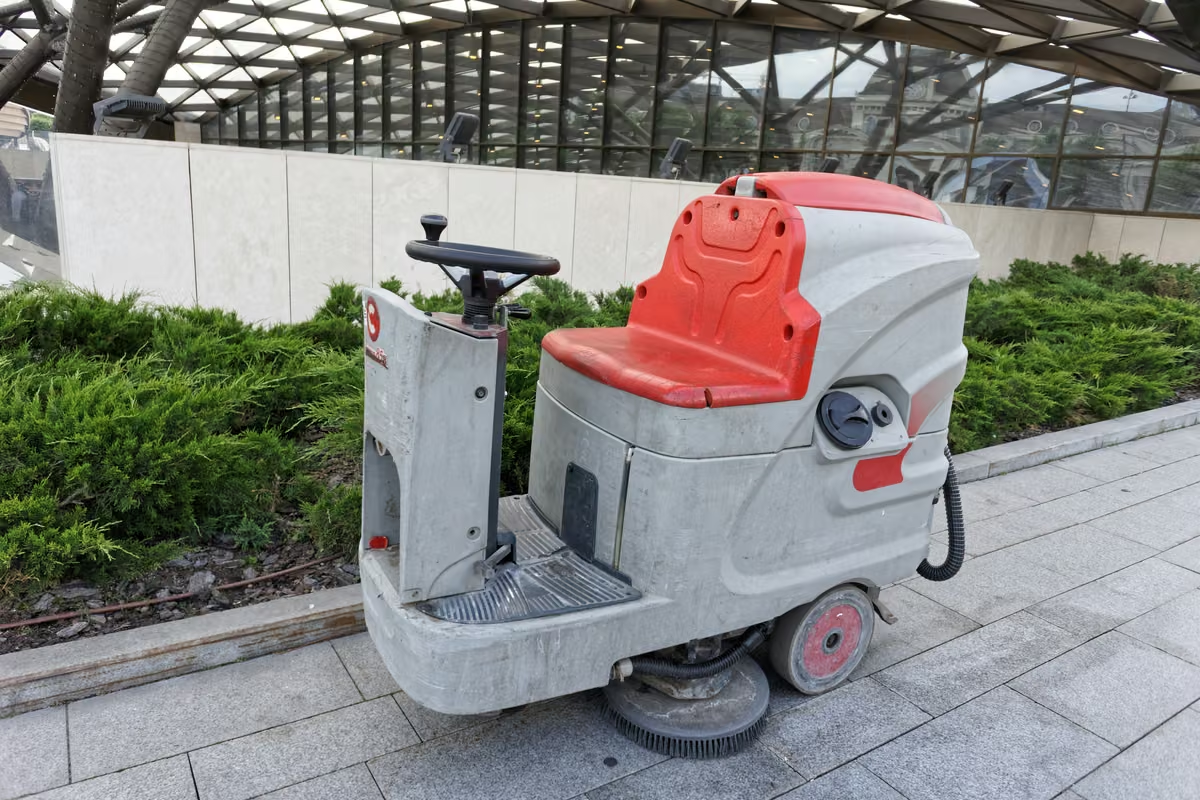
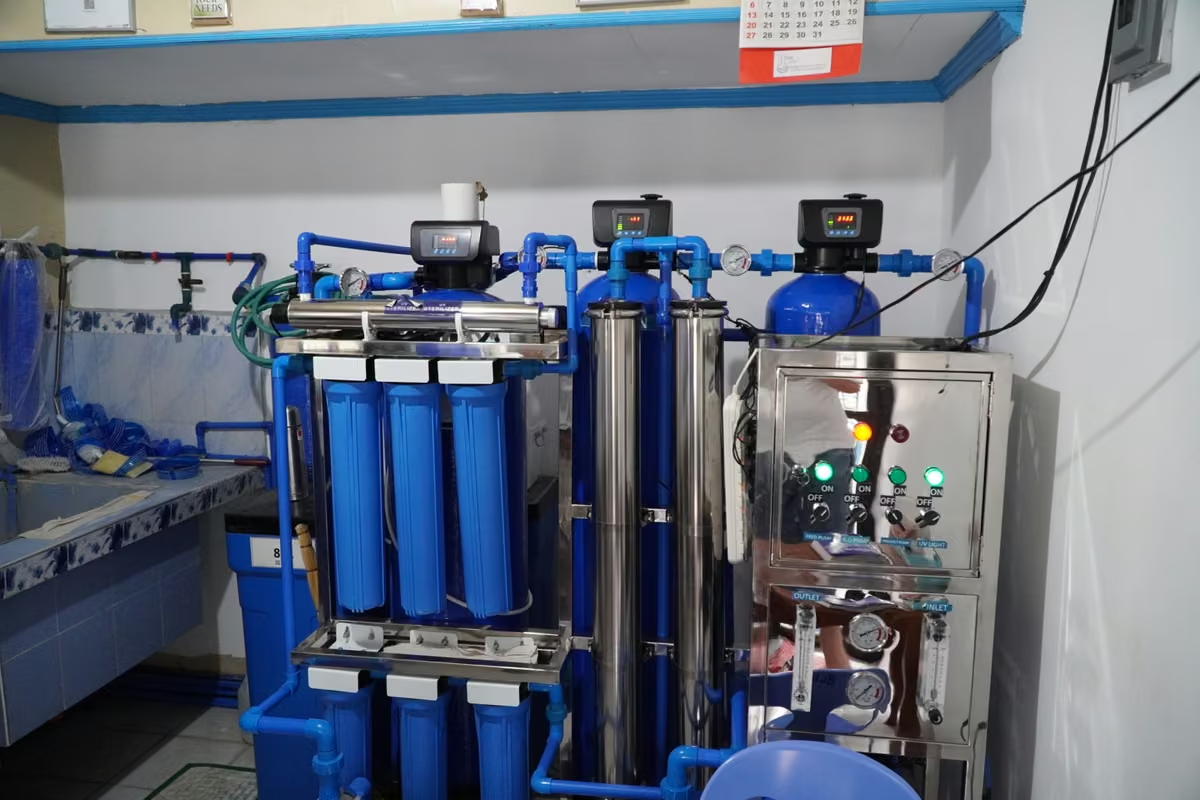
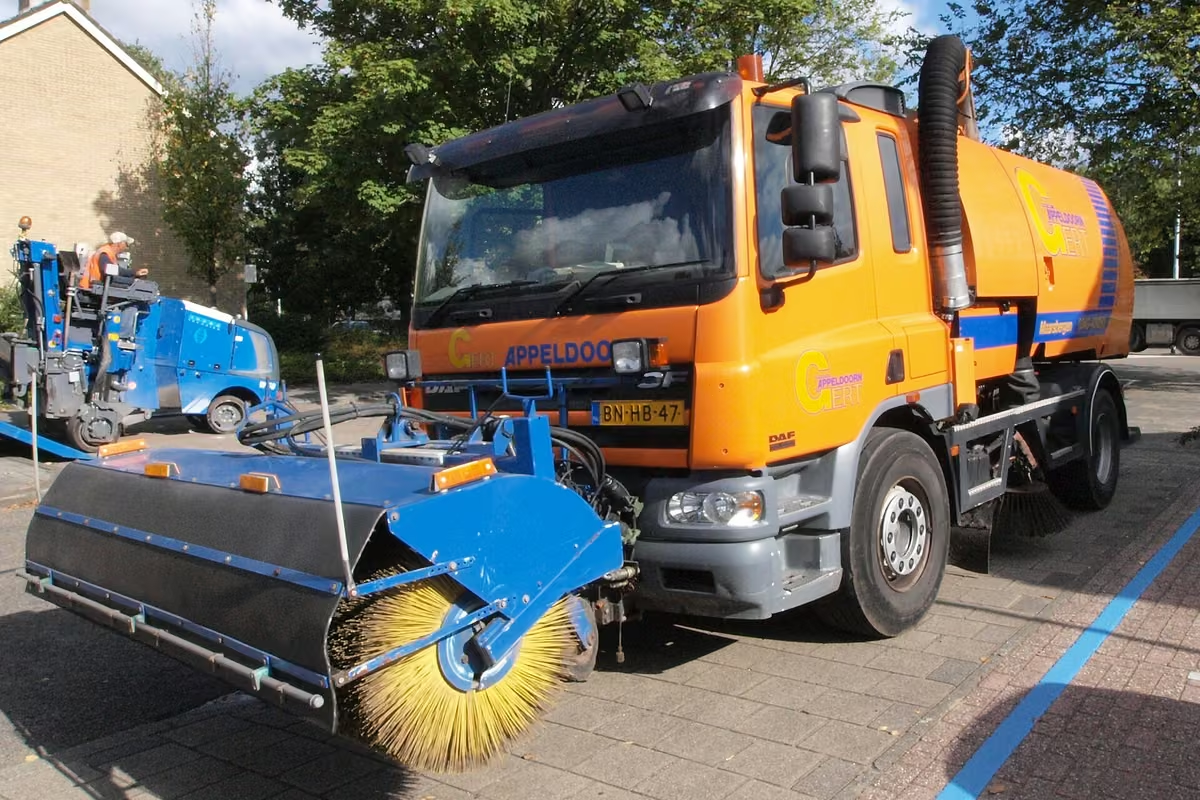
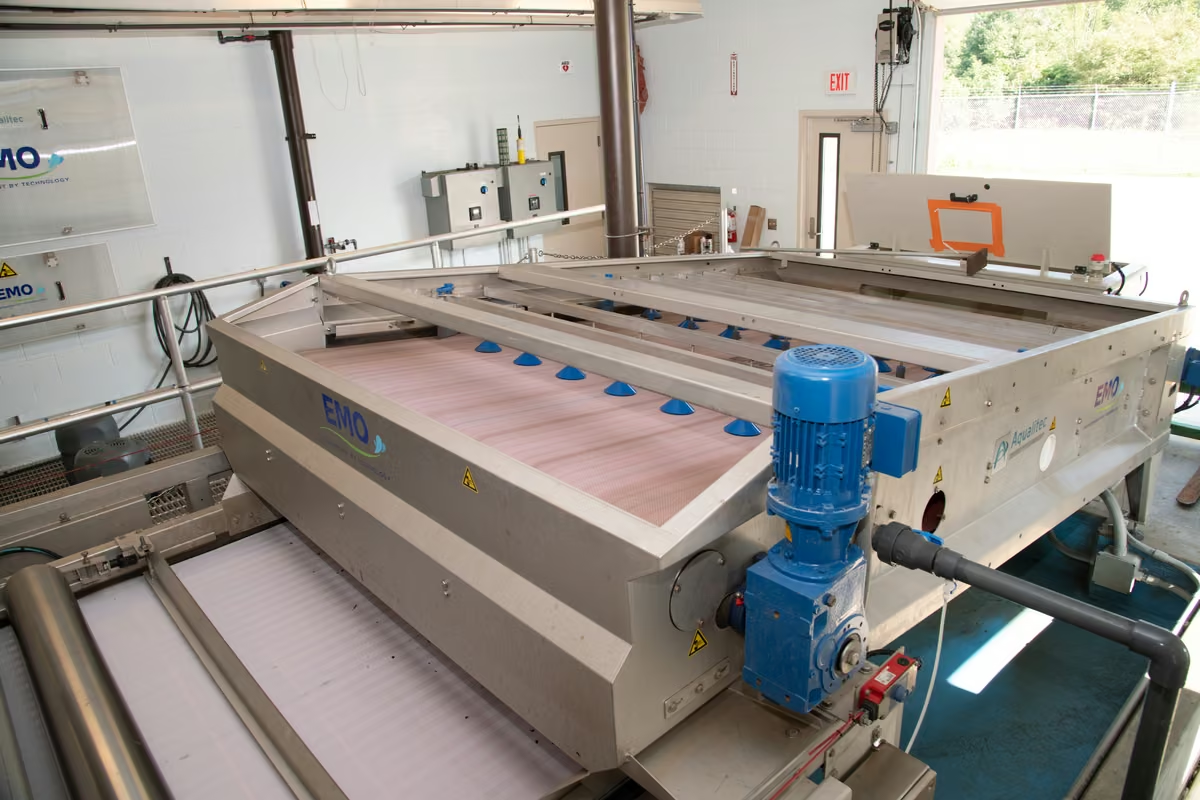
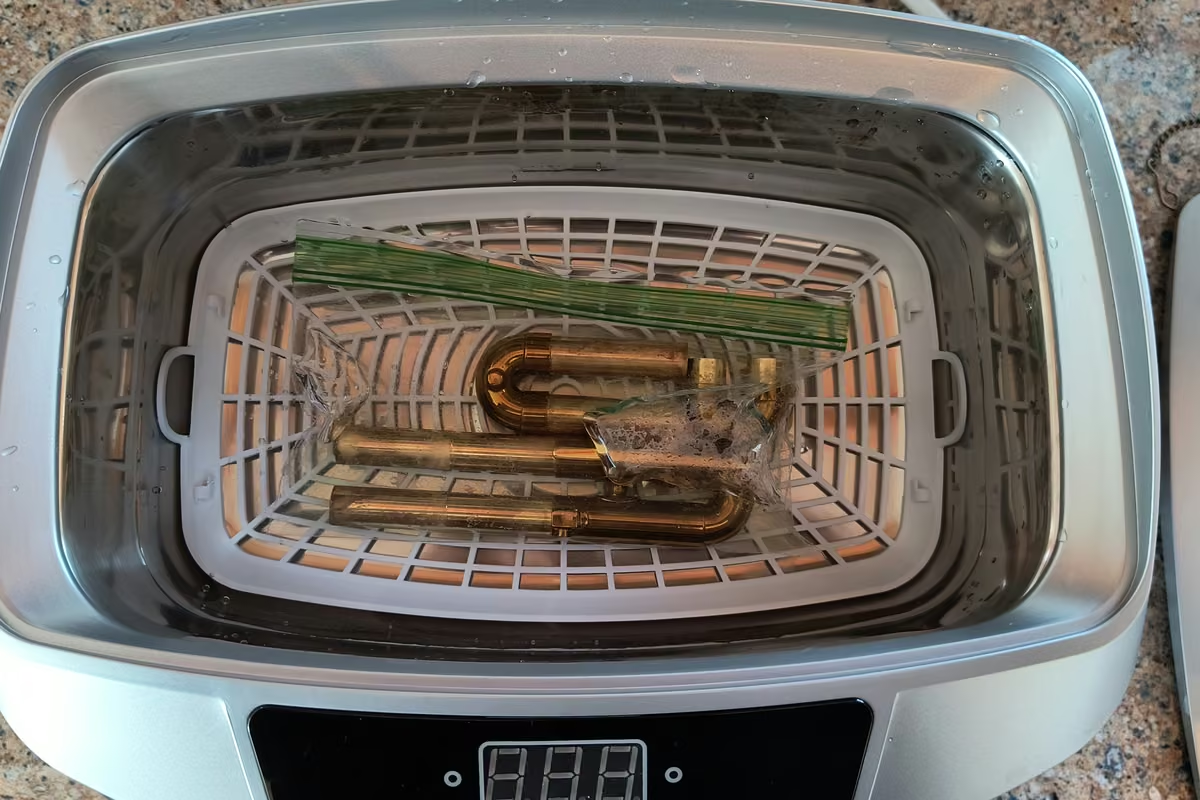
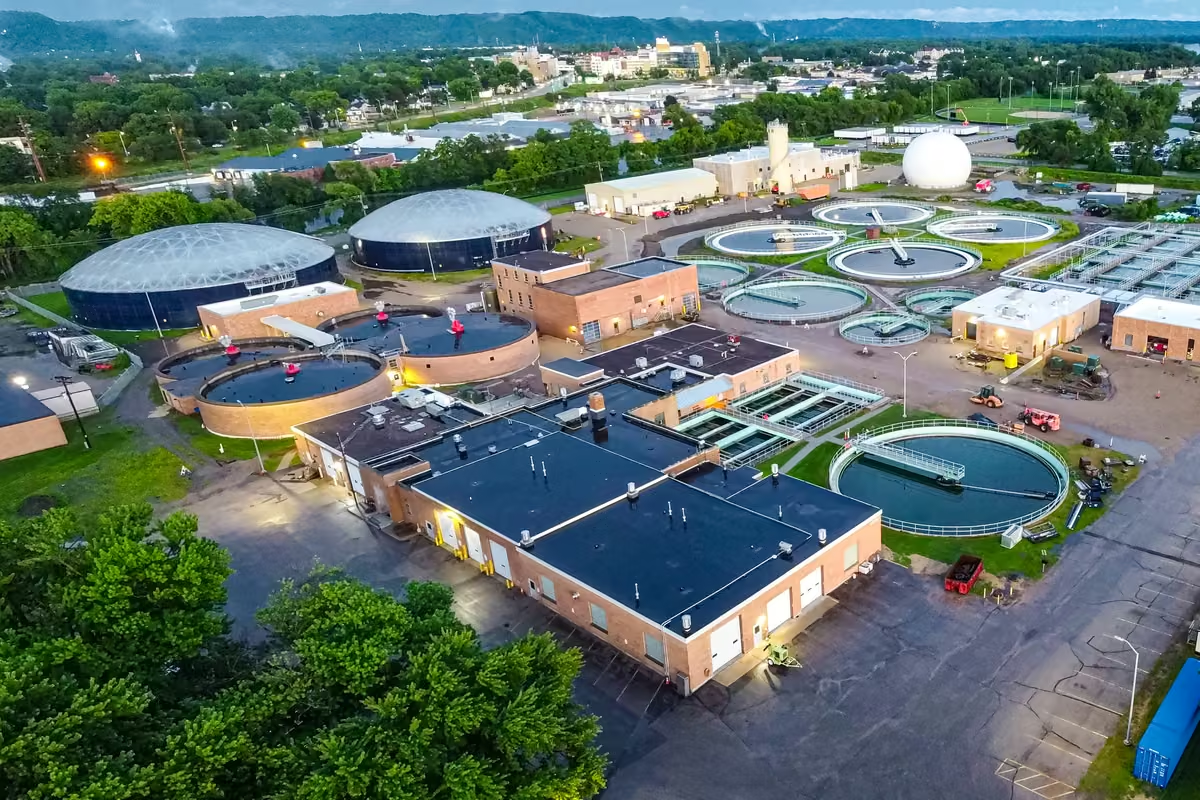
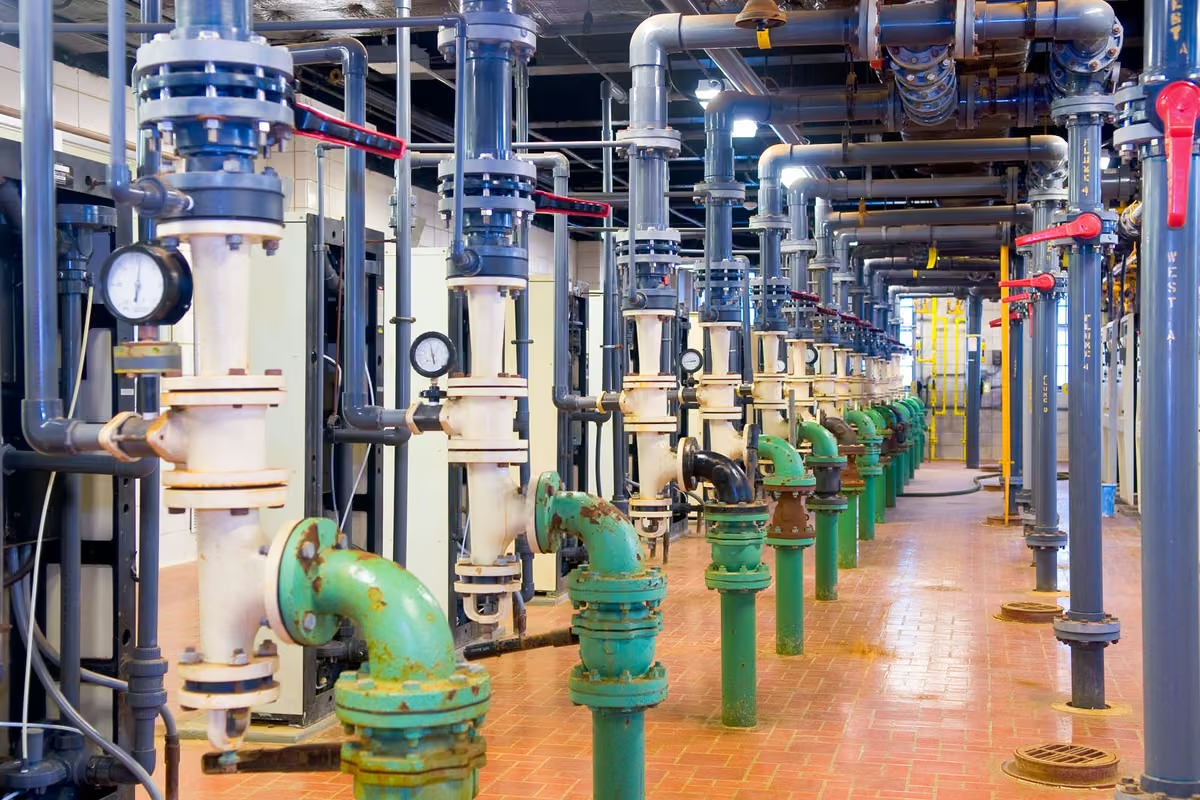
Water treatment builders, cleaning machine manufacturers and equipment dealers list on Towobo with capacities, materials, power options and the applications each product suits. Buyers compare listings and request quotes for single machines, complete treatment plants or ongoing consumables. Many listings show the flow range or cleaning width each model is built for.
Equipment makers and integrators in water treatment or industrial cleaning can open a store on Towobo and present their range to factories, municipalities and contractors.
Key information for B2B buyers sourcing industrial cleaning & water equipment from global manufacturers.
Factory-direct orders typically start at 100–500 units. Wholesalers often accept 10–50 unit MOQs. Always confirm MOQ and price breaks in writing before placing a bulk order.
Request certificates relevant to your market: CE (EU), ISO 9001 (quality), RoHS (electronics), and UN38.3 (battery transport). Verify originals before payment.
Sample orders typically ship in 3–7 days. Production runs take 15–45 days depending on volume. Confirm Incoterms (FOB, CIF, EXW) and freight charges before signing.
Request physical samples before committing to bulk. Use Towobo's Payment Protection on all transactions. Compare at least 3 suppliers on price, lead time, and certifications.