

Material handling equipment covers the machines and systems that move goods from the loading dock into storage, through production and back out to dispatch. Buyers include warehouses and logistics centers, factories, ports, retailers' distribution hubs and the dealers and rental firms who supply them.
Choice starts with the load: weight, pallet size, lift height and how often it moves. Aisle width, floor quality and whether work is indoors or outdoors then decide between electric and combustion power and between counterbalance, reach or narrow-aisle trucks. Racking layout and truck selection should be planned together, since racking height and aisle width set the trucks that can serve it. Safety standards such as ISO 3691 for industrial trucks and EN 15512 for racking guide design.
Manufacturers sell through dealers and distributors who provide service and parts, while racking suppliers usually design, supply and install complete systems.
When comparing material handling suppliers, give them load weights, pallet sizes, lift heights, aisle widths and shift patterns so offers can be compared on equal terms. Ask for rated capacities at the required height, battery and charger details for electric equipment, and the standards each product is built to. Check local service coverage, parts lead times and operator training support.

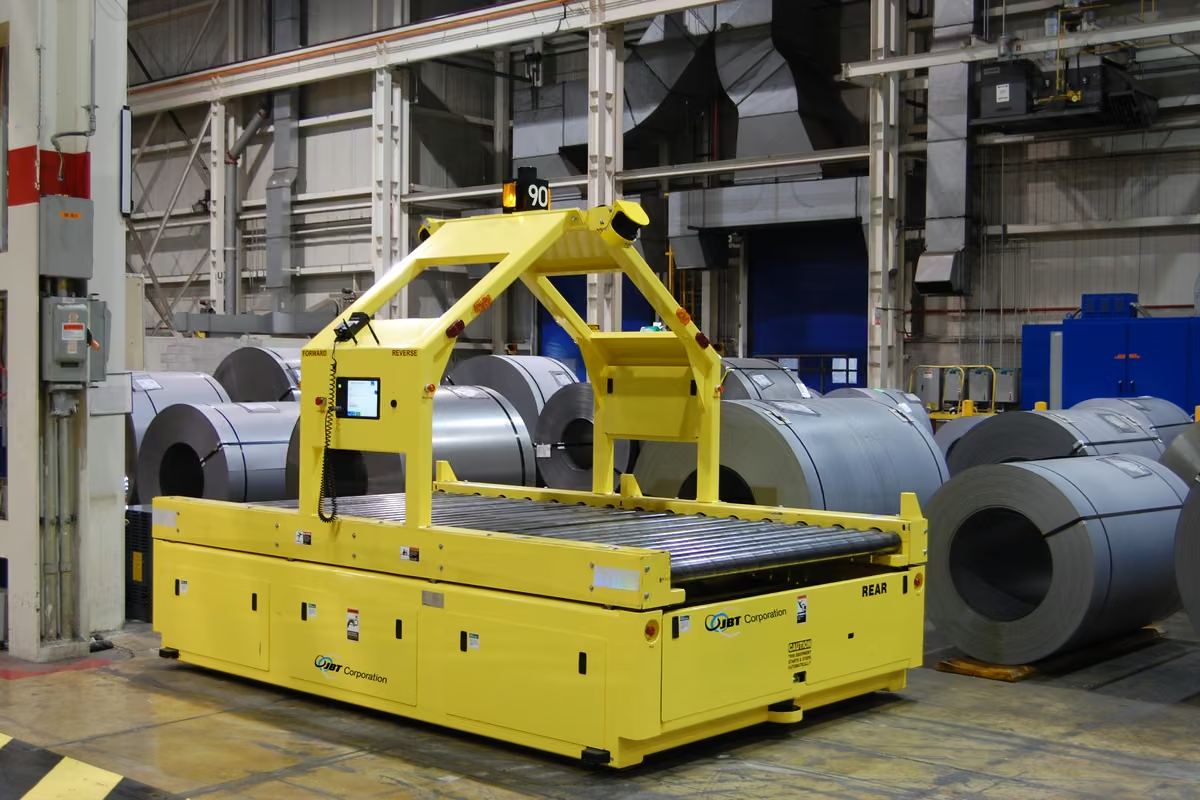
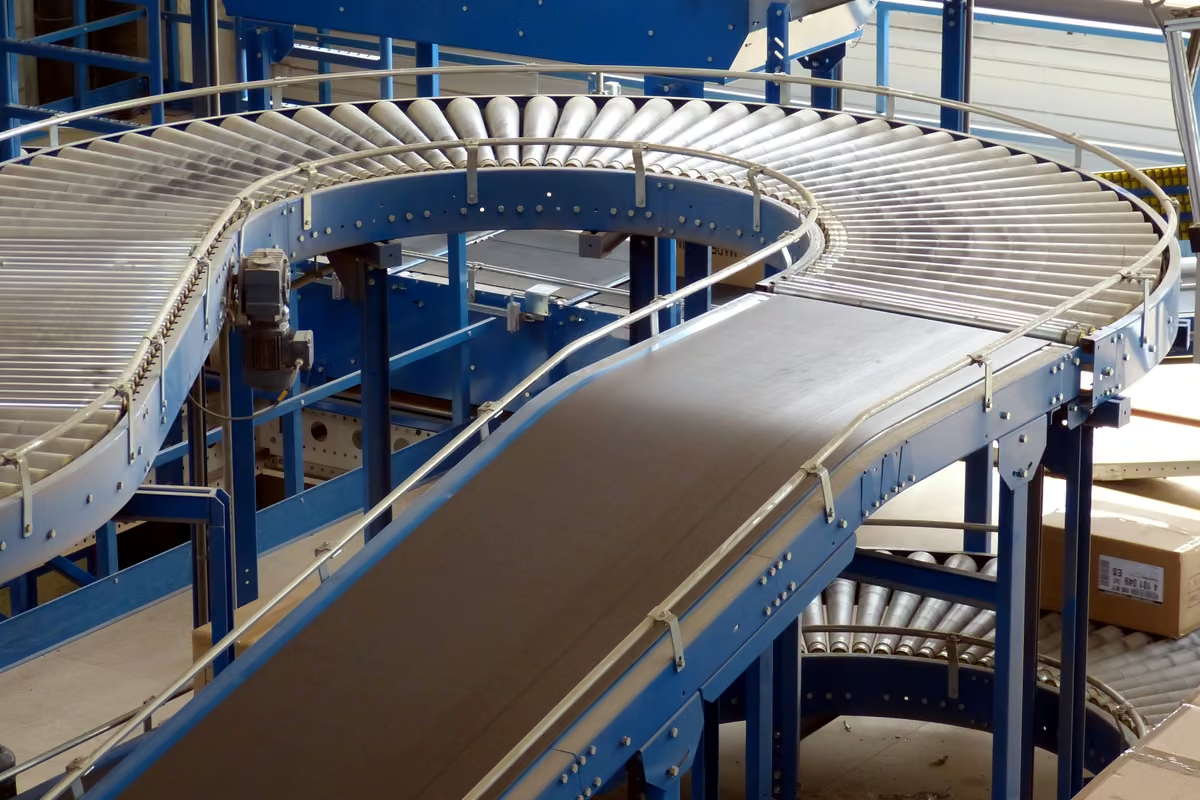
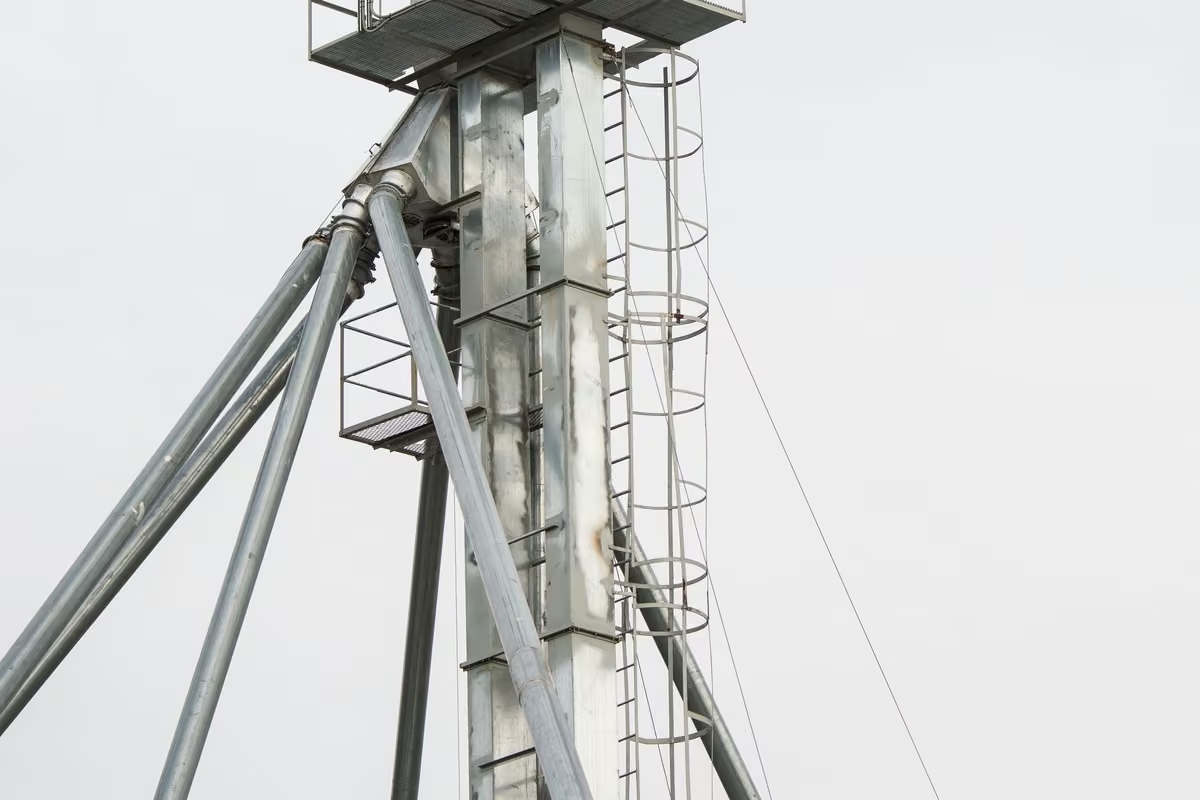

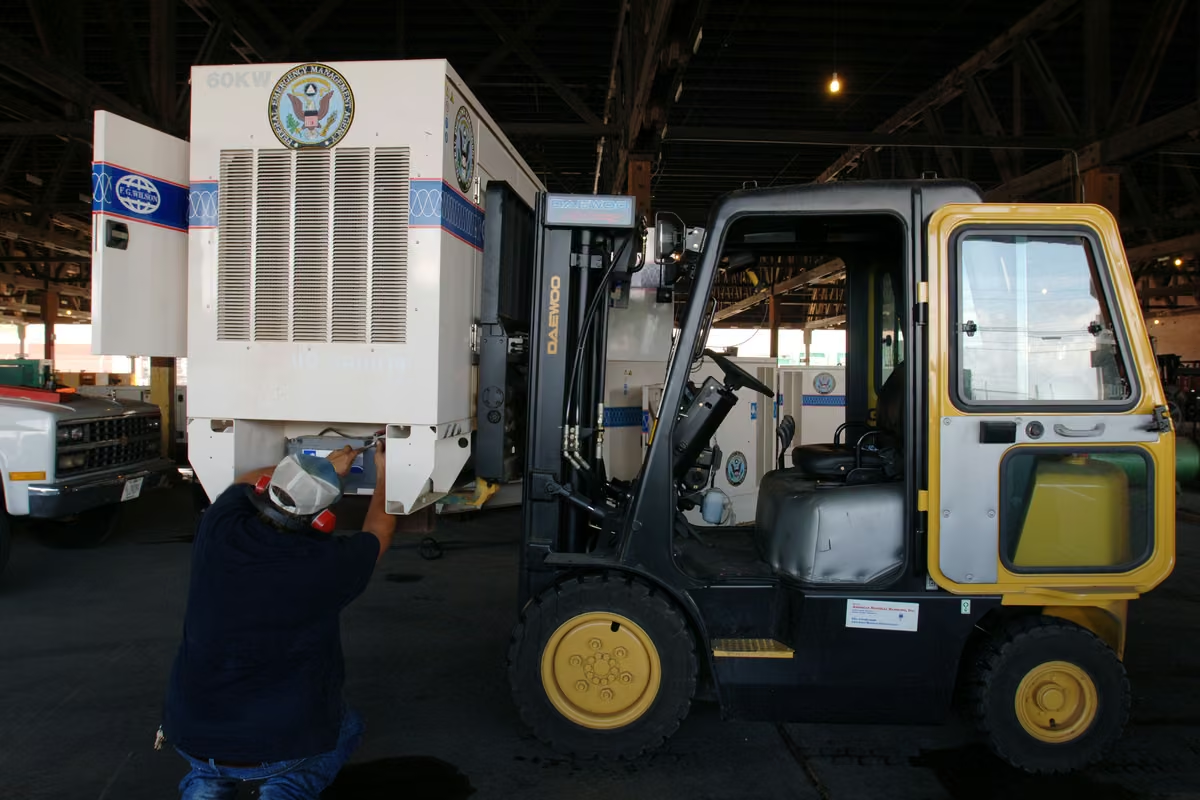
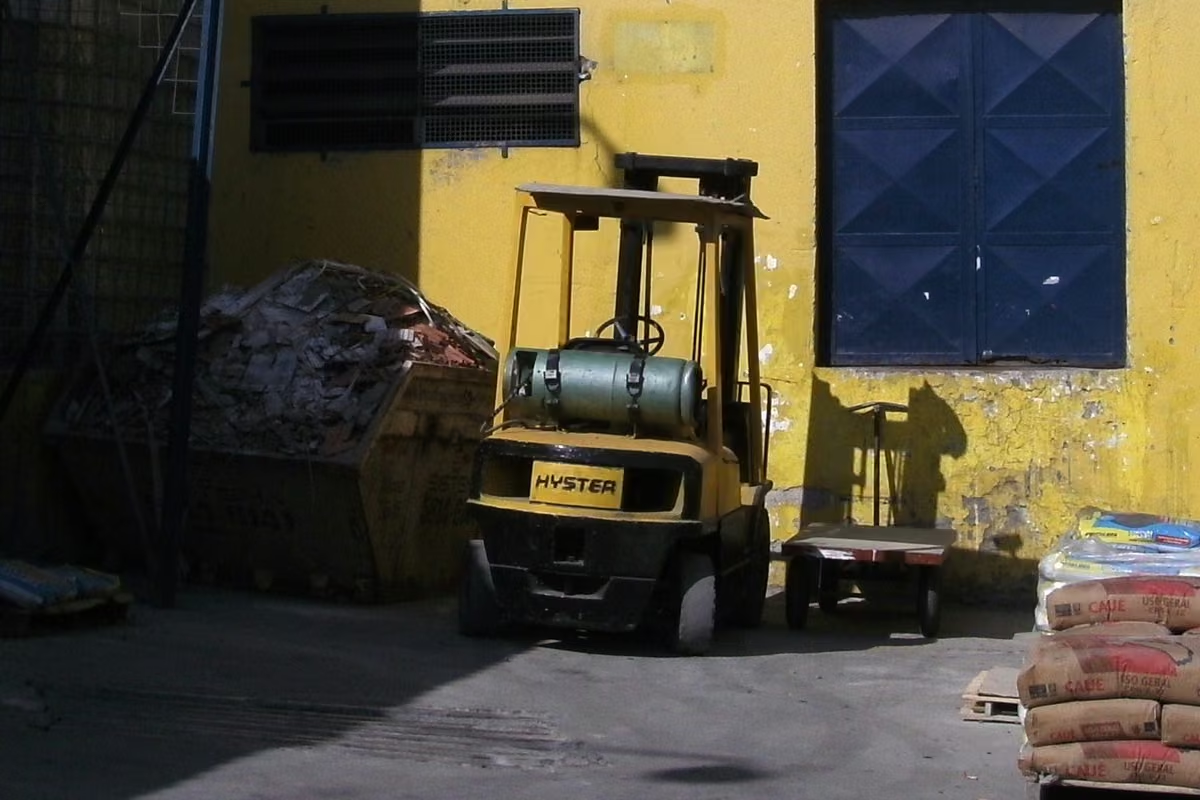
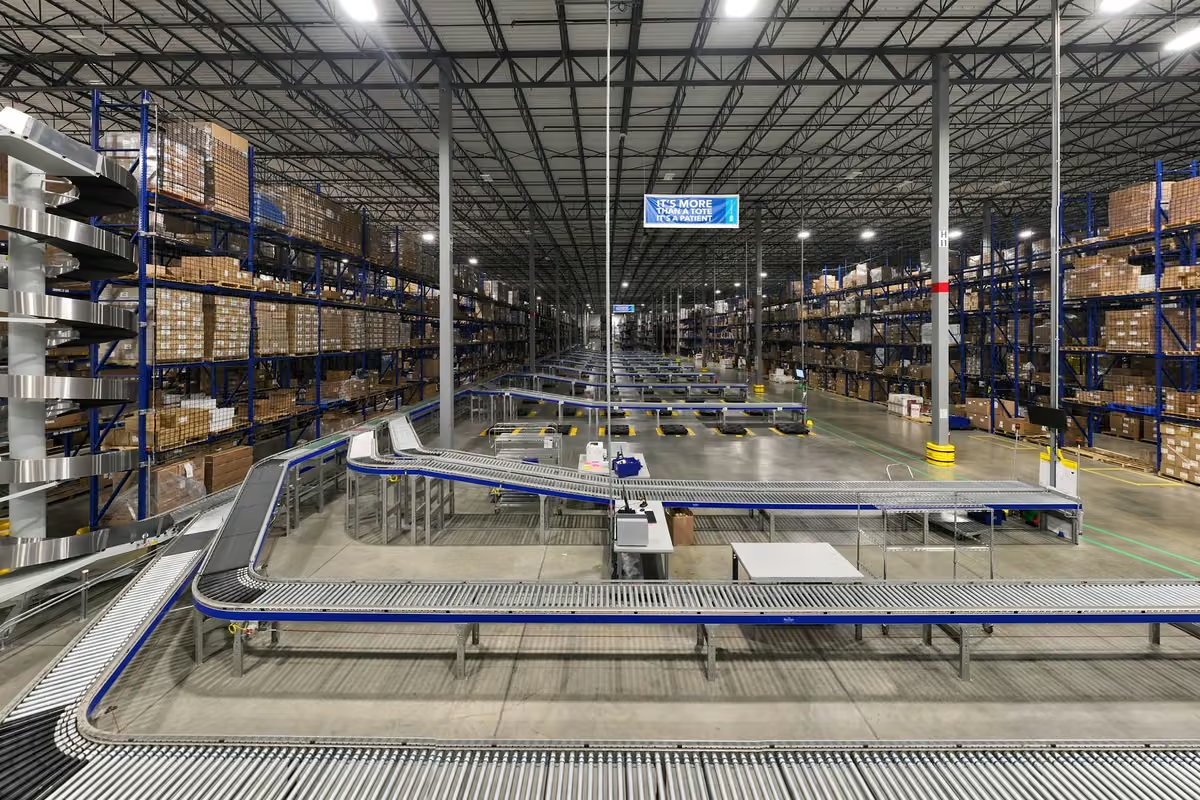
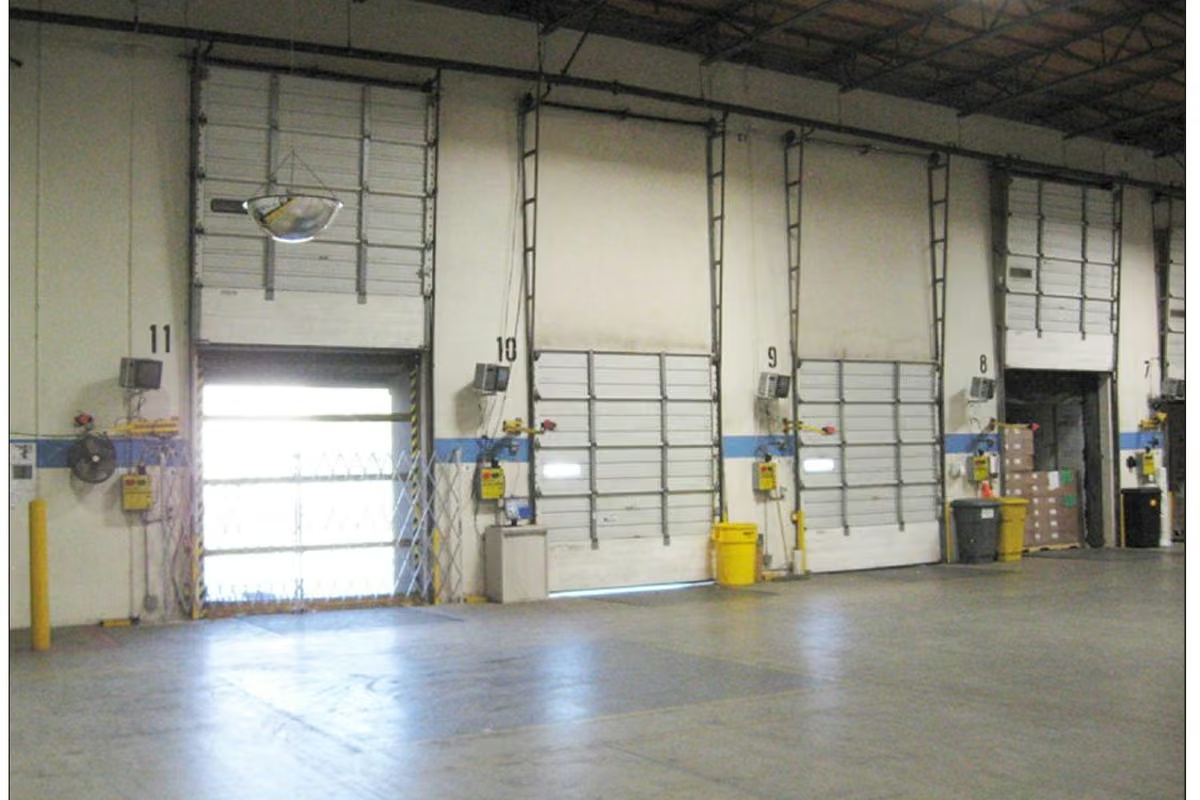

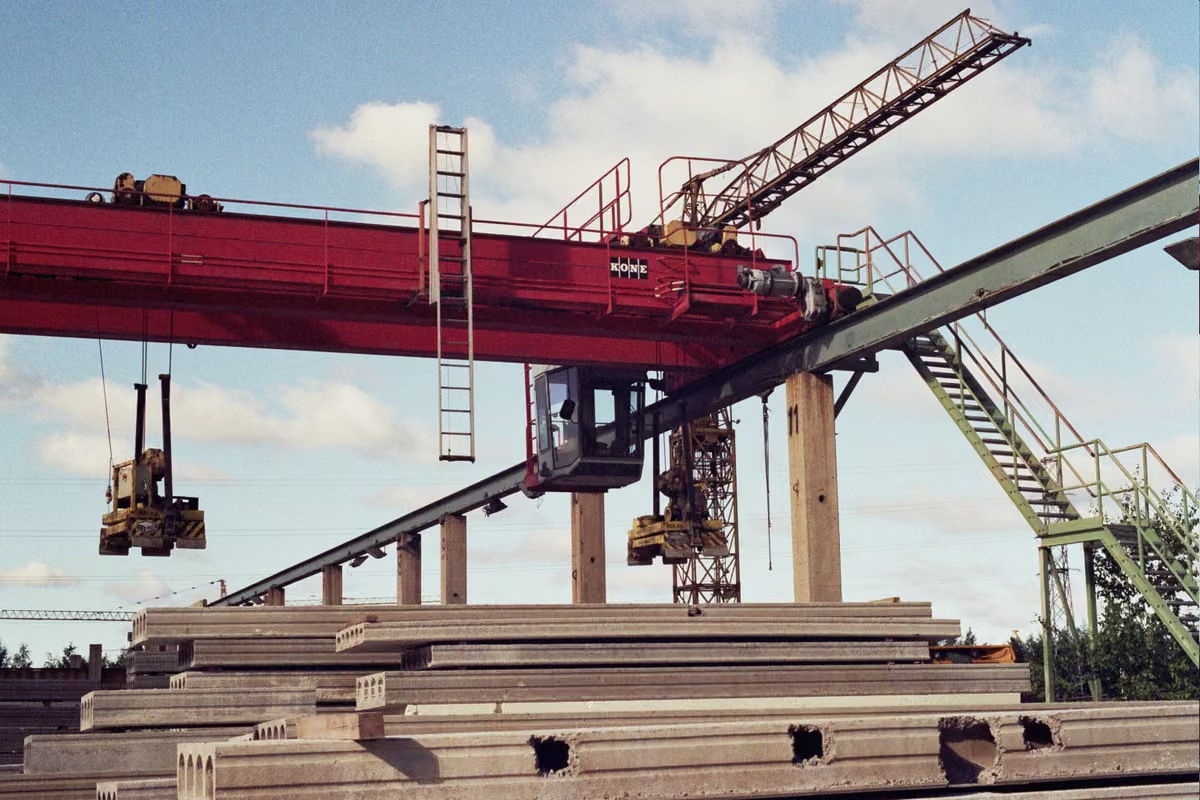
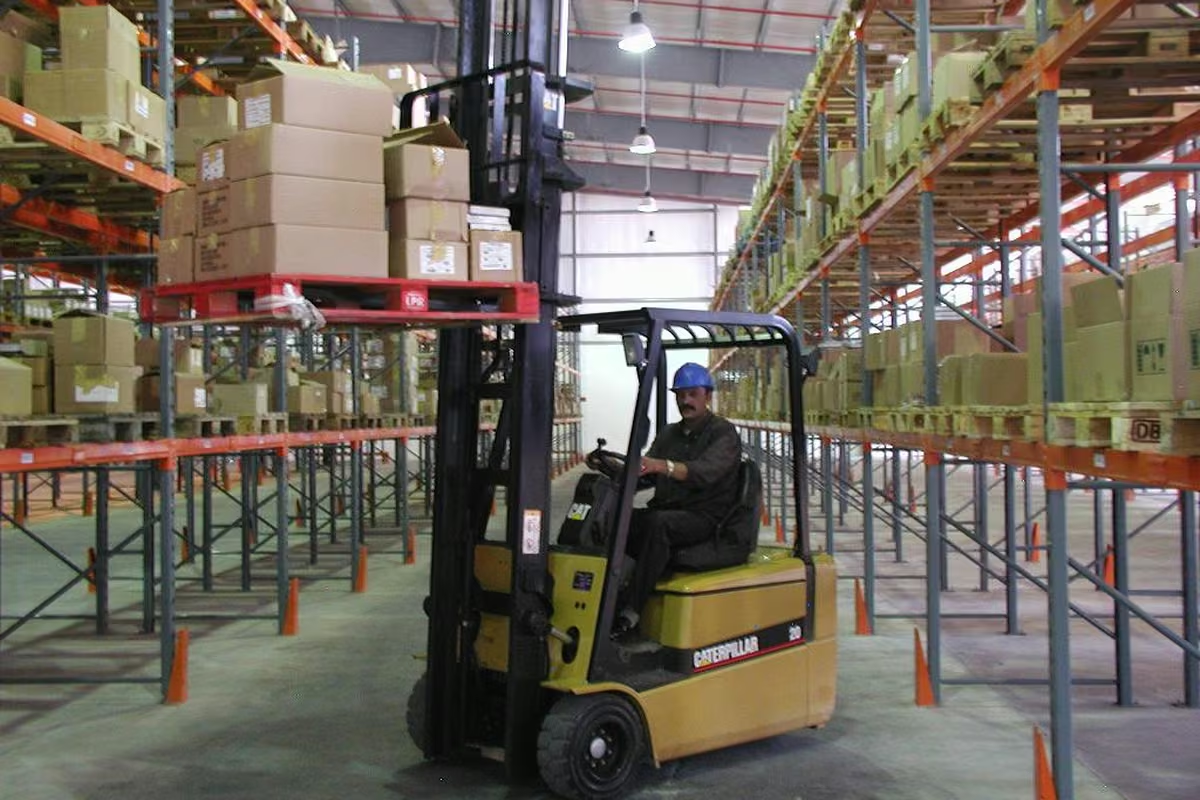
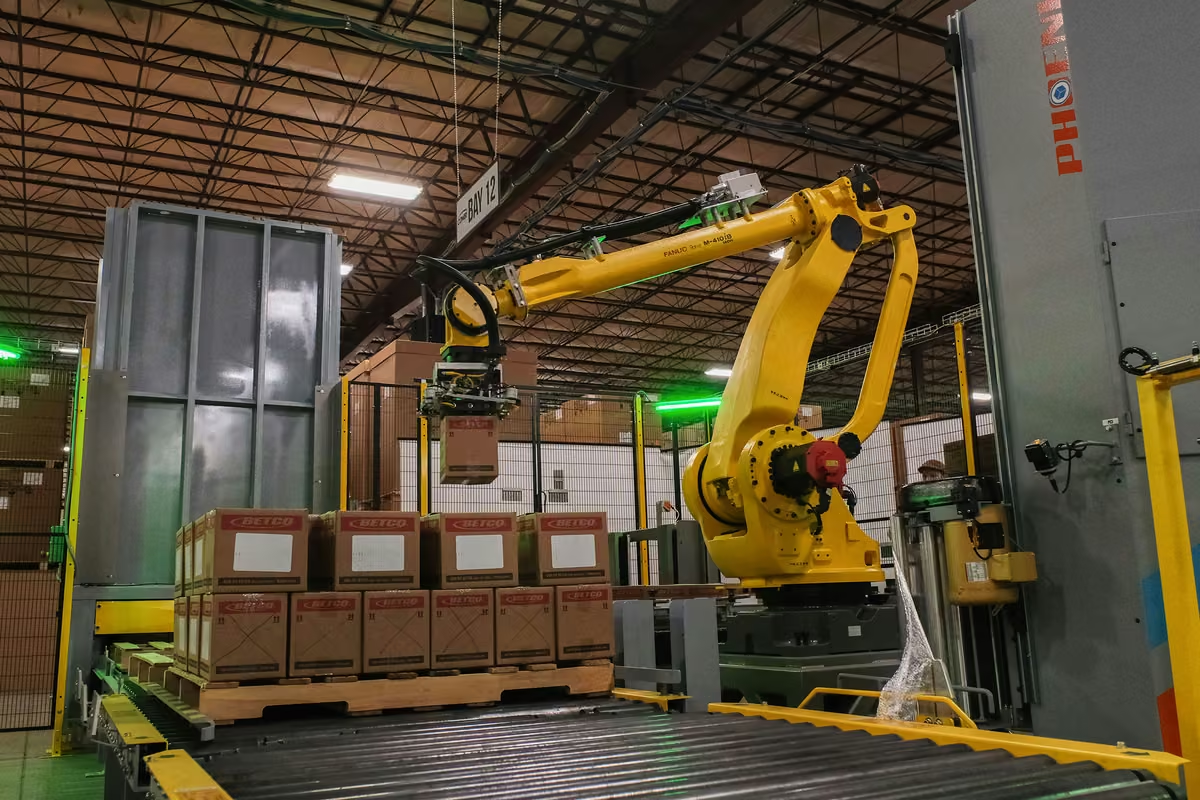
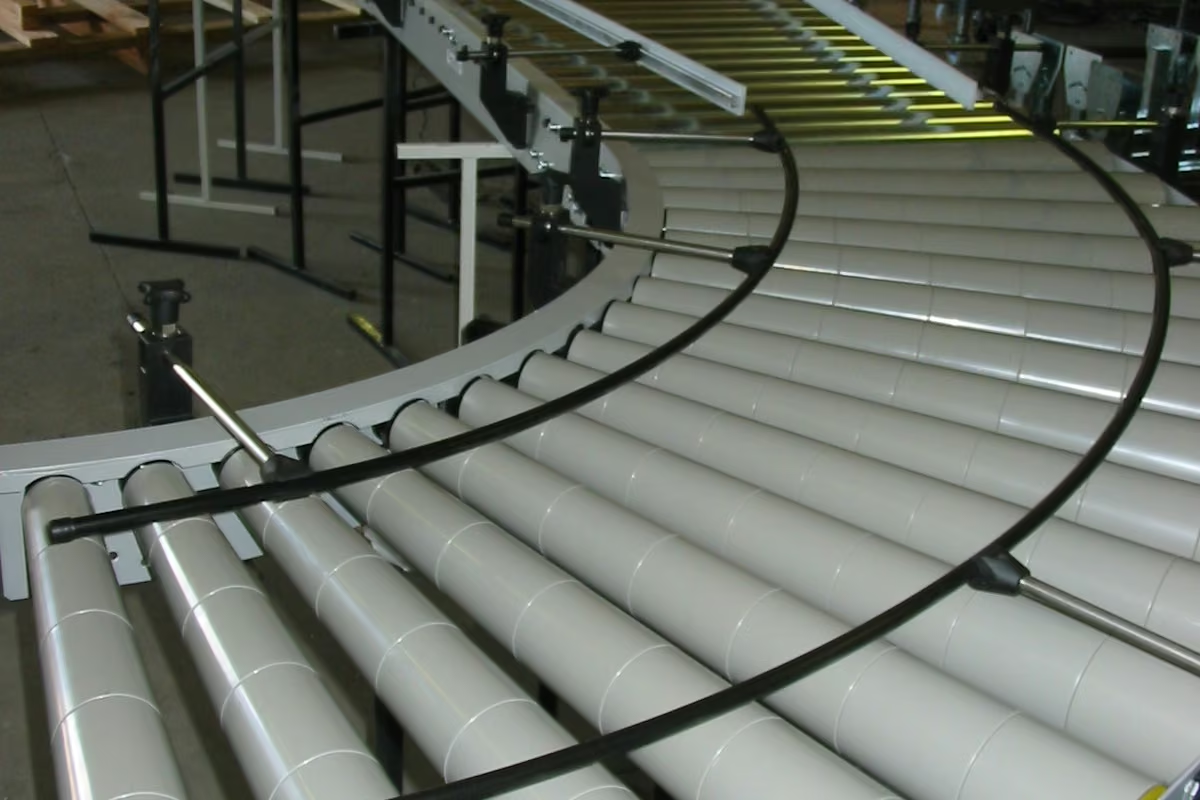

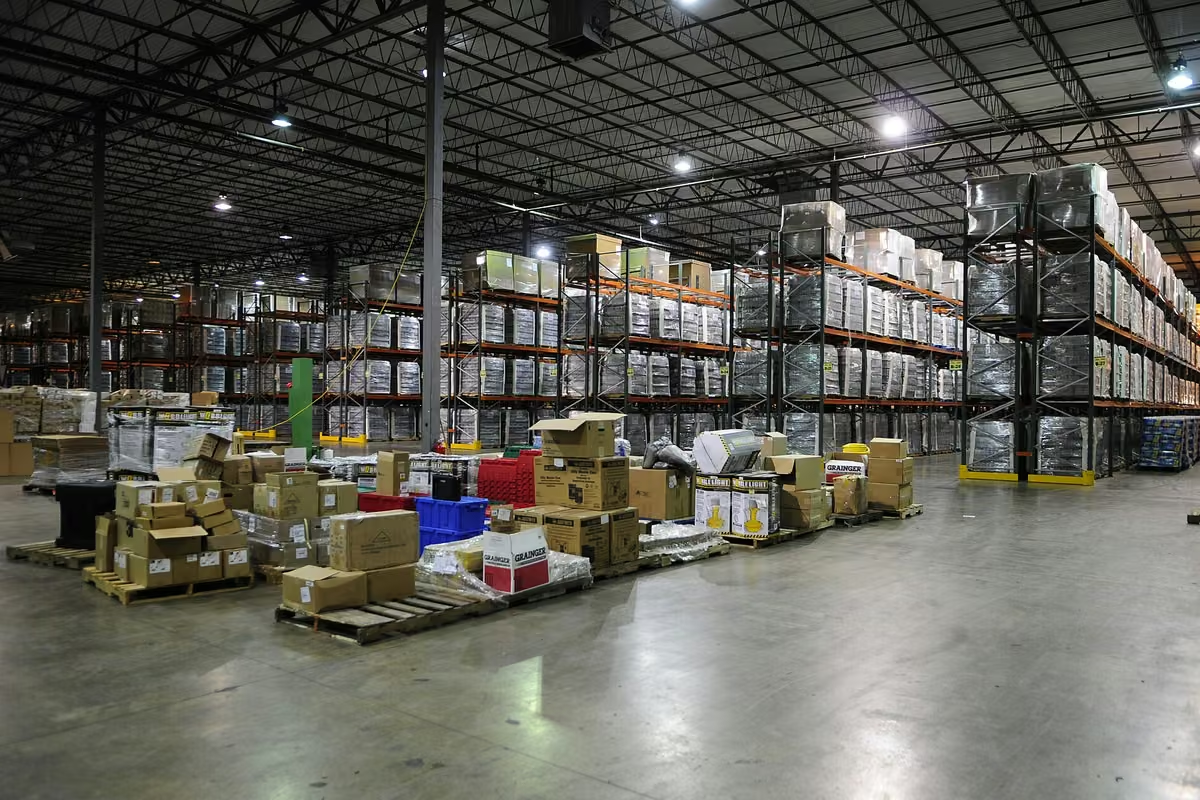
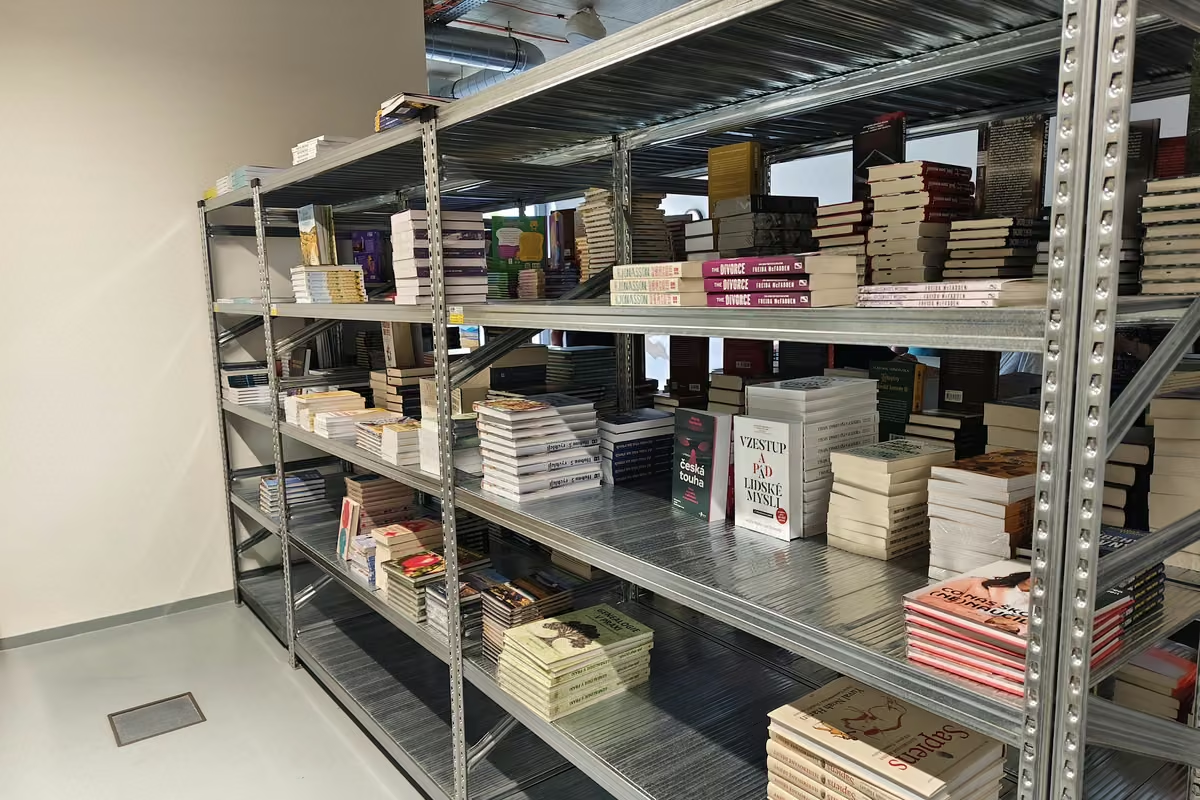
Manufacturers, dealers and integrators list material handling equipment on Towobo, from forklifts and pallet trucks to hoists, conveyors and racking, with capacities, lift heights, power types and dimensions. Buyers compare products across sellers and request quotes for single machines or complete warehouse fit-outs.
If you make or distribute equipment that lifts, moves or stores goods, open a store on Towobo and reach warehouse operators, factories and distributors planning new capacity.
Key information for B2B buyers sourcing material handling equipment from global manufacturers.
Factory-direct orders typically start at 100–500 units. Wholesalers often accept 10–50 unit MOQs. Always confirm MOQ and price breaks in writing before placing a bulk order.
Request certificates relevant to your market: CE (EU), ISO 9001 (quality), RoHS (electronics), and UN38.3 (battery transport). Verify originals before payment.
Sample orders typically ship in 3–7 days. Production runs take 15–45 days depending on volume. Confirm Incoterms (FOB, CIF, EXW) and freight charges before signing.
Request physical samples before committing to bulk. Use Towobo's Payment Protection on all transactions. Compare at least 3 suppliers on price, lead time, and certifications.