

This category covers the components that start, stop, regulate and protect flow in pipe systems, and the parts that join pipes together. Water utilities, oil and gas operators, chemical and food plants, power stations, shipyards, building services contractors and pipe merchants buy them, from single valves to project quantities.
Selection starts with the fluid, pressure class, temperature and pipe size, then the body and trim materials, end connections (threaded, flanged, welded) and the standards the project names, such as ASME, API, EN or ISO. Manufacturers, foundries and forging shops supply direct; stockists and pipe, valve and fittings distributors serve fast deliveries and mixed orders. Valve automation, from manual gearboxes to pneumatic and electric actuators, is often bought from the same source so the package arrives tested together. Material certificates and pressure test records are usually required for industrial work.
When comparing valve and fittings suppliers, ask which design and testing standards each product follows, the pressure and temperature ratings, and the exact body, trim and seal materials. Request mill certificates or material test reports, pressure test records, and marking details. Check dimensional standards for end connections, stock levels for common sizes, and lead times on large or special items.

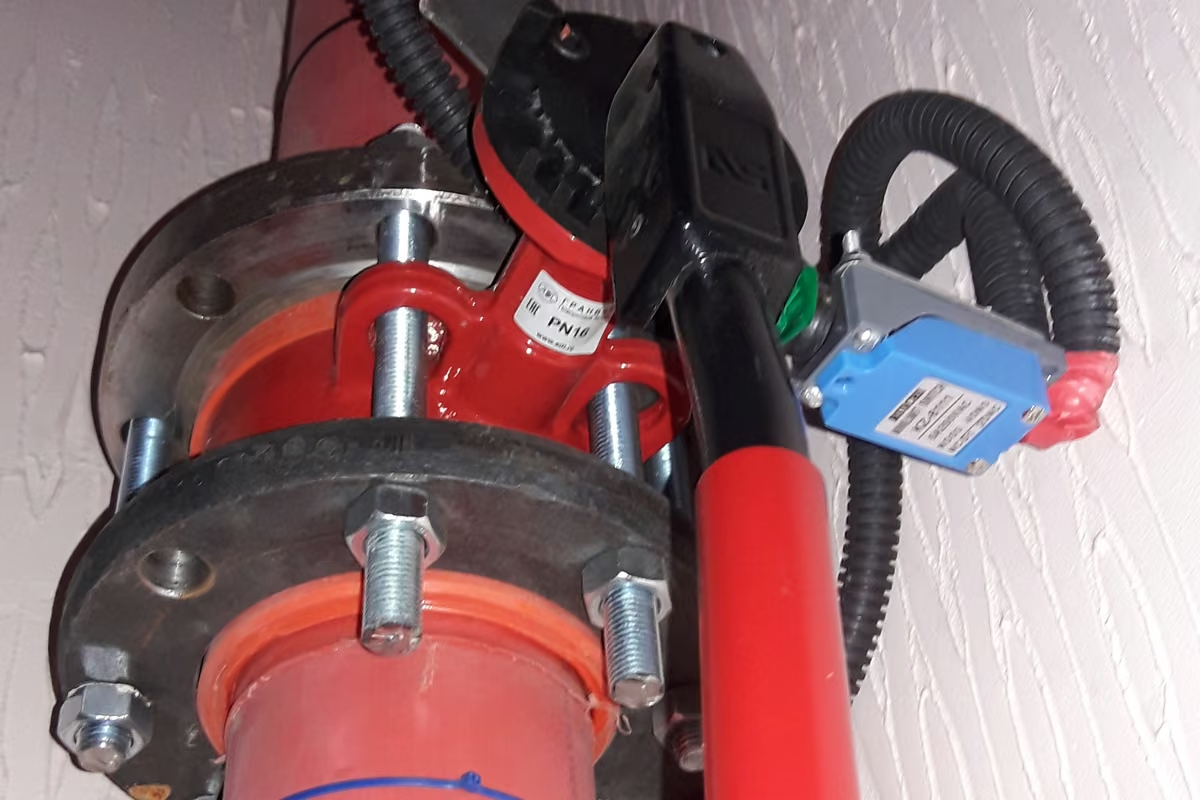


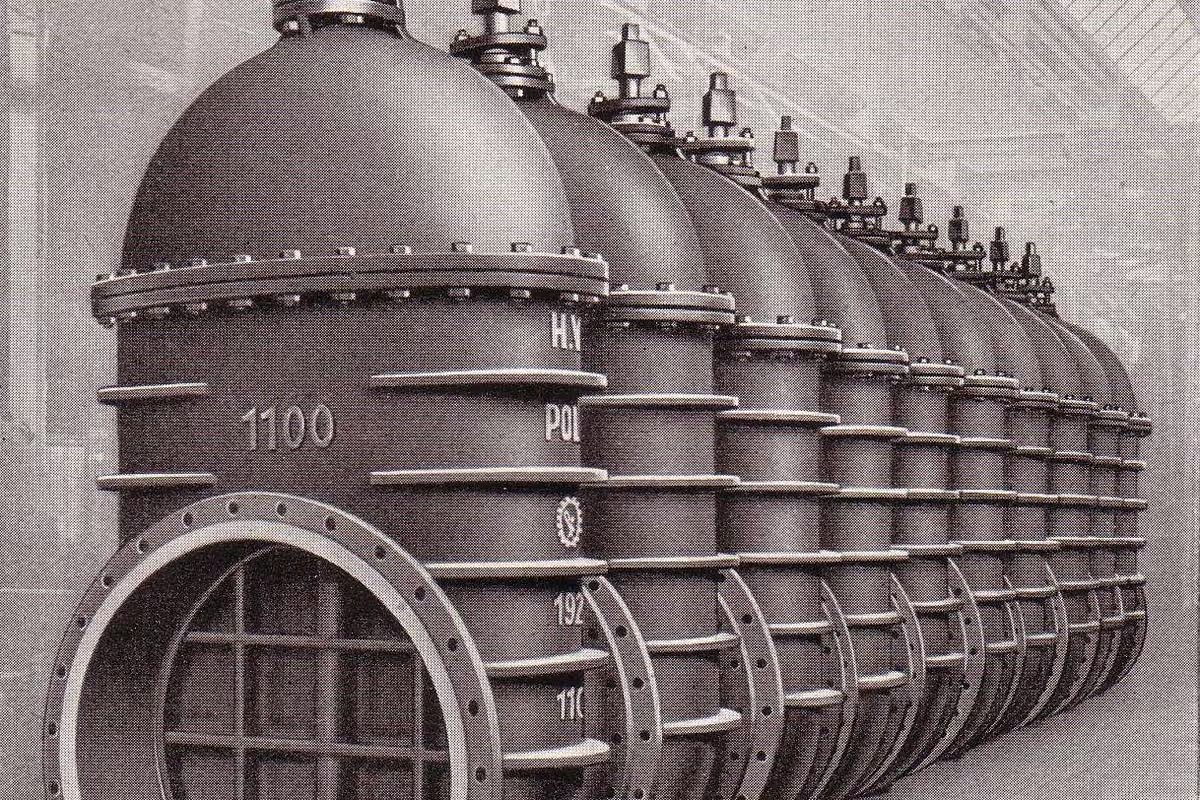
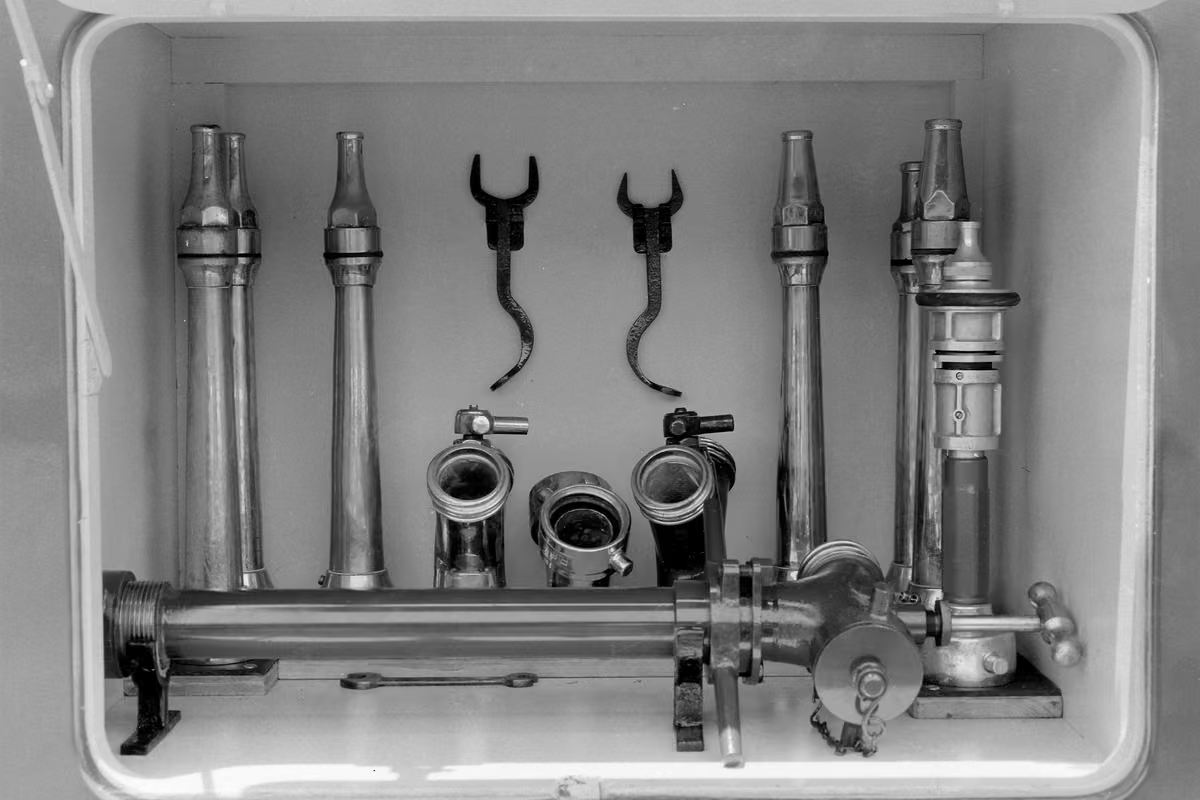
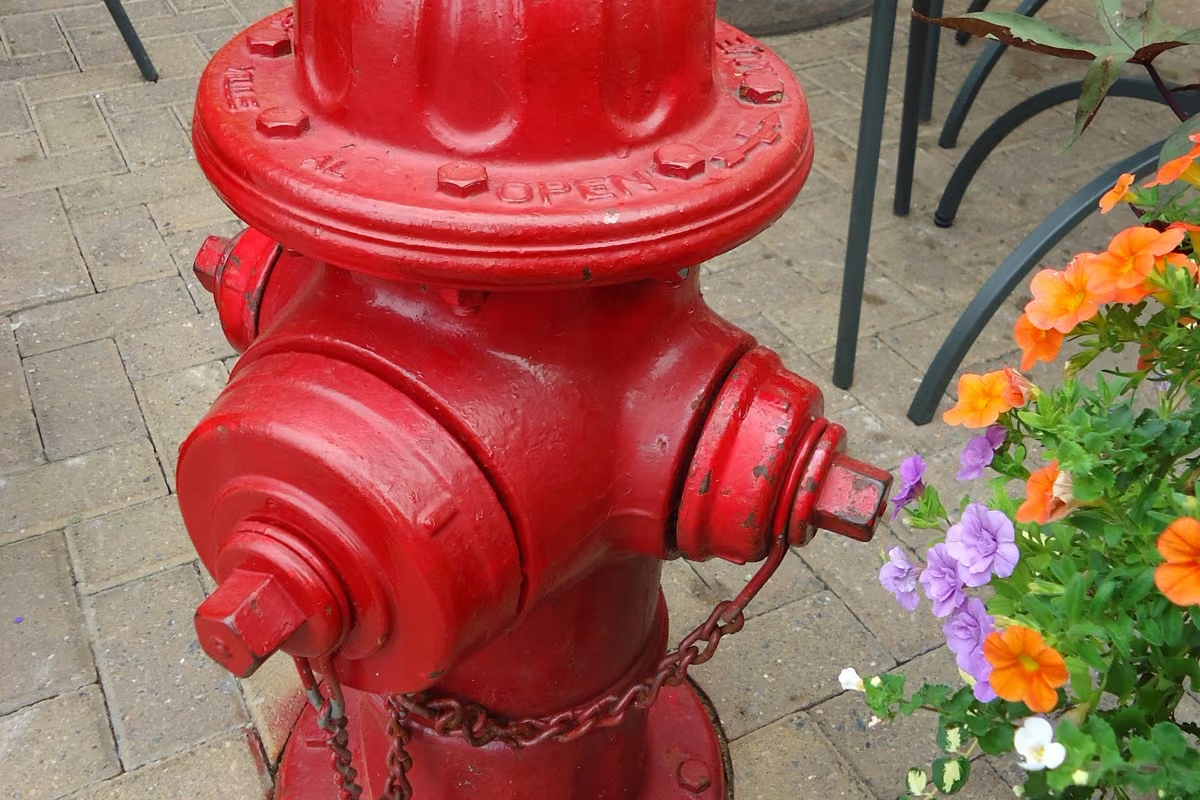

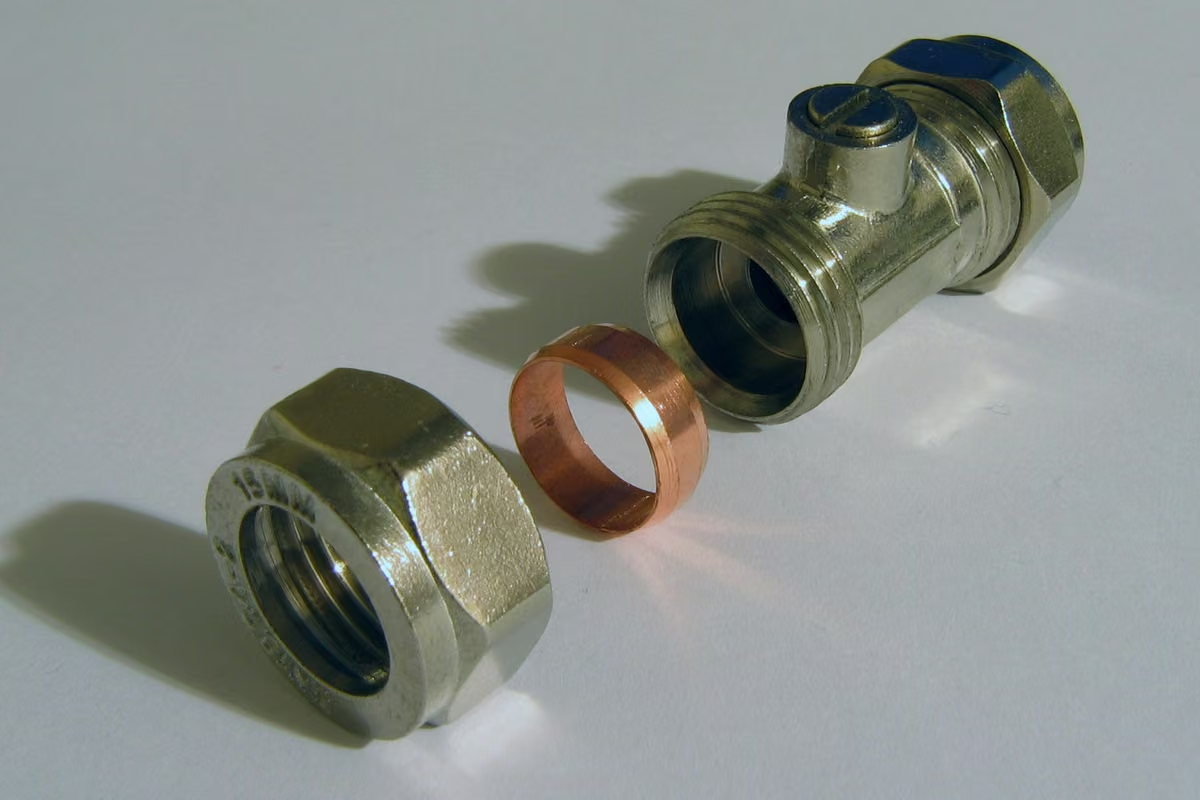
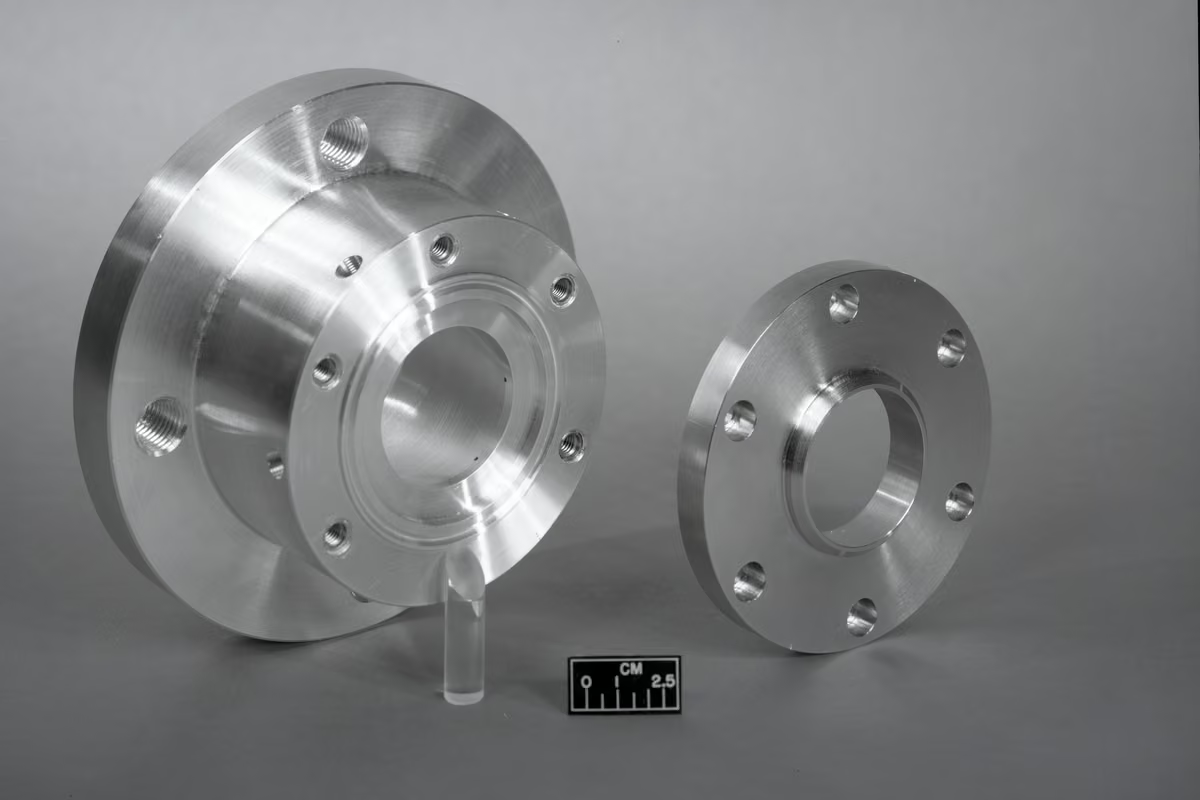

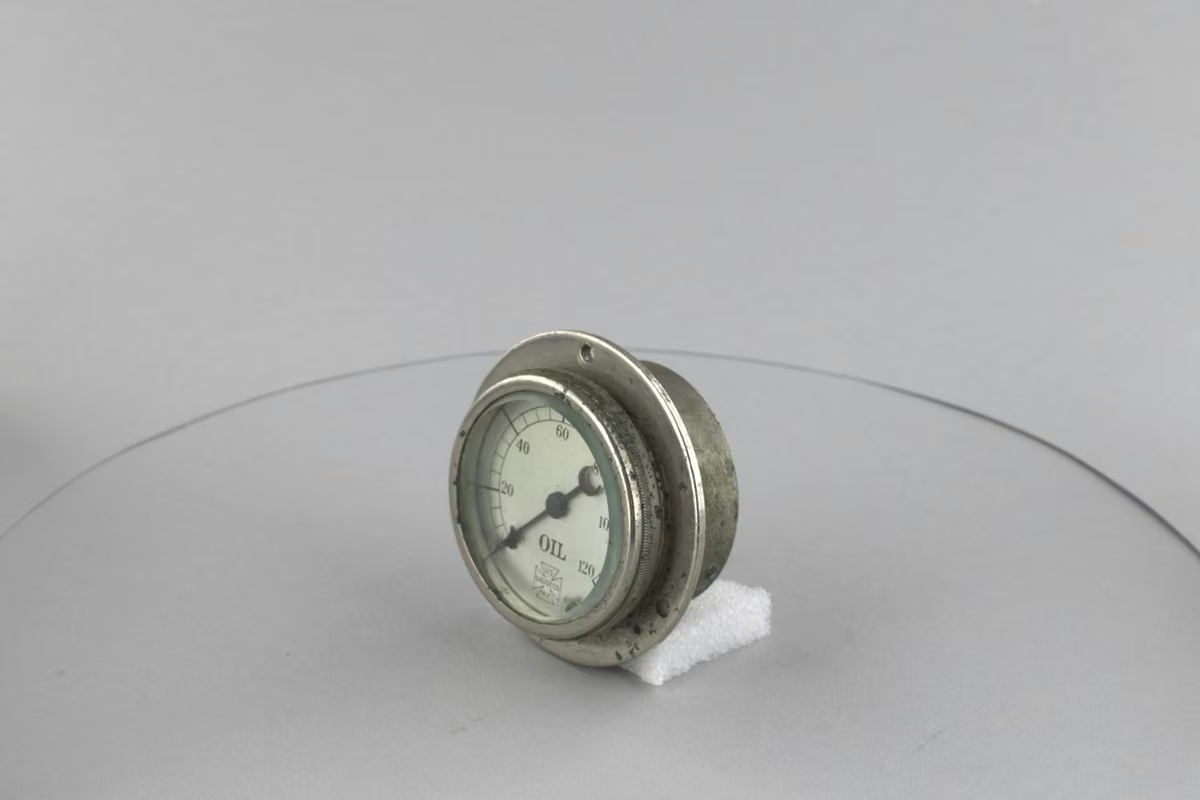
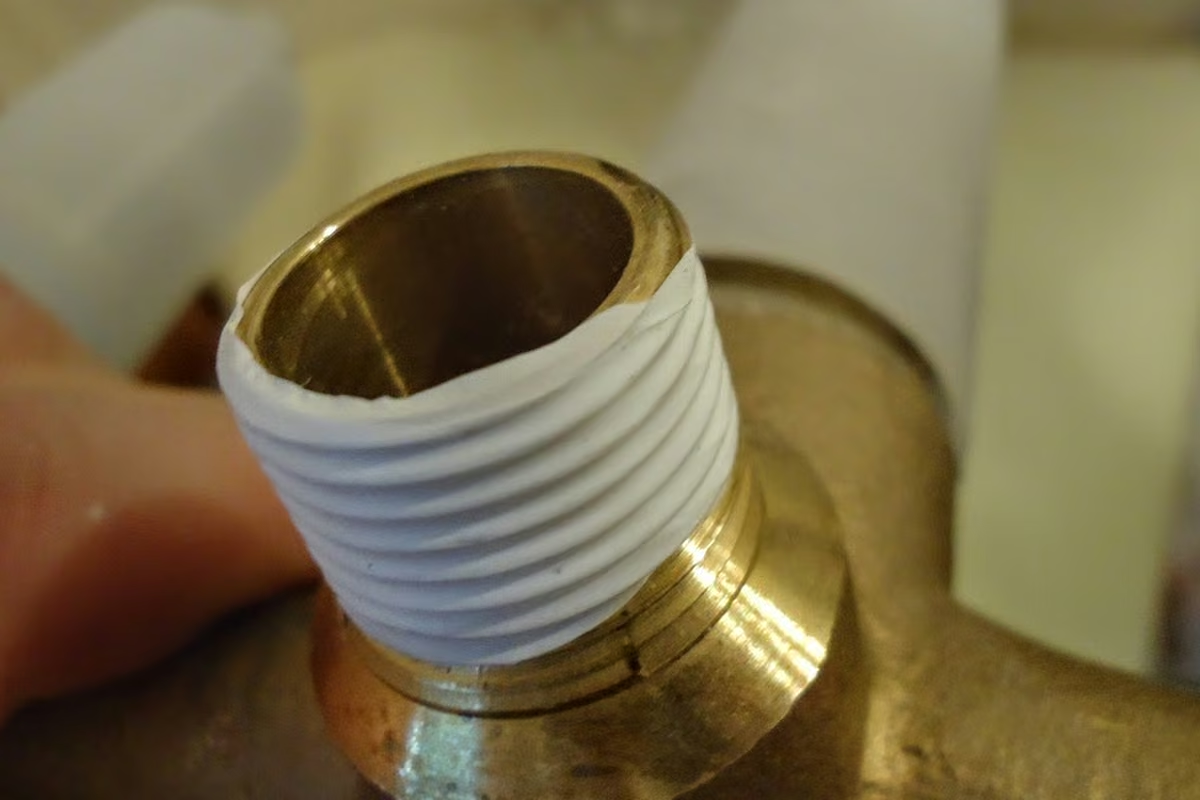
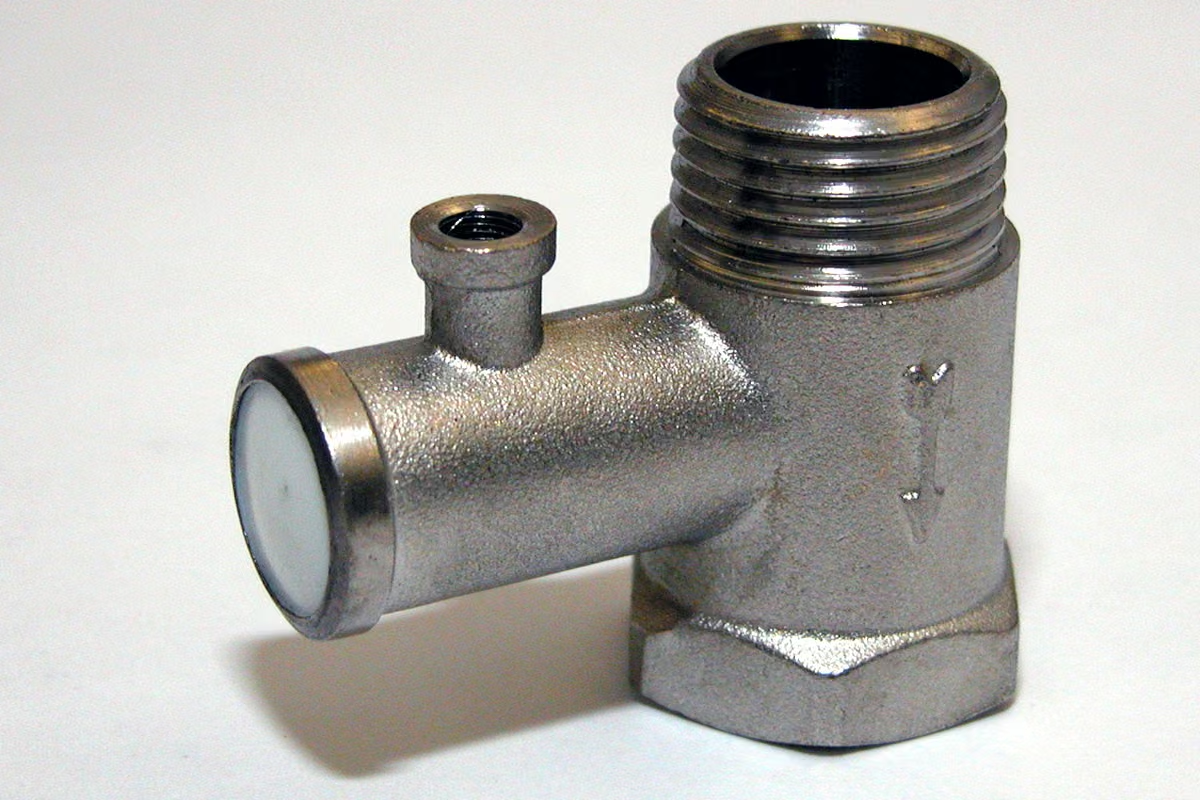
Valve manufacturers, forging and casting plants, and pipe, valve and fittings stockists list on Towobo with sizes, pressure classes, materials, end connections and the standards they meet. Buyers compare products across this category and request quotes for project lists or regular stock orders.
Producers and distributors of valves, fittings, flanges, hoses and line components can open a store on Towobo and reach contractors and plant buyers. Clear size ranges and certification details make it easier for engineers to shortlist your products.
Key information for B2B buyers sourcing industrial valves & fittings from global manufacturers.
Factory-direct orders typically start at 100–500 units. Wholesalers often accept 10–50 unit MOQs. Always confirm MOQ and price breaks in writing before placing a bulk order.
Request certificates relevant to your market: CE (EU), ISO 9001 (quality), RoHS (electronics), and UN38.3 (battery transport). Verify originals before payment.
Sample orders typically ship in 3–7 days. Production runs take 15–45 days depending on volume. Confirm Incoterms (FOB, CIF, EXW) and freight charges before signing.
Request physical samples before committing to bulk. Use Towobo's Payment Protection on all transactions. Compare at least 3 suppliers on price, lead time, and certifications.