

This category brings together the furnaces, kilns and consumables that melt, fire, calcine and heat treat materials at high temperature. Buyers are steelworks, foundries, cement and lime plants, glassworks, brick makers, forging shops, laboratories and the engineering firms that build these plants.
Choice starts with the material and the process temperature, then the throughput and the energy available. Electric melting suits sites with a strong power supply, while fuel-fired kilns suit bulk minerals. Batch furnaces give flexibility, and continuous furnaces give lower cost per metric ton. Emissions control, energy efficiency and refractory life weigh heavily in the total cost of ownership.
The market is served by specialist furnace engineers, turnkey plant contractors, refractory producers and makers of consumables. Large systems are designed to order with installation and commissioning, while laboratory furnaces and crucibles are stocked items shipped from the warehouse.
When comparing furnace and kiln suppliers, ask for reference installations processing a similar material, the guaranteed throughput and specific energy consumption, and the refractory design and expected campaign life. Check the control system, the emissions equipment, the scope of supply and who handles installation, commissioning and training. Request spare parts lists and committed response times for service.


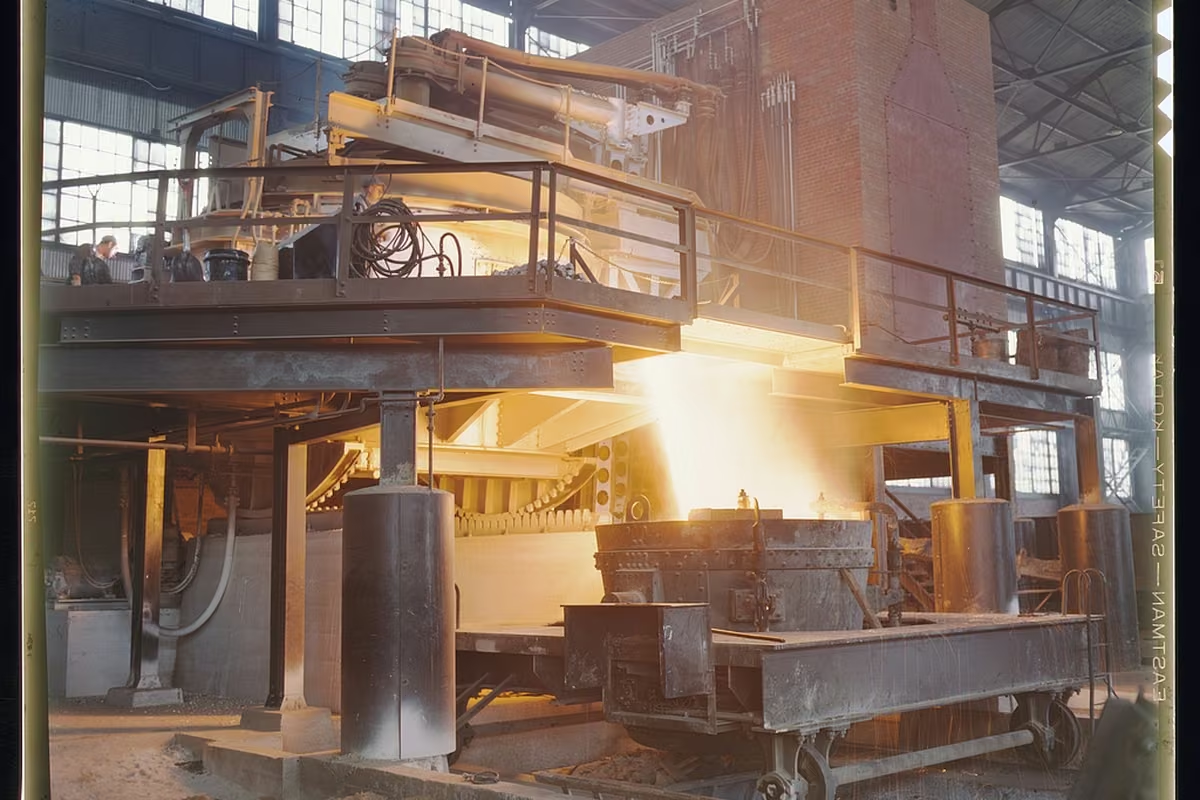
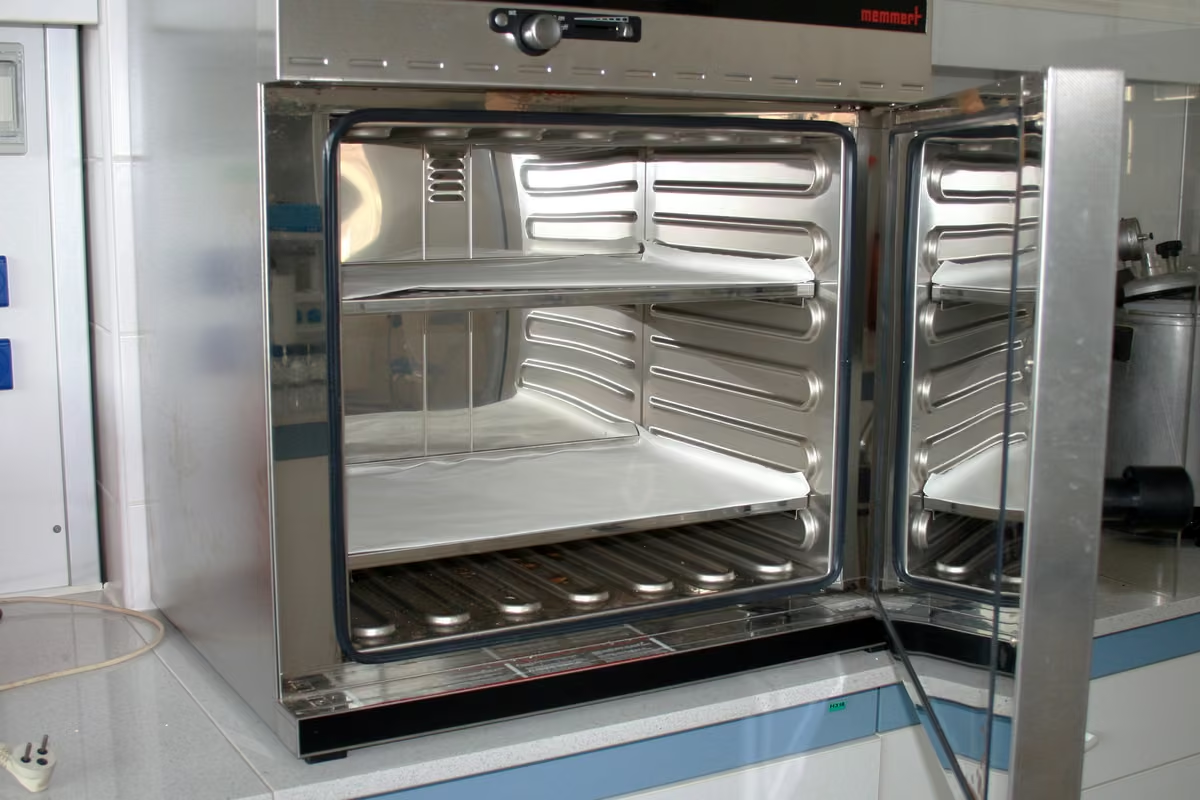
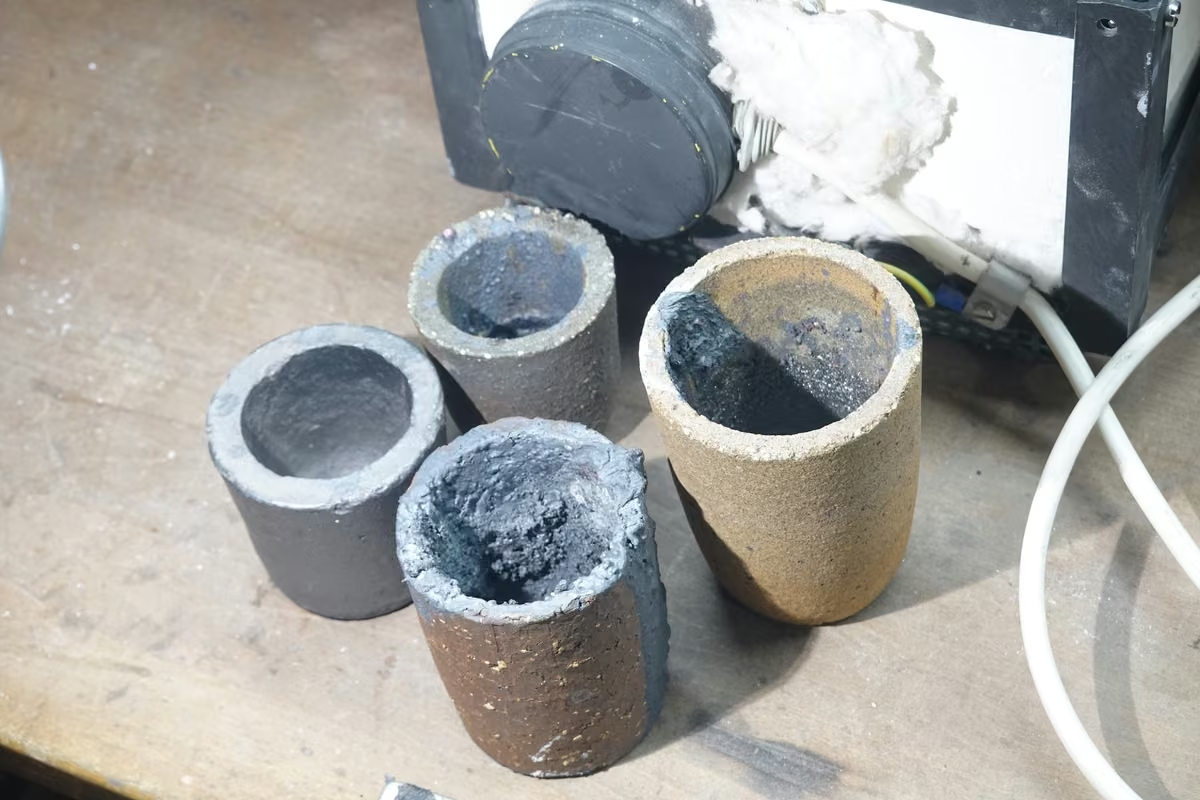
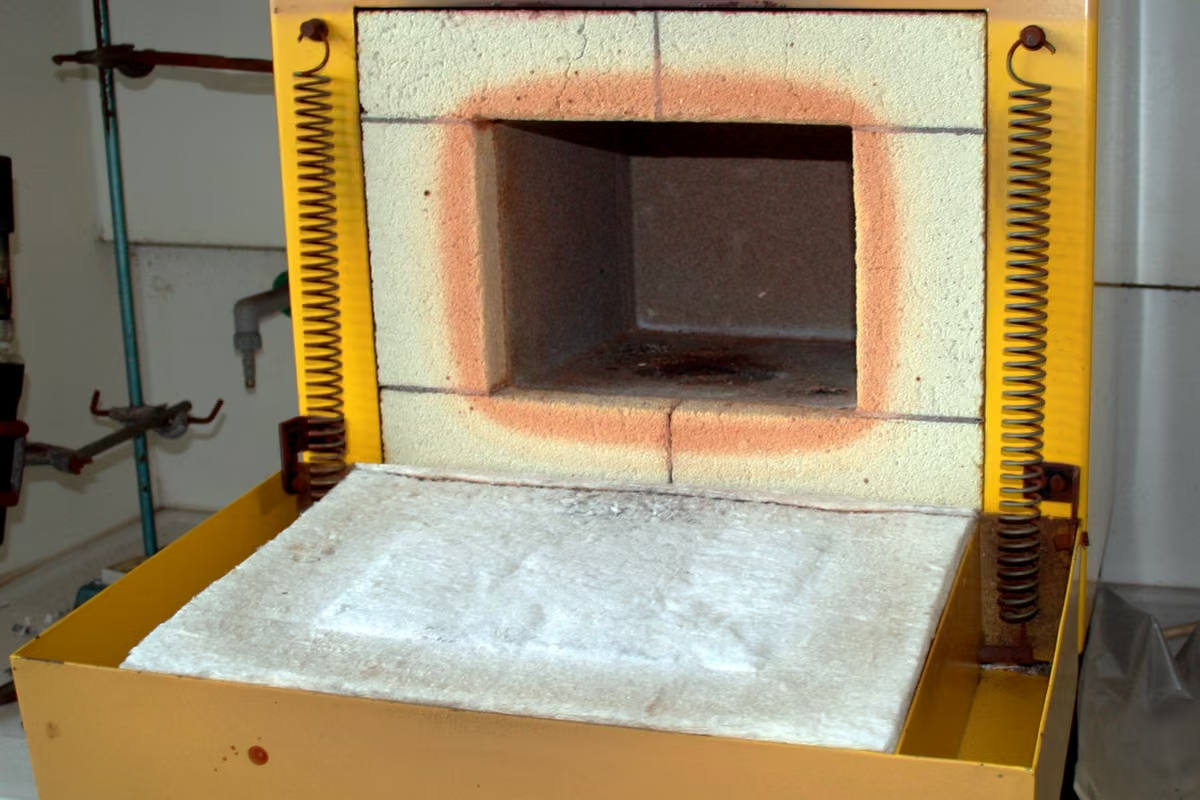
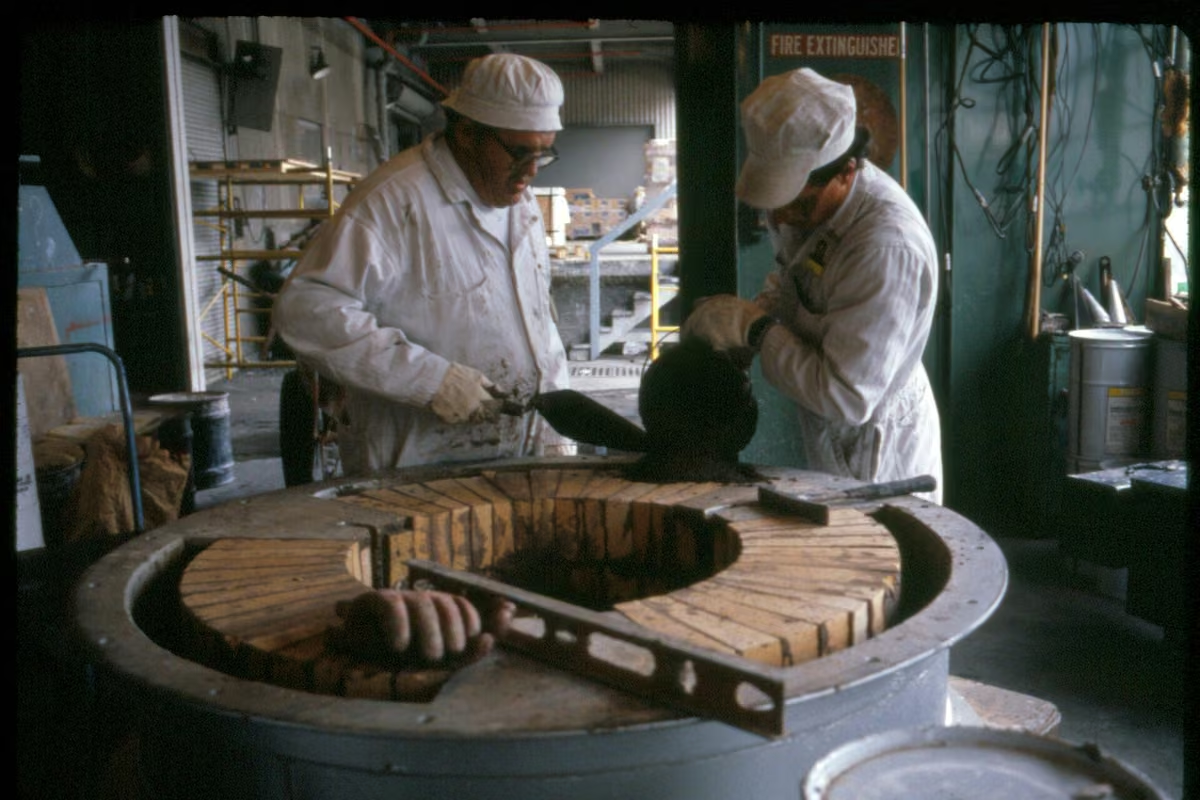
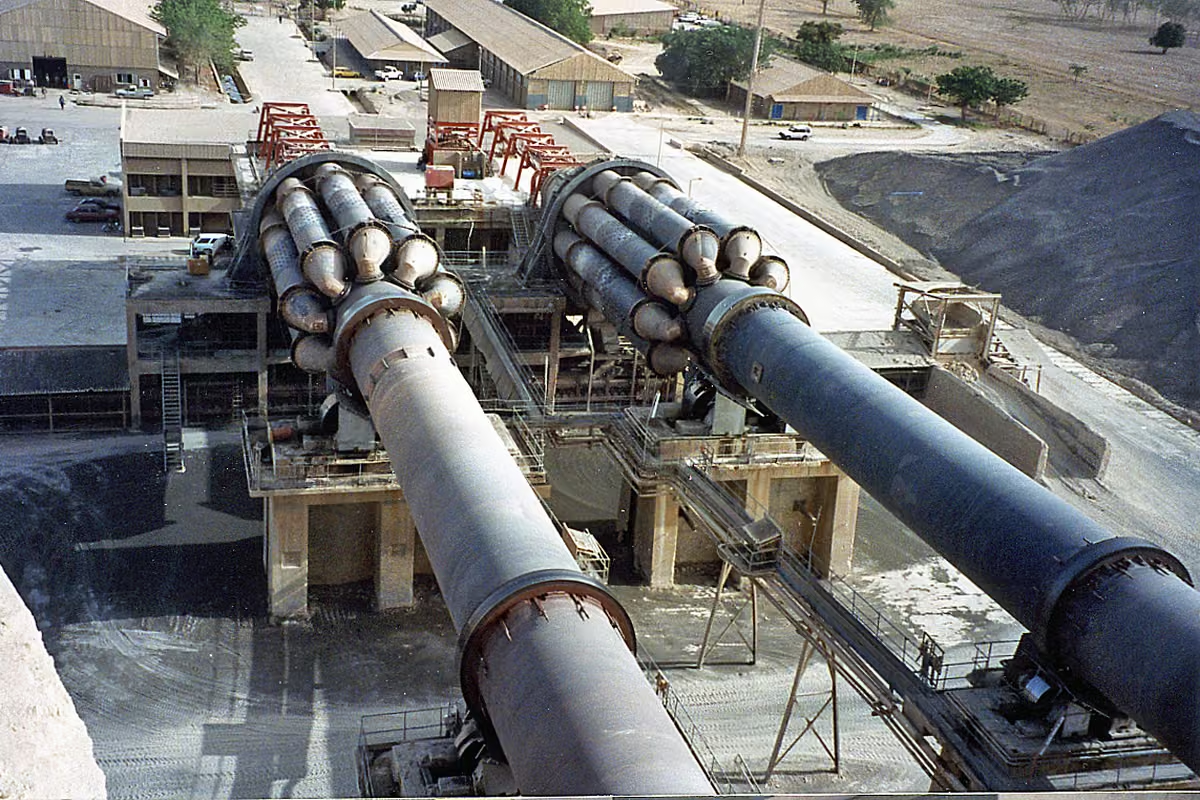
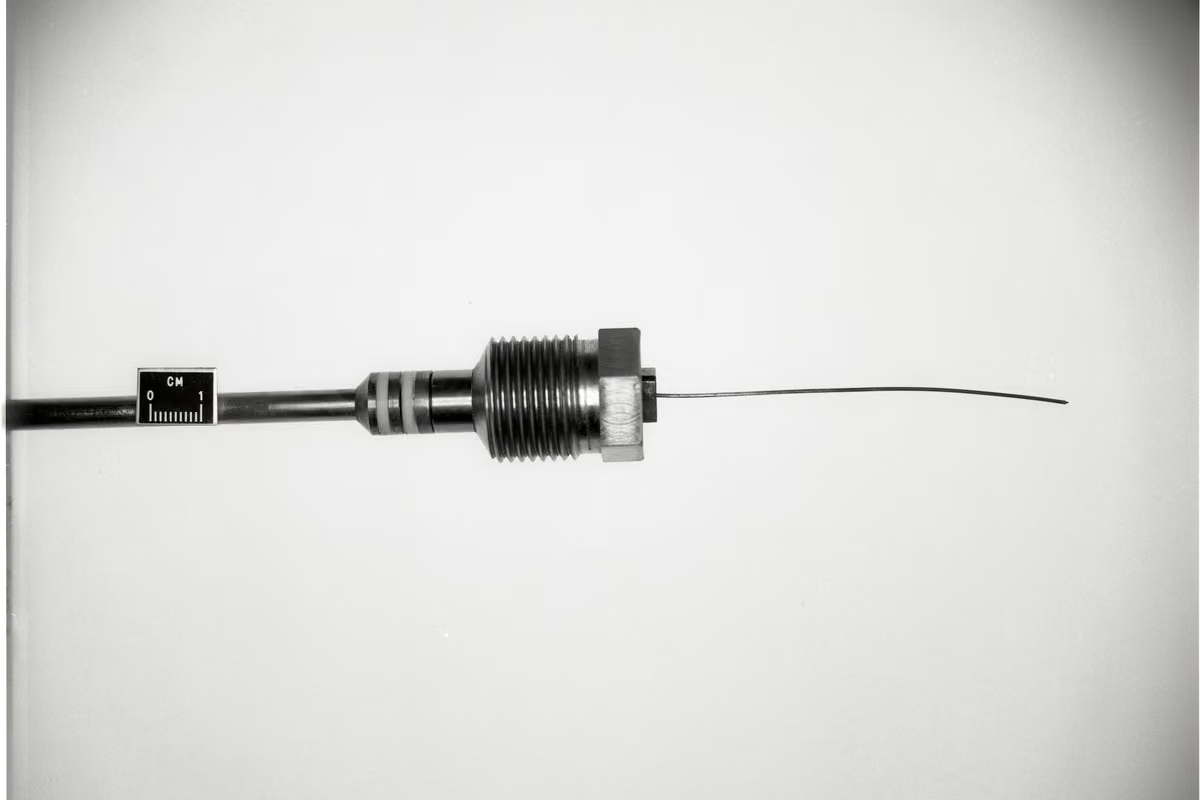
Furnace builders, kiln engineers, refractory makers and foundry equipment producers list their systems and consumables on Towobo, setting out temperatures, capacities, energy sources and scope of supply. Buyers compare offers and request quotes or technical proposals. Sharing the material and target throughput up front makes the proposals easier to compare.
Specialists in thermal processing equipment can open a store on Towobo and present their furnaces, kilns and refractories to industrial plants planning new capacity, upgrades or relines.
Key information for B2B buyers sourcing industrial furnaces & kilns from global manufacturers.
Factory-direct orders typically start at 100–500 units. Wholesalers often accept 10–50 unit MOQs. Always confirm MOQ and price breaks in writing before placing a bulk order.
Request certificates relevant to your market: CE (EU), ISO 9001 (quality), RoHS (electronics), and UN38.3 (battery transport). Verify originals before payment.
Sample orders typically ship in 3–7 days. Production runs take 15–45 days depending on volume. Confirm Incoterms (FOB, CIF, EXW) and freight charges before signing.
Request physical samples before committing to bulk. Use Towobo's Payment Protection on all transactions. Compare at least 3 suppliers on price, lead time, and certifications.