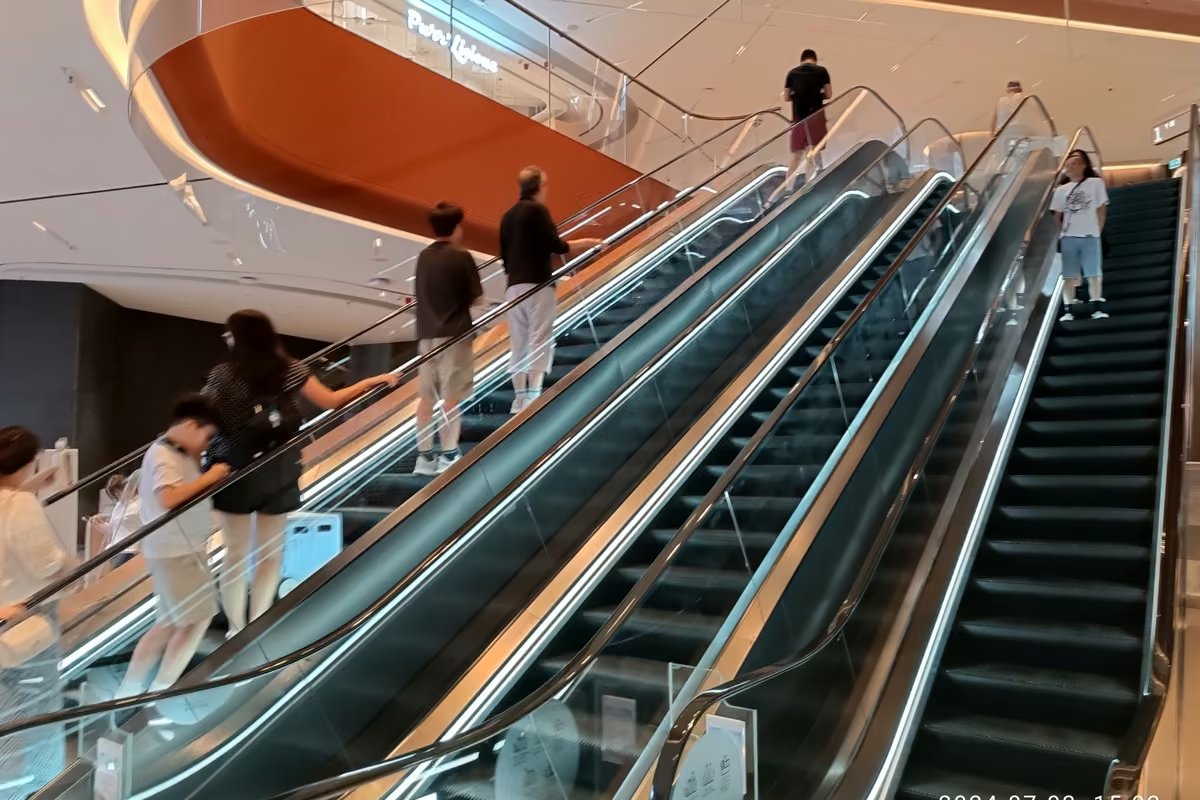
This category covers machines that move people and goods between floors, from a two-stop home lift to banks of high-rise passenger elevators, along with escalators, moving walkways and the parts that keep them running. Buyers are property developers, main contractors, lift installation companies, facilities managers and parts distributors.
Traffic volume, building height and what is being carried decide the equipment. Elevators suit any height but move people in batches; escalators carry continuous flows over one or two floors. Machine-room-less traction lifts save space, while hydraulic lifts suit low-rise buildings with heavy loads. Lift safety standards such as EN 81-20 and EN 81-50, or EN 115 for escalators, apply in Europe, and many other countries base their rules on them, but local codes and inspection regimes differ.
Sellers range from complete-system manufacturers that design, ship and supervise installation, to component makers and regional distributors of spare parts.
Vertical transport suppliers should state which safety standards the equipment is certified to and whether a notified body or third party has tested it. Check the controller and drive origin, the energy rating, and the scope: shaft survey, installation supervision, commissioning and maintenance training. Confirm spare parts availability for at least the expected service life and the response to fault diagnosis abroad.
Lift manufacturers, escalator builders and parts distributors list their equipment on Towobo, setting out rated load, speed, number of stops, drive type and the standards they meet. Buyers can compare complete systems and components across suppliers, then request quotes with shaft sizes, floor counts and delivery terms for a specific project.
Manufacture lifts, people movers or vertical transport parts? Open a store on Towobo and present your range to developers, contractors and installation companies sourcing equipment for new buildings and modernization work.
Key information for B2B buyers sourcing elevators & escalators from global manufacturers.
Factory-direct orders typically start at 100–500 units. Wholesalers often accept 10–50 unit MOQs. Always confirm MOQ and price breaks in writing before placing a bulk order.
Request certificates relevant to your market: CE (EU), ISO 9001 (quality), RoHS (electronics), and UN38.3 (battery transport). Verify originals before payment.
Sample orders typically ship in 3–7 days. Production runs take 15–45 days depending on volume. Confirm Incoterms (FOB, CIF, EXW) and freight charges before signing.
Request physical samples before committing to bulk. Use Towobo's Payment Protection on all transactions. Compare at least 3 suppliers on price, lead time, and certifications.