
Home and garden goods fill the shelves of supermarkets, hardware stores and discount chains, and equip hotels, rental properties and offices. Most lines sell on a mix of price, design and pack format, and many are bought seasonally. Buyers range from department stores and online sellers to hotel groups, facility managers and garden centers.
Retailers buy mixed containers from factories that can combine several product lines, while hotels and property managers often buy direct in fixed specifications. Hotel bedding and towels are specified by thread count or grams per square meter, while plastics are judged on resin type and wall thickness. Items that touch food need food-contact compliance, such as LFGB or FDA testing, and electrical garden tools need the safety marks of the destination market. Check the product safety rules where you sell.
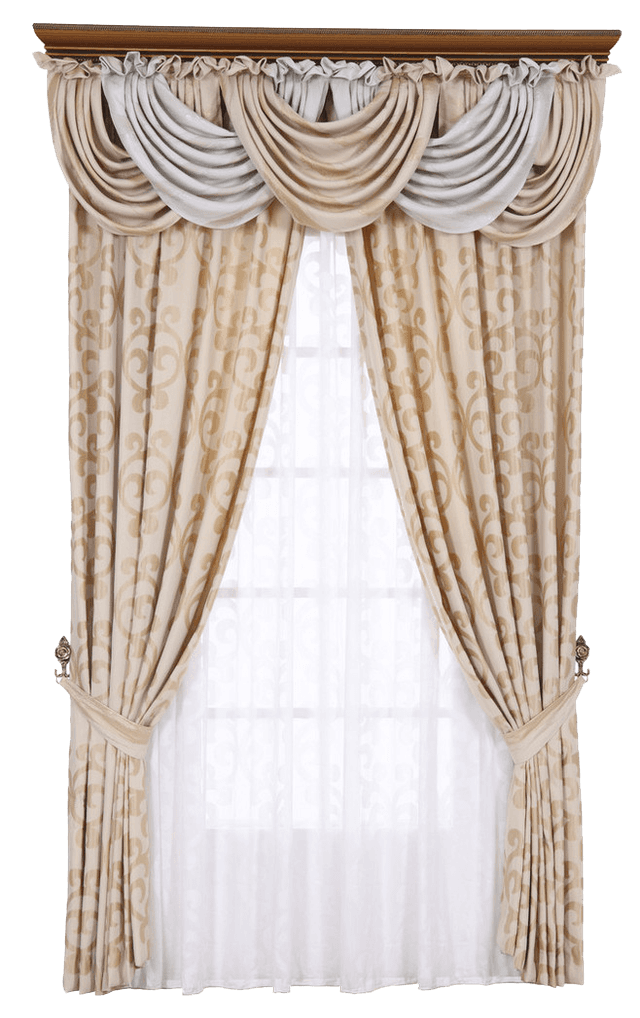
Window Coverings for Retailers, Hotels and Fit-Out ContractorsCurtains and blinds control light, privacy and heat, and in hotels and offices they also have to meet fire rules. The category covers finished curtains and blinds, the fabrics they are made from, and the hardware that hangs them. Buyers include home-furnishing retailers, interior designers, hotel groups, hospitals and office fit-out firms.What the Category IncludesCurtains, Sheer Curtains and Blackout Curtains: ready-made panels with eyelet, pencil pleat or rod pocket headings, plus voiles and light-blocking ranges.Roller Blinds: screen, dim-out and blackout fabrics on chain or motorized tubes.Venetian Blinds: aluminum slats, often 25 mm, and wood or faux wood in 50 mm.Vertical Blinds: fabric or PVC louvres, commonly 89 mm or 127 mm wide, for offices and large windows.Curtain Rods & Rails, Curtain Accessories: metal poles, aluminum tracks, gliders, hooks and tiebacks.Curtain Fabrics: polyester, linen blends and coated blackout cloth sold by the roll.Shower Curtains and Window Films: PEVA and polyester liners, and frosted, solar or privacy films.How Buyers ChooseRetailers buy ready-made sizes in retail packs. Contractors and hotels order made-to-measure, specifying drop, width, fullness and lining, and they need inherently flame-retardant or treated fabrics tested to standards such as BS 5867 or NFPA 701. Blackout performance depends on whether a fabric is triple-weave or foam-backed. Fullness of two to two and a half times the track width is typical for pleated curtains.Child SafetyBlinds with cords or chains should meet EN 13120 or the relevant national rule, with tensioners or cordless operation. Motorized systems are increasingly specified for large windows, usually with radio remotes or links to a building management system. Check the requirements in your market.
Featured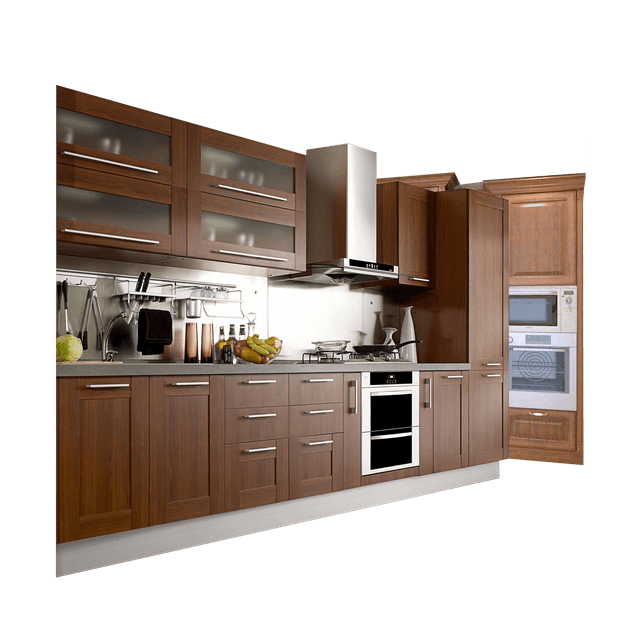
Tableware, Cookware and Kitchen Tools in BulkKitchen and dining covers what is used to prepare, serve and eat food, sold to retailers for home use and to hotels, restaurants and caterers (HoReCa) who need durable, matching pieces they can reorder for years.Product TypesPlates, Dinnerware Sets, Cups, Mugs and Tea Sets: porcelain, bone china, stoneware, melamine and enamel.Cutlery: stainless steel in 18/10, 18/0 or 13/0 grades, from budget to hotel weight.Glassware and Drinking Glasses: soda-lime tumblers, tempered glass for food service and borosilicate for heat resistance.Saucepans, Pots and Frying Pans: stainless steel, aluminum, cast iron and non-stick coated ranges, with induction bases where needed.Kitchen Knives and Cutting Boards: stainless or high-carbon blades, with boards in hardwood, bamboo or polyethylene.Mixing Bowls, Baking Trays and Kitchen Utensils: metal, silicone and nylon tools.Vacuum Flasks: double-wall stainless steel bottles and jugs.Choosing Between MaterialsHotels favor vitrified porcelain for chip resistance and dishwasher life, while melamine suits outdoor dining and children. In cutlery, 18/10 holds its shine longest, and 18/0 is lighter on cost. For cookware, base construction and coating durability matter more than appearance.Suppliers and ComplianceThe trade is served by ceramic and glass factories, stainless steel stamping plants, cookware makers and wholesalers who combine lines into one shipment. Anything that touches food should come with food-contact test reports, commonly to LFGB, FDA or EU requirements, including lead and cadmium release for glazed ware. Check the rules in your market.
FeaturedAsk homeware suppliers whether they will mix several items in one container and what the minimum is per color or design. Request test reports for food-contact, flammability or electrical safety as the product needs, and check retail packaging, barcodes and carton markings against your requirements. For seasonal garden lines, agree the shipping date well ahead so stock lands before the selling season starts.
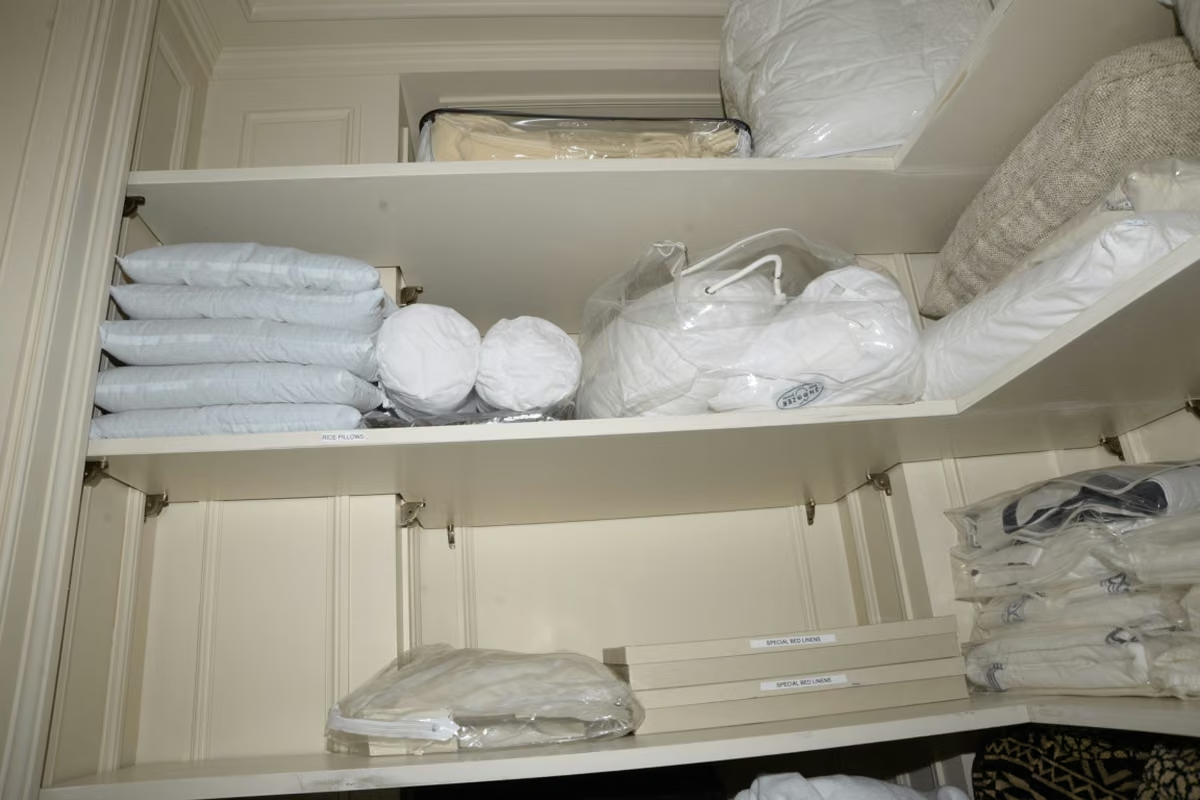
Bed and Bath Textiles for Homes and HospitalityBedding and linen covers the textiles people sleep in and dry off with. It sells through department stores, home textile chains, supermarkets and online retailers, and to hotels, hospitals, care homes, cruise lines and student accommodation through contract suppliers and laundries.Product Types in This CategoryBedding sets: duvet covers, sheets and pillowcases in cotton, polycotton, linen or microfibre.Quilts: filled duvets and comforters in down, feather, wool or polyester fiber, sold by tog or fill weight.Pillows: fiber, memory foam, latex, feather and down.Mattress protectors: waterproof and quilted covers that guard mattresses from spills and wear.Bedspreads: decorative covers, coverlets and quilted throws for the top of the bed.Bath towels and bath robes in terry, waffle and velour.Hotel linen: white sheets, towels and table linen built for industrial laundering.Sleeping mats: roll-up and foldable mats for floors, camping and guest use.How Buyers ChooseRetail buyers focus on design, color range, hand feel and packaging that sells on the shelf. Hospitality and healthcare buyers care about durability through repeated hot washes, consistent whites, shrinkage control and fire safety for upholstered items. Thread count, GSM, fiber content and fill weight are the shared language for comparing offers, and OEKO-TEX Standard 100 testing is widely requested.Who Supplies the TradeVertically integrated mills that spin, weave, dye and sew, specialist filling factories for quilts and pillows, towel mills, and contract linen wholesalers that hold stock for hotels. India, Pakistan, China, Turkey and Portugal are major producers of bed and bath textiles.
Household and Janitorial Cleaning SuppliesCleaning supplies are a repeat-purchase category: supermarkets, cash-and-carry stores, cleaning contractors, hotels, hospitals and facilities managers reorder every few weeks. The range splits into chemicals, tools and consumables, and each part is made by quite different factories.What the Category CoversDish soap and laundry detergent: liquids, powders and capsules, sold under retail brands and as private label.Bleach and toilet cleaners: hypochlorite and acid-based products for sanitizing and limescale removal.Floor and glass cleaners: ready-to-use sprays and concentrates for homes and commercial sites.Air care products: sprays, gels, reed diffusers and plug-in fresheners.Brooms, brushes, mops and buckets: manual tools made from plastics, fibers and metal.Sponges, scourers and cleaning cloths: foam, non-woven and microfibre consumables.Trash bags: polyethylene bin liners from kitchen to heavy-duty refuse sizes.How Buyers ChooseRetail buyers focus on pack design, fragrance, price per wash or per liter and shelf presence. Janitorial buyers care more about dilution ratios, coverage per liter, compatibility with machines and color-coded systems that keep washroom and kitchen tools apart. For chemicals, every buyer should ask for a safety data sheet (SDS) and labels that meet GHS or the local equivalent, and check the import rules and registration required in their market.Who Supplies the TradeChemical products come from blending plants and contract manufacturers that fill liquids into bottles, jerry cans, drums and IBCs, often under the buyer's own label. Tools come from plastic molders, brush makers and metal workshops, while cloths and sponges come from foam converters and non-woven or microfibre mills. Many buyers consolidate mixed containers through janitorial wholesalers who stock all three.
Window Coverings for Retailers, Hotels and Fit-Out ContractorsCurtains and blinds control light, privacy and heat, and in hotels and offices they also have to meet fire rules. The category covers finished curtains and blinds, the fabrics they are made from, and the hardware that hangs them. Buyers include home-furnishing retailers, interior designers, hotel groups, hospitals and office fit-out firms.What the Category IncludesCurtains, Sheer Curtains and Blackout Curtains: ready-made panels with eyelet, pencil pleat or rod pocket headings, plus voiles and light-blocking ranges.Roller Blinds: screen, dim-out and blackout fabrics on chain or motorized tubes.Venetian Blinds: aluminum slats, often 25 mm, and wood or faux wood in 50 mm.Vertical Blinds: fabric or PVC louvres, commonly 89 mm or 127 mm wide, for offices and large windows.Curtain Rods & Rails, Curtain Accessories: metal poles, aluminum tracks, gliders, hooks and tiebacks.Curtain Fabrics: polyester, linen blends and coated blackout cloth sold by the roll.Shower Curtains and Window Films: PEVA and polyester liners, and frosted, solar or privacy films.How Buyers ChooseRetailers buy ready-made sizes in retail packs. Contractors and hotels order made-to-measure, specifying drop, width, fullness and lining, and they need inherently flame-retardant or treated fabrics tested to standards such as BS 5867 or NFPA 701. Blackout performance depends on whether a fabric is triple-weave or foam-backed. Fullness of two to two and a half times the track width is typical for pleated curtains.Child SafetyBlinds with cords or chains should meet EN 13120 or the relevant national rule, with tensioners or cordless operation. Motorized systems are increasingly specified for large windows, usually with radio remotes or links to a building management system. Check the requirements in your market.
Featured
The Garden Supplies Trade, from Seedling to PatioGarden supplies cover everything a gardener, landscaper or homeowner needs to grow plants, keep a lawn and enjoy time outdoors. The buyers are garden centers, DIY and hardware chains, landscaping contractors, nurseries, hotels and online retailers, and the trade is strongly seasonal: orders for spring and summer are placed in autumn and winter.What the Category IncludesPlanters and pots: plastic, terracotta, ceramic, fiberglass and metal containers for indoor and outdoor plants.Garden hoses, sprinklers and irrigation: hoses and reels, spray guns, sprinklers, drip lines and timers.Lawn mowers: manual, petrol, corded, battery and robotic machines.Garden fencing: timber panels, wire mesh, composite and decorative metal.Garden fertilizers and potting soil: granular, liquid and organic feeds, composts and growing media.Greenhouses: polycarbonate, glass and polytunnel structures.Artificial grass for gardens, balconies and play areas.Outdoor living: barbecue grills, outdoor umbrellas, garden lighting and hammocks.Swimming pool supplies and bird feeders for the leisure and wildlife segments.How Buyers ChooseHard goods such as mowers, greenhouses and grills are bought on specification, warranty and spare parts support. Consumables such as fertilizer and compost are bought on analysis, bag size and consistent supply through the season. Outdoor decor sells on design and finish. Electrical items need approvals for the destination market, and fertilizers and growing media fall under agricultural or product regulations that differ from country to country.Who Supplies ItSuppliers range from molders and metal fabricators to engine-equipment makers, compost producers, textile weavers for artificial turf and importers who consolidate mixed containers for garden centers. Many manufacturers offer private label packaging for retail chains.

Decorative Home Accessories for Retail and InteriorsHome decor covers the objects that give a room its character rather than its function: textiles, wall pieces, lighting accents, fragrance and ornaments. Buyers include homeware chains, department stores, independent gift shops, online sellers, hotel fit-out firms and interior designers, and trends move faster here than in most household categories.Main Product TypesRugs, carpets and door mats: hand-knotted, tufted and machine-made floor coverings.Wall decor, tapestries and wallpaper: canvas prints, metal art, hangings and wall coverings.Decorative mirrors, clocks and wall shelves: functional pieces chosen as much for looks as use.Candles: pillar, jar and tealight candles, scented or unscented.Picture frames and decorative trays: wood, metal and molded frames and serving or display trays.Vases, figurines and ornaments: ceramic, glass, resin and metal pieces.Artificial flowers and plants: silk-style stems, bouquets and potted greenery.Throw blankets: knitted, woven and fleece throws for sofas and beds.How Buyers ChooseStyle and color lead, usually planned in seasonal collections, but buyers also weigh breakage risk, freight volume and how a piece will look in product photography. Fragile and bulky items such as mirrors and ceramics cost far more to ship than flat textiles, so landed cost can change the ranking of quotes. Buyers often ask for exclusive designs or adapted colors to keep their range distinct from competitors.Who Supplies the TradeLarge factories in China produce resin, glass, metal and molded items at scale, while India, Vietnam, Indonesia, the Philippines and Turkey have strong handicraft and textile export trades. Many buyers mix factory-made and handmade lines from several sources in one consolidated container.

Candles, Fragrance Products and Candle-Making SuppliesHome fragrance spans two trades: finished products that scent or light a room, and the raw materials candle makers turn into them. Buyers range from gift shops, department stores, supermarkets and homeware chains to hotels and spas, and from small independent candle brands to large contract manufacturers.Finished ProductsScented candles: container, pillar and votive candles in soy, paraffin, rapeseed and blends.Wax melts: flameless scented wax for electric or tea light burners.Tea lights: unscented and scented, in aluminum or polycarbonate cups, sold in bulk packs.Essential oil diffusers: ultrasonic, nebulizing and reed diffusers.Incense sticks: hand-rolled and dipped sticks and cones.Potpourri and room sprays: dried botanicals and aerosol or pump fragrance.Candle-Making SuppliesCandle wax: paraffin, soy, coconut, rapeseed and beeswax, in flakes, pellets or slabs.Candle wicks: cotton, wood and paper-core wicks in sizes matched to vessel diameter.Candle jars: glass, ceramic, concrete and tin vessels with lids.Choosing SuppliersFragranced products in many markets must carry safety and allergen labeling, and in Europe and the UK CLP labeling rules apply to candles and melts above certain fragrance levels. The IFRA standards guide safe fragrance use, and EN 15494 and related standards cover candle safety labeling and burning behavior. Buyers compare scent throw, burn time, wax type and packaging. Main producing countries include China, India, Vietnam, Poland and the United States, while India dominates traditional incense. Many factories cover several of these lines, so a buyer can often source candles, melts and diffusers from one producer with coordinated scents and packaging, while specialist mills and glassworks supply the raw materials and vessels behind them.
Hardware That Protects Homes and Small PremisesThis category covers the physical products that keep intruders out, valuables secure and occupants safe from small fires. Buyers include hardware merchants, locksmith suppliers, builders and developers, property managers, fabricators and DIY retailers.Product TypesDoor Locks: mortice locks, cylinders, deadbolts, padlocks and smart locks.Safes and Lock Boxes: home safes, fire-resistant boxes, cash boxes and key safes.Burglar Bars: fixed and hinged steel grilles for windows and doors.Gate Hardware: hinges, latches, bolts, wheels, tracks and gate locks.Doorbells: wired chimes, wireless kits and video doorbells.Fire Blankets: woven glass fiber blankets for kitchen fires.Security Fencing: welded mesh panels, palisade, razor wire and anti-climb fencing.Choosing Between ThemSecurity buyers think in layers: perimeter fencing and gates, then doors and windows, then safes inside. Grading systems help compare products across these layers, for example EN 1303 for lock cylinders, EN 1143-1 for safes and attack resistance ratings for some fencing. Local insurance requirements often favor tested and certified products, so a certified lock or safe may sell where a cheaper unrated one will not. Climate matters too: coastal and humid markets need galvanized or stainless hardware.Who Supplies the TradeLock and hardware manufacturers cluster in China, Taiwan, Turkey, Italy, Germany and India, while safes are made by specialist steel fabricators. Burglar bars, gates and fencing are often fabricated locally from imported steel sections and mesh, so buyers may source components rather than finished goods. Electronics assemblers produce doorbells and smart locks. Distributors typically combine several types to supply locksmiths and builders' merchants.
Fast-Moving Goods for the Home and Food ServiceHousehold consumables are the items that get used up and reordered: tissue paper products, disposable tableware, fire starters, candles and basic sewing notions. They turn over quickly in supermarkets, convenience stores, cash and carry outlets and catering suppliers, so buyers focus on unit cost, pack count and reliable repeat supply.What the Category CoversPaper Napkins: one- to three-ply serviettes, plain, printed and airlaid.Paper Towels: folded and roll towels for washroom dispensers.Kitchen Rolls: perforated household rolls in multi-packs.Disposable Cups: paper, plastic and plant-based cups for hot and cold drinks.Disposable Cutlery: forks, knives and spoons in plastic, wood and bioplastics.Matches and Lighters: safety matches, household matches and disposable or refillable lighters.Household Candles: plain white, tealights, emergency and scented candles.Sewing Supplies: thread, needles, pins, buttons and repair kits.How Buyers ChooseRetailers usually buy branded or private label packs and care about barcode-ready packaging, shelf-friendly carton sizes and promotional pack formats. Food service and facilities buyers prioritize dispenser compatibility, case counts and cost per use. Single-use plastic restrictions now shape cup and cutlery ranges in many markets, pushing buyers towards paper, wood and compostable materials, so check the rules that apply where you sell.Who Supplies the TradeTissue mills and converters make napkins, towels and rolls; packaging and molding firms make cups and cutlery; match factories and lighter assemblers form a specialist niche because of safety rules; candle makers range from large wax pourers to small workshops. Many importers fill mixed containers across these lines.
Everyday Plastic Housewares for Homes and BusinessesHousehold plastics and storage covers the molded products found in almost every home: containers, basins, baskets, furniture and small items for kitchen, laundry and bedroom. The goods are light, durable and affordable, which makes them a volume trade for supermarkets, discount stores, market wholesalers and hotel and institutional suppliers.Main Product TypesStorage boxes and plastic drawers: lidded and stackable boxes and drawer units for clothes, toys and tools.Laundry baskets and storage baskets: ventilated designs for washing and general organizing.Plastic basins and water jugs: round and oval bowls for washing and kitchen use, plus pitchers.Dustbins and waste bins: pedal, swing-lid and open bins from office sizes to large wheeled bins.Plastic chairs and tables: stackable outdoor and event furniture.Clothes hangers and shoe racks: wardrobe and hallway organization.Food containers and plastic utensils: lunch boxes, airtight containers, spoons and serving tools.How Buyers ChooseThe polymer decides performance. Polypropylene (PP) is the workhorse for boxes, basins and chairs; HDPE suits bins and buckets; transparent boxes use PP, PET or PS. Virgin resin gives brighter colors and strength, while recycled content lowers cost and suits eco ranges. Food containers need food-grade resin and compliance documents. Wall thickness and piece weight say more about durability than photos.Who Supplies the TradeInjection molding factories produce most items and sell by the container, often filling one 40 ft container with a mix of nested products. Importers and regional wholesalers break bulk for retailers. Molds are expensive, so many buyers choose from existing designs and customize colors and labels.
Tableware, Cookware and Kitchen Tools in BulkKitchen and dining covers what is used to prepare, serve and eat food, sold to retailers for home use and to hotels, restaurants and caterers (HoReCa) who need durable, matching pieces they can reorder for years.Product TypesPlates, Dinnerware Sets, Cups, Mugs and Tea Sets: porcelain, bone china, stoneware, melamine and enamel.Cutlery: stainless steel in 18/10, 18/0 or 13/0 grades, from budget to hotel weight.Glassware and Drinking Glasses: soda-lime tumblers, tempered glass for food service and borosilicate for heat resistance.Saucepans, Pots and Frying Pans: stainless steel, aluminum, cast iron and non-stick coated ranges, with induction bases where needed.Kitchen Knives and Cutting Boards: stainless or high-carbon blades, with boards in hardwood, bamboo or polyethylene.Mixing Bowls, Baking Trays and Kitchen Utensils: metal, silicone and nylon tools.Vacuum Flasks: double-wall stainless steel bottles and jugs.Choosing Between MaterialsHotels favor vitrified porcelain for chip resistance and dishwasher life, while melamine suits outdoor dining and children. In cutlery, 18/10 holds its shine longest, and 18/0 is lighter on cost. For cookware, base construction and coating durability matter more than appearance.Suppliers and ComplianceThe trade is served by ceramic and glass factories, stainless steel stamping plants, cookware makers and wholesalers who combine lines into one shipment. Anything that touches food should come with food-contact test reports, commonly to LFGB, FDA or EU requirements, including lead and cadmium release for glazed ware. Check the rules in your market.
FeaturedEquipment for Laundry Rooms, Cleaners and WasteThis category gathers the durable goods used to dry clothes, clean surfaces and move waste, as distinct from detergents and chemicals. Buyers include hardware and homeware retailers, janitorial distributors, cleaning contractors, local councils and hospitality groups.Product Types in the CategoryClothes Drying Racks: folding airers, tower and wall-mounted racks in steel, aluminum or wood.Laundry Bags: mesh wash bags, drawstring sacks and hotel or hospital laundry bags.Washing Lines: PVC-coated lines, rotary airers and retractable reels.Pressure Washers: electric and petrol machines from home to commercial duty.Window Cleaning Tools: squeegees, applicators, scrapers and water-fed poles.Wheelie Bins: two-wheeled and four-wheeled waste containers to EN 840.Cleaning Trolleys: janitorial carts, mop buckets and housekeeping trolleys.Microfibre Cloths: split-fiber cloths, mop pads and color-coded sets.How Buyers ChooseHousehold lines are bought on price, pack design and space on the shelf, so retailers look at folded dimensions, color and gift-ready packaging. Professional products are judged on durability and service: duty cycle and pump type for pressure washers, capacity and lid hinge strength for bins, and wash life for microfibre. Color coding to separate washroom, kitchen and general cleaning matters to contract cleaners and food businesses.Who Supplies the TradePlastics molders produce bins, buckets and trolley parts; metal fabricators make racks and airers; textile mills make cloths and bags; and engine and motor assemblers build pressure washers. China is the largest source across most types, with Europe strong in professional window tools and bins. Distributors and importers often consolidate several types into mixed containers.
Garden Machinery, Tools and Structures for the TradeLawn and garden equipment covers the powered machines, hand tools and structures used to cut, clear, water and organize outdoor spaces. Buyers include garden centers, DIY chains, hardware stores, agricultural dealers, rental companies, landscaping contractors and municipal grounds teams.Product Types in the CategoryChainsaws and pole saws: felling, limbing and high-branch pruning.Hedge trimmers, grass trimmers and brush cutters: cutting hedges, edges, long grass and scrub.Leaf blowers and garden shredders: clearing leaves and reducing prunings to mulch.Tillers and earth augers: breaking soil and drilling post or planting holes.Log splitters: hydraulic or kinetic splitting of firewood.Garden sprayers and water pumps: applying liquids and moving water for irrigation or drainage.Hand pruners: secateurs and loppers for precise cuts.Compost bins, garden sheds and commercial plant pots: storage, composting and growing containers.Power Sources and GradesPowered tools come in three main forms. Two-stroke and four-stroke petrol engines give runtime and power for professional users. Cordless lithium-ion tools, often sharing one battery platform across a range, are now the fastest-growing segment for homeowners and increasingly for professionals in noise-sensitive areas. Corded electric models remain the low-cost entry point. Consumer and professional grades differ in engine life, weight, vibration damping and warranty terms.Standards and SupplyPower equipment sold in Europe needs CE marking under the Machinery Directive, and emission rules for small engines apply in Europe, the United States and other markets. Much production is based in China, with established manufacturing also in Europe, Japan and the United States. Seasonality is strong, so retailers place orders months before spring.

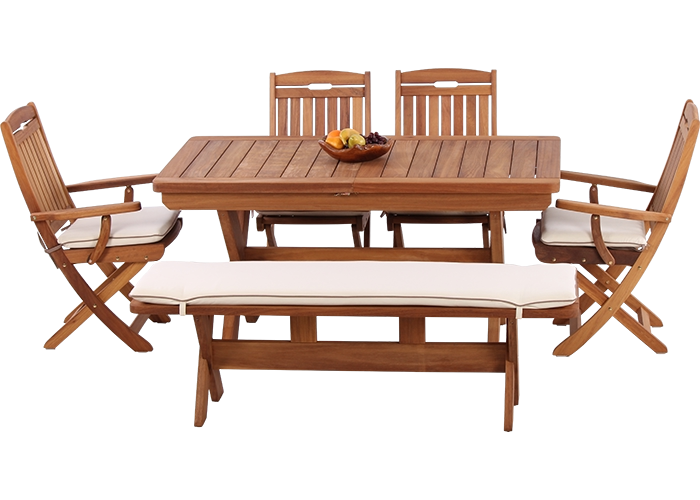
Outdoor Furniture, Camping Gear and Garden LeisureThis category covers the products people use to spend time outside, from the patio to the campsite and the beach. It brings together furniture, shelter, cooking and cooling equipment, lighting and portable seating, sold mainly through garden centers, outdoor and sports retailers, homeware chains, online sellers and hospitality buyers.Product Types in the CategoryPatio furniture sets: dining and lounge sets in aluminum, synthetic rattan, teak or steel.Camping tents and sleeping bags: rated by capacity, season and temperature.Picnic sets: hampers, backpacks and tableware for eating outdoors.Gazebos: pop-up, pergola and hardtop shelters for gardens and events.Fire pits and camping stoves: wood, charcoal and gas burners for warmth and cooking.Solar garden products: stake lights, string lights and fountains with built-in panels.Cooler boxes: hard and soft insulated boxes for food and drink.Outdoor folding chairs and beach umbrellas: portable seating and shade.How Buyers ChooseSeasonality drives this trade. Northern hemisphere retailers commit to orders months before spring, so factories book production through autumn and winter. Buyers weigh durability against freight cost: bulky furniture and gazebos fill containers quickly, while knock-down designs and flat packing raise the loaded quantity. UV resistance, waterproof ratings and fire safety rules for fabrics and gas appliances vary by market.Who Supplies ItSupply comes from furniture factories, tent and textile makers, metal fabricators and lighting producers, with large manufacturing bases in China, Vietnam, Indonesia and India, plus wholesalers who combine several product lines into one container.

Water Treatment, Storage and Household SanitationClean water in the home depends on products that store it, treat it and put it to use, and this range covers all three, plus the fittings that complete a bathroom. It serves plumbing merchants, hardware and DIY stores, building contractors, NGOs and relief agencies, and homeowners in areas where mains supply is unreliable or absent.Product TypesWater filters: jugs, faucet-mounted units, under-sink cartridges and whole-house sediment filters.Water purifiers: reverse osmosis systems, UV units and gravity purifiers rated to reduce microbial contamination.Water storage tanks: polyethylene, steel and fiberglass tanks for rooftops, compounds and farms.Rainwater harvesting kits: gutter diverters, first-flush devices, filters and tank connectors.Bathroom accessories: towel rails, holders, shelves, mirrors and shower fittings.Toilet seats: thermoset, polypropylene and wooden seats, many with soft-close hinges.Bucket showers: simple gravity showers for off-grid homes, camps and emergencies.Testing, Materials and FitWater-contact products are judged first on materials and testing. Filters and purifiers should carry independent performance certification, such as NSF/ANSI standards, and anything holding drinking water should use food-grade or potable-water-approved materials. Tanks are compared on wall thickness, UV stabilization and capacity in liters or gallons. For bathroom items, finish durability and fit with local fixtures matter most.Supplier LandscapeSupply comes from plastics rotomoulders and injection molders, filter and membrane makers, sanitaryware and metal fittings factories, with strong production in China, India, Turkey and across Africa for locally made tanks. Bulky tanks are often made close to the market to save freight, while filters and accessories travel well in mixed containers.
Homeware factories, textile mills, plastics molders, cleaning product makers and garden equipment suppliers list their goods on Towobo with materials, sizes, colors, packing details and minimum orders. Retail and hospitality buyers browse the range, compare offers and send quote requests for single lines or mixed containers.
Manufacturers of household or garden products can open a store on Towobo to sell to retail chains, hotels and importers stocking for the next season.
Key information for B2B buyers sourcing home & garden from global manufacturers.
Factory-direct orders typically start at 100–500 units. Wholesalers often accept 10–50 unit MOQs. Always confirm MOQ and price breaks in writing before placing a bulk order.
Request certificates relevant to your market: CE (EU), ISO 9001 (quality), RoHS (electronics), and UN38.3 (battery transport). Verify originals before payment.
Sample orders typically ship in 3–7 days. Production runs take 15–45 days depending on volume. Confirm Incoterms (FOB, CIF, EXW) and freight charges before signing.
Request physical samples before committing to bulk. Use Towobo's Payment Protection on all transactions. Compare at least 3 suppliers on price, lead time, and certifications.