
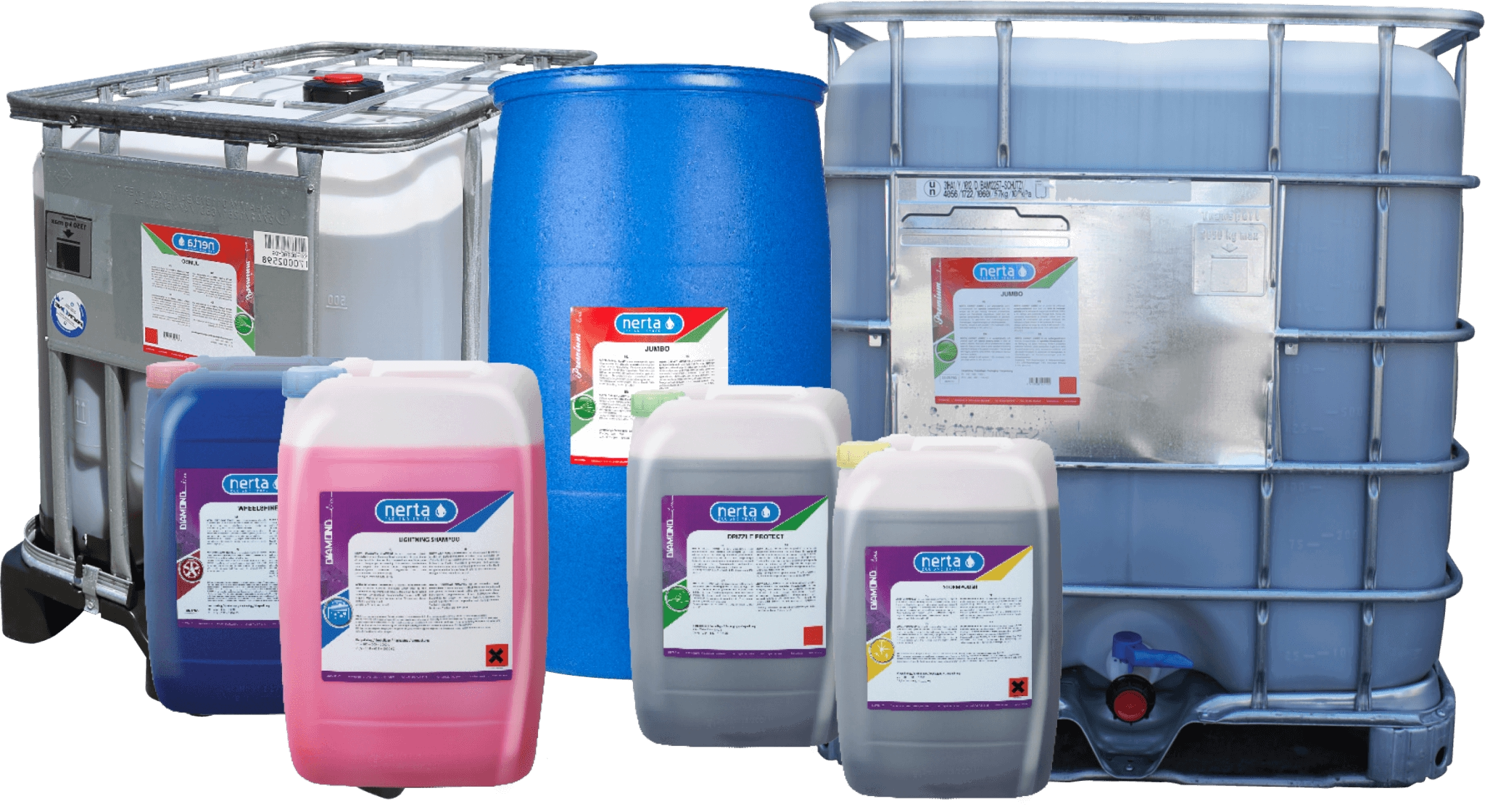
The Chemicals department supplies the inputs that factories use to make detergents, paints, plastics, cosmetics, food, textiles and countless other products. Buyers include formulators, processors, water utilities, distributors and laboratories, and most purchase against a technical data sheet and a certificate of analysis.
Industrial chemicals such as caustic soda, sulphuric acid and soda ash, together with inorganic salts and compounds, move in the largest tonnages. Petrochemicals and fuel additives and solvents such as alcohols, ketones and glycols serve refineries, coatings and cleaning products.
Water treatment and cleaning chemicals, construction chemicals such as admixtures and waterproofers, agrochemical raw materials, and textile, leather and paper chemicals are matched to specific industries. Specialty chemicals and laboratory and analytical chemicals are sold by grade and purity in smaller packs.
Chemical services and toll manufacturing let brand owners outsource blending, reacting or packing.
Chemicals move in bags, drums, IBCs, ISO tanks and bulk vessels. Dangerous goods need correct UN classification, labels and safety data sheets, and many substances need registration in the importing country, such as under REACH in the EU. Check the requirements for your market before you order.
Ask chemical suppliers for the technical data sheet, safety data sheet and a recent certificate of analysis, and confirm the grade, assay and impurity limits. Check packaging compatibility, UN number and transport class, and shelf life. For food, cosmetic or pharmaceutical use, request the relevant grade documentation. Confirm whether the seller is the producer or a distributor, and how batches are traced.

Bonding and Sealing Products for Industry and TradeGlues join materials together; sealants close the gaps between them against air, water and dust, and many products do a little of both. Its buyers range from packaging lines and furniture plants to construction contractors, footwear factories, label converters, hardware wholesalers and DIY retailers.Product Types in This CategoryEpoxy adhesives: two-part structural bonds for metal, composites and concrete.PVA glue: water-based white glue for paper, board and woodwork.Hot melt adhesives: thermoplastics applied molten for fast carton sealing and assembly.Polyurethane foam sealants: expanding aerosol foam that fills and insulates gaps around frames.Contact cement: solvent or water-based adhesive for laminates, rubber and shoe soles.Cyanoacrylate adhesives: instant glues for small parts and quick repairs.Wood glue: PVA, PU and other formulations rated for joinery and water resistance.Pressure sensitive adhesives: permanently tacky coatings for tapes and labels.How Buyers ChooseSelection starts with the substrates, the load the joint must carry, and the environment it will face: heat, moisture, chemicals or UV. Then comes the process. A packaging line needs set times of seconds, a joiner needs open time to position parts, and a site crew needs something that works from a cartridge or can. Data sheets give viscosity, open and cure times, shear strength and service temperature, while standards such as EN 204 for wood adhesives or ISO 11600 for building sealants help compare products.Who Supplies the TradeLarge chemical groups make base polymers and branded ranges, while many regional formulators produce private-label glues and sealants for distributors. Pack sizes run from blister cards and 300 ml cartridges to 25 kg pails, 200 litre drums and IBCs for factory use.
Raw Materials and Inputs for Agrochemical FormulationThis category covers the ingredients that formulators, fertiliser blenders and crop input distributors use to build spray adjuvants, specialty fertilisers and biostimulant products. It sits between the bulk fertiliser trade and finished crop protection products, and buyers are typically formulators, toll manufacturers, importers and large growers.Product Types in This CategoryAdjuvants: tank-mix and in-can additives that improve how a spray performs.Agricultural surfactants: wetting, spreading and emulsifying agents for pesticide and fertiliser formulations.Soil wetting agents: help water penetrate dry or water-repellent soils and growing media.Chelated micronutrients: iron, zinc, manganese and copper bound to EDTA, DTPA, EDDHA and similar agents.Humic acid: extracted from leonardite and lignite, sold as powders, flakes and liquids.Fulvic acid: the smaller, fully water-soluble humic fraction.Seaweed extract: processed brown seaweeds such as Ascophyllum nodosum.Agricultural amino acids: made by enzymatic or acid hydrolysis of plant or animal protein.Matching Inputs to the Finished ProductThe finished product dictates the raw material. Formulators of foliar feeds look for full solubility and compatibility in tank mixes, while soil-applied products can use granules and powders. Buyers compare active content on a consistent basis, since humic, fulvic and amino acid figures depend heavily on the test method. Organic growers need inputs approved by the relevant organic certification scheme.Suppliers and ComplianceSupply comes from chemical manufacturers, mineral processors, seaweed processors and specialist traders. Fertiliser and biostimulant rules vary between countries, so check the import rules and registration required in your market before ordering. Seasonal demand peaks before planting and spraying, so formulators commonly book raw materials several months ahead.
Outsourcing Chemical Production and HandlingThis category covers the companies that make, pack, test and move chemicals on behalf of others. Brand owners, chemical producers short of capacity and start-ups without plants use these services to bring products to market without building their own reactors, blending halls or warehouses.Services in the categoryContract chemical manufacturing: production of a client's product, often with the provider buying raw materials.Toll blending: mixing and filling using raw materials the client supplies, for a processing fee.Custom synthesis: multi-step organic or inorganic synthesis of molecules not available off the shelf, from grams to tonnes.Private label chemicals: ready formulations sold under the buyer's brand.Formulation services: developing or reworking a recipe to hit performance, cost or regulatory targets.Chemical repackaging: breaking bulk into drums, pails or retail packs with compliant labels.Chemical testing: analytical and quality control work by accredited laboratories.Sourcing and logistics: finding raw materials and moving dangerous goods by road, sea and air.Choosing a providerThe first decision is who owns the raw materials and the recipe. In toll work the client keeps both; in contract manufacturing the provider often buys inputs and charges per kilogram finished. Buyers then look at the provider's equipment list, batch sizes, hazardous material permits, quality system such as ISO 9001, and its handling of confidential know-how. A non-disclosure agreement and a technical transfer package usually come before any quotation.Providers range from single-site blenders serving regional markets to multinational contract manufacturers with pilot plants and GMP suites.
Admixtures, Coatings and Repair Products for the Building TradeConstruction chemicals are the specialist products that change how concrete, mortar and steel behave on site: how a mix flows, how it cures, how it resists water, wear and corrosion, and how it is repaired when damaged. Buyers range from ready-mix plants and precast factories to flooring, waterproofing and repair contractors.Product types in this categorySuperplasticisers: high-range water reducers for high-strength and self-compacting concrete.Curing compounds: sprayed membranes that hold water in fresh concrete.Grouts: non-shrink cementitious and epoxy grouts for baseplates, anchors and gaps.Waterproofing membranes: sheet and liquid systems for roofs, basements and wet areas.Bitumen emulsions: water-based bitumen for priming, tack coats and damp-proofing.Epoxy floor coatings: jointless, chemical-resistant floors for industry and commerce.Mould release agents: oils and emulsions that free concrete from formwork.Concrete repair compounds: polymer-modified mortars for spalled and damaged structures.Anti-corrosion coatings: protective systems for reinforcing and structural steel.Choosing products and suppliersSpecifiers usually buy a system rather than a single product: a repair mortar with its matching bonding primer and protective coating, or a floor resin with its primer and topcoat. Compatibility within a system, local climate and the standard a project is written to all narrow the choice. In Europe, the EN 934 series covers admixtures and EN 1504 covers repair and protection of concrete, while ASTM C494 is widely cited elsewhere for admixtures.The trade is served by multinational formulators, regional manufacturers with blending plants close to their markets, and distributors that hold stock for contractors. Liquids ship in drums, IBCs and bulk tankers; powders in 20 to 25 kg bags.

Raw Materials for Skin Care, Hair Care and Colour CosmeticsThis category brings together the ingredients that cosmetic and personal care manufacturers, contract fillers and independent brands use to formulate creams, lotions, shampoos, make-up, deodorants and fragrances. Buyers range from multinational producers to small batch makers, so suppliers offer everything from 1 kg trial packs to tonnes.Ingredient Groups in the CategoryCosmetic emulsifiers: create stable creams and lotions from oil and water phases.Cosmetic preservatives: protect water-containing products from microbial spoilage.Thickeners and gelling agents: carbomers, gums and cellulose derivatives that set texture and viscosity.Cosmetic surfactants: the cleansing and foaming base of shampoos and body washes.Emollients: esters, oils and butters that soften skin feel.Cosmetic pigments: iron oxides, titanium dioxide, micas and lakes for make-up.Fragrance oils: ready-blended scents for personal care and home products.Hyaluronic acid: a humectant sold in a range of molecular weights.Glycerin: the most widely used humectant, in vegetable and USP grades.Vitamin E oil: tocopherol and tocopheryl acetate used as antioxidants and conditioning agents.Silicone fluids: dimethicones and their alternatives for slip and shine.Cosmetic actives: peptides, vitamins, niacinamide and botanical extracts.Documents and Claims Formulators CheckFormulators check the INCI name, grade, compliance with cosmetic regulations in each target market, and supporting documents such as a certificate of analysis, safety data sheet, allergen statement and, where relevant, COSMOS or other natural and organic certification. Animal-free, RSPO palm traceability and halal status often decide sourcing.Makers, Distributors and RepackersIngredient makers, specialist distributors and repackers serve the market, the last group splitting drums into small packs for start-up brands.
Additives and Processing Aids for the Food IndustryFood-grade chemicals are the acids, salts, preservatives and functional additives that food and beverage plants use to control taste, texture, safety and shelf life. They differ from technical grades by their purity, their limits on heavy metals and contaminants, and the documentation that proves they meet a recognised food specification such as the Food Chemicals Codex (FCC), JECFA or the EU additive purity criteria.What the Category CoversLactic acid and food grade acetic acid – acidulants for dairy, meat, sauces and pickles.Sodium benzoate and potassium sorbate – the two most common preservatives for soft drinks, sauces and baked goods.Sodium bicarbonate – the base of most chemical leavening systems.Food grade phosphates – leavening acids, emulsifying salts and moisture retention agents.Food grade calcium chloride – firming agent for vegetables and cheese, and an electrolyte source.Xanthan gum – thickener and stabiliser for dressings, sauces and gluten-free baking.Sodium metabisulphite – antioxidant and preservative in wine, dried fruit and shellfish.Food grade antioxidants – tocopherols, rosemary extract, BHA, BHT and TBHQ for fats and oils.Food grade lubricants – NSF H1 registered oils and greases for processing machinery.How Buyers ChooseFunction comes first, then grade, particle size and the certificates the customer demands: FSSC 22000 or BRCGS plant certification, kosher, halal and allergen statements. Producers range from large chemical groups to specialist fermenters; most food factories buy through distributors who hold stock and split pallets. Additive approvals and maximum levels vary by country, so check what is permitted in your market.
Basic Inorganic Chemicals for Manufacturing and TreatmentIndustrial chemicals are the high-volume building blocks consumed by almost every process industry: water treatment, mining, metal finishing, detergents, glass, paper, textiles, fertilisers and food processing. This category covers the commodity acids, alkalis, salts and gases that are traded by the tonne.What the Category IncludesAcids: sulphuric acid for fertilisers and metal processing, hydrochloric acid for pickling and pH control, phosphoric acid for fertilisers, food and metal treatment.Caustic soda and alkalis: sodium hydroxide flakes, pearls or lye, and potassium hydroxide for liquid soaps, alkaline batteries and potassium salts.Soda ash: sodium carbonate in light and dense grades for glass and detergents.Sodium hypochlorite: bleach solution for disinfection and water treatment.Sodium silicate: water glass for detergents, adhesives and foundry binders.Industrial salts: sodium chloride and other salts for chlor-alkali, de-icing and processing.Industrial gases: oxygen, nitrogen, argon, carbon dioxide and others.Chemical raw materials: intermediates feeding further synthesis.How Buyers ChooseGrade comes first: technical, food or pharmaceutical. Then concentration, impurity limits and physical form, followed by pack size, from 25 kg bags and drums to IBCs, ISO tanks and bulk shipments. Logistics often decides the deal, since many of these products are corrosive and classed as dangerous goods.Who Supplies the TradeLarge producers sell bulk contracts, while regional distributors repack into smaller units and hold local stock. Traders handle export cargoes on FOB or CIF terms. A safety data sheet and certificate of analysis should accompany every lot. Specialist logistics firms and tank cleaning stations form part of the wider supply chain, and many buyers weigh a seller's transport arrangements as heavily as the price per tonne.
Industrial Inorganic Salts, Oxides and MineralsThis category covers the bulk inorganic chemicals that underpin water treatment, agriculture, glass, ceramics, rubber, detergents, mining and oil drilling. Most are sold by purity and particle size in technical, food, feed or pharmaceutical grades, and the grade chosen sets both the price and the paperwork.Main product typesIndustrial sodium chloride: rock, solar and vacuum salt for chlor-alkali, de-icing and water softening.Sodium sulphate: for detergents, glass and textiles.Calcium chloride: flakes and prills for de-icing, dust control and drilling fluids.Magnesium sulphate: heptahydrate and monohydrate for fertiliser and industry.Zinc oxide: rubber activator, ceramic and feed ingredient.Potassium chloride: muriate of potash fertiliser and drilling fluid additive.Ammonium chloride: for galvanising flux, batteries and fertiliser.Borax: for glass, ceramics, enamels and detergents.Aluminium oxide: calcined and fused alumina for refractories and abrasives.Copper sulphate: for agriculture, mining and electroplating.Zinc sulphate: micronutrient fertiliser and feed additive.Precipitated calcium carbonate: fine filler for paper, plastics and sealants.Magnesium oxide: caustic-calcined, dead-burned and light grades.How buyers compare suppliersGrades that look alike on paper can perform differently, so buyers check assay, insoluble matter, heavy metal limits, moisture and sieve analysis on the certificate of analysis, and request samples before a first container. Feed and food grades need registrations and certificates such as FAMI-QS, GMP+ or food safety approvals in many markets.Supply comes from mining and brine operations, chemical plants, and traders who consolidate cargoes. Most products ship in 25 kg bags or one-tonne jumbo bags in 20 ft containers, with bulk vessels for salt, potash and sulphate.
Chemicals That Laboratories Measure, Test and Calibrate WithThis category covers the chemicals that quality control, research, clinical, environmental and teaching laboratories consume every day. What sets them apart from industrial chemicals is documented purity: each bottle comes with a grade, a lot number and a certificate stating what it contains and what it does not.Product types in this categoryLaboratory Reagents: general and analytical grade salts, solvents and organics for preparation and testing.Analytical Standards: high-purity compounds of known identity used to identify and quantify analytes.Chromatography Solvents: HPLC, LC-MS and GC grade solvents with low residue and UV absorbance.Buffer Solutions: pH calibration and process buffers with certified values.Indicators and Test Papers: pH indicators, litmus, universal paper and test strips for quick checks.Culture Media: dehydrated and prepared media for microbiology.Laboratory Acids: nitric, hydrochloric, sulphuric and others in analytical and trace metal grades.Reference Materials: certified matrix materials for method validation.Volumetric Solutions: standardised titrants of known normality or molarity.Choosing grade and supplierBuyers match the grade to the method. Routine teaching or wash steps can use laboratory or technical grade; trace analysis needs ACS, AR, HPLC or trace metal grades; regulated testing needs material traceable to a recognised reference. Accredited laboratories working to ISO/IEC 17025 usually require certificates of analysis for every lot and, for standards and reference materials, producers accredited to ISO 17034.Supply runs through three kinds of seller: manufacturers producing their own reagents, repackers who buy in bulk and fill into smaller containers, and laboratory distributors that consolidate many brands for hospitals, universities and industrial QC labs.
Oils, Greases and Fluids That Keep Machinery RunningThis category brings together the products that reduce friction, carry heat, transmit power and protect metal in engines and machines. It is supplied by refiners of base stocks, independent blenders, additive-based private label producers and a wide network of distributors. Buyers include fleet operators, workshops, mines, factories, power utilities, farms and auto parts wholesalers.What Is in This CategoryBase oils: mineral and synthetic stocks from which finished lubricants are blended.Engine oils: for petrol, diesel, gas and motorcycle engines.Gear oils: for automotive axles, manual gearboxes and industrial gear drives.Hydraulic oils: anti-wear fluids for presses, construction equipment and mobile hydraulics.Compressor oils: for screw, piston and vane air compressors.Transformer oils: insulating and cooling fluids for electrical equipment.Greases: thickened lubricants for bearings, chassis and slow-moving parts.Metalworking and cutting oils: neat and water-mixed fluids for machining and forming.Brake fluids: glycol and silicone hydraulic fluids for vehicle braking systems.How Buyers SpecifyLubricants are bought by viscosity grade and by performance specification rather than by name. Engine oils carry SAE viscosity grades with API, ACEA or ILSAC ratings and often OEM approvals; industrial oils carry ISO VG grades and meet standards such as DIN 51524 for hydraulics; greases are graded by NLGI consistency. Buyers ask for typical analysis sheets, safety data sheets and, for rated products, evidence of licensing.Supply Chain and PackingProduct moves in flexitanks and bulk tankers to blending plants, in 1,000 litre IBCs and 208 litre drums to factories and fleets, and in 1 to 20 litre packs to workshops and retail. Counterfeit and mislabelled oil is a known problem in some markets, so traceable supply matters.
Raw Materials for Paint, Coatings and WaterproofingA paint is a balanced system: a resin binder forms the film, pigments and fillers give colour and body, solvents or water carry everything, and additives make it flow, wet, cure and last. This category brings together the chemicals coatings manufacturers buy to build decorative paints, industrial and protective coatings, wood finishes, road markings and powder coatings.Main Product TypesPaint resins – the binder families as a group, chosen by end use and cure method.Acrylic resins – water-based emulsions and solvent acrylics for wall paints, primers and weather-resistant topcoats.Alkyd resins – oil-modified polyesters for gloss enamels, wood and metal paints.Epoxy resins – for floors, tank linings, anti-corrosion primers and powder coatings.Polyurethane resins – two-pack and one-pack systems for durable, glossy and abrasion-resistant finishes.Paint additives – dispersants, defoamers, wetting agents, thickeners and biocides.Extenders and fillers – calcium carbonate, talc, kaolin, barytes and silica.Paint driers – metal carboxylates that cure alkyd and oil paints.Coalescing agents – help latex particles form a continuous film.Waterproofing chemicals – bituminous, acrylic, polyurethane and cementitious systems for roofs and basements.Powder coating raw materials – polyester and epoxy resins, curing agents and flow additives.How Buyers ChooseFormulators start from the substrate, exposure and application method, then pick a binder and build the additive package around it. Volatile organic compound limits are pushing many decorative and industrial lines towards water-based and high-solids systems. Suppliers range from global resin producers and mineral miners to regional distributors who stock smaller lots and offer technical support. Technical data sheets, safety data sheets and consistent lot quality matter as much as price.
Refinery Products, Waxes and Fuel Chemicals in BulkThis category brings together products made from crude oil and natural gas processing, plus the chemicals that improve fuels. Most move in large volumes against standard specifications, and the trade is shaped by refinery output, freight and contract terms.Product typesBitumen: penetration, viscosity and performance grades for roads and roofing.Paraffin wax: fully and semi-refined slabs and pastilles for candles and packaging.Petroleum jelly: white and yellow grades for cosmetics, pharma and industry.Petroleum coke: fuel-grade and calcined coke for cement, power and aluminium.Liquid paraffin: light and heavy white mineral oils.Ethylene glycol: MEG for polyester and coolants.Methyl tert-butyl ether: MTBE, an octane-raising gasoline blending component.Fuel additives: cetane improvers, detergents, cold-flow improvers and biocides.Naphtha: light and heavy naphtha for steam crackers and reformers.Sulphur: granular, lump and molten sulphur from refinery and gas recovery.Liquid carbon dioxide: beverage, food and industrial grades.Biodiesel feedstock: used cooking oil, animal fats and vegetable oils.How the trade worksBuyers specify by grade and test method, most often ASTM, EN or ISO, and rely on independent inspection at loading for quantity and quality. Shipments range from drums, bags and flexitanks for smaller users to ISO tanks, bulk vessels and pipelines for refiners and chemical plants. Larger contracts are often priced against published benchmarks.Supplier landscapeSupply comes from refineries and petrochemical complexes, wax and oil blenders, sulphur and coke traders, and specialist additive manufacturers. Many of these products are hazardous for transport, so buyers check safety data sheets, UN numbers and the import licences required in their market.
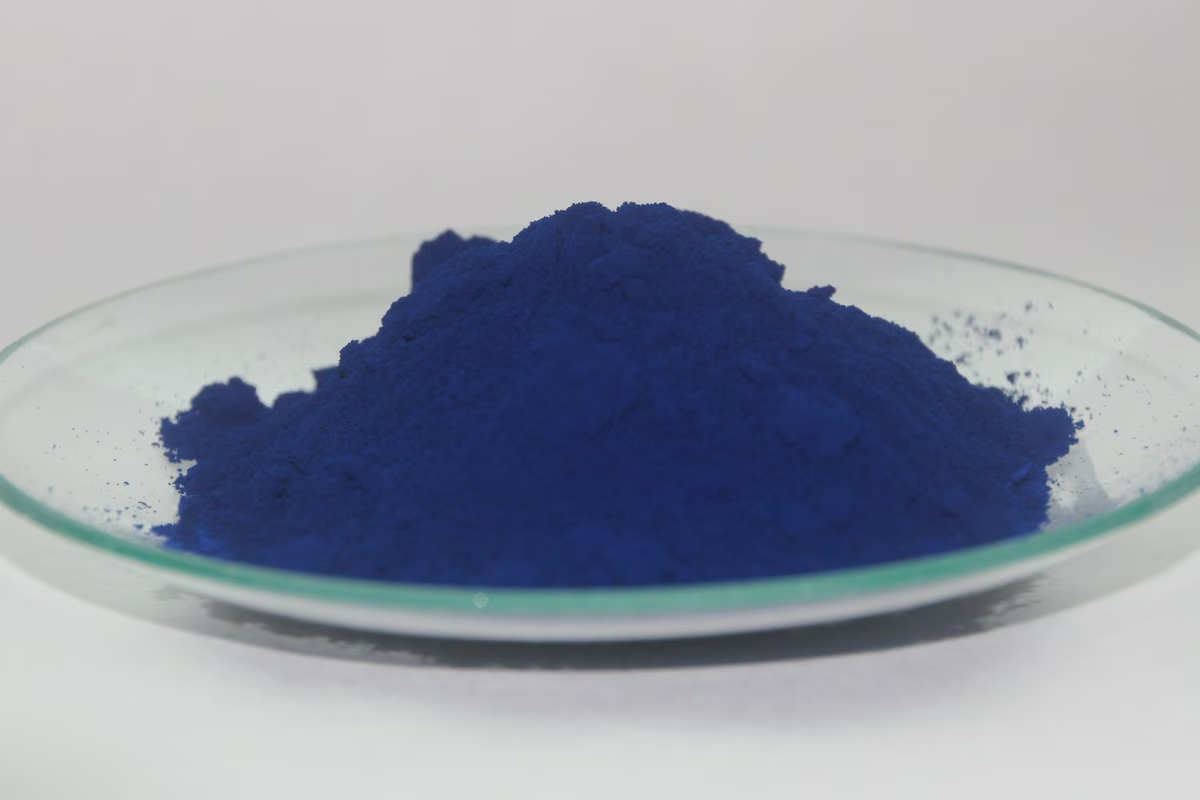
Colourants for Coatings, Plastics, Textiles and FoodPigments and dyes give colour, opacity or special effects to nearly every manufactured product. The basic difference is solubility: pigments are insoluble particles dispersed in a binder or polymer, while dyes dissolve and bond with the material they colour. This category covers both, from high-tonnage white and black pigments to specialist dyes.Product TypesTitanium dioxide: the dominant white pigment for paint, plastics and paper.Iron oxide pigments: durable reds, yellows, blacks and browns for concrete and coatings.Carbon black: reinforcement for rubber and jet black for inks and plastics.Textile dyes: reactive, disperse, acid, vat and other classes matched to each fibre.Pigment pastes: pre-dispersed colourants for tinting systems and masterbatch.Food colourants: approved synthetic and natural colours for food and beverages.Fluorescent and pearlescent pigments: effect pigments for safety wear, cosmetics, automotive and packaging.Leather dyes: acid, metal-complex and other dyes for tanneries.How Buyers CompareColourants are identified by their Colour Index generic name, such as Pigment White 6 or Pigment Red 101, which allows like-for-like comparison across suppliers. Buyers then look at tinting strength against a reference, shade, dispersibility, heat and light fastness, and regulatory status for the intended use, especially for food, toys, cosmetics and food-contact packaging.Supply BaseLarge inorganic pigment producers sell from integrated plants in Asia, Europe and the Americas. Dye and organic pigment output is concentrated in India and China, with many traders and repackers. Most colourants ship in 25 kg bags, cartons or drums, with jumbo bags for high-volume pigments. Specialist distributors often hold stock of many shades and sell smaller lots to paint and plastics workshops.
Industrial Solvents for Coatings, Extraction and CleaningSolvents dissolve, dilute or carry other substances, and they sit behind paints, printing inks, adhesives, pharmaceuticals, electronics cleaning and a long list of formulated products. This category gathers the oxygenated, aromatic and chlorinated solvents sold in drums, IBCs and bulk tankers to formulators and distributors.Main Product TypesAlcohols: methanol, ethanol, isopropanol and butanol for cleaning, extraction and coatings.Glycols: ethylene, diethylene and propylene glycol for antifreeze, resins and heat transfer fluids.Ketones and esters: acetone and ethyl acetate, fast-evaporating solvents for inks, adhesives and lacquers.Aromatics: toluene, xylene and heavier aromatic cuts with strong solvency for alkyd and epoxy systems.Thinners: ready-made blends matched to particular paint chemistries.Methylene chloride: a chlorinated solvent for extraction, degreasing and paint removal, now restricted in several markets.How Buyers ChooseSelection turns on solvency for the resin or soil in question, evaporation rate, flash point, odour and the regulatory status of the solvent where the finished product will be sold. Coatings plants often pair a fast solvent with a slower one to control drying and film flow. Pharmaceutical and electronics users specify purity and water content tightly, while general industrial cleaning tolerates technical grades.Who Supplies the TradePetrochemical producers sell large volumes by ship and ISO tank. Regional distributors break bulk into 200-litre drums and 1,000-litre IBCs, and many also blend thinners or repack under customer labels. Most solvents travel as dangerous goods, so confirm the UN classification, a safety data sheet in the local language and the packaging approvals your carrier requires.
Performance Additives and Speciality Chemical IngredientsSpecialty chemicals are sold for what they do rather than what they are. Small doses change how a plastic, paint, lubricant, fuel or process behaves, so buyers judge them on performance in their own formulation as much as on chemical identity.Main Product TypesChemical additives: a broad group of performance ingredients for polymers, coatings, fuels and lubricants.Plasticisers: make PVC and other polymers flexible, in phthalate, terephthalate, adipate and bio-based grades.Flame retardants: halogenated, phosphorus and mineral types that slow ignition and flame spread.Emulsifiers: stabilise oil and water mixtures in industrial emulsions.Catalysts: speed up reactions in refining, petrochemicals and polymer production.UV stabilisers: absorbers and HALS that protect plastics and coatings from sunlight.Defoamers: silicone, mineral oil and polymer products that break foam.Corrosion inhibitors: protect metals in water, oil and fuel systems.Dispersants: keep pigments and solids evenly distributed.Rheology modifiers: control viscosity, sag and settling.How Buyers ChooseSelection starts with the end use and the regulatory profile: an additive for food packaging or toys faces stricter rules than one for industrial coatings. Formulators ask for technical datasheets, dosage guidance and samples, then run trials before approving a source. Consistency between batches matters because a small shift can change a finished product.Who Supplies the TradeThe market is served by global producers with application laboratories, regional manufacturers offering equivalent grades, and distributors who hold stock, split packs and handle documentation such as safety data sheets and chemical inventory status. Many buyers keep two approved sources for critical additives so that a single plant outage does not stop their own production.
Inputs for Detergents, Cleaners and Personal CareEvery laundry powder, dishwashing liquid, shampoo and floor cleaner is built from the same broad groups of ingredients: surfactants that lift soil, builders that soften water, and additives that improve performance or appearance. This category covers those inputs, sold to detergent plants, toll manufacturers and personal care formulators.Product Types in the CategoryLABSA: the main anionic surfactant acid for powders and liquids, neutralised in the plant.Sodium lauryl ether sulphate: a mild, high-foaming anionic for shampoos and dishwash.Cocamidopropyl betaine: an amphoteric co-surfactant that adds mildness and viscosity.Fatty alcohols: oleochemical feedstock for surfactants and creams.Non-ionic surfactants: ethoxylates and glucosides for liquids and low-foam cleaners.Detergent enzymes: proteases, amylases and lipases for stain removal at low temperature.Sodium tripolyphosphate and zeolite 4A: builders that bind calcium and magnesium.Optical brighteners and foam boosters: additives for whiteness and lather.Detergent raw materials: alkalis, fillers, silicates and other bulk inputs.Choosing IngredientsFormulators choose by product format, water hardness, wash temperature and the rules of the target market. Phosphate builders are restricted in household detergents in several countries, pushing buyers towards zeolite and polymers. Personal care brands may ask for palm-derived materials certified under RSPO, or for low impurity grades.Who Sells ThemLarge surfactant and oleochemical producers supply in bulk tankers and flexitanks. Regional distributors break bulk into drums, IBCs and 25 kg bags, and some offer ready-made detergent bases for smaller manufacturers. Toll blenders and detergent base suppliers serve brands that prefer not to run their own sulphonation or spray-drying plant.
Process Chemicals for Mills, Dyehouses and TanneriesTextile, leather and paper production all turn natural or synthetic fibres into sheet or fabric through long chains of wet processing. This category covers the specialty chemicals used along those chains: products that prepare, protect, colour, strengthen or finish the material, rather than the dyes and pigments themselves.Product typesTextile Auxiliaries: wetting agents, detergents, sequestrants and other process aids used from pretreatment to finishing.Fabric Softeners: cationic, silicone and non-ionic softeners for handle and drape.Bleaching Agents: hydrogen peroxide, stabilisers and reducing agents for cotton, pulp and other fibres.Leather Tanning Chemicals: chrome, vegetable and synthetic tanning agents, fatliquors and beamhouse products.Paper Sizing Agents: AKD, ASA and rosin sizes that control water penetration.Textile Sizing Agents: starch, PVA and acrylic sizes that protect warp yarns during weaving.Dyeing Auxiliaries: levelling, dispersing and fixing agents that support even, fast colour.Printing Ink Raw Materials: resins, solvents and additives for ink makers.Paper Whitening Agents: optical brightening agents for paper and board.Wet Strength Resins: PAE and similar resins that keep tissue and board strong when wet.How buyers source themMost of these products are formulations, so mills buy on performance in their own process rather than on a single chemical assay. Trials on a production line, technical service and consistent batch quality decide supplier choice. Sustainability requirements are increasingly important; many textile and leather buyers ask for compliance with restricted substance lists and chemical management programmes such as ZDHC.The supply base includes multinational specialty chemical producers, regional formulators that blend close to mill clusters, and distributors serving smaller dyehouses, tanneries and paper converters.
Chemicals for Drinking Water, Process Water and CleaningGrouped here are the chemicals that make water safe to drink or use in industry, keep boilers, cooling towers and membranes working, and clean factory and commercial surfaces. Buyers include water utilities, municipal plants, hotels and pool operators, food and beverage factories, power and process plants, facilities managers, and service companies that run treatment programmes for clients.Product Types CoveredChlorine tablets: slow or fast dissolving disinfectant for pools, tanks and emergency water.Coagulants and flocculants: PAC, ferric salts and polyacrylamides that remove turbidity and sludge.Aluminium sulphate: the classic alum coagulant for drinking water and paper mills.Antiscalants: prevent mineral scale on reverse osmosis membranes and in cooling systems.Pool chemicals: sanitisers, pH adjusters, algaecides and clarifiers.Boiler chemicals: oxygen scavengers, alkalinity builders and amines.Disinfectants and biocides: for surfaces, water systems and process hygiene.Degreasers and industrial descalers: for equipment, floors and heat exchangers.Activated carbon and ion exchange resins: filtration and softening media.Choosing Products and SuppliersSelection follows a water analysis: hardness, alkalinity, silica, iron, organic load and microbiology determine which chemicals and doses work. For drinking water, buyers usually require products certified to a standard such as NSF/ANSI 60 or the relevant European EN product standard, while disinfectants and biocides are registered products in many countries. Check the approvals required in your market.Who Supplies ItThe trade includes basic chemical producers, specialist formulators, and service companies that bundle chemicals with dosing equipment and testing. Products ship as powders and granules in 25 kg bags and big bags, and liquids in drums, IBCs and tankers.
Chemical producers, importers and distributors list products on Towobo by grade, purity, packing and origin, often with data sheets available on request. Buyers can sort offers for the same chemical from several sources and request quotes for drums, IBCs or bulk loads to their specification.
Make or distribute industrial, specialty or ingredient chemicals? Open a store on Towobo and list your grades so formulators and processors searching for a reliable supply can find you.
Key information for B2B buyers sourcing chemicals from global manufacturers.
Factory-direct orders typically start at 100–500 units. Wholesalers often accept 10–50 unit MOQs. Always confirm MOQ and price breaks in writing before placing a bulk order.
Request certificates relevant to your market: CE (EU), ISO 9001 (quality), RoHS (electronics), and UN38.3 (battery transport). Verify originals before payment.
Sample orders typically ship in 3–7 days. Production runs take 15–45 days depending on volume. Confirm Incoterms (FOB, CIF, EXW) and freight charges before signing.
Request physical samples before committing to bulk. Use Towobo's Payment Protection on all transactions. Compare at least 3 suppliers on price, lead time, and certifications.