

Food-grade chemicals are the acids, salts, preservatives and functional additives that food and beverage plants use to control taste, texture, safety and shelf life. They differ from technical grades by their purity, their limits on heavy metals and contaminants, and the documentation that proves they meet a recognised food specification such as the Food Chemicals Codex (FCC), JECFA or the EU additive purity criteria.
Function comes first, then grade, particle size and the certificates the customer demands: FSSC 22000 or BRCGS plant certification, kosher, halal and allergen statements. Producers range from large chemical groups to specialist fermenters; most food factories buy through distributors who hold stock and split pallets. Additive approvals and maximum levels vary by country, so check what is permitted in your market.
For any food chemical, ask which food specification the product meets, FCC, JECFA or EU, and request the certificate of analysis for the lot offered. Check heavy metal results, the manufacturing site's food safety certification, and kosher, halal and allergen statements. Confirm the packaging is food-contact grade and that the shelf life on arrival meets your production plan.

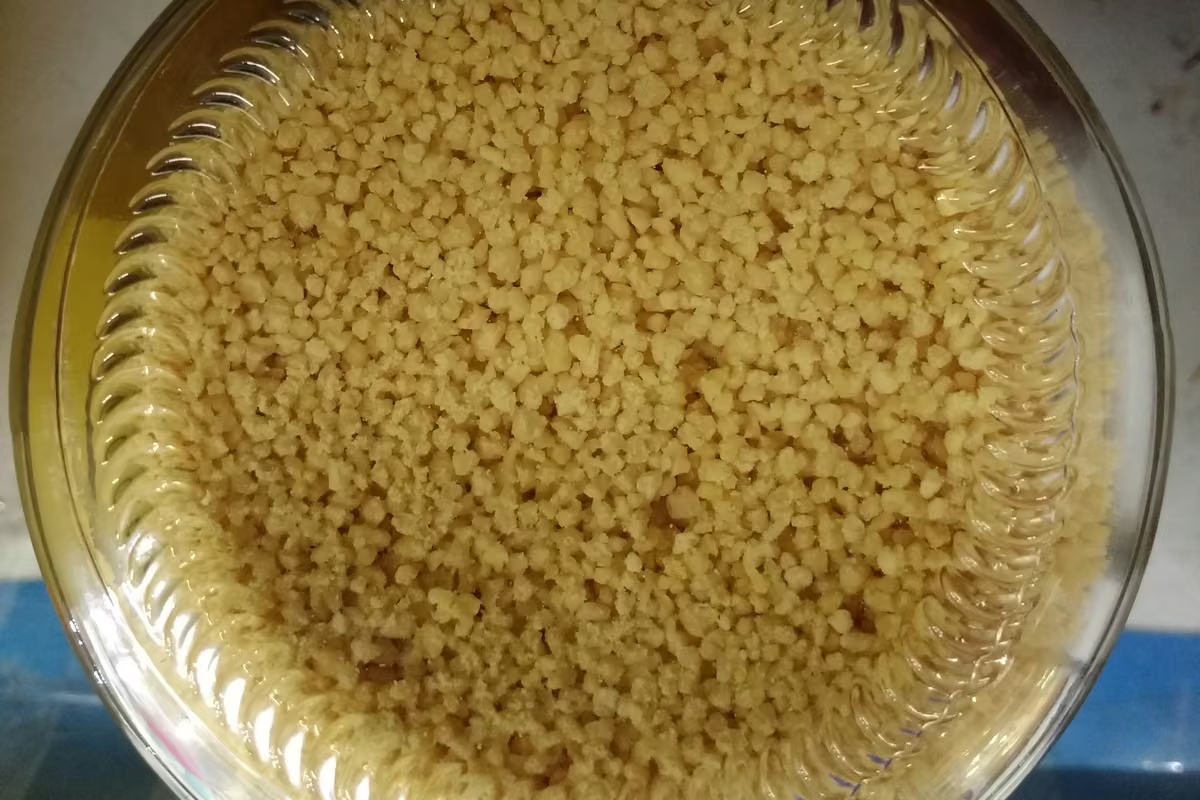
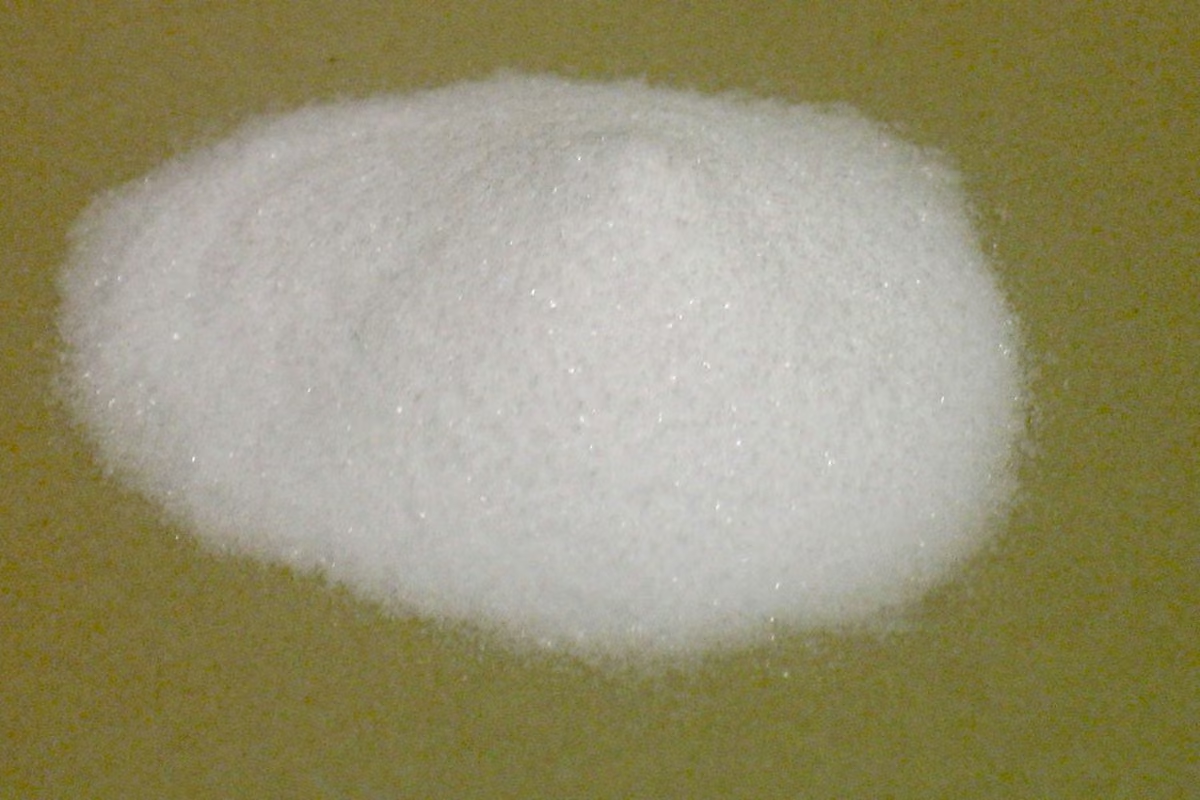
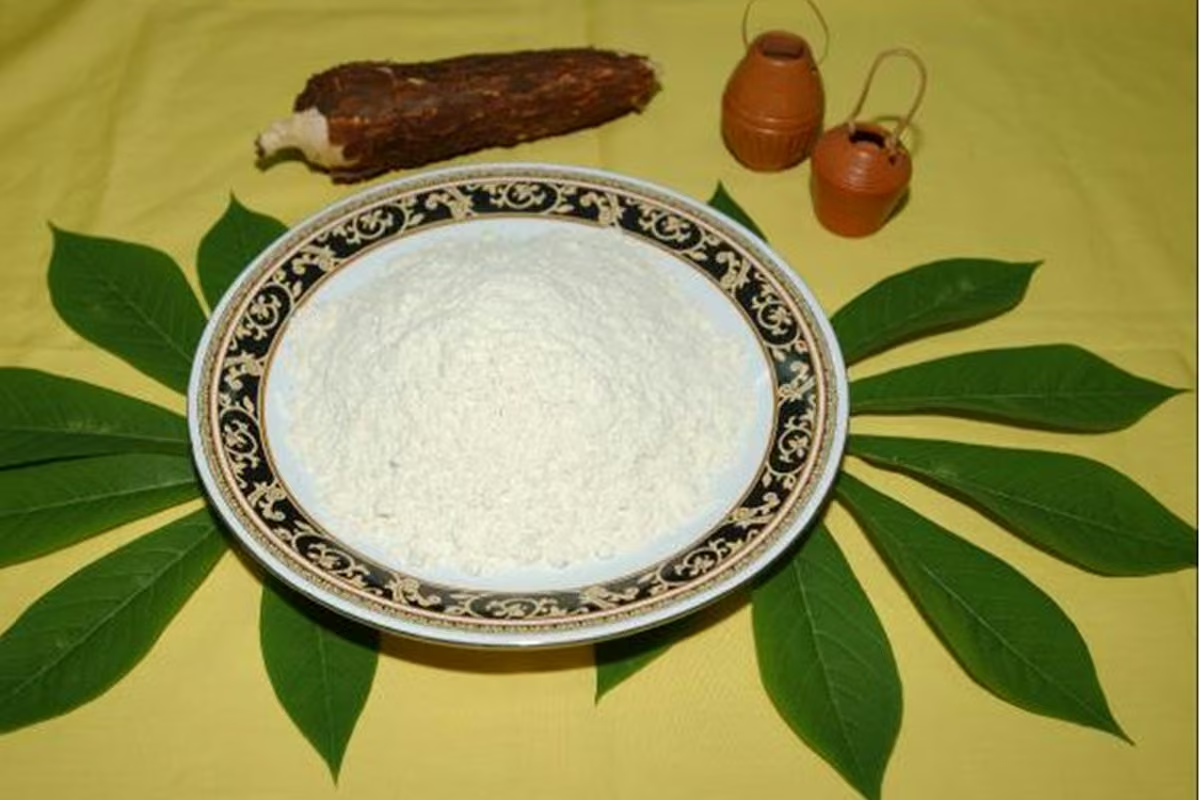
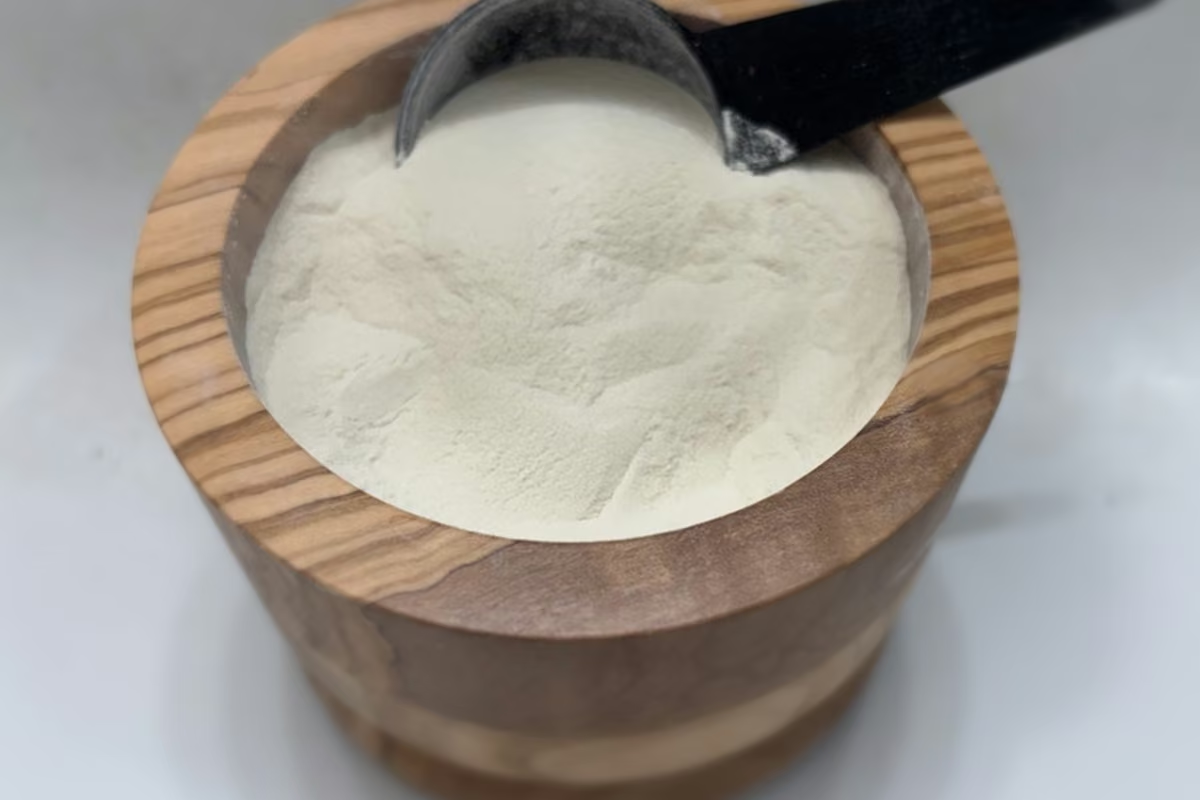
Additive manufacturers, fermenters and food ingredient distributors list acidulants, preservatives, leavening agents and lubricants with their grade, specification and packing. Buyers can compare suppliers across the whole category and send quote requests for a pallet trial or contract volumes. Listings that show food safety certificates and lot documents help quality teams approve a new source.
If you produce or distribute food-grade chemicals, open a store on Towobo and list your products for food and beverage manufacturers, bakeries and processors. Present your specifications clearly so purchasing and QA can evaluate them together.
Key information for B2B buyers sourcing food-grade chemicals from global manufacturers.
Factory-direct orders typically start at 100–500 units. Wholesalers often accept 10–50 unit MOQs. Always confirm MOQ and price breaks in writing before placing a bulk order.
Request certificates relevant to your market: CE (EU), ISO 9001 (quality), RoHS (electronics), and UN38.3 (battery transport). Verify originals before payment.
Sample orders typically ship in 3–7 days. Production runs take 15–45 days depending on volume. Confirm Incoterms (FOB, CIF, EXW) and freight charges before signing.
Request physical samples before committing to bulk. Use Towobo's Payment Protection on all transactions. Compare at least 3 suppliers on price, lead time, and certifications.