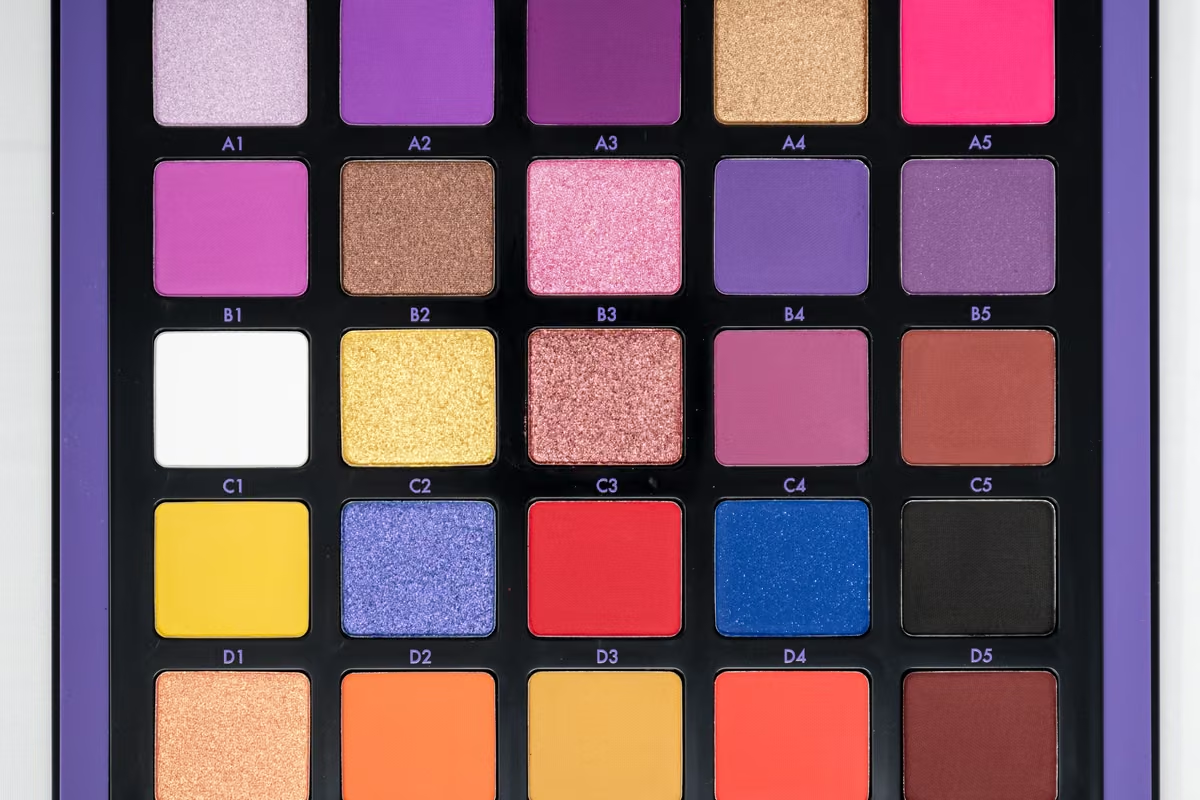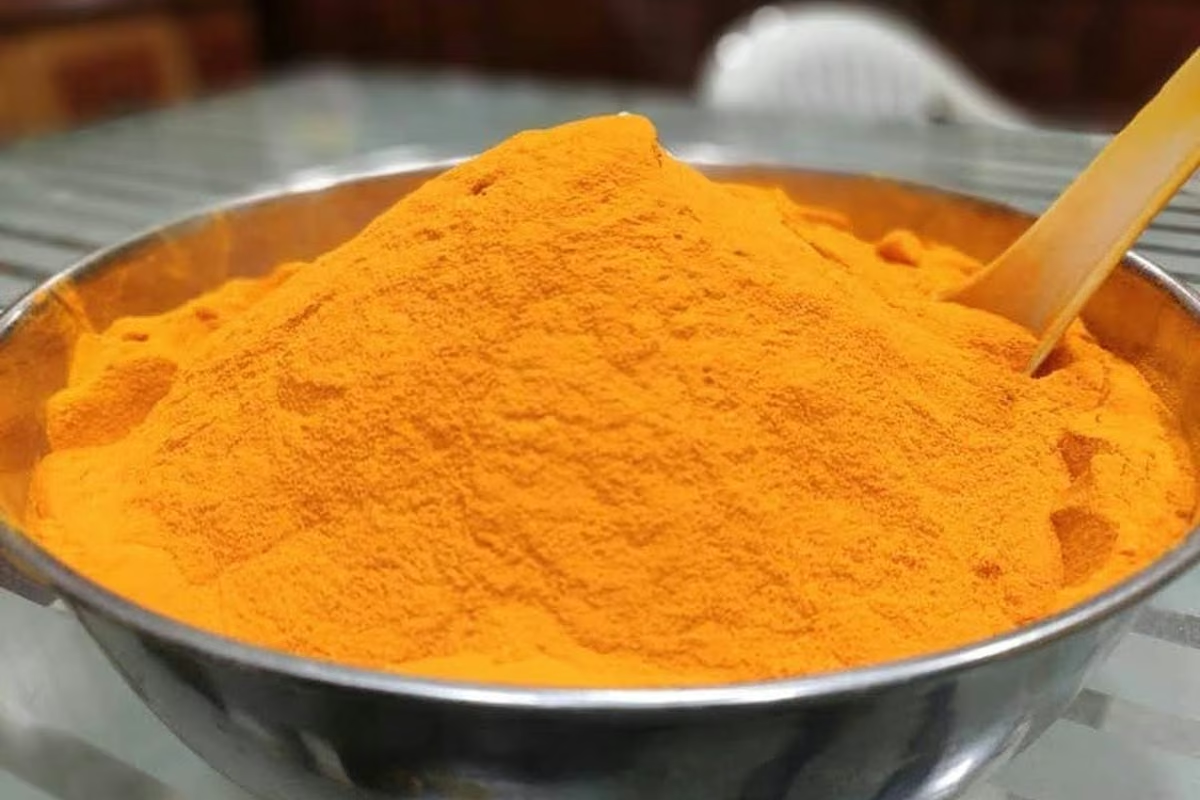
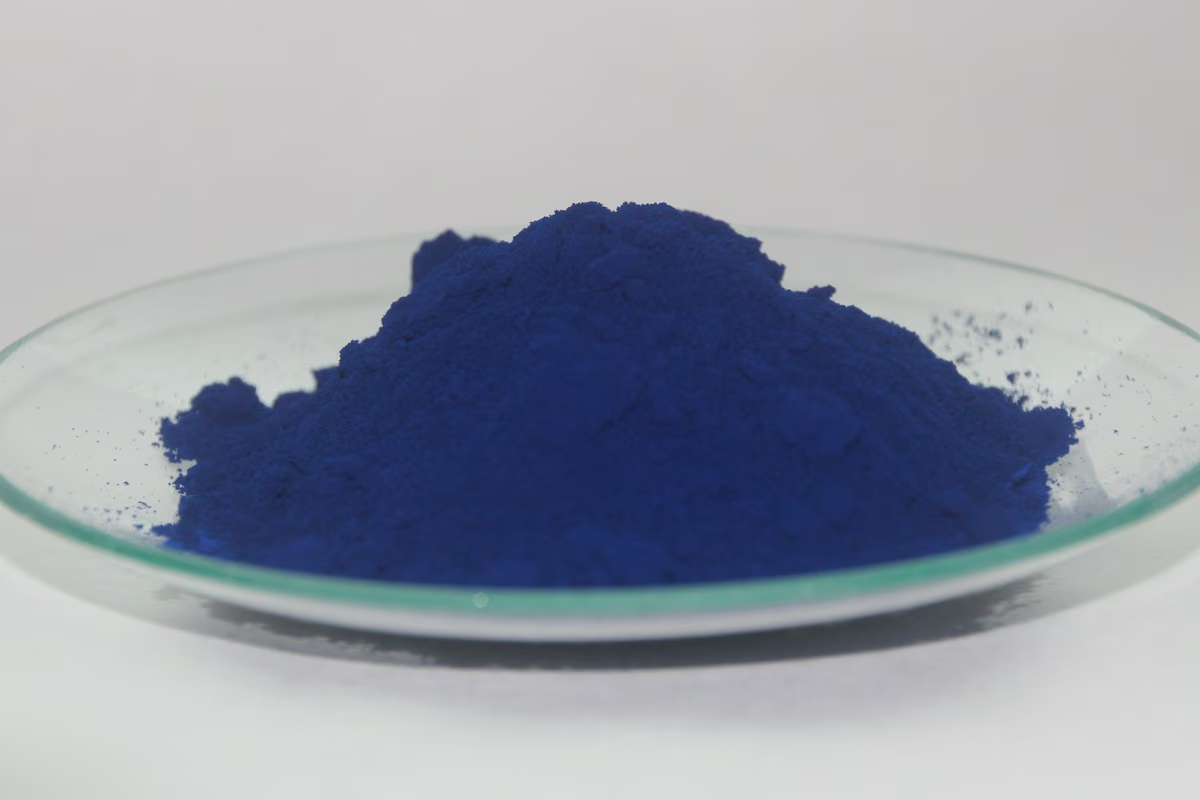
Pigments and dyes give colour, opacity or special effects to nearly every manufactured product. The basic difference is solubility: pigments are insoluble particles dispersed in a binder or polymer, while dyes dissolve and bond with the material they colour. This category covers both, from high-tonnage white and black pigments to specialist dyes.
Colourants are identified by their Colour Index generic name, such as Pigment White 6 or Pigment Red 101, which allows like-for-like comparison across suppliers. Buyers then look at tinting strength against a reference, shade, dispersibility, heat and light fastness, and regulatory status for the intended use, especially for food, toys, cosmetics and food-contact packaging.
Large inorganic pigment producers sell from integrated plants in Asia, Europe and the Americas. Dye and organic pigment output is concentrated in India and China, with many traders and repackers. Most colourants ship in 25 kg bags, cartons or drums, with jumbo bags for high-volume pigments. Specialist distributors often hold stock of many shades and sell smaller lots to paint and plastics workshops.
When comparing pigment and dye suppliers, ask for the Colour Index name and number, a lab sample, and a strength and shade comparison against your current standard. Check lot-to-lot consistency records, heavy metal and impurity results for regulated uses, and the certificates your market expects for food, cosmetics or toys. Confirm packaging, shelf life for liquids and pastes, and minimum order per shade.
Pigment manufacturers, dye houses and colourant distributors list their products on Towobo by Colour Index name, grade, application and packaging. With that name as a common reference, a buyer can line up equivalent products from different sellers and send quote requests by shade, quantity and delivery terms, asking for a sample where a lab trial is needed.
If you produce or supply pigments, dyes or colour pastes, open a store on Towobo and list your range by application, so paint, plastics, textile and food manufacturers searching for colour can find you.
Key information for B2B buyers sourcing pigments & dyes from global manufacturers.
Factory-direct orders typically start at 100–500 units. Wholesalers often accept 10–50 unit MOQs. Always confirm MOQ and price breaks in writing before placing a bulk order.
Request certificates relevant to your market: CE (EU), ISO 9001 (quality), RoHS (electronics), and UN38.3 (battery transport). Verify originals before payment.
Sample orders typically ship in 3–7 days. Production runs take 15–45 days depending on volume. Confirm Incoterms (FOB, CIF, EXW) and freight charges before signing.
Request physical samples before committing to bulk. Use Towobo's Payment Protection on all transactions. Compare at least 3 suppliers on price, lead time, and certifications.