
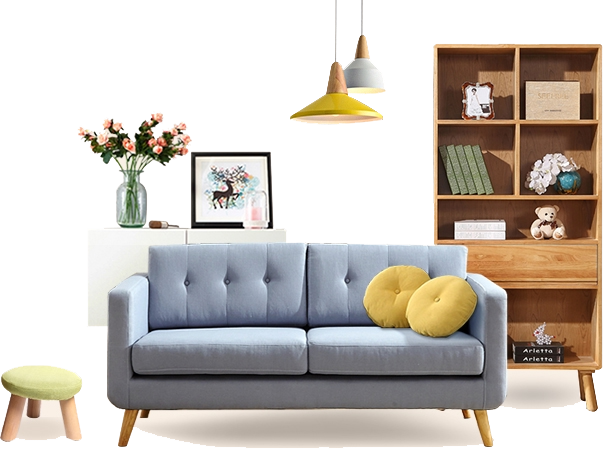
Furniture is bulky to ship and slow to replace, so buyers weigh durability, finish and how efficiently it loads into a container alongside design and price. This department covers finished furniture for every setting, plus the components and fittings it is built from.
Particleboard and MDF with melamine or veneer faces keep cost down; solid wood, steel and aluminum carry structural loads. Buyers in many markets ask for low-formaldehyde boards rated E1, E0 or CARB Phase 2.
Commercial buyers often specify BIFMA in North America or EN standards in Europe, such as EN 1335 for office chairs, and upholstered items may need fire testing like BS 5852 or CAL TB 117-2013. Knock-down flat-pack designs fit far more pieces into a 40 ft high-cube container than assembled furniture. Check the fire and safety rules for your market.
Ask furniture factories for test reports to the strength and stability standard your buyers expect, the board grade and formaldehyde class, and the fire test for any upholstery. Request a pre-production sample and agree a finish reference. Confirm the cubic meter volume per piece, how many fit in a 40 ft high-cube container, and whether assembly instructions and fittings are packed with every unit.

Beds, Mattresses and Bedroom StorageBedroom furniture spans everything from the bed and mattress to the storage around them. Buyers range from furniture retailers and online sellers to hotel groups, student housing developers and serviced apartment operators, each with different priorities on price, durability and lead time.Product Types CoveredBed frames: timber, metal and upholstered frames with slatted or solid bases.Divan beds: upholstered box bases, often with drawers, popular in the UK and Ireland.Storage beds: ottoman lift-up and drawer beds that add hidden storage.Headboards: upholstered, timber or metal, sold separately or with a bed.Foam mattresses: polyurethane, memory foam and latex constructions, often roll-packed.Spring mattresses: open coil, pocket spring and hybrid designs.Wardrobe systems: freestanding, fitted and sliding-door wardrobes with interior fittings.Chests of drawers, dressing tables and bedside tables: case goods that usually come in matching collections.How Buyers ChooseMost retailers buy case goods as collections in a single finish, so range depth matters: a bed, two bedside tables, a chest and a wardrobe that match. Mattresses are bought on comfort grade, construction and size, and size standards differ by country, which is the first thing to settle with a factory. Hotel buyers add requirements for durability, fire performance and easy cleaning.Who Serves the TradePanel furniture factories, solid wood workshops, metal bed makers, upholstery plants and mattress manufacturers all supply this category, along with exporters who consolidate mixed bedroom containers. Many mattress makers produce close to their markets because of freight, although roll-packed foam has made long-distance trade far more practical. Check flammability and labeling rules for mattresses and upholstered beds in your market.
Fixed and Beam Seating for Venues and Public SpacesThis category covers seating built for crowds: venues, transport hubs, places of worship, clinics and streets. The buyers are rarely individuals. Architects, fit-out contractors, venue operators, local authorities and transport operators specify it for projects, often through a tender, with layouts drawn for each building.Types in the categoryAuditorium seating: upholstered tip-up chairs for lecture halls and conference centers.Stadium seating: molded plastic seats fixed to terraces and tiered stands.Cinema seating: deep, upholstered seats, including rockers and recliners.Church pews: long timber benches for congregations.Bus stop seating: vandal-resistant perches and benches for shelters.Airport seating: steel beam seating in linked rows for terminals.Waiting chairs: beam and stand-alone chairs for clinics, offices and stations.Theater seats: upholstered chairs fitted to raked or flat floors in performance spaces.Bench seating: fixed or freestanding benches for parks, corridors and changing rooms.How projects chooseBuyers balance comfort, durability, cleaning, fire performance and floor fixing method. Seat pitch and width decide capacity, so layout drawings come before price. Upholstery must meet fire rules in the destination, accessible spaces must be planned for wheelchair users and companions, and outdoor products need corrosion protection. Check the safety and fire regulations required in your market for each type of venue.Who supplies itSpecialist seating manufacturers handle design, fabrication and often installation; contract furniture firms and street furniture makers cover the simpler lines. Orders are typically quoted per seat or per project, ex-works or delivered, with lead times set by fabric and finish choices.
Made-to-Order Furniture for Commercial and Residential ProjectsCustom and contract furniture is produced to a project's drawings rather than picked from a showroom. Contract furniture is built for heavy commercial use, in hotels, offices, restaurants, hospitals and student housing, while custom work also covers fitted joinery in homes and apartment developments. Buyers are developers, hotel owners, procurement agents, interior designers, architects, main contractors and furniture brands outsourcing production.What the Category CoversCustom joinery: built-in cabinetry, shelving, counters and doors made to measure.Built-in wardrobes: fitted storage for bedrooms, hotels and serviced apartments.Fitted kitchens: cabinets, worktops and installation for homes and developments.OEM furniture manufacturing: factories producing to another brand's design.Hotel room furniture packages: complete guest room casegoods and seating.Office fit-out services: workplace design, build and furniture.Interior fit-out services: finishing works for retail, hospitality and residential spaces.Contract upholstery: seating and soft furnishings made in volume to specification.Reception furniture: desks and waiting area seating for lobbies.Wall paneling: timber, veneer, acoustic and upholstered wall finishes.How Projects Are BoughtBuyers usually issue drawings and a specification, then ask several makers to price them. A shop drawing stage, finish samples and a prototype or mock-up room come before mass production. Fire performance of upholstery and panels, durability ratings such as rub counts, and timber certification such as FSC or PEFC are common specification points. Lead times run from weeks for joinery to several months for a full hotel.Types of SupplierThe trade includes joinery workshops, export furniture factories, specialist hospitality manufacturers and fit-out contractors who manage design, procurement and installation together.
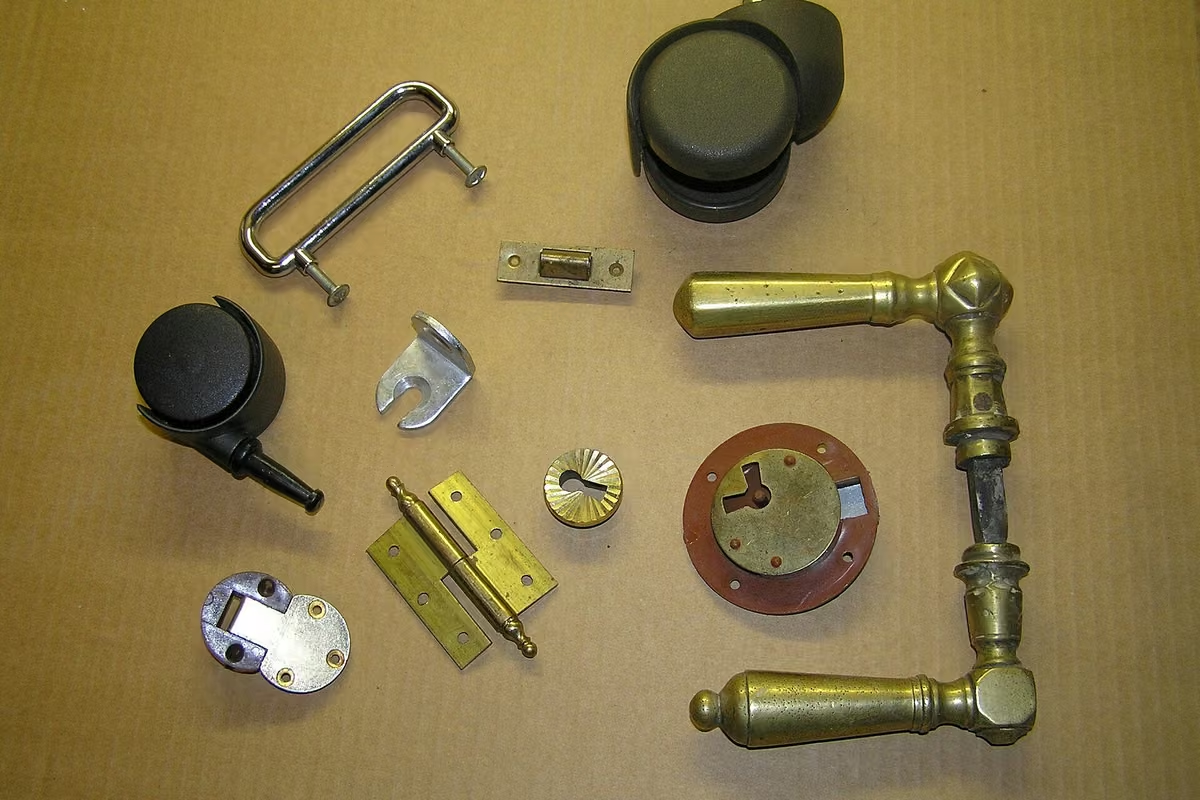
Furniture Fittings, Hardware and Upholstery MaterialsThis category covers the parts that furniture factories, kitchen and wardrobe makers, upholsterers and repair workshops build into finished pieces. Some items are precision metal hardware bought by the thousand; others are bulk materials sold by the roll, sheet or hide. Most buyers source several of these lines together for the same production program.Product types in this categoryDrawer slides: ball-bearing, undermount and soft-close runners for cabinets, desks and kitchens.Furniture hinges: concealed cup hinges, butt hinges and specialist hinges for doors and lids.Furniture legs: wood, metal and plastic legs for sofas, tables, beds and cabinets.Handles and knobs: the visible hardware that defines a cabinet's style.Furniture castors: wheels for chairs, trolleys and mobile units.Gas lifts: gas springs for office chairs, stools and lifting lids or beds.Upholstery foam: polyurethane and memory foam in blocks, sheets and cut shapes.Leather for upholstery: finished hides for sofas, chairs and vehicle interiors.Mattress springs: Bonnell, pocket and continuous coil units.Knock-down fittings: cam locks, dowels and connectors for flat-pack furniture.How buyers choose suppliersHardware is judged on cycle tests, load ratings, finish and corrosion resistance, often against EN or BIFMA test methods. Materials are judged on density, grade and consistency between batches. Hardware specialists, foam converters, tanneries and spring unit makers serve the trade directly, while distributors carry mixed stock for smaller workshops.OrderingFactories buy against drawings and samples, and dimensions such as hinge cup diameter or slide length must match the cabinet design exactly. Hardware ships boxed in pairs or sets on pallets; foam and springs are compressed or roll-packed to cut freight volume.
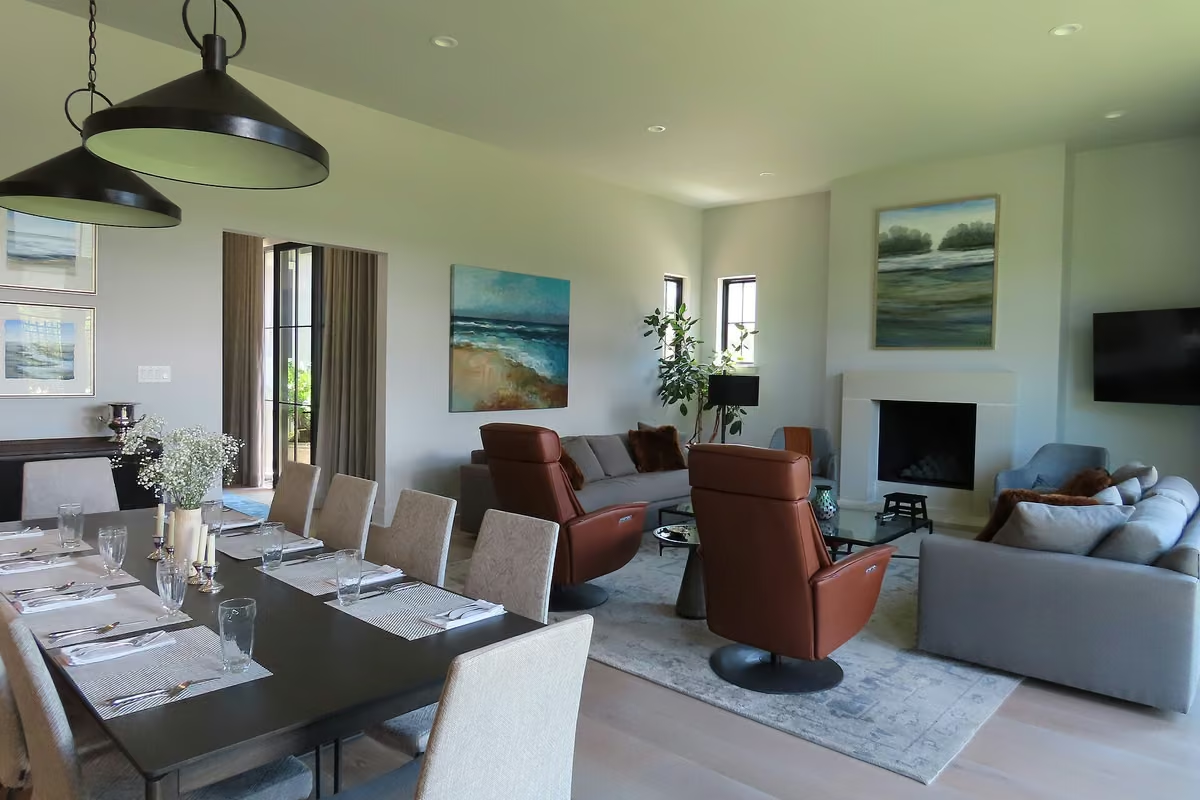
Living Room, Dining and Bedroom Furniture for the TradeThis category covers the furniture people buy for their homes: seating, tables, beds, storage and complete room sets. Buyers are furniture retailers, online stores, importers and distributors, property developers furnishing show flats and rental units, and student and staff housing operators.Product types in the categorySofas, sofa beds and recliners: upholstered seating in fabric or leather, in fixed, modular and convertible designs.Chairs and bar stools: dining chairs, accent chairs and counter-height stools.Tables and coffee tables: dining tables in wood, glass, stone or ceramic tops, and low living-room tables.Wardrobes, cabinets and shoe cabinets: case goods for bedrooms and hallways.Bookcases and shelving: freestanding and wall-mounted storage.Bunk beds, mattress bases and bedroom sets: sleeping furniture for families, hostels and housing projects.How buyers chooseThe first split is construction: flat-pack board furniture ships densely and sells at lower prices, while solid wood and upholstered pieces cost more to ship but command higher margins. Then come style, finish and price band for the target store. Mass retailers want consistent color and packaging over repeat orders; project buyers want one specification delivered complete and on schedule.Who supplies the tradeSuppliers range from large export factories with in-house design to specialist upholsterers, woodworking workshops and trading companies that consolidate mixed containers. Many offer OEM production to a buyer's design. Common checks include drop and stability tests, fire rules for upholstery and formaldehyde emissions from boards. Buyers should check the import rules and certification required in their market for each product line.

Furniture for Wards, Clinics and Treatment RoomsHospital furniture covers everything a healthcare building needs around the patient and the staff, apart from the beds and diagnostic equipment themselves. It shares one priority: surfaces that withstand repeated cleaning with hospital disinfectants, and designs that make work easier for nurses and doctors.Main Product TypesHospital bedside cabinets and overbed tables: storage and a working surface beside each ward bed.Examination tables and treatment chairs: couches and adjustable chairs for consultations, blood sampling and minor procedures.Dental treatment chairs: powered chairs with integrated delivery units for dental practices.Patient chairs and waiting room chairs: high-seat chairs on wards and beam or modular seating in reception areas.Medical trolleys: carts for medicines, dressings, emergencies and instruments.Hospital screens: folding or mobile privacy partitions.Hospital wardrobes, medical storage cabinets and nurse station desks: storage and workstations for wards and departments.How Buyers ChooseHospital procurement teams and clinic owners compare products on material (powder-coated steel, ABS, stainless steel or HPL), ease of cleaning, mobility, adjustability and load capacity. Powered items such as dental chairs and electric couches are regulated as medical devices in many markets, so buyers check registration and electrical safety. Check the import rules and certification required in your market before ordering.Who Supplies the TradeThe category is served by specialist medical furniture factories, general contract furniture makers with healthcare lines, and distributors who assemble full fit-out packages for new hospitals, clinics, care homes and dental surgeries.
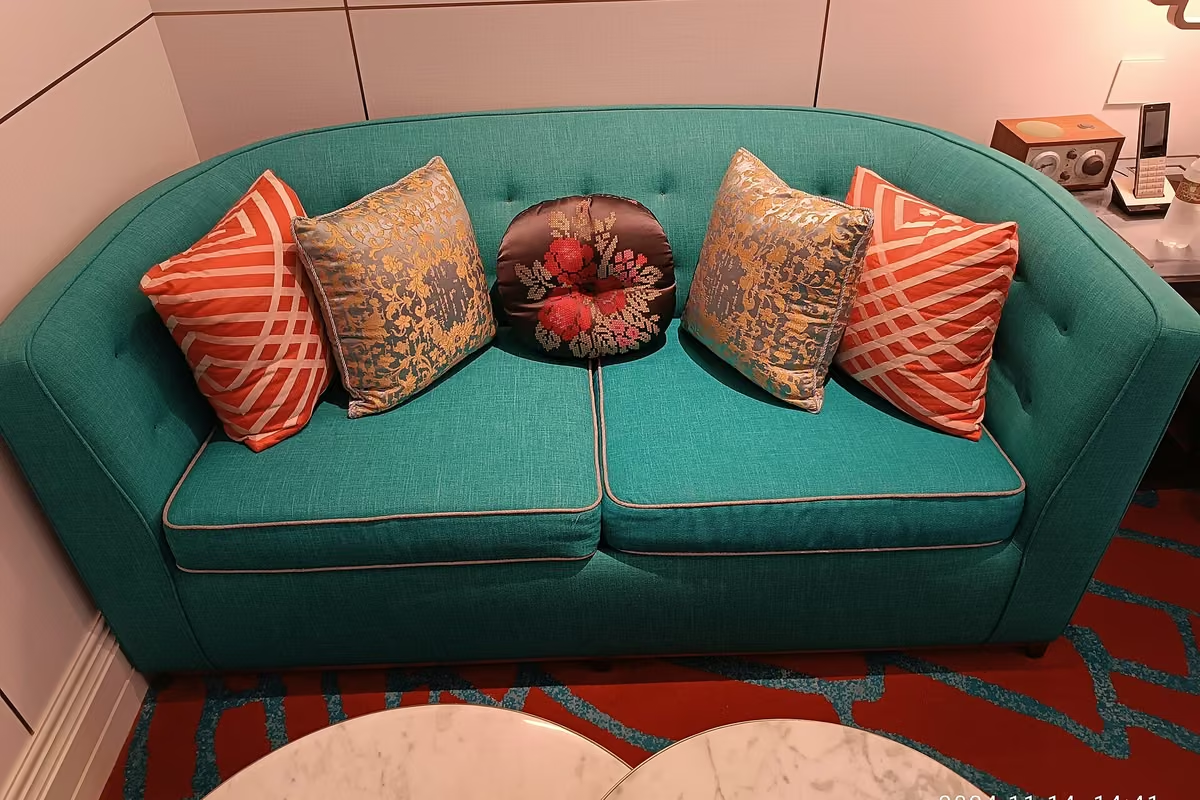
Contract Furniture for HospitalityThis category covers furniture built for commercial hospitality: guest rooms, lobbies, restaurants, bars and banqueting halls. It is bought differently from home furniture. Hotel owners, operators, interior designers, FF&E procurement firms, restaurant groups and event venues order to a specification, often for a whole property, and expect contract-grade durability.Product typesBanquet chairs and banquet tables: stackable chairs and folding round or rectangular tables for function rooms.Folding and stacking chairs: flexible seating that stores compactly.Restaurant chairs and tables: dining seating in wood, metal or upholstery, with table bases and tops sized for covers.Booth seating: fixed upholstered banquettes, single or double sided.Bar counters and buffet stands: front-of-house service units.Hotel bed frames, headboards, mattresses and wardrobes: casegoods and sleep products for guest rooms.Lobby sofas: lounge seating for receptions and public areas.How buyers chooseHospitality furniture is judged on durability, cleanability, fire safety and design. Upholstery needs high abrasion ratings and often must pass fire tests for public buildings. Frames must survive daily stacking, moving and heavy use. Large projects follow a design package with drawings and finishes, then a sample or mock-up room approved before production.Who supplies the tradeSuppliers include contract furniture factories that build to drawings, specialist banquet seating makers, upholsterers producing booths and bedding, and trading firms managing whole FF&E packages. Check the fire, safety and import requirements in your market before specifying.
Furniture for Cooking, Storing and EatingThis category spans the fitted and freestanding pieces that furnish a kitchen and the room where meals are eaten. It brings together joinery-style products such as cabinets and pantry units with loose furniture such as tables and chairs, so buyers range from kitchen fitters and property developers to furniture retailers and restaurant groups.Product Types in the RangeKitchen cabinets and pantry units: base, wall and tall carcasses in board or solid wood, sold as kits or assembled.Kitchen islands and breakfast bars: freestanding or fixed worktop units that add preparation space and casual seating.Kitchen carts and shelving: mobile trolleys, open racks and wall shelves for small kitchens and food service.Dish racks: drainers and plate racks in stainless steel, wire, bamboo or plastic.Dining tables, chairs and sets: fixed, extending and folding tables with matching seating, sold separately or bundled.Bar cabinets: storage for glassware and bottles, often with wine racks.How Buyers Narrow the ChoiceFitted products are judged on carcass board grade, hinge and runner hardware, edge banding and how accurately parts are machined, because errors show up at installation. Loose furniture is judged on joint strength, stability, finish durability and how compactly it packs. Contract buyers for cafés and hotels look for heavier frames and tested seating, while retailers weigh flat-pack volume against assembly time for the end customer.Who Supplies the TradePanel furniture plants produce cabinets and pantry units at volume, solid wood workshops make tables and chairs, and metal fabricators turn out carts, racks and folding frames. Many exporters combine these into mixed container loads so an importer can stock a complete room setting from one source.
Furniture Built for Laboratories, Workshops and WarehousesThis category groups the furniture that technical workplaces depend on: surfaces that withstand chemicals and heavy tools, storage that keeps parts and hazardous substances under control, and racking that holds pallets safely. Buyers include universities, hospitals, testing labs, pharmaceutical and food plants, factories, garages, logistics centers and the contractors who equip them.Product Types in the CategoryLaboratory benches: wall, island and mobile benches with chemical-resistant worktops and service spines.Fume cupboards: ventilated enclosures that extract fumes from chemical work.Workshop benches: steel or timber-topped benches for assembly, maintenance and repair.Industrial shelving: boltless and bolted steel shelving for parts and cartons.Tool cabinets: drawer cabinets and roller chests for tool control.Industrial stools: height-adjustable seating for benches and lines, including ESD versions.Warehouse racking: pallet racking, cantilever and long-span systems.Storage lockers: steel and laminate lockers for staff and changing rooms.Safety cabinets: fire-rated storage for flammables, acids and gas cylinders.Choosing Between ThemStart with the hazard and the load. Chemical work points to lab benches, fume cupboards and safety cabinets built to recognized standards such as EN 14175 for fume cupboards and EN 14470 for flammable storage. Heavy parts and pallets call for rated racking and shelving with published load tables. Ergonomics and staff numbers decide stools, benches and lockers.Who Supplies the TradeThe market is served by specialist laboratory furniture makers who also design and install, steel fabrication plants producing shelving, lockers and cabinets in volume, and racking manufacturers working with installers. Large projects are usually tendered with drawings, while standard steel storage is sold from stock by the pallet.
Seating and Storage for the Living RoomLiving room furniture covers the pieces that furnish the main sitting area of a home, hotel suite or serviced apartment. It splits into two quite different trades: upholstered seating, made with frames, foams and fabrics, and case goods, made from panels, timber and glass. Many importers buy both, but often from different factories.Product Types in This CategorySectional sofas: modular corner and L-shaped sofas sold as configurable units.Leather sofas: covered in full-grain, corrected-grain or split leather, or leather-match combinations.Armchairs: fully upholstered single seats, often matched to a sofa.Accent chairs: statement occasional chairs with exposed frames or bold fabrics.Ottomans and poufs: footstools, storage ottomans and soft floor cushions.Console tables: narrow tables for hallways and behind sofas.Sideboards, display cabinets and wall units: storage and media furniture.Rattan furniture: natural cane and synthetic weave seating and tables.How Buyers ChooseFurniture retailers and importers usually choose by style range and price band first, then by construction: kiln-dried hardwood or plywood frames, foam density, spring systems and fabric rub counts for seating; board type, veneer or lacquer, and hardware for cabinets. Upholstery is bulky, so whether a sofa ships assembled, with removable legs or in knock-down form greatly affects freight cost per piece.Who Supplies the TradeSupply comes from upholstery factories, panel furniture makers, solid-wood workshops and weaving workshops, along with trading companies that consolidate mixed containers. Major producing regions include China, Vietnam, Malaysia, Indonesia, India, Poland, Italy and Turkey. Hotel and contract buyers often need fire-rated fabrics and foams, so check what your market requires.
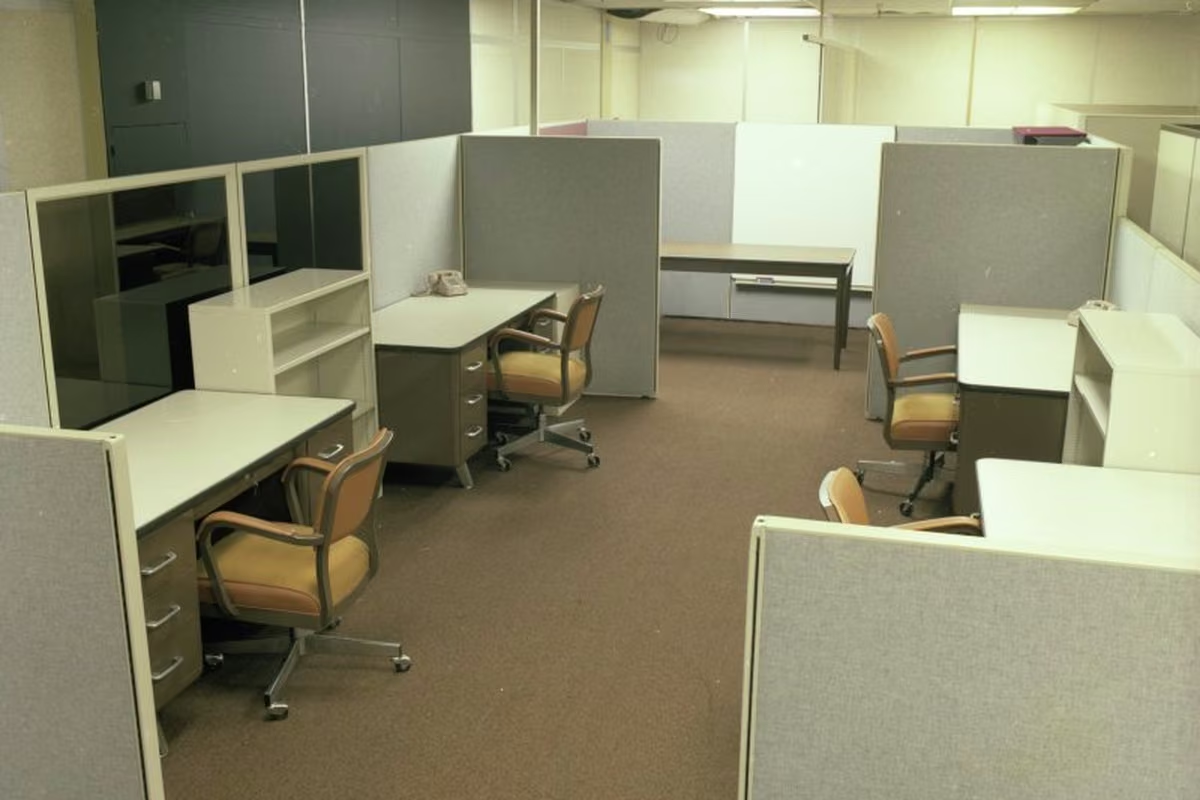
Furniture for Offices, Co-Working Spaces and Corporate Fit-OutsOffice furniture is usually bought in quantity for a whole floor at once, so consistency of finish, delivery timing and compliance with ergonomic standards matter as much as the look of a single piece. Buyers include corporate facilities teams, fit-out contractors, government offices, banks and co-working operators.Main Product TypesDesks, Executive Desks, Standing Desks and Workstations: from single straight desks to bench systems for four or more users, with fixed or electric height adjustment.Office Chairs, Meeting Chairs and Visitor Chairs: mesh or upholstered task chairs with synchronized mechanisms, plus cantilever and four-leg guest seating.Conference Tables and Reception Desks: boardroom tables with power modules, and counters for front-of-house.Filing Cabinets, Storage Cabinets, Mobile Pedestals and Lockers: steel and wood storage for paper and personal belongings.Office Partitions and Office Sofas: desk screens, acoustic panels and lounge seating for breakout areas.Standards Buyers SpecifyCorporate tenders frequently name ANSI/BIFMA X5.1 for task chairs and X5.5 for desks in North America, or EN 1335 for chairs and EN 527 for work tables in Europe. Boards are typically 25 mm melamine-faced chipboard with ABS edging, on powder-coated steel frames.Who Supplies ItThe trade is served by large integrated factories making chairs, panels and steel storage under one roof, by specialist seating manufacturers, and by dealers who handle design, delivery and installation. Most items ship knocked down to save freight, with installation at the destination. Larger projects often ask for a mock-up workstation and chair before the full order is confirmed, with color-matched finishes across desks, storage and screens.
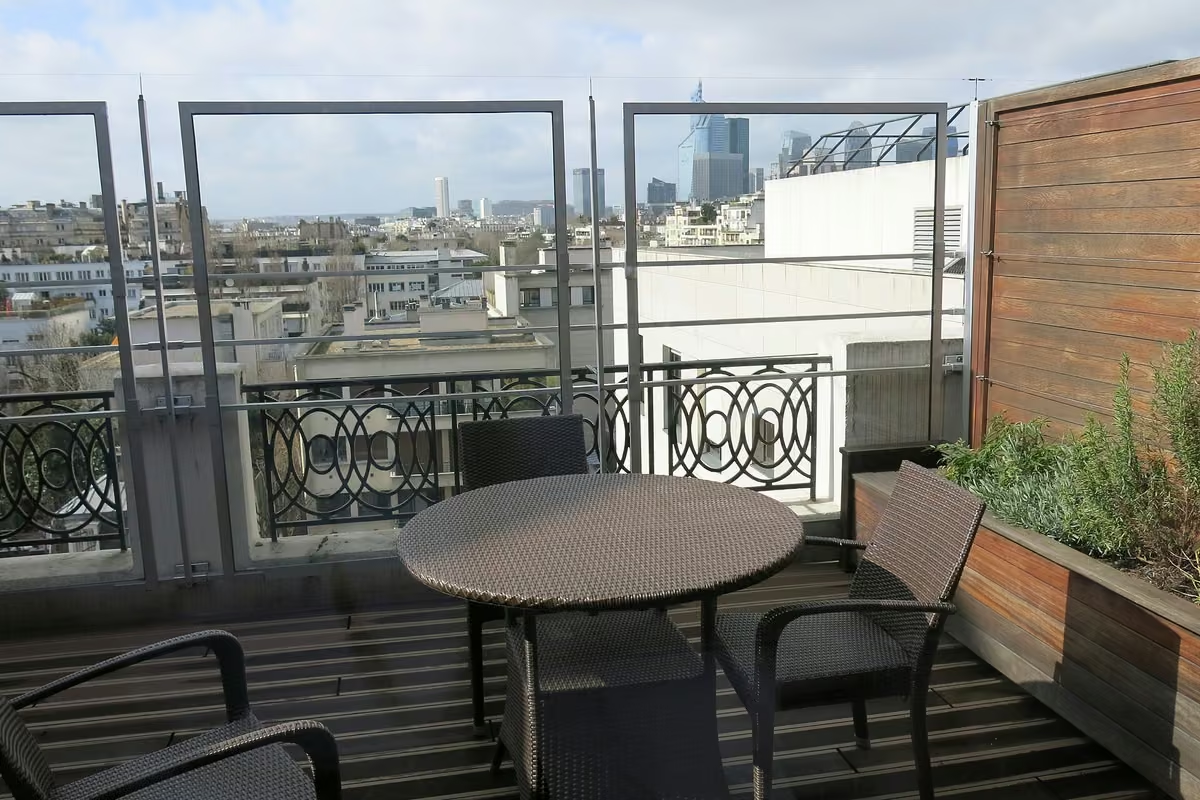
Furniture Built to Live OutsideOutdoor and garden furniture covers seating, tables, shade and light structures made to withstand sun, rain and temperature swings. The trade is strongly seasonal in temperate markets, with retailers placing orders months before spring, while resorts, hotels, beach clubs and restaurants buy year-round in warmer regions.What the Category IncludesGarden chairs and tables: dining and bistro pieces in resin, metal, wood or wicker.Sun loungers: reclining beds for pools, beaches and terraces.Garden benches: two- and three-seat benches for gardens, parks and public spaces.Swing seats: framed swings, hanging egg chairs and canopy hammocks.Outdoor sofa sets: modular lounge seating with weather-resistant cushions.Parasols: center-pole and cantilever umbrellas with bases.Pergolas: timber, aluminum and louvred roof structures.Teak furniture and wicker furniture: material-led ranges across many of these forms.Choosing by MaterialMaterial decides maintenance and lifespan. Teak and other dense hardwoods weather to silver-gray and suit premium ranges. Powder-coated aluminum is light and does not rust, which suits coastal hotels. Synthetic wicker woven from HDPE or PE fiber over aluminum frames gives the woven look without natural rattan's vulnerability to damp. Resin and polypropylene pieces cover the volume end. Buyers in hospitality usually prioritize stackability, frame weight and fabric fade resistance.Supply BaseProduction clusters include hardwood and wicker workshops in Southeast Asia and large metal and resin factories in East Asia, with European makers active in premium design. Many exporters will mix product types within a container to build a full collection.

Furnishing Classrooms, Labs and HallsSchool furniture equips every space in an education building, from nursery rooms to university lecture theaters. Pupils use it for hours every day and treat it hard, so the category is defined by sizing for age, robust construction and easy maintenance over a long service life.Product Types in the CategorySchool desks and school chairs: single and double pupil desks with matching chairs in age-graded sizes.Classroom tables: rectangular, trapezoid and hexagonal tables for group work.Teacher desks: larger desks with drawers and lockable storage.Lab stools: chemical-resistant stools for science rooms.Student lockers: steel or laminate lockers for corridors and changing rooms.Library shelving and school bookshelves: single and double-sided book stacks and low classroom shelves.Whiteboards: magnetic and dry-wipe boards, fixed or mobile.Dormitory beds: bunk and single beds for boarding schools.Kindergarten furniture: small tables, chairs, cubbies and play units.Lecture hall seating: fixed tip-up seats with writing tablets.How Buyers ChooseThe key choice is sizing: furniture should match pupils' height, and in Europe EN 1729 sets size marks for chairs and tables by stature. Buyers also weigh frame material (steel tube or wood), top surface (HPL, melamine or plywood), stackability, and safety details such as rounded edges and stable bases. Durability and the cost of replacing parts matter more than appearance in most tenders.Supplier TypesThe trade is served by dedicated education furniture factories, steel furniture makers producing lockers and frames, and distributors who handle government and school tenders.
Shopfitting Equipment, Displays and Store FixturesShop and retail fittings are the fixtures that hold, present and sell stock: shelving, counters, racks, display cases and the carts customers push. Supermarkets, convenience stores, pharmacies, fashion retailers, hardware stores and the shopfitting contractors who build their interiors are the buyers, often fitting out several branches at once.Product typesDisplay shelving: wall and freestanding shelving units for general merchandise.Gondola shelves: double-sided island units that form supermarket aisles.Display counters: glass-topped or solid counters for service areas.Shop racks: wire, tube or panel racks for packaged goods.Clothing racks: rails, rolling racks and wall systems for garments.Mannequins: full and partial figures and dress forms for fashion displays.Checkout counters: till points, conveyors and bagging stations.Display cases: lockable glass showcases for high-value goods.Shop shelving brackets: brackets, uprights and arms for slatwall and slotted systems.Shopping baskets and trolleys: plastic and wire baskets and carts.Pegboard displays: perforated panels with hooks for small hanging items.Planning a fit-outRetailers usually start with a floor plan and a planogram, then choose fixtures that fit the product mix, the brand look and the budget. Supermarkets need high-capacity steel systems that reconfigure easily; boutiques need display pieces with good finishes. Compatibility matters, because uprights, brackets and shelves from one system rarely fit another.Suppliers and shippingShelving and trolley factories, joinery shopfitters, glass display makers and mannequin producers all serve this trade. Most fittings ship knocked down in cartons, and multi-store orders are often consolidated in full containers with installation planned branch by branch.
Furniture factories, contract manufacturers, hardware producers and wholesalers list their ranges on Towobo with materials, dimensions, finishes, test standards and loading quantities. Retailers, fit-out contractors and hotel developers compare these offers and send quote requests for stock items or custom projects.
Furniture makers of every kind, from fittings to finished pieces, can open a store on Towobo and reach retailers, project buyers and importers sourcing their next container. Publish your materials, test reports and loading quantities so buyers can compare like for like.
Key information for B2B buyers sourcing furniture & fittings from global manufacturers.
Factory-direct orders typically start at 100–500 units. Wholesalers often accept 10–50 unit MOQs. Always confirm MOQ and price breaks in writing before placing a bulk order.
Request certificates relevant to your market: CE (EU), ISO 9001 (quality), RoHS (electronics), and UN38.3 (battery transport). Verify originals before payment.
Sample orders typically ship in 3–7 days. Production runs take 15–45 days depending on volume. Confirm Incoterms (FOB, CIF, EXW) and freight charges before signing.
Request physical samples before committing to bulk. Use Towobo's Payment Protection on all transactions. Compare at least 3 suppliers on price, lead time, and certifications.