
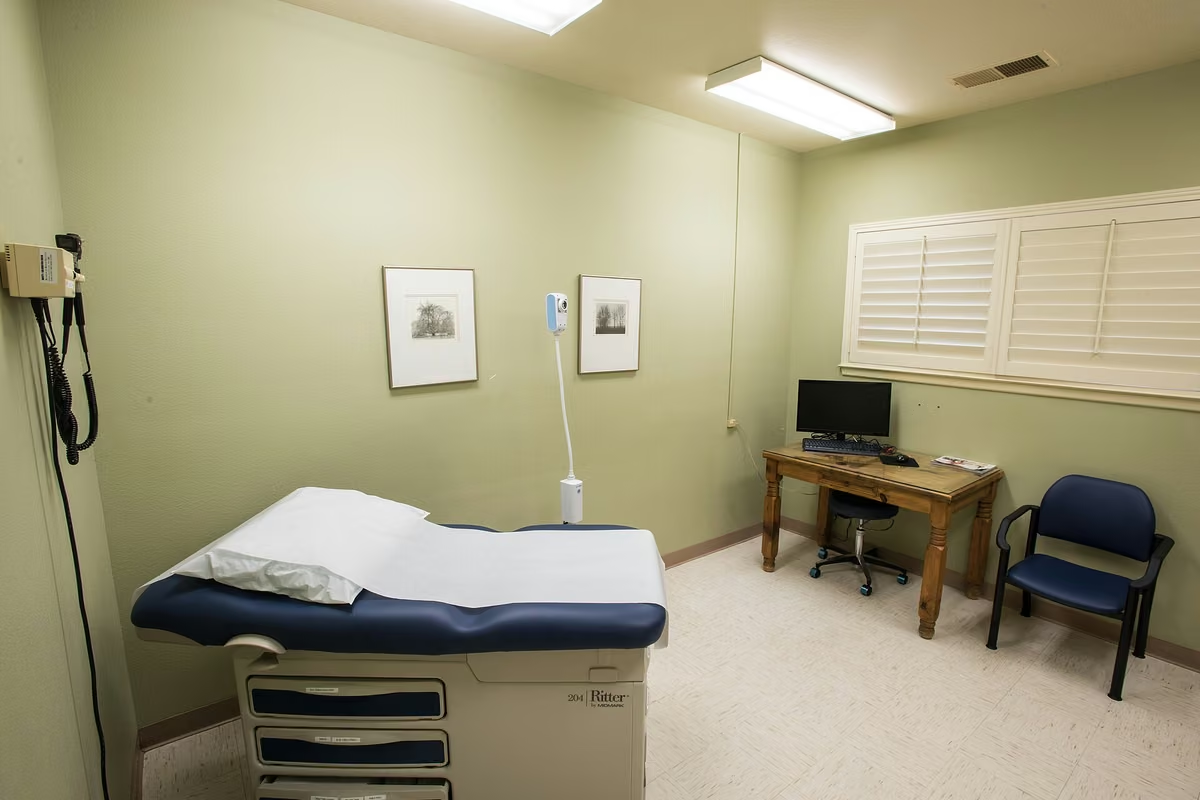
Hospital furniture covers everything a healthcare building needs around the patient and the staff, apart from the beds and diagnostic equipment themselves. It shares one priority: surfaces that withstand repeated cleaning with hospital disinfectants, and designs that make work easier for nurses and doctors.
Hospital procurement teams and clinic owners compare products on material (powder-coated steel, ABS, stainless steel or HPL), ease of cleaning, mobility, adjustability and load capacity. Powered items such as dental chairs and electric couches are regulated as medical devices in many markets, so buyers check registration and electrical safety. Check the import rules and certification required in your market before ordering.
The category is served by specialist medical furniture factories, general contract furniture makers with healthcare lines, and distributors who assemble full fit-out packages for new hospitals, clinics, care homes and dental surgeries.
When comparing hospital furniture suppliers, ask which items are registered as medical devices and for which markets. Request material specifications and confirm the surfaces tolerate the disinfectants your facility uses. Check castor quality, braking and load ratings. Ask for spare parts availability, warranty terms and whether the supplier can furnish a full ward or clinic with consistent finishes.

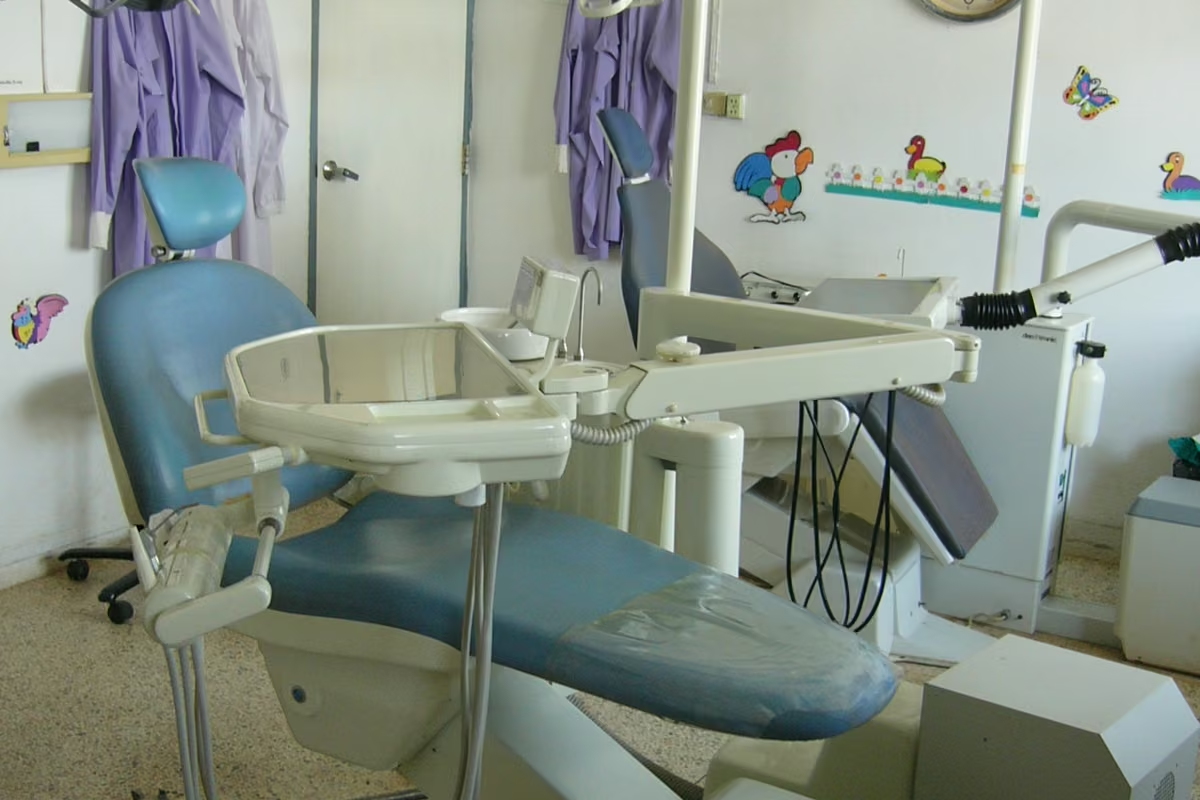
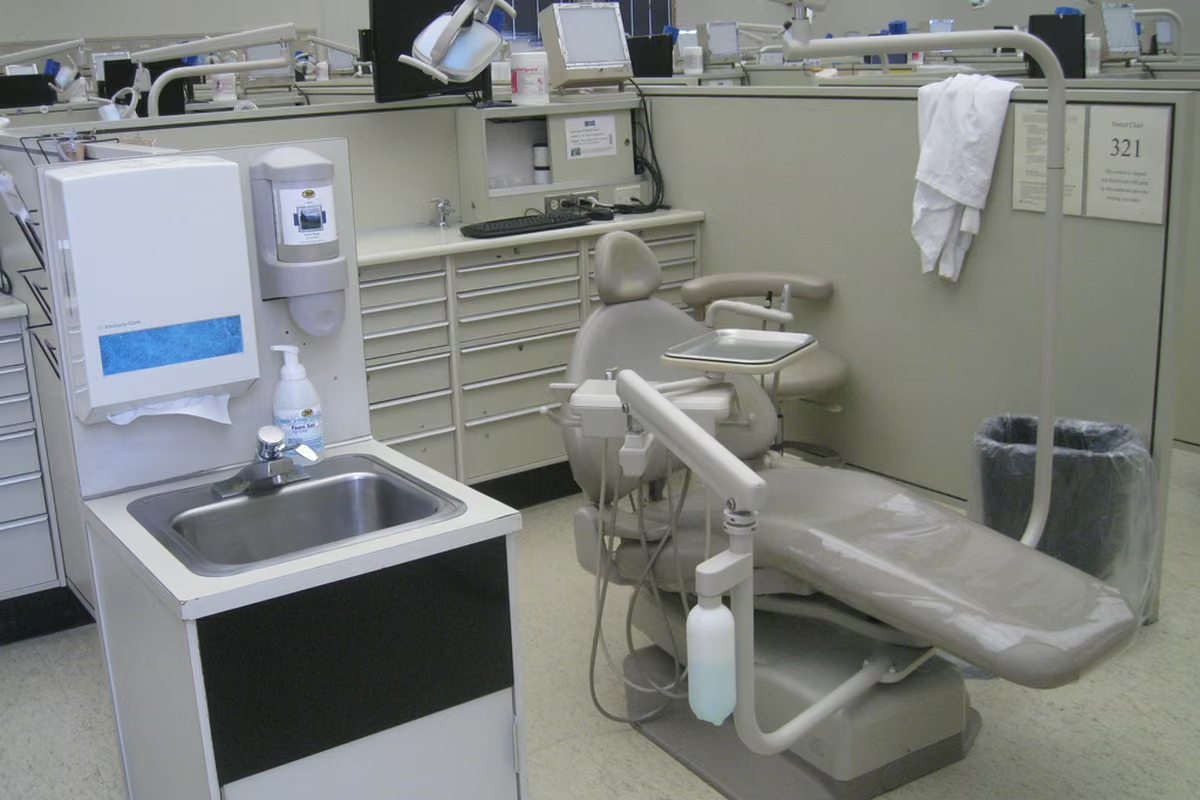
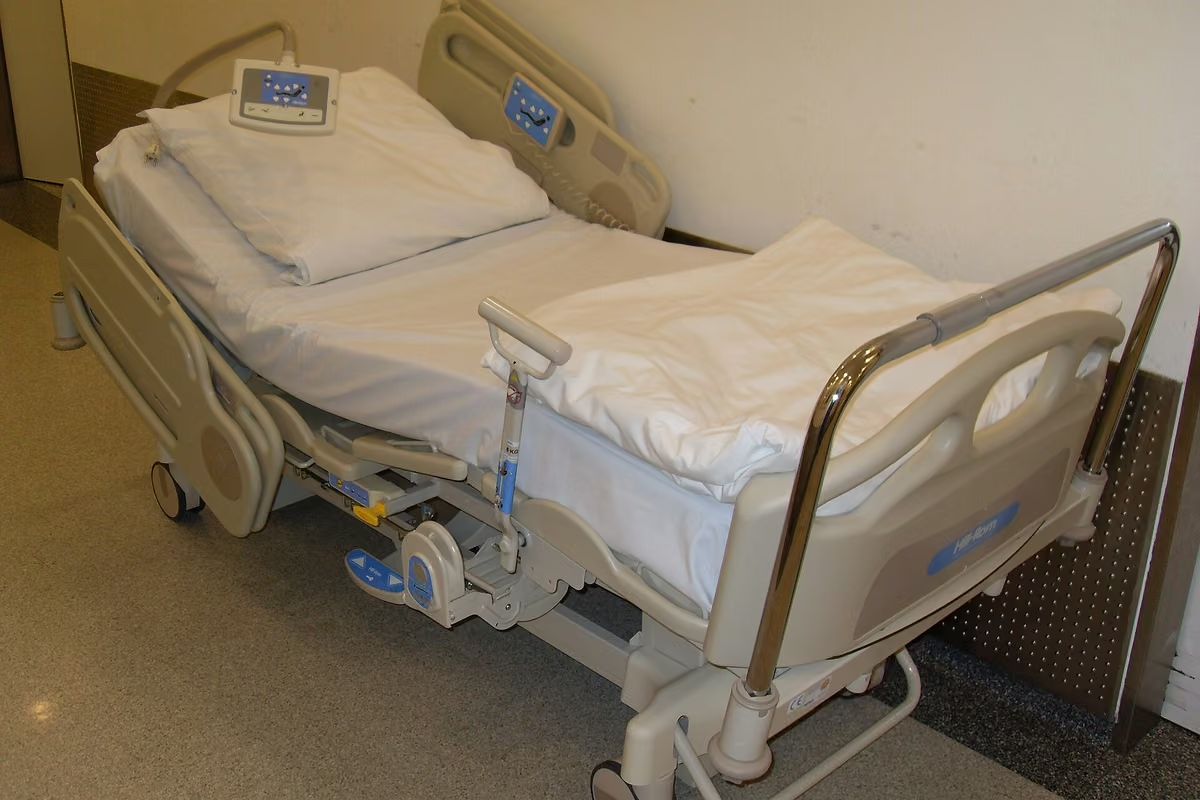
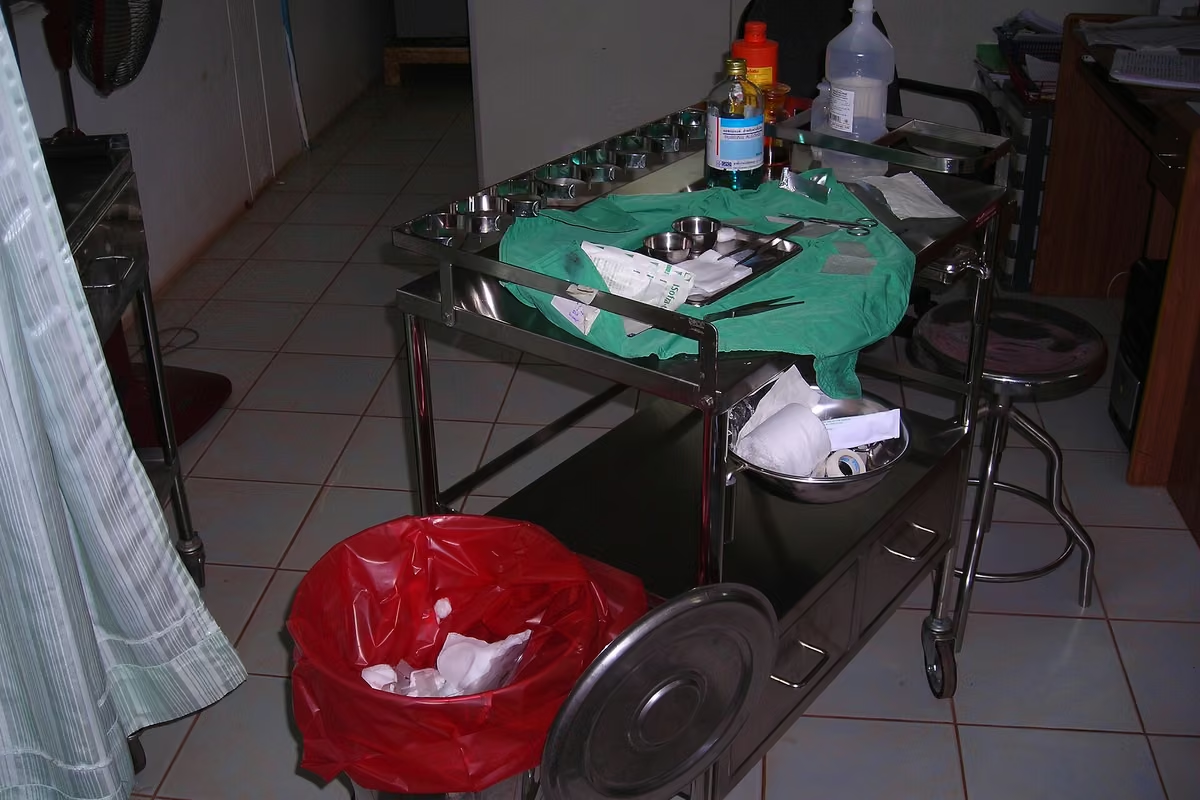
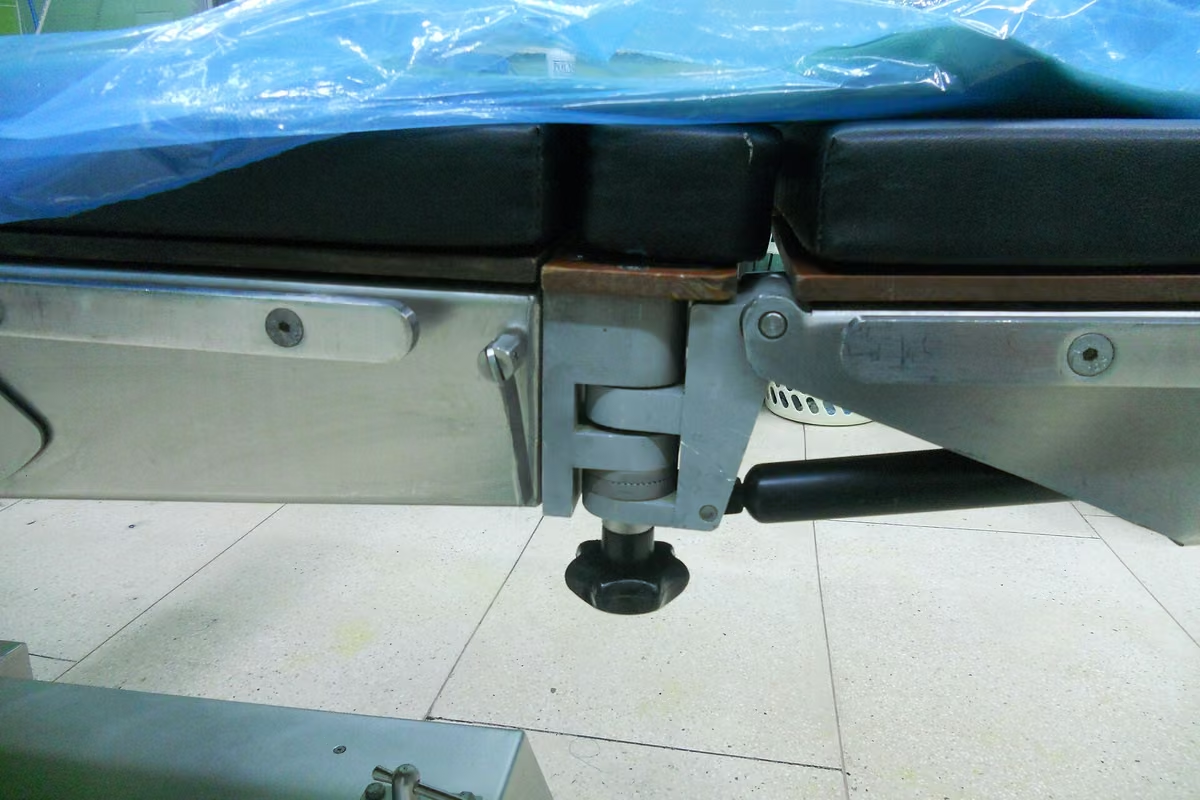
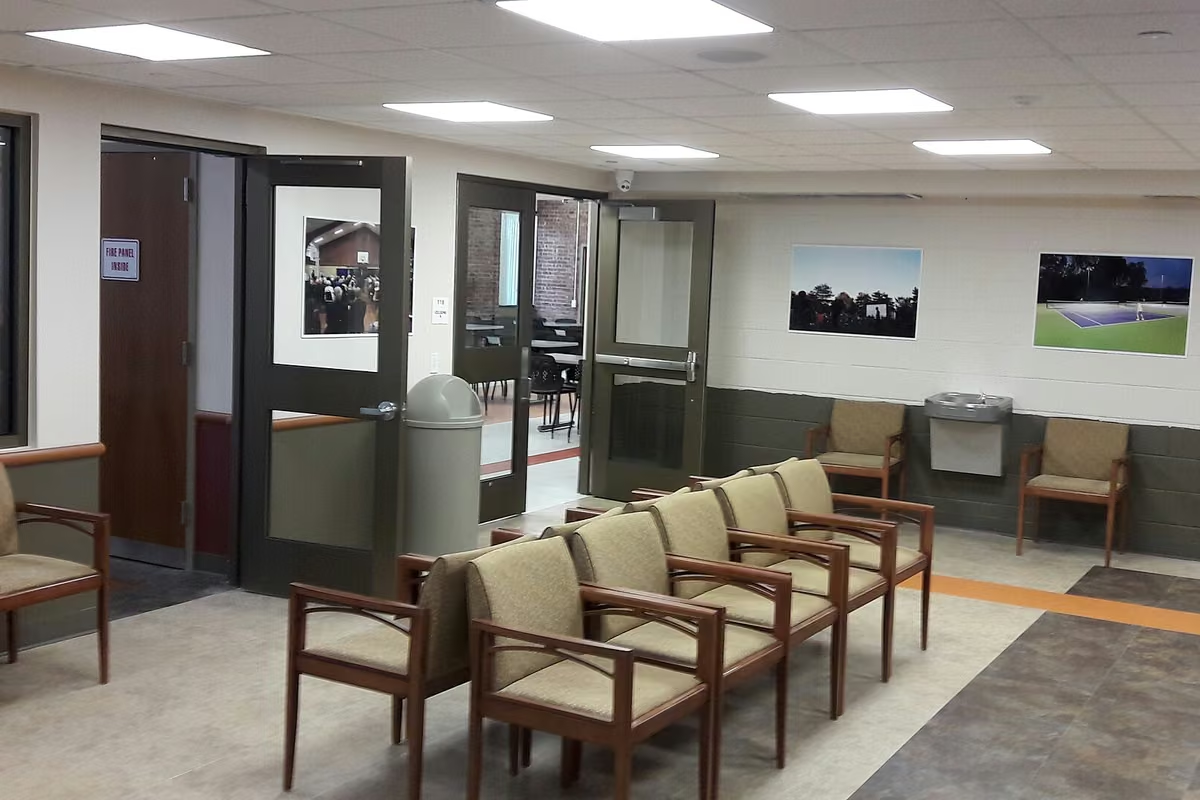
Medical furniture manufacturers and healthcare distributors list ward, clinic and dental furniture with materials, dimensions, adjustability and the certificates they hold. Buyers can compare these listings and request quotes for single items or complete fit-out packages.
If you produce furniture for hospitals, clinics, care homes or dental practices, open a store on Towobo and present your healthcare range to procurement teams and contractors equipping new facilities. Clear specifications, certificates and lead times help buyers shortlist you for ward, clinic and surgery projects.
Key information for B2B buyers sourcing hospital furniture from global manufacturers.
Factory-direct orders typically start at 100–500 units. Wholesalers often accept 10–50 unit MOQs. Always confirm MOQ and price breaks in writing before placing a bulk order.
Request certificates relevant to your market: CE (EU), ISO 9001 (quality), RoHS (electronics), and UN38.3 (battery transport). Verify originals before payment.
Sample orders typically ship in 3–7 days. Production runs take 15–45 days depending on volume. Confirm Incoterms (FOB, CIF, EXW) and freight charges before signing.
Request physical samples before committing to bulk. Use Towobo's Payment Protection on all transactions. Compare at least 3 suppliers on price, lead time, and certifications.