

School furniture equips every space in an education building, from nursery rooms to university lecture theaters. Pupils use it for hours every day and treat it hard, so the category is defined by sizing for age, robust construction and easy maintenance over a long service life.
The key choice is sizing: furniture should match pupils' height, and in Europe EN 1729 sets size marks for chairs and tables by stature. Buyers also weigh frame material (steel tube or wood), top surface (HPL, melamine or plywood), stackability, and safety details such as rounded edges and stable bases. Durability and the cost of replacing parts matter more than appearance in most tenders.
The trade is served by dedicated education furniture factories, steel furniture makers producing lockers and frames, and distributors who handle government and school tenders.
When comparing school furniture suppliers, ask which size marks or age groups each range covers and which standards it has been tested to. Check the steel tube gauge, top material and edge finish. Request samples for a trial classroom and confirm the availability of spare parts. Ask how products ship, whether they are knocked down, and how many sets fit in a container.
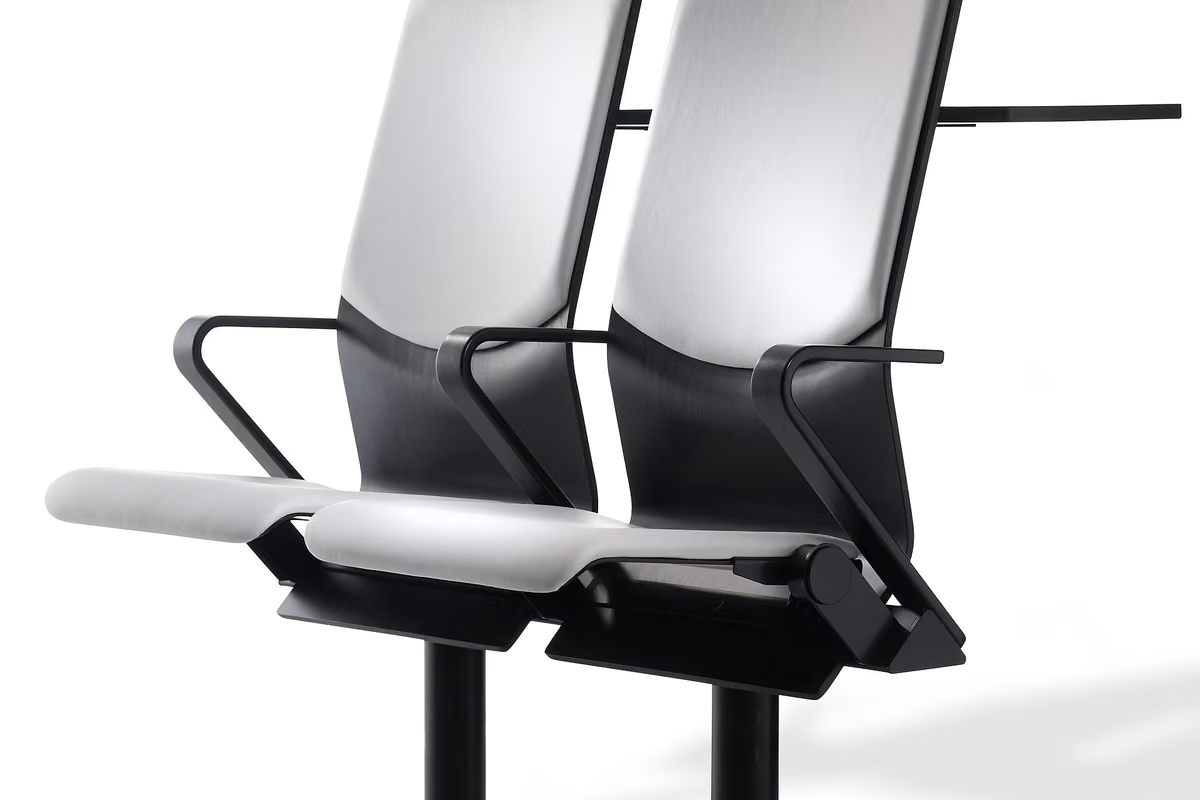
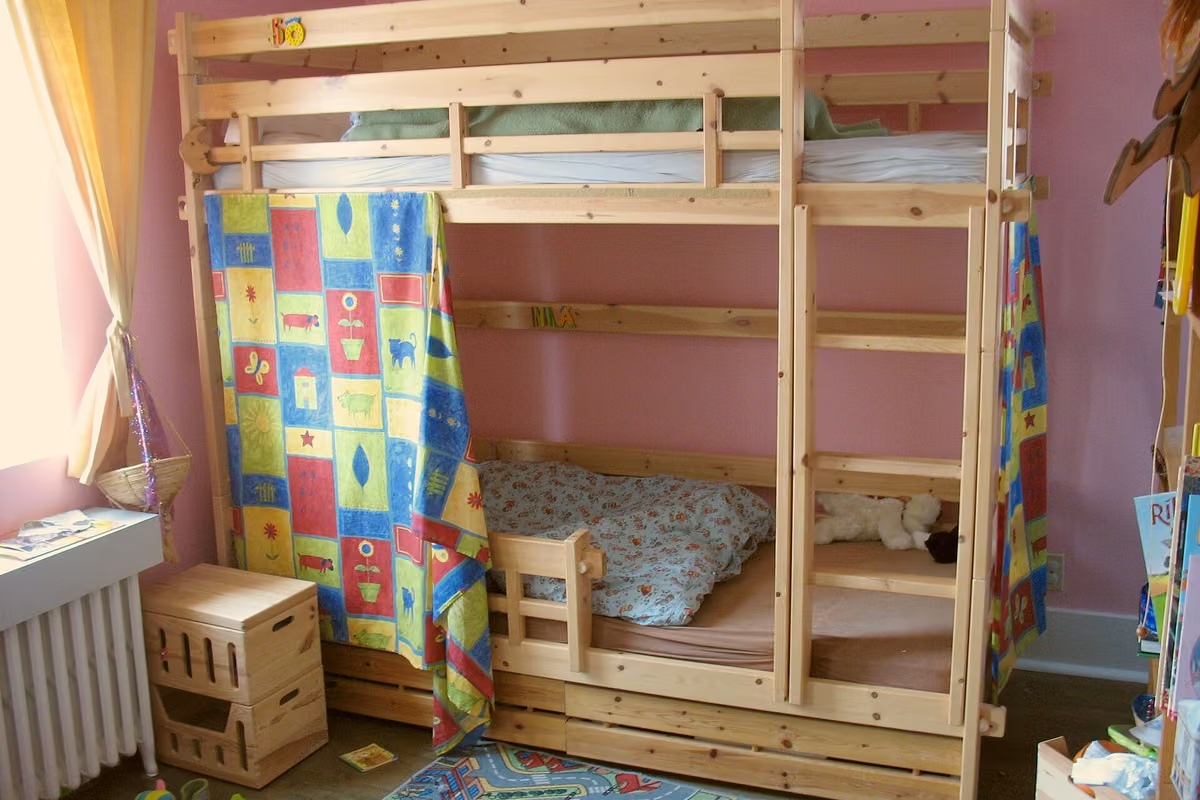

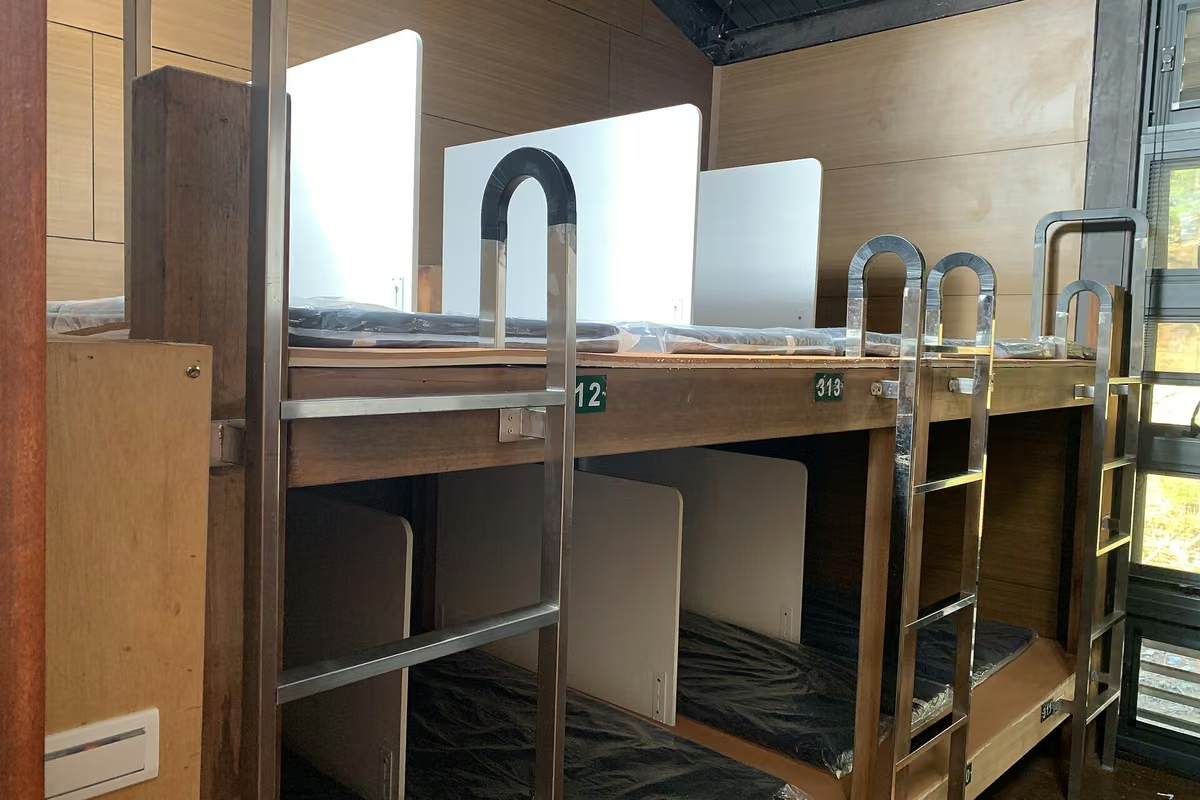
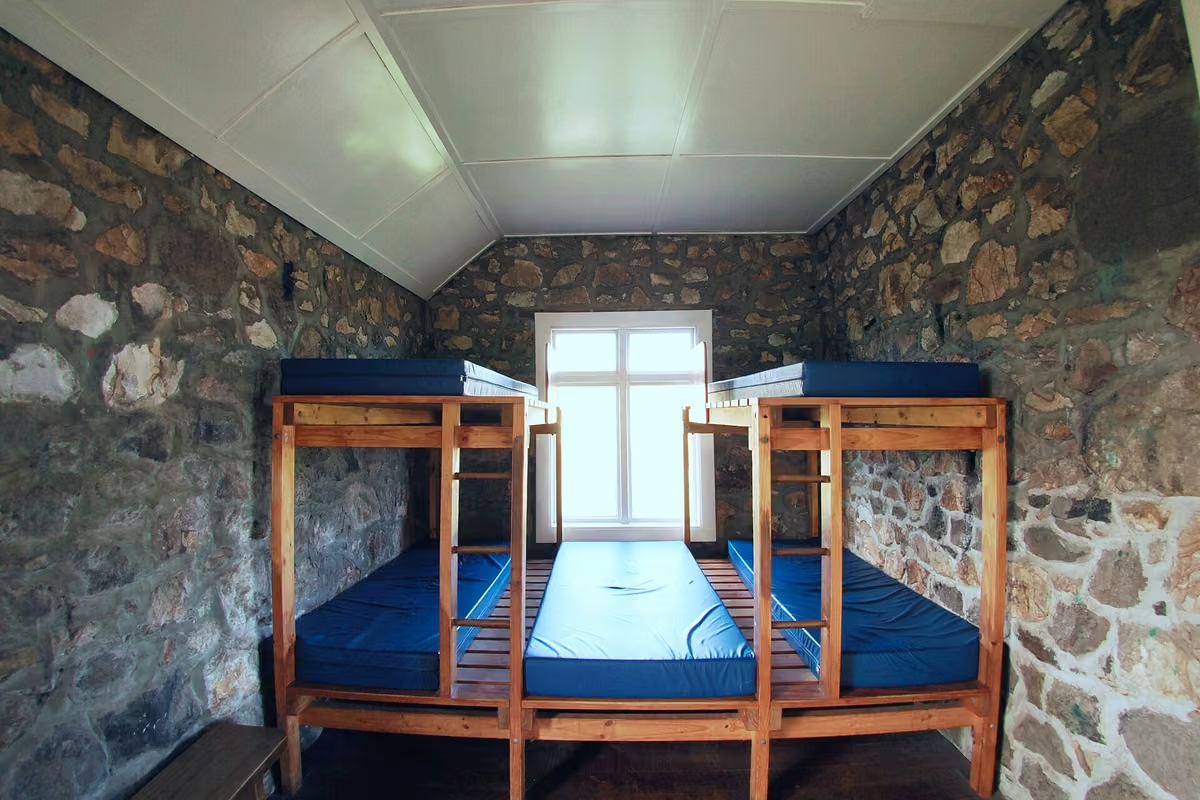
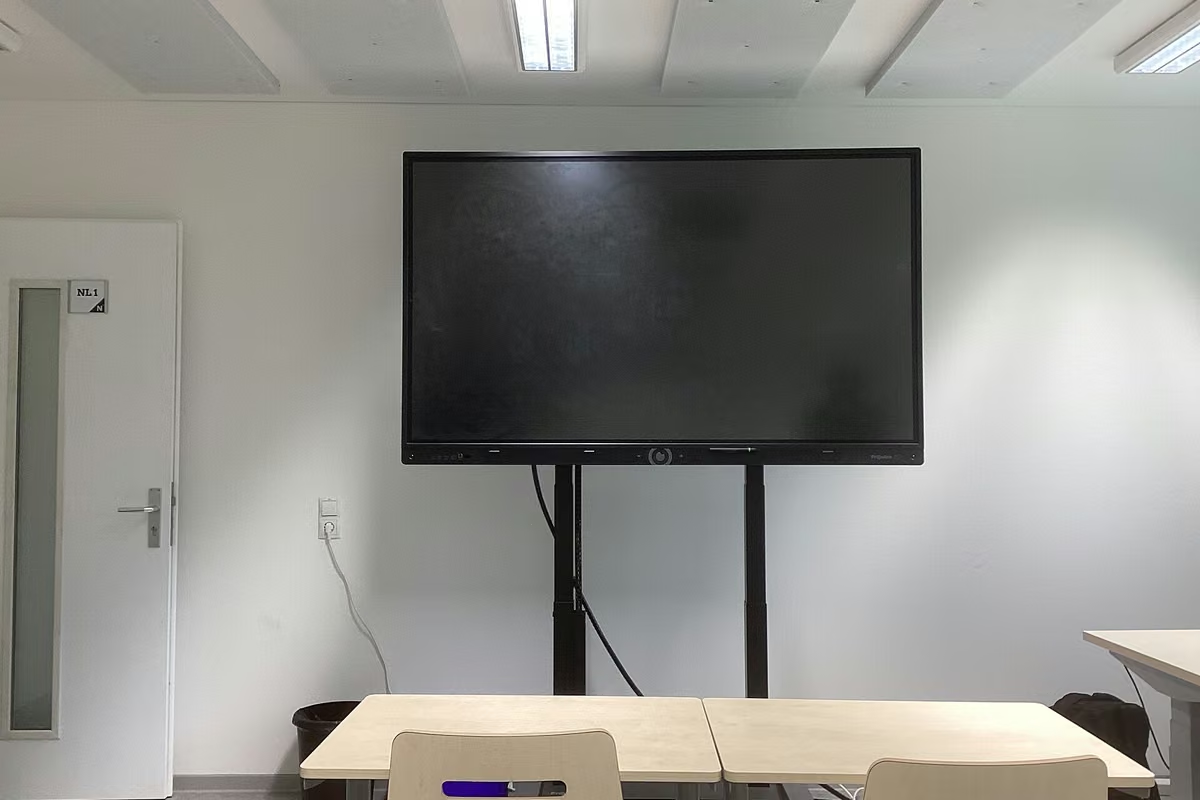

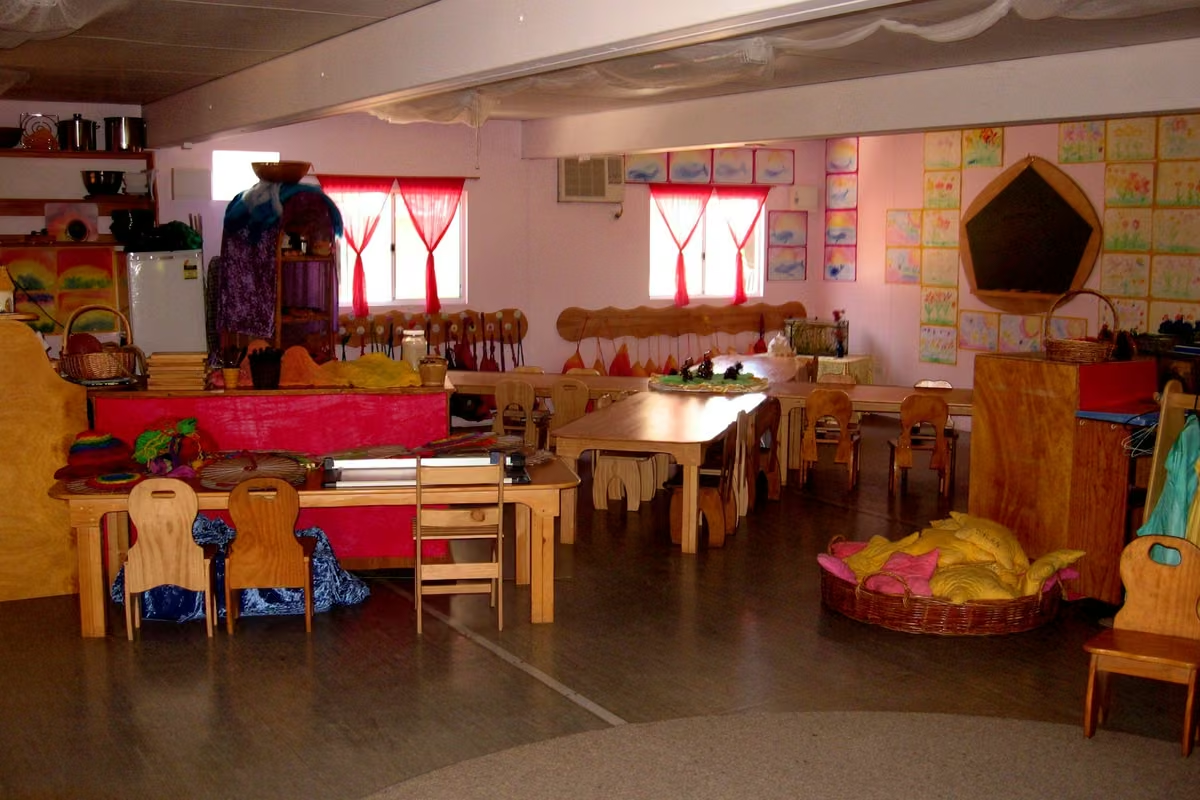
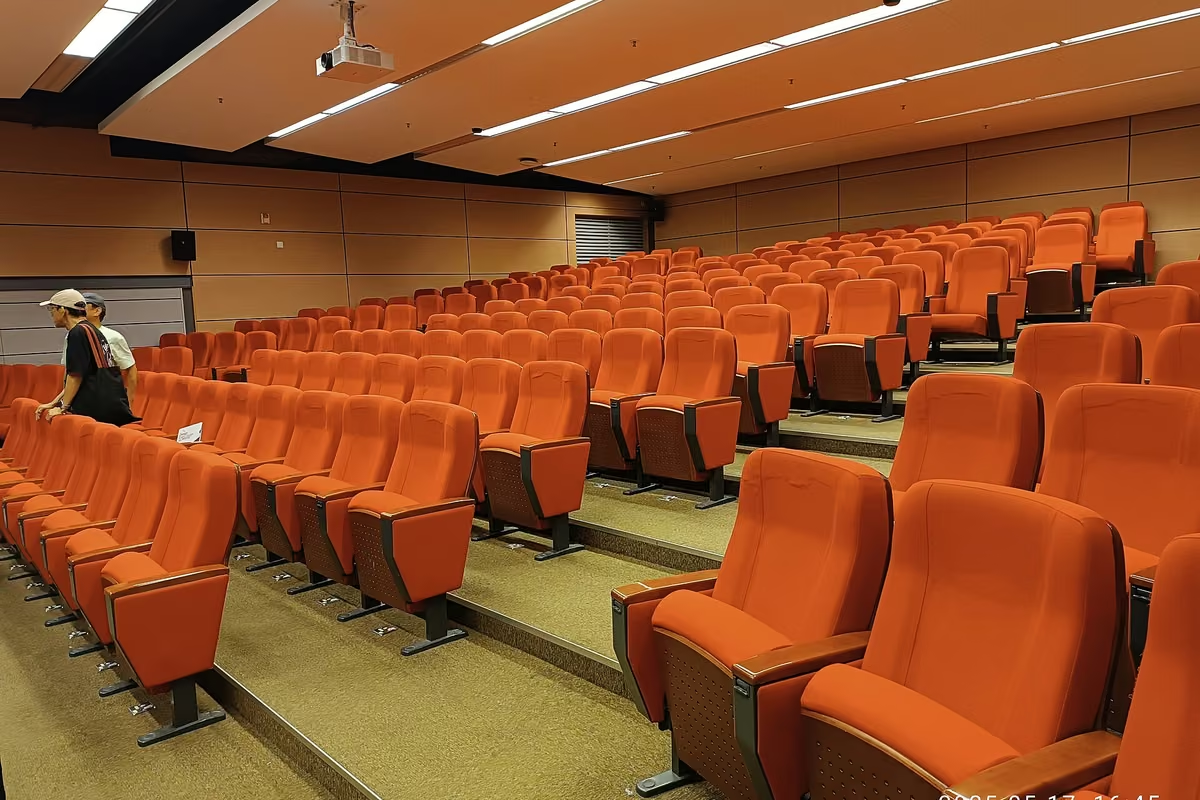
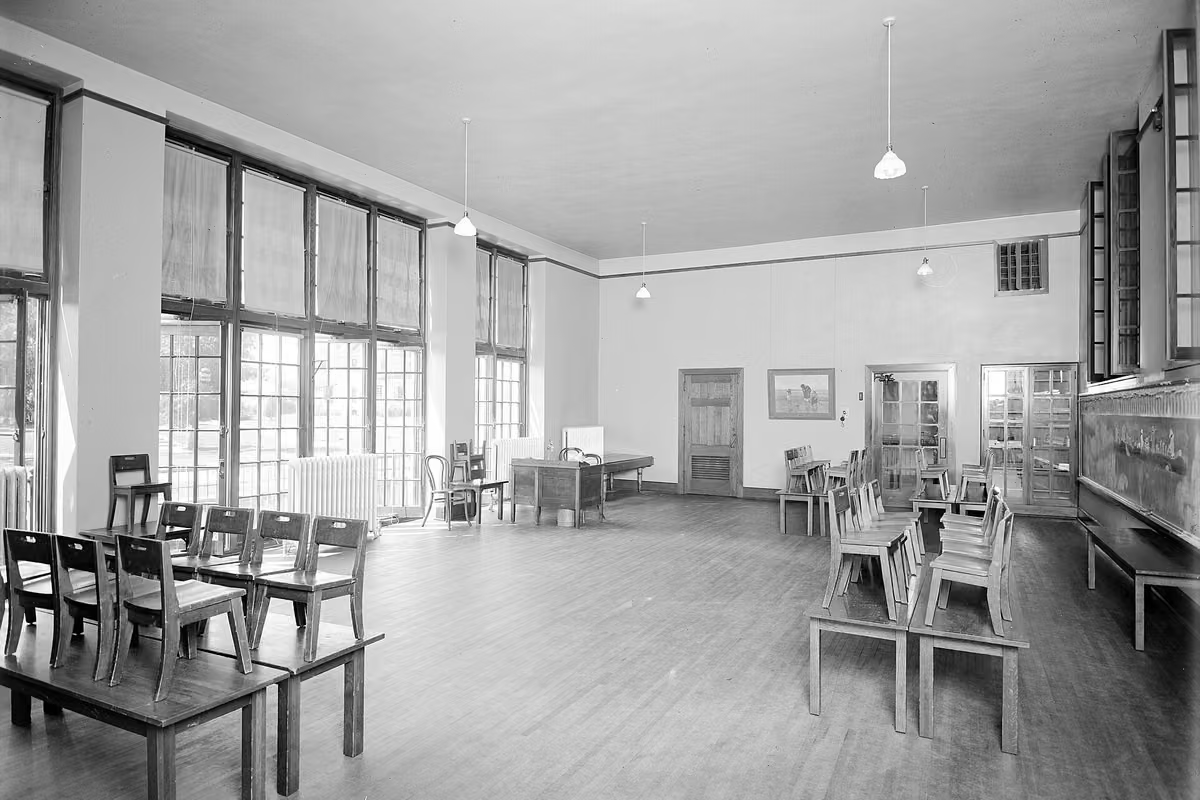
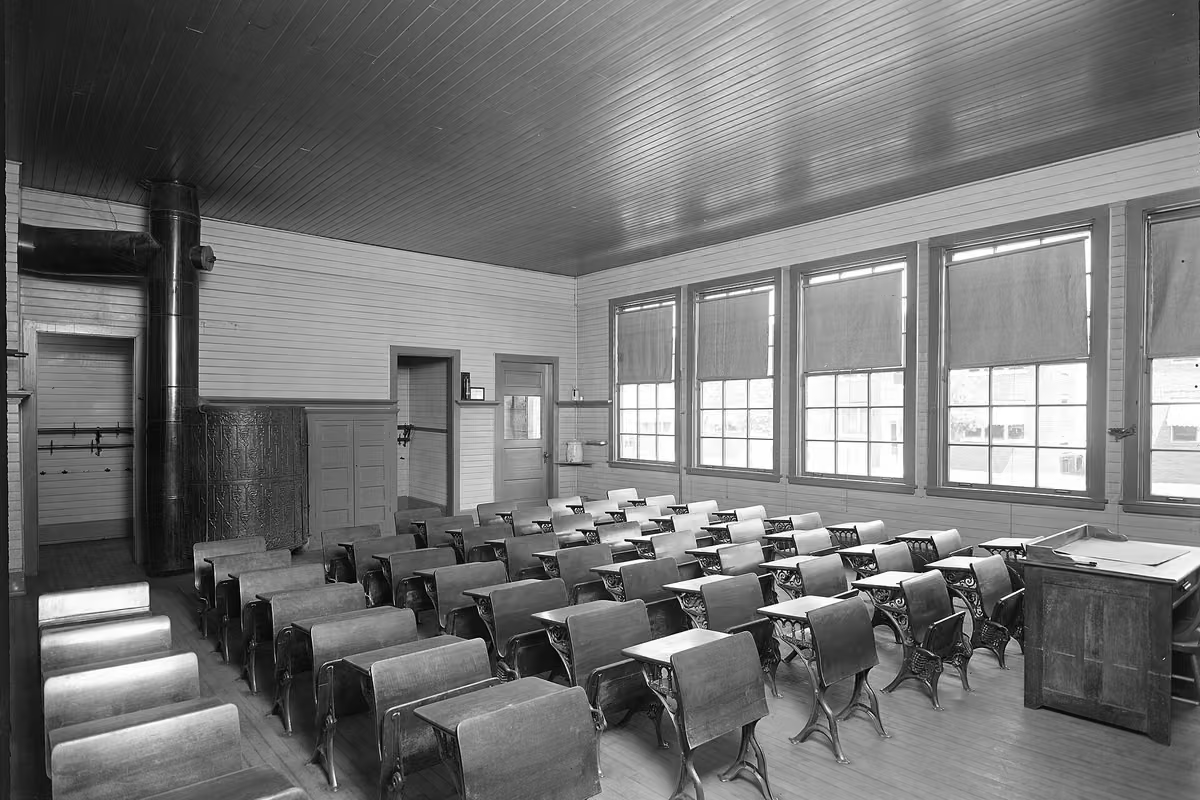
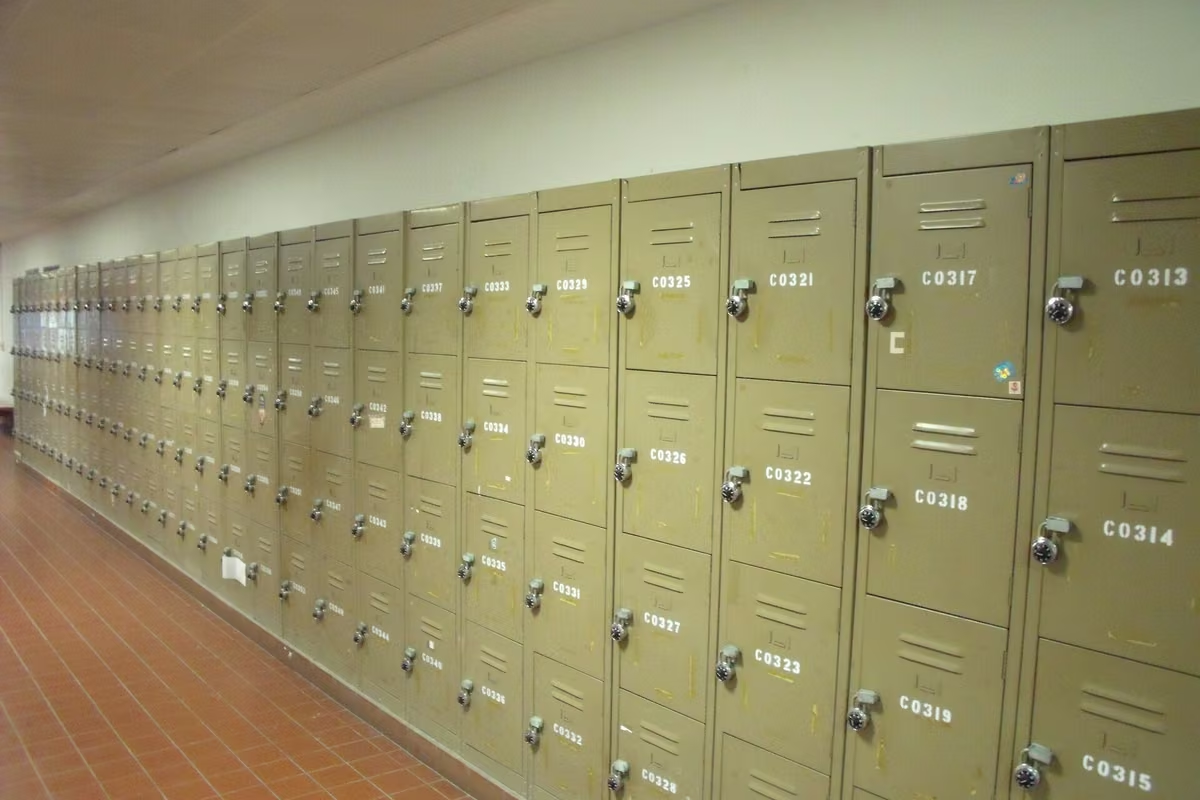
Education furniture manufacturers and distributors list classroom, laboratory, library and dormitory furniture with sizes, materials, test standards and container quantities. Buyers can compare ranges and send quote requests for a single classroom, a new school or a tender package.
If you manufacture or supply furniture for schools, colleges or universities, open a store on Towobo and present your ranges to education buyers, contractors and dealers who need to furnish learning spaces at scale.
Key information for B2B buyers sourcing school furniture from global manufacturers.
Factory-direct orders typically start at 100–500 units. Wholesalers often accept 10–50 unit MOQs. Always confirm MOQ and price breaks in writing before placing a bulk order.
Request certificates relevant to your market: CE (EU), ISO 9001 (quality), RoHS (electronics), and UN38.3 (battery transport). Verify originals before payment.
Sample orders typically ship in 3–7 days. Production runs take 15–45 days depending on volume. Confirm Incoterms (FOB, CIF, EXW) and freight charges before signing.
Request physical samples before committing to bulk. Use Towobo's Payment Protection on all transactions. Compare at least 3 suppliers on price, lead time, and certifications.