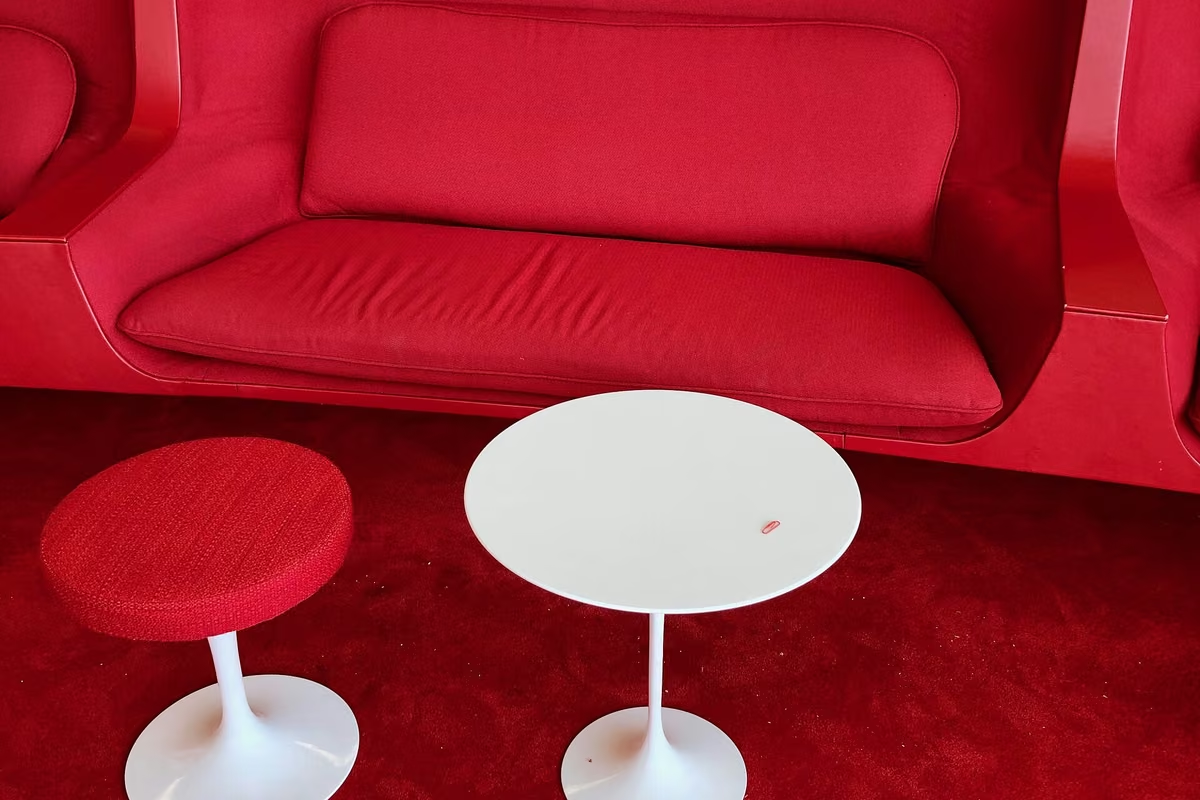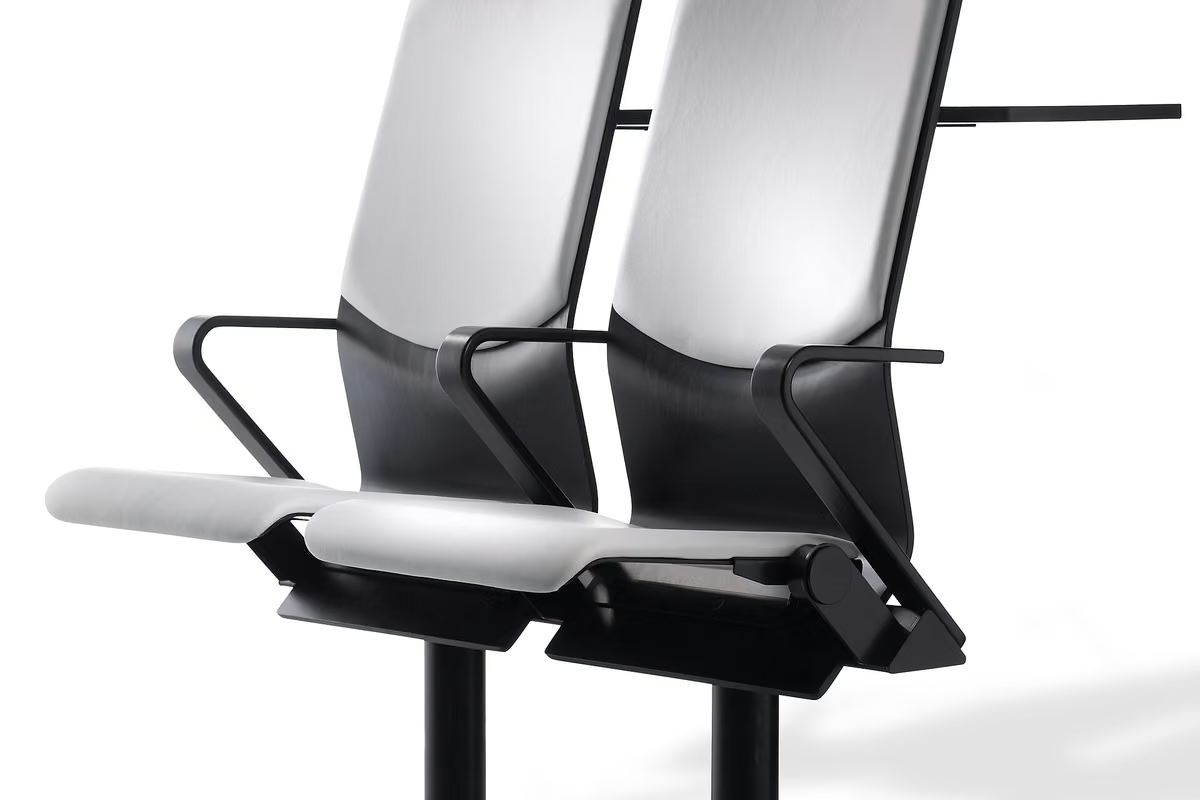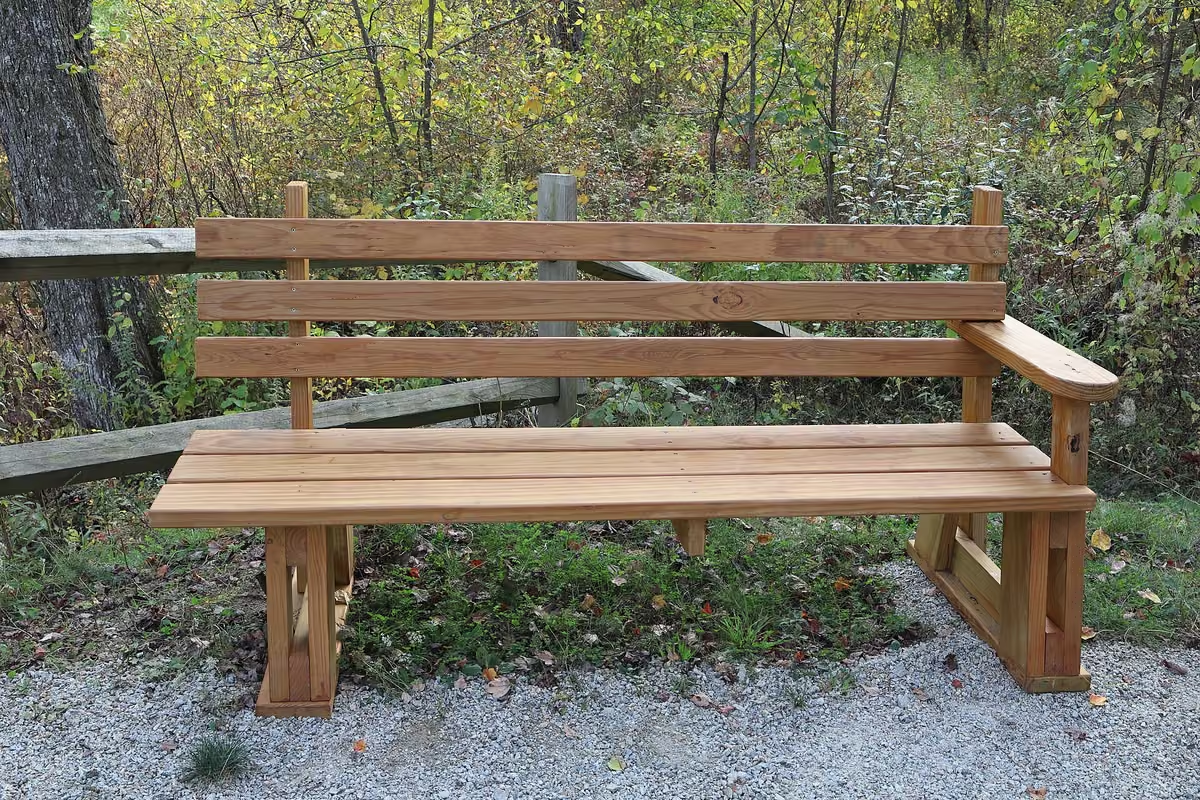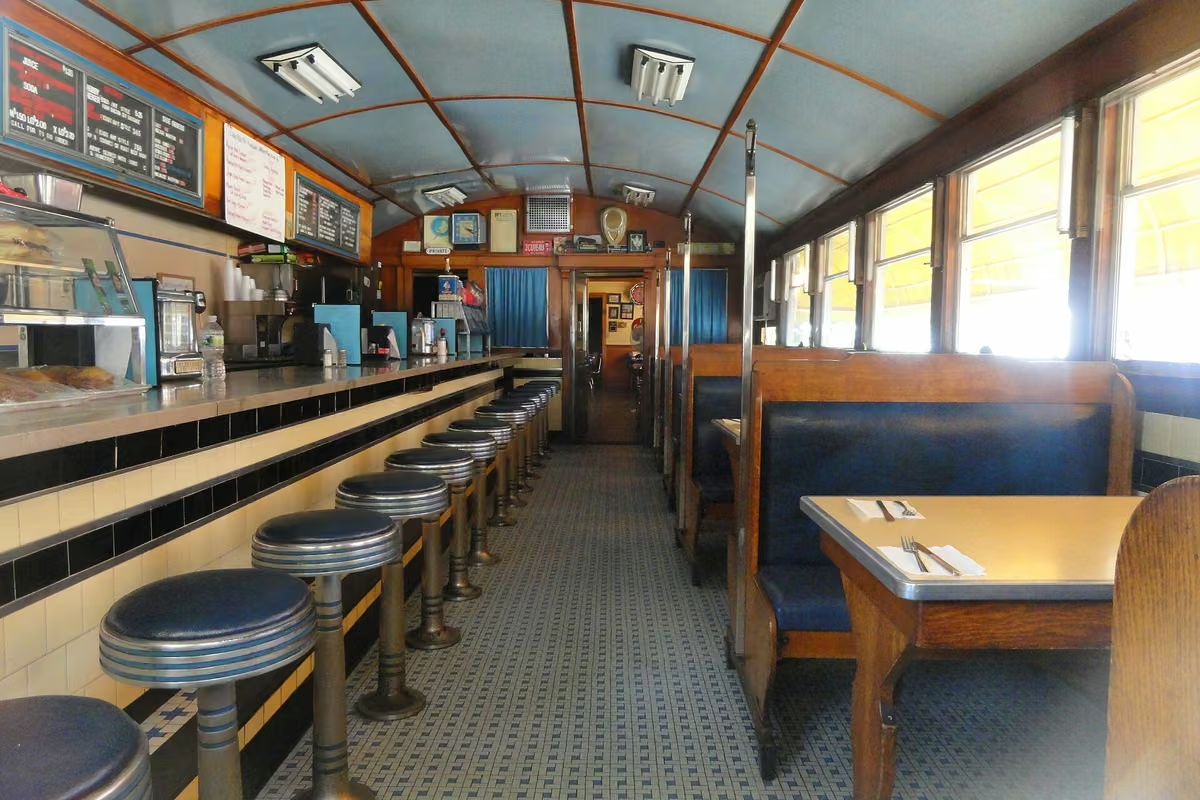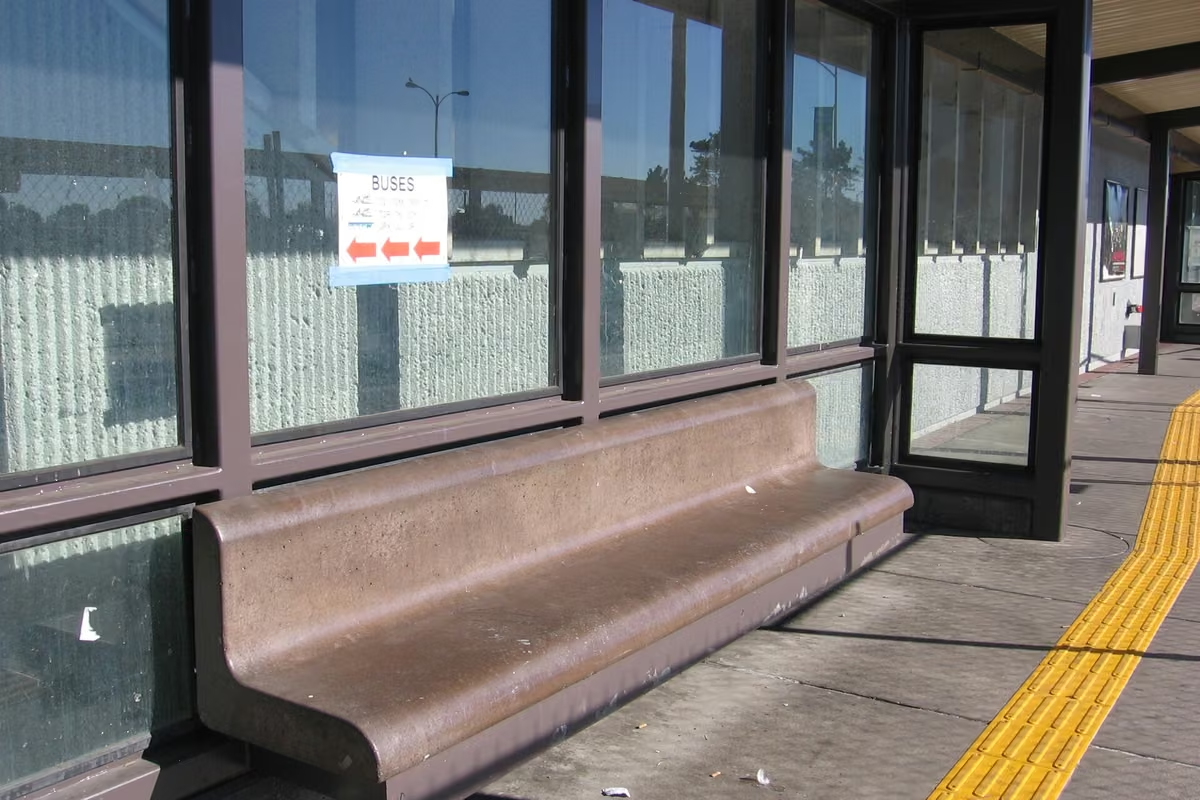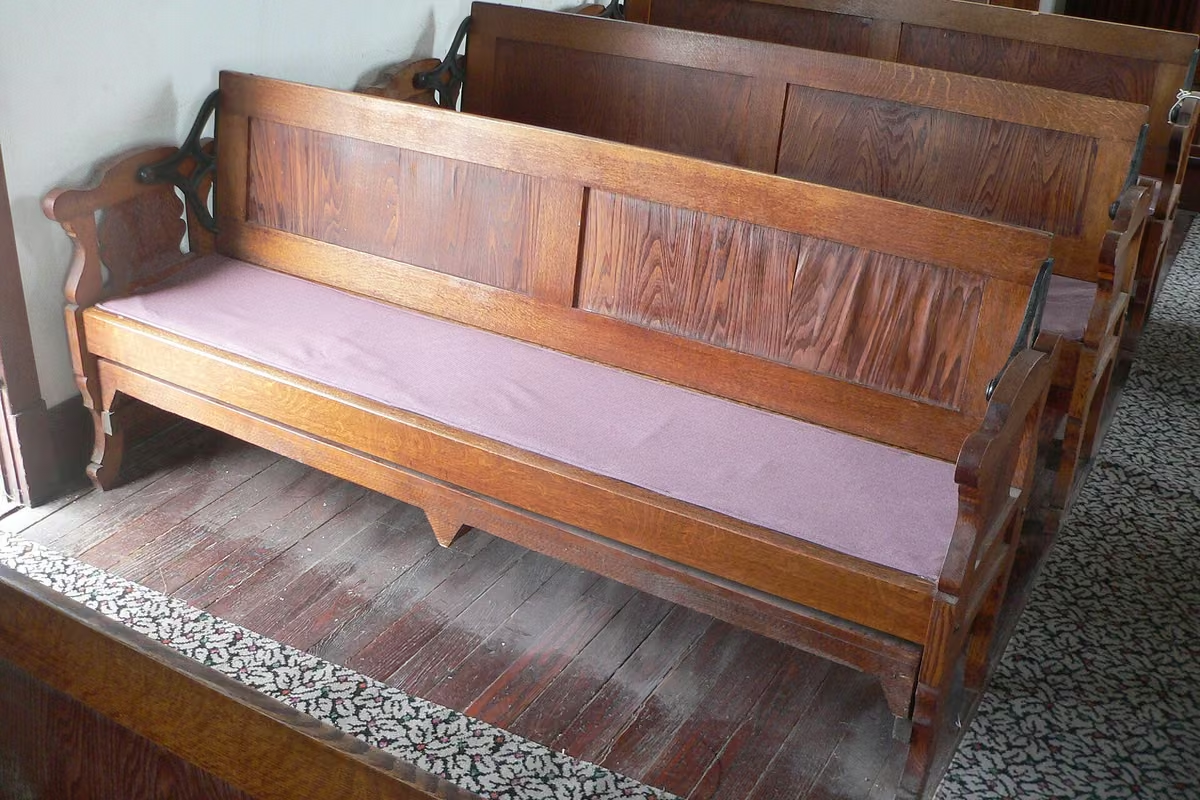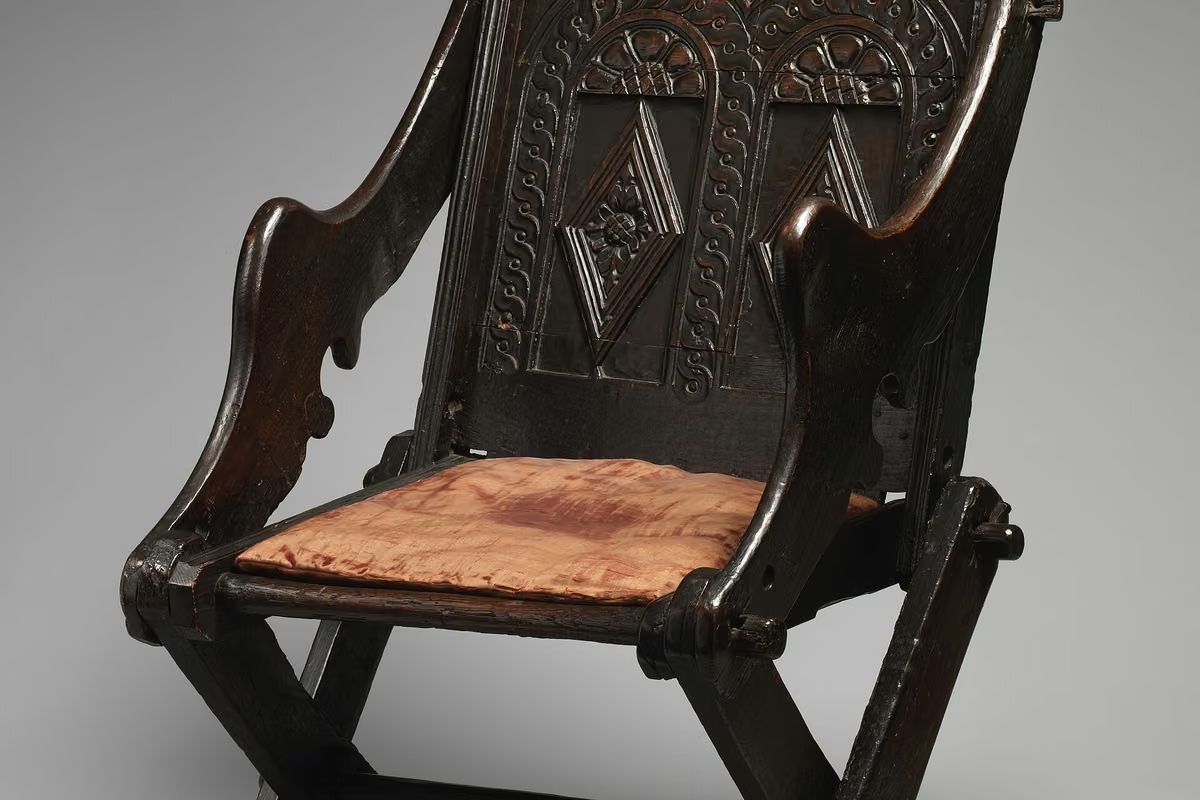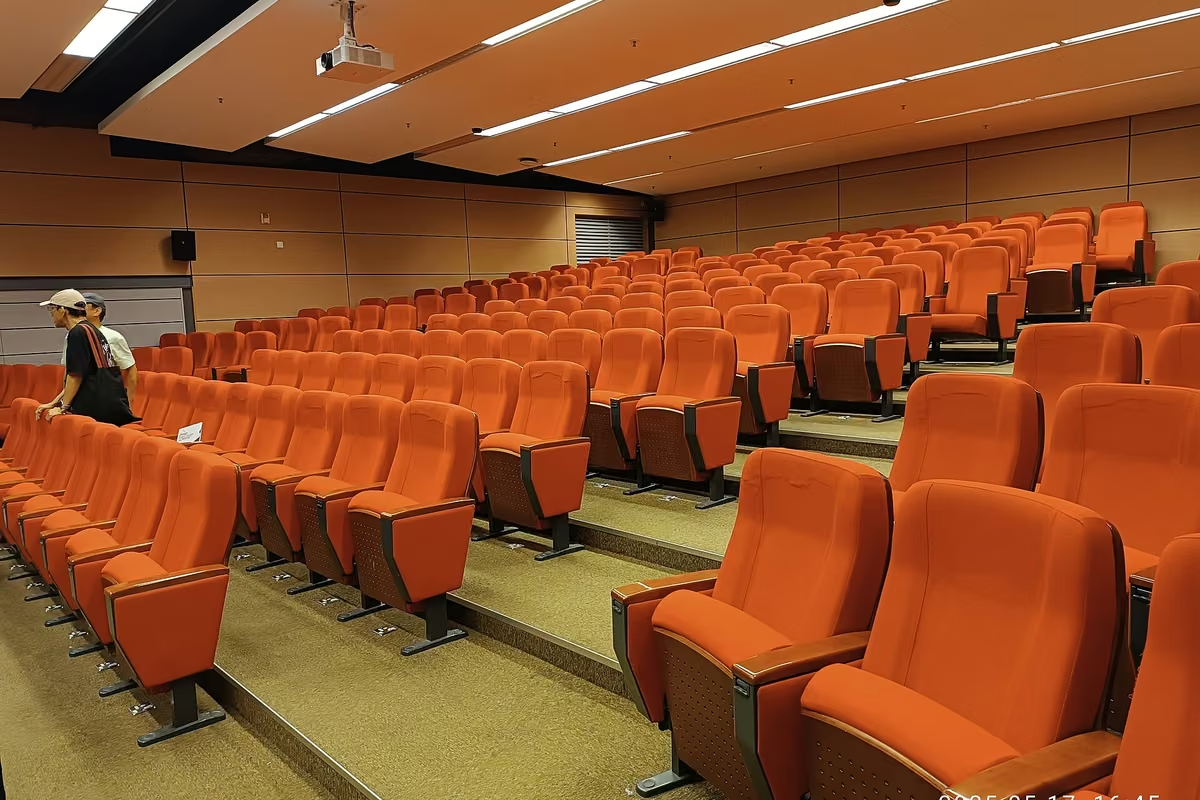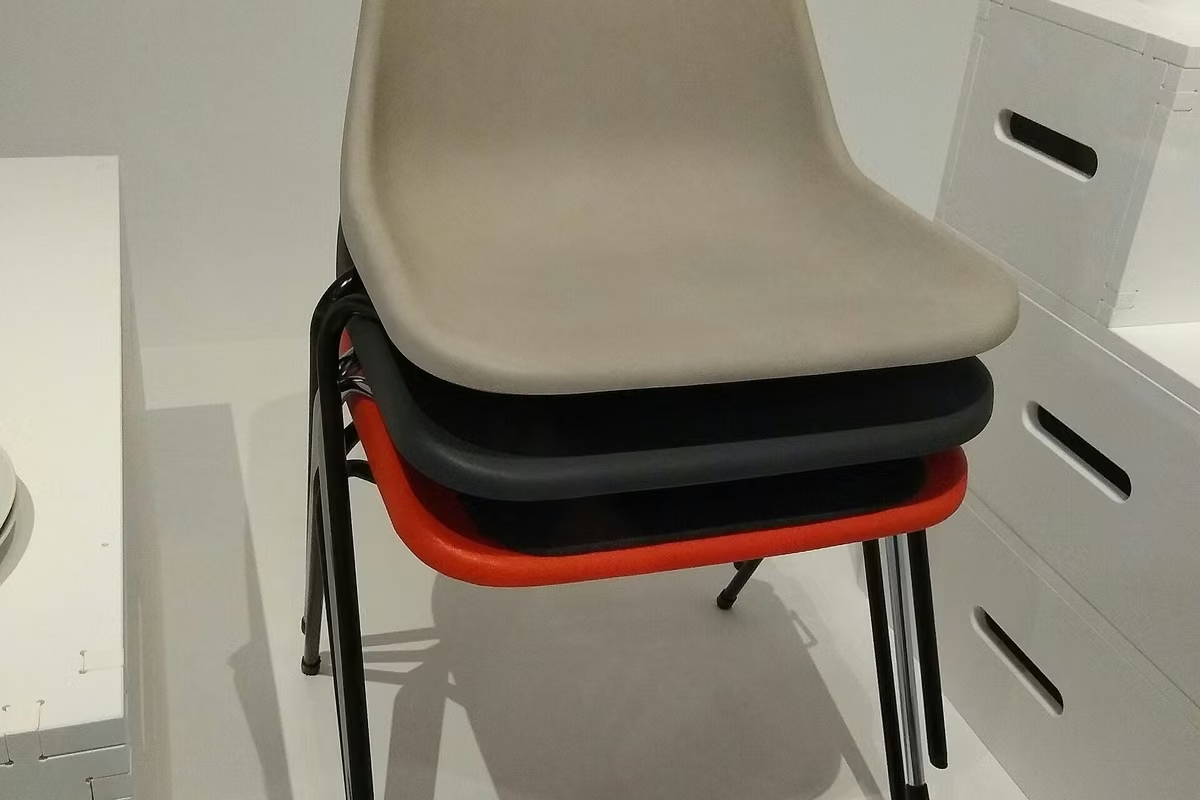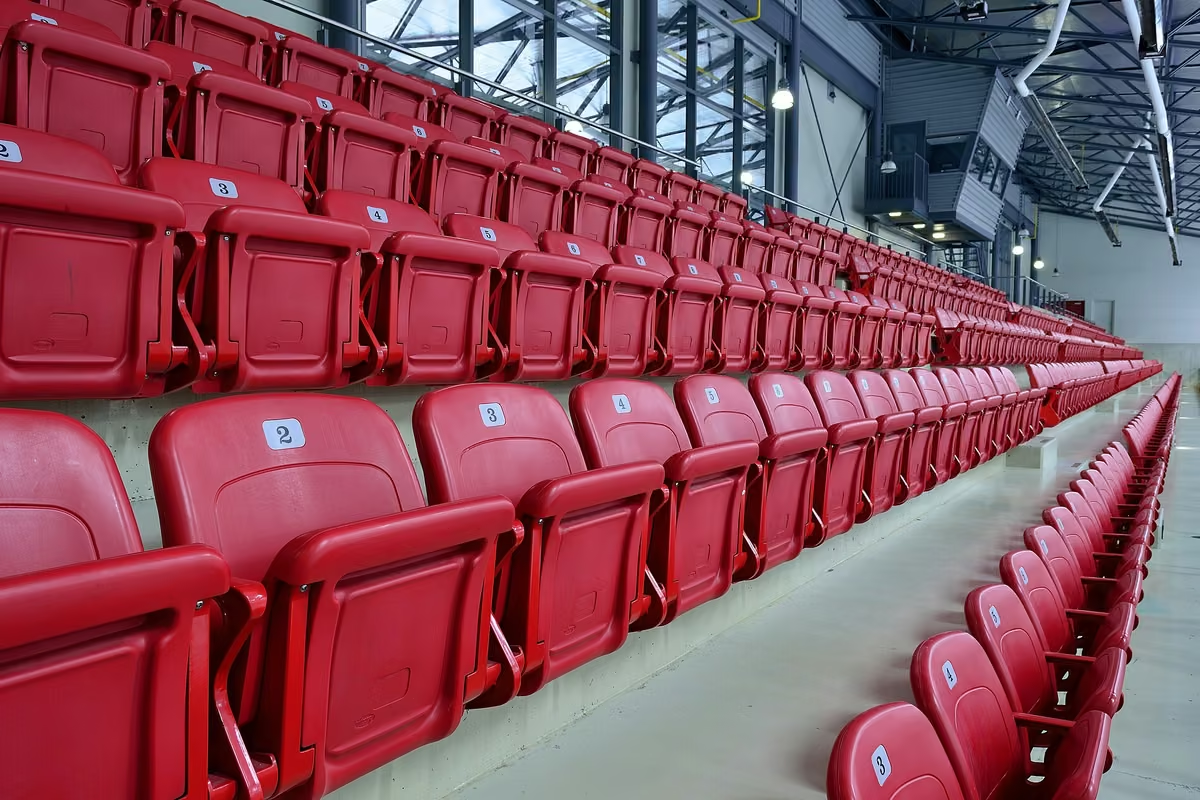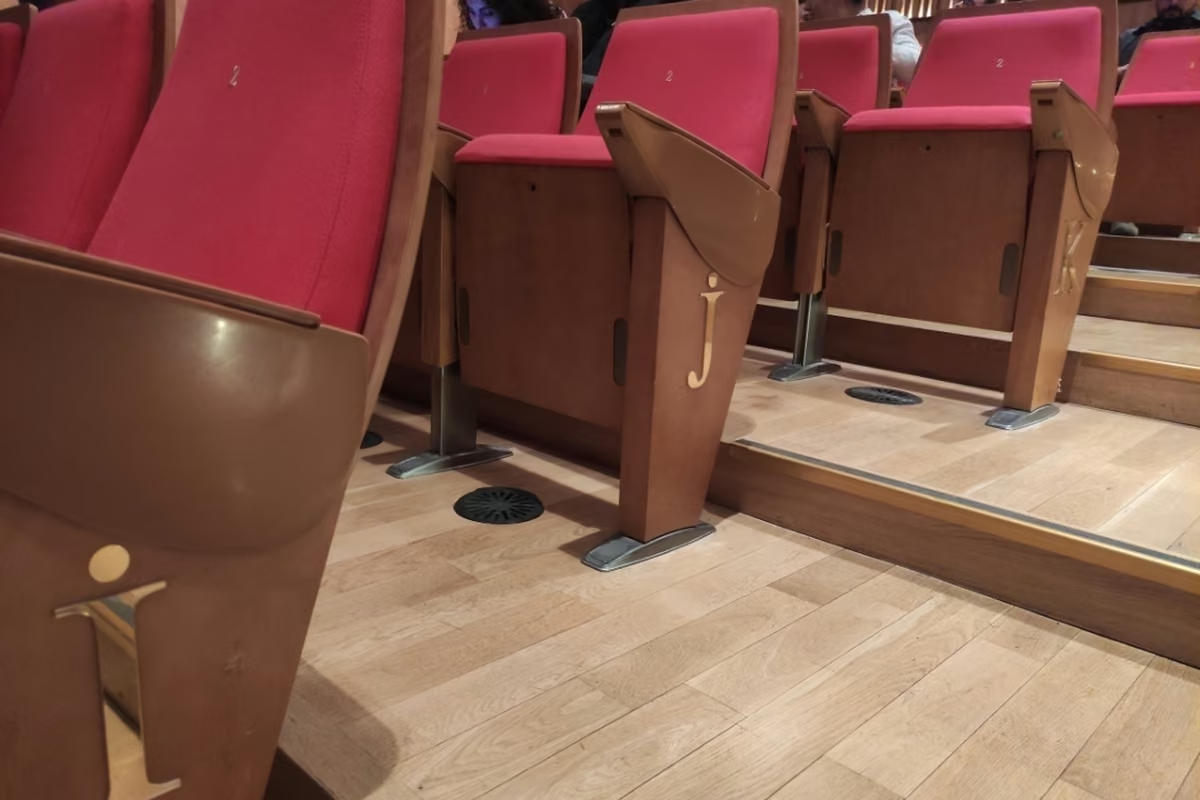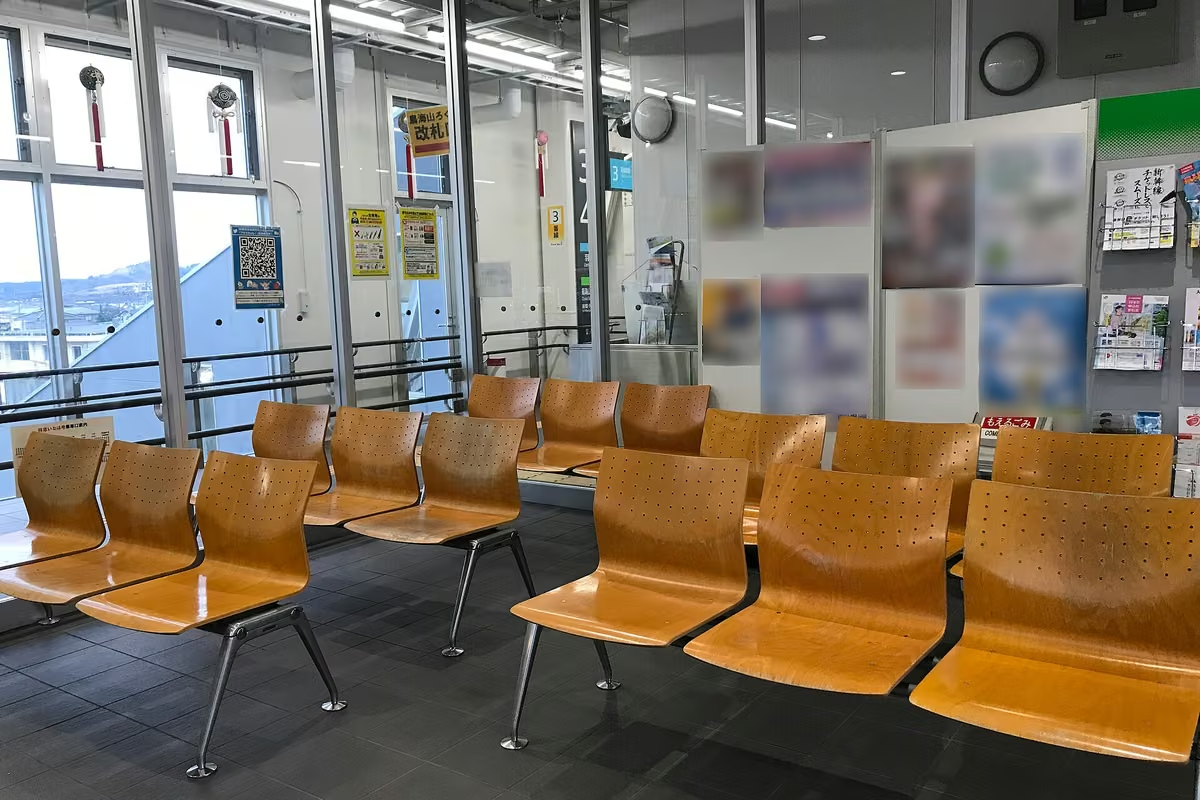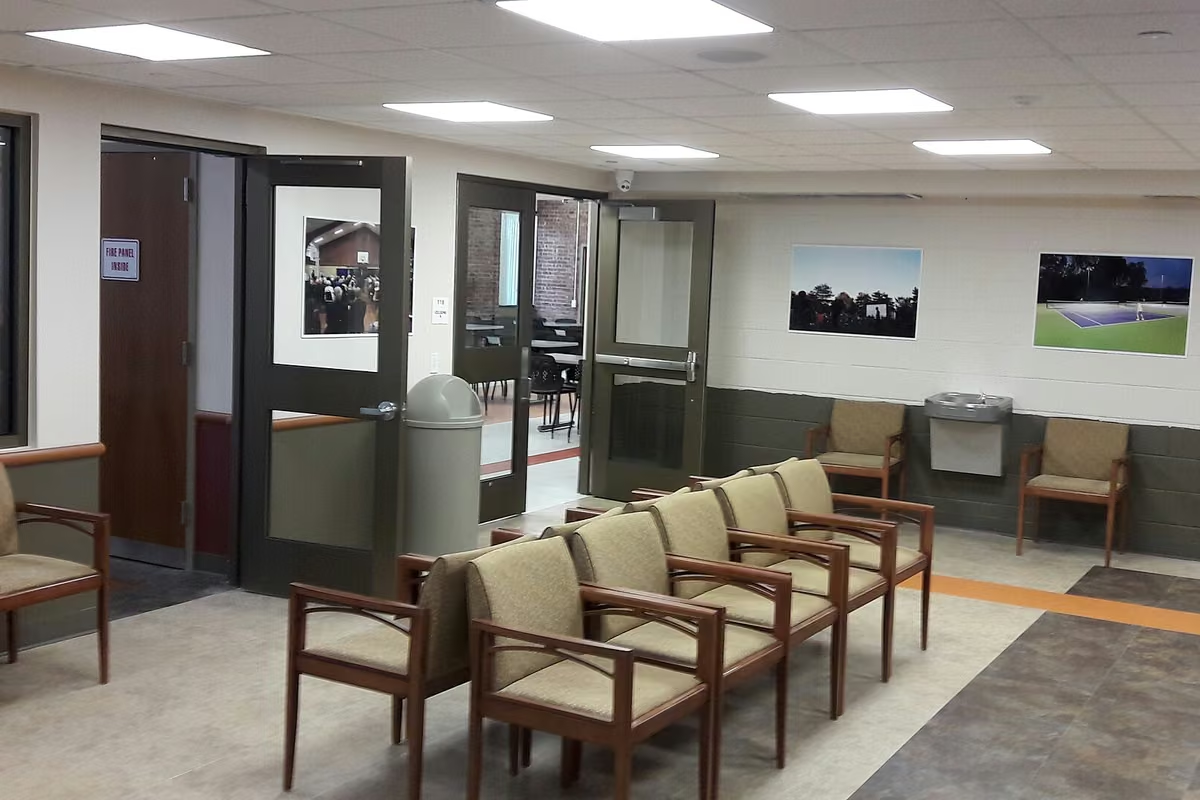
This category covers seating built for crowds: venues, transport hubs, places of worship, clinics and streets. The buyers are rarely individuals. Architects, fit-out contractors, venue operators, local authorities and transport operators specify it for projects, often through a tender, with layouts drawn for each building.
Buyers balance comfort, durability, cleaning, fire performance and floor fixing method. Seat pitch and width decide capacity, so layout drawings come before price. Upholstery must meet fire rules in the destination, accessible spaces must be planned for wheelchair users and companions, and outdoor products need corrosion protection. Check the safety and fire regulations required in your market for each type of venue.
Specialist seating manufacturers handle design, fabrication and often installation; contract furniture firms and street furniture makers cover the simpler lines. Orders are typically quoted per seat or per project, ex-works or delivered, with lead times set by fabric and finish choices.
Ask suppliers for reference projects of similar size, fire test reports for the fabric and foam combination offered, and durability test results on the tip-up or fixing mechanism. Confirm whether layout design and installation are included, how the seats fix to your floor, the spare parts policy for replacement seats, backs and armrests, and the production and shipping time from order to site.
Seating factories and contract furniture suppliers list auditorium, stadium, transport, waiting and worship seating on Towobo with materials, dimensions, fixing methods and fire test information. Contractors and venue buyers compare the listings and request quotes per seat or per project.
Producers of venue, transport or street seating can open a Towobo store and present their ranges and project capabilities to fit-out contractors, architects and public-sector buyers preparing tenders.
Key information for B2B buyers sourcing commercial & public seating from global manufacturers.
Factory-direct orders typically start at 100–500 units. Wholesalers often accept 10–50 unit MOQs. Always confirm MOQ and price breaks in writing before placing a bulk order.
Request certificates relevant to your market: CE (EU), ISO 9001 (quality), RoHS (electronics), and UN38.3 (battery transport). Verify originals before payment.
Sample orders typically ship in 3–7 days. Production runs take 15–45 days depending on volume. Confirm Incoterms (FOB, CIF, EXW) and freight charges before signing.
Request physical samples before committing to bulk. Use Towobo's Payment Protection on all transactions. Compare at least 3 suppliers on price, lead time, and certifications.