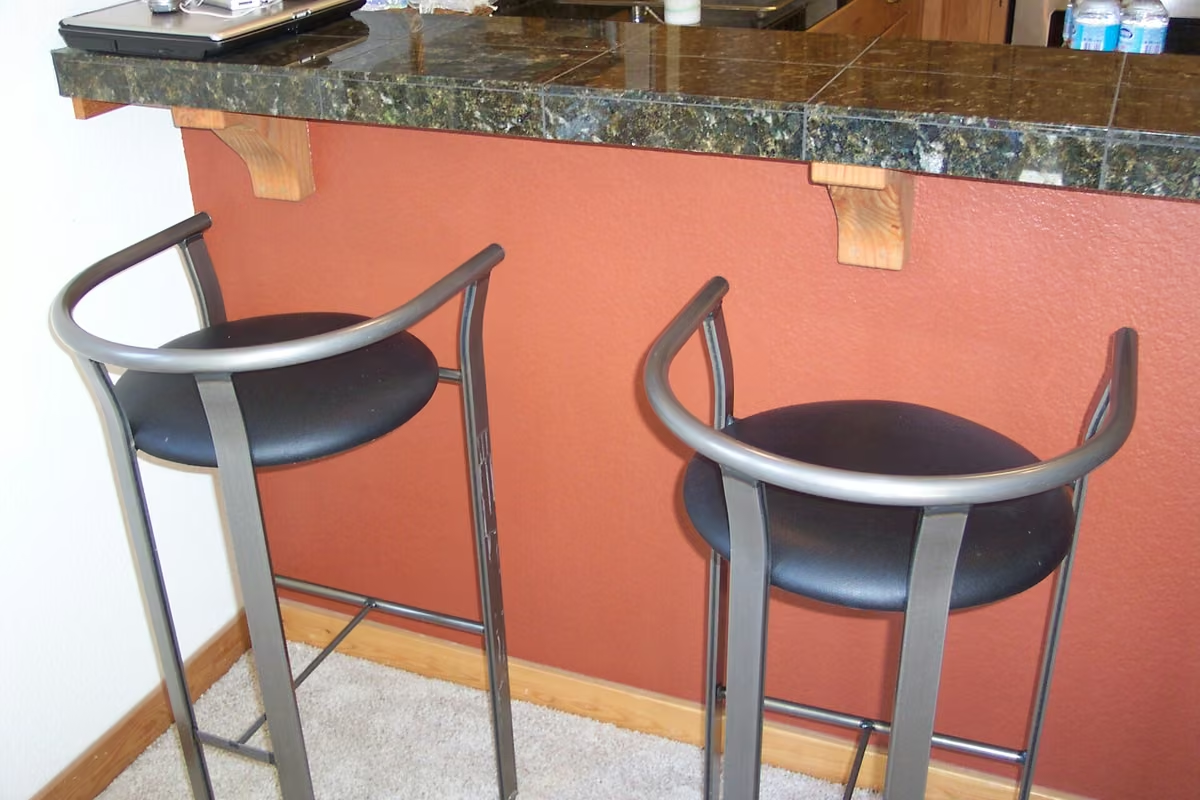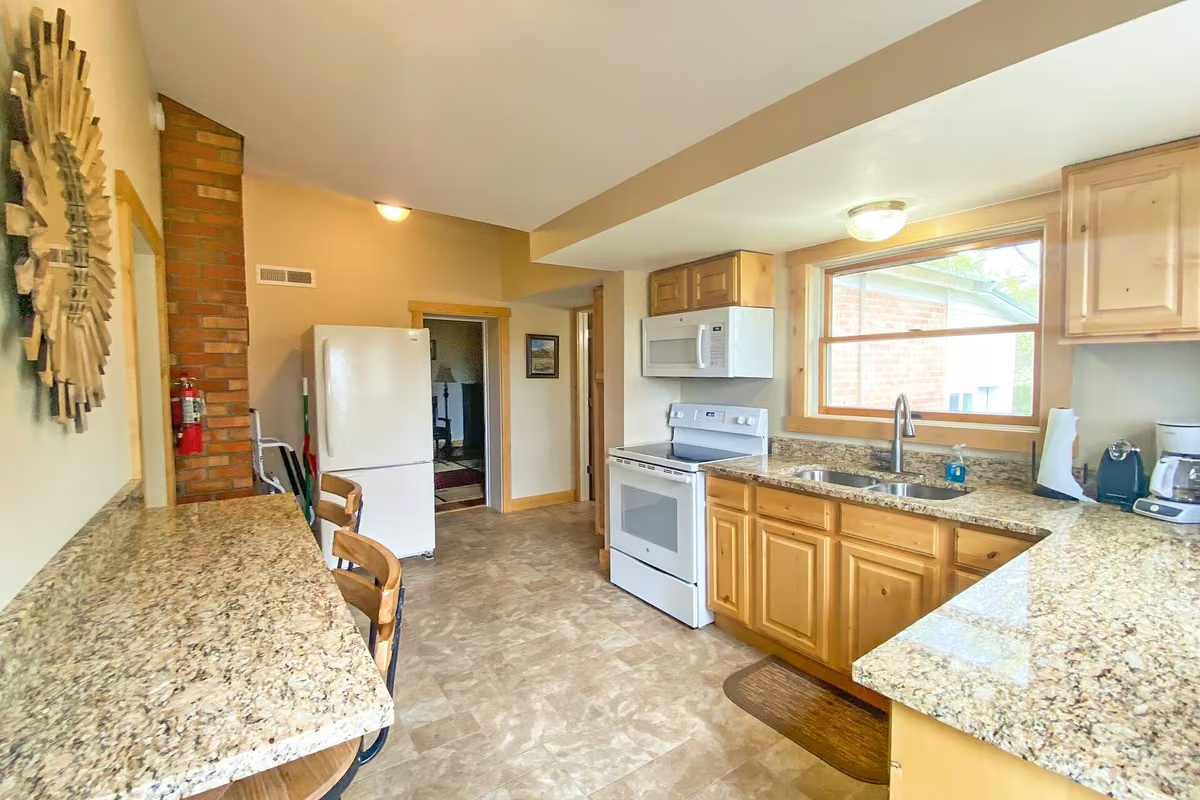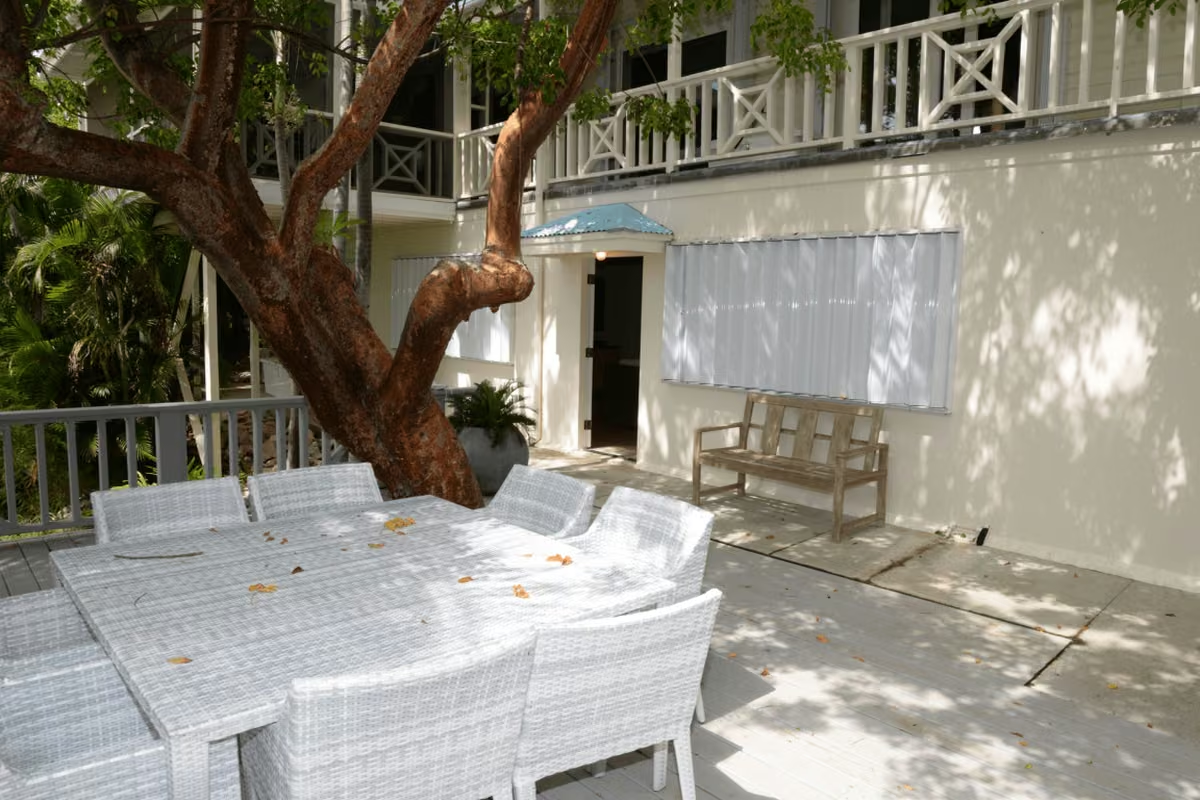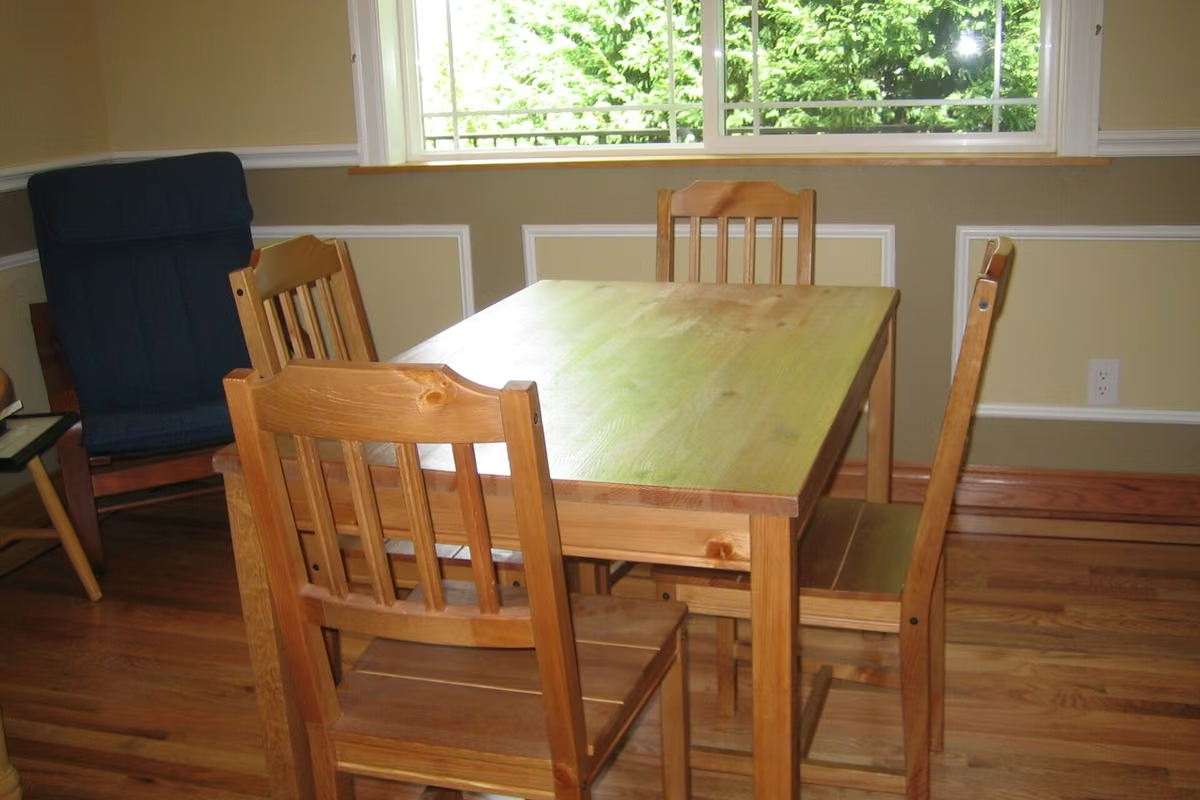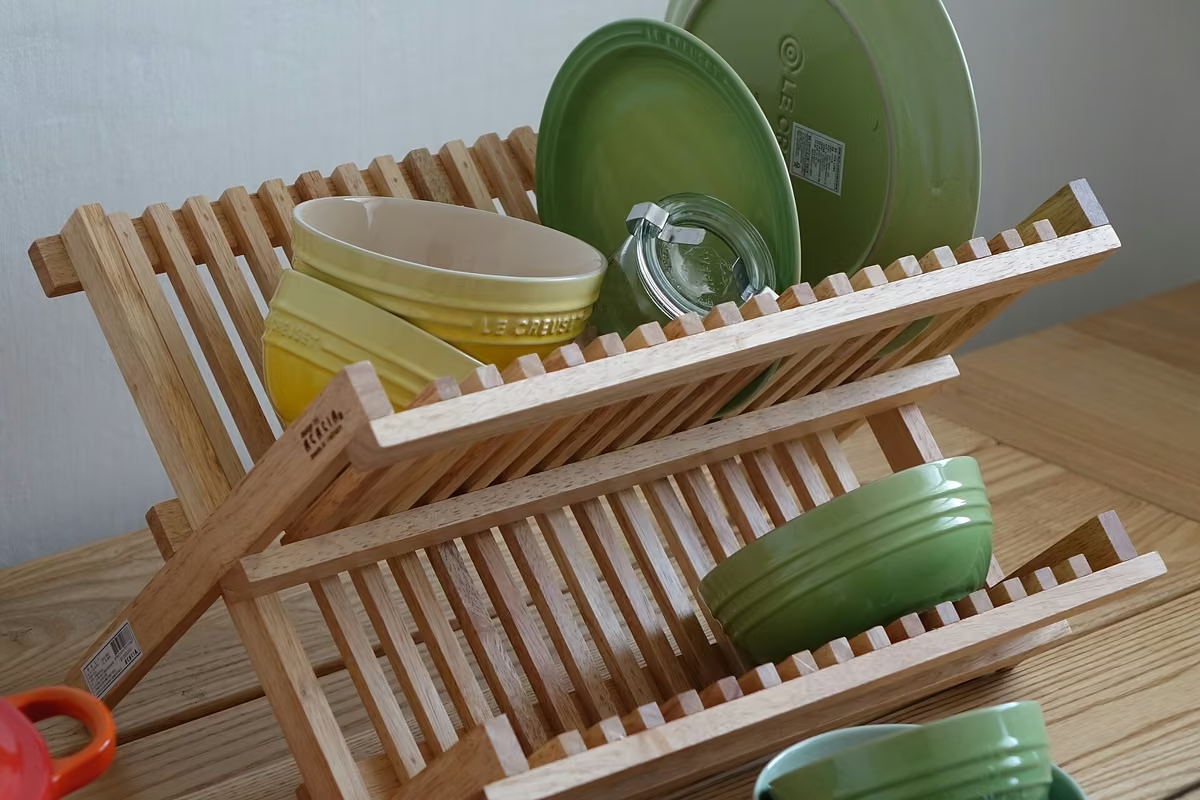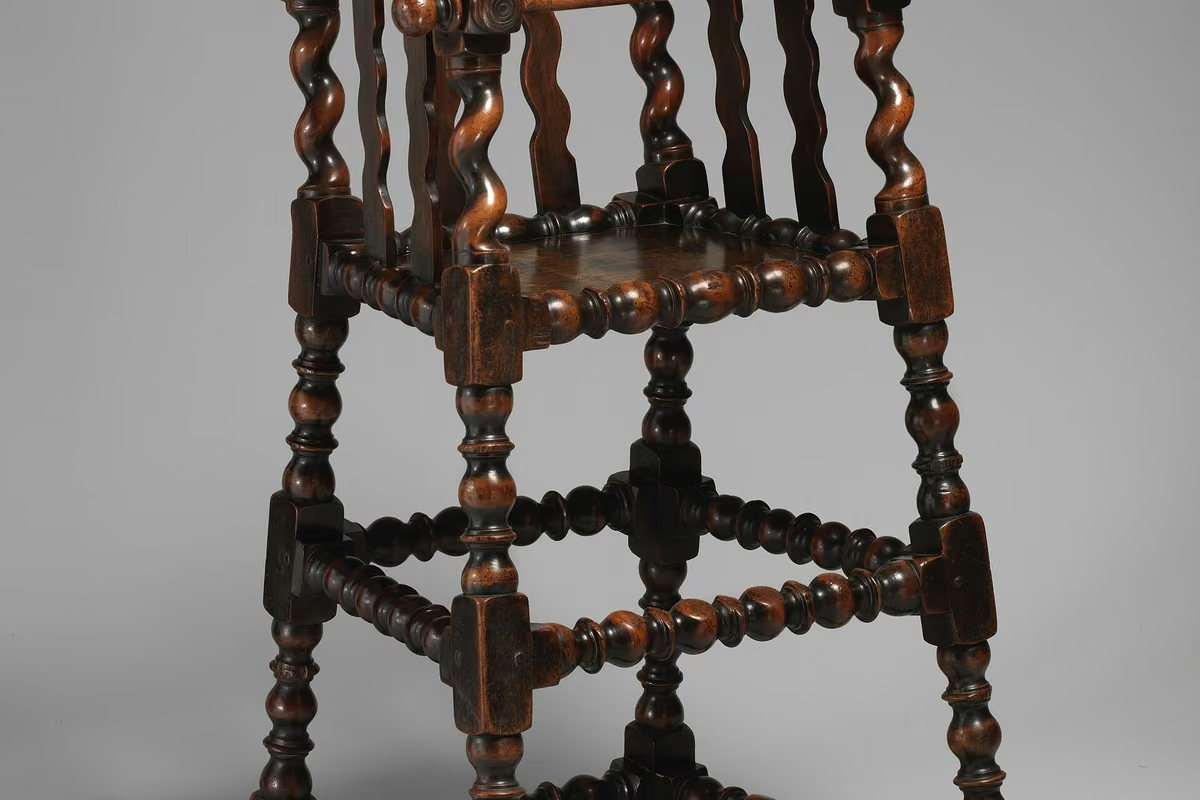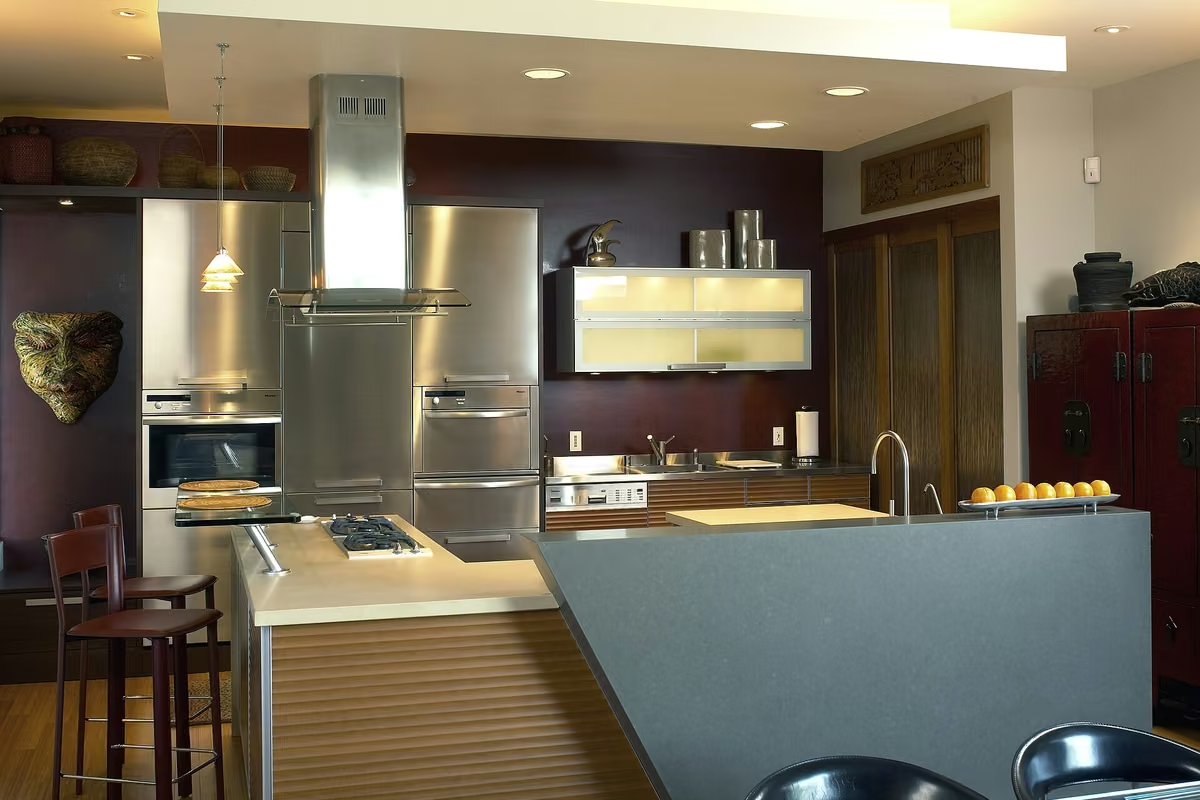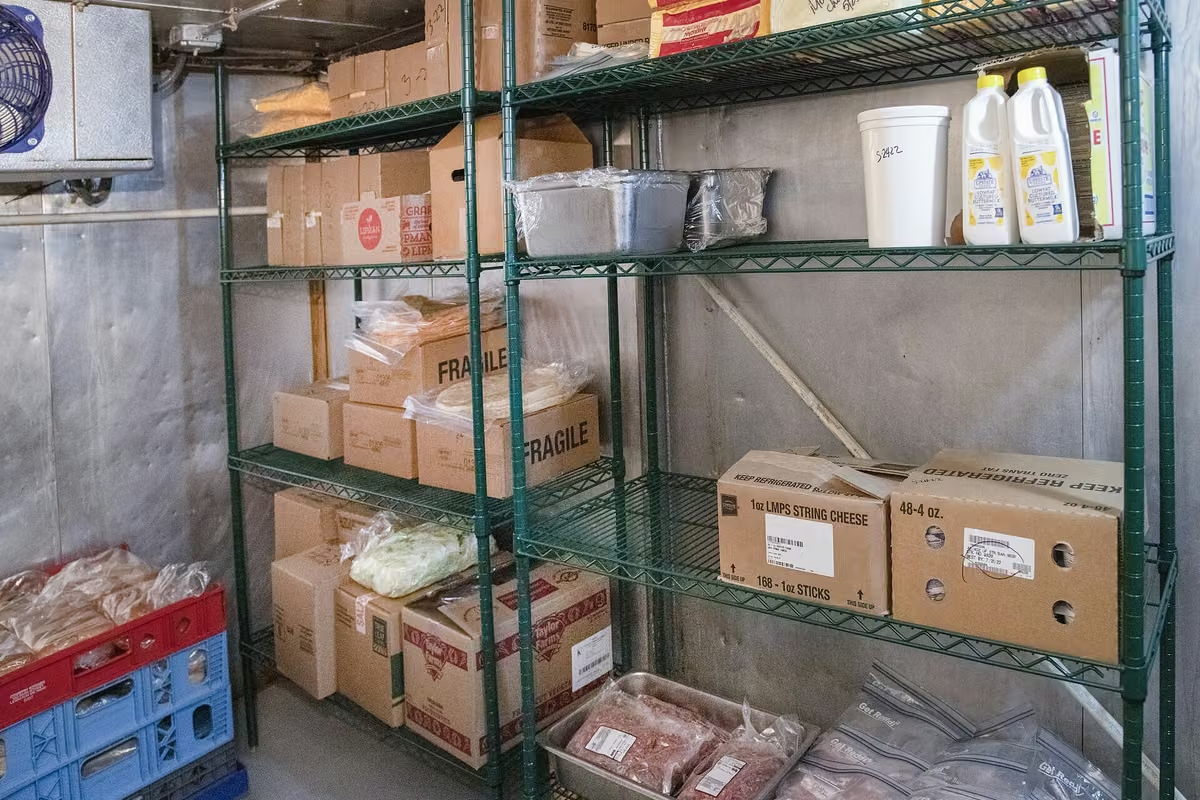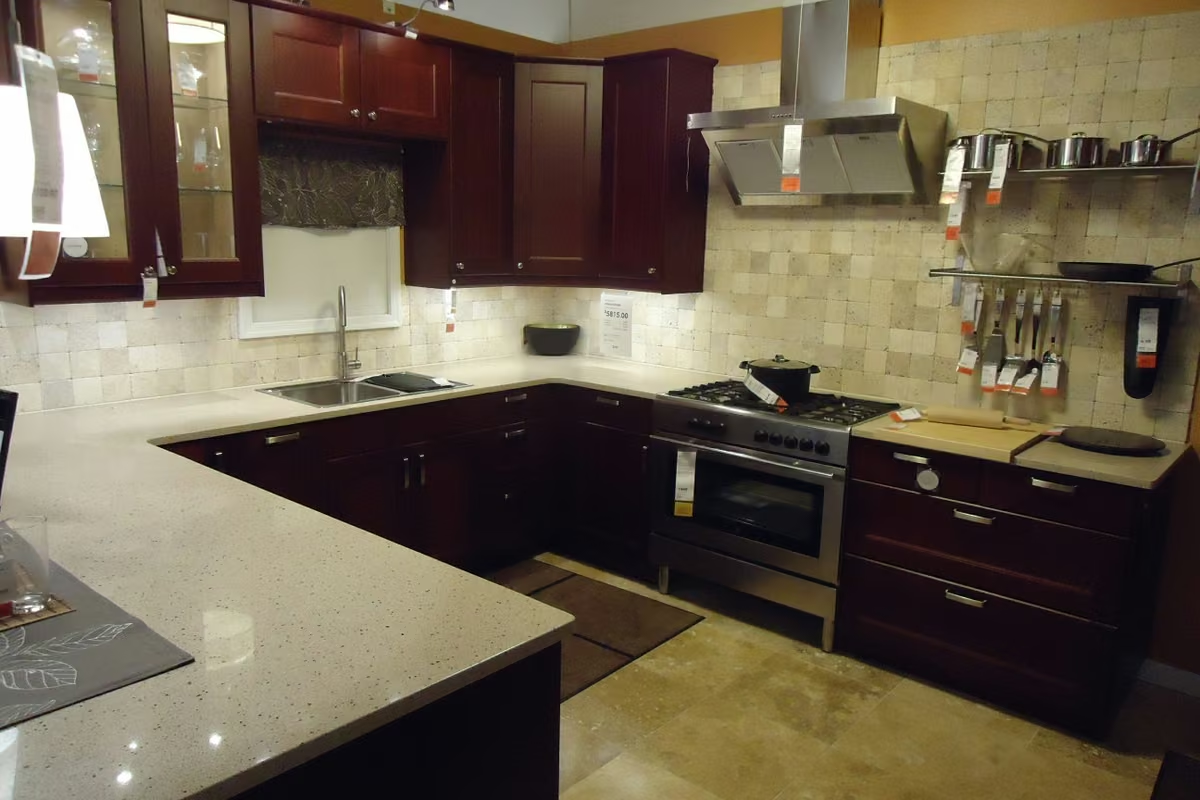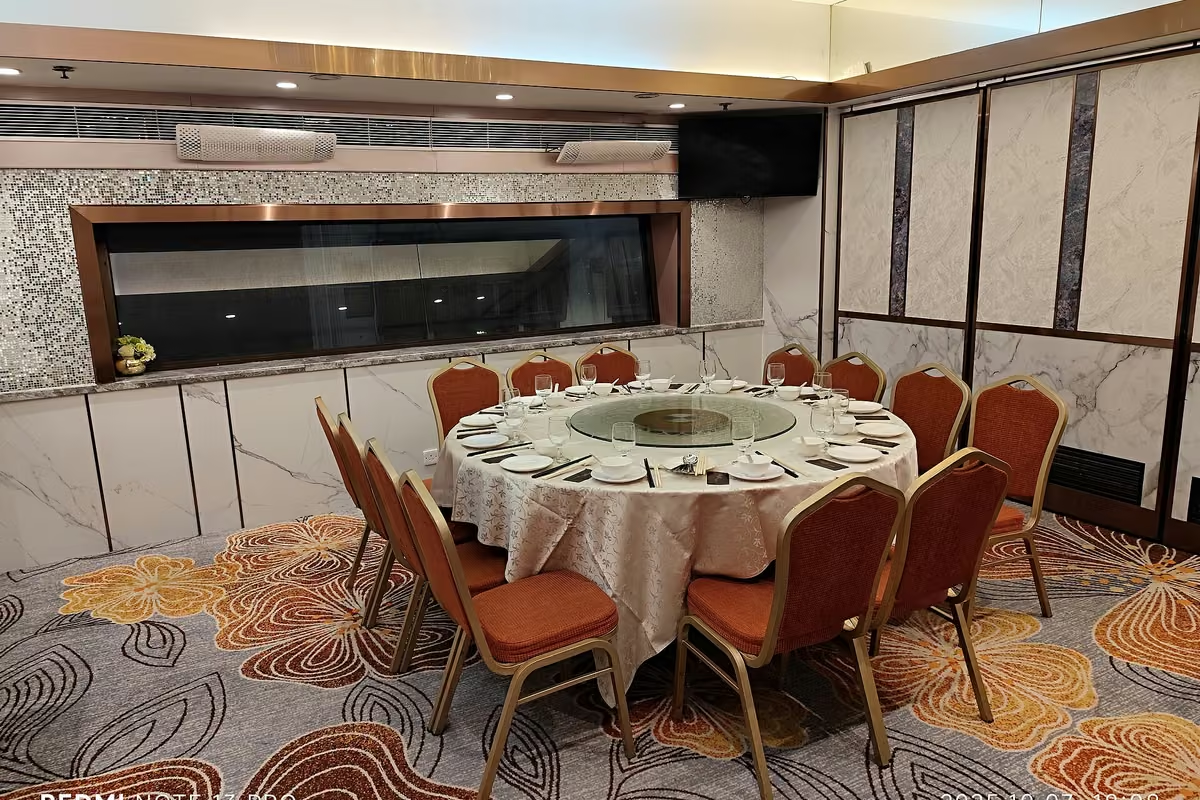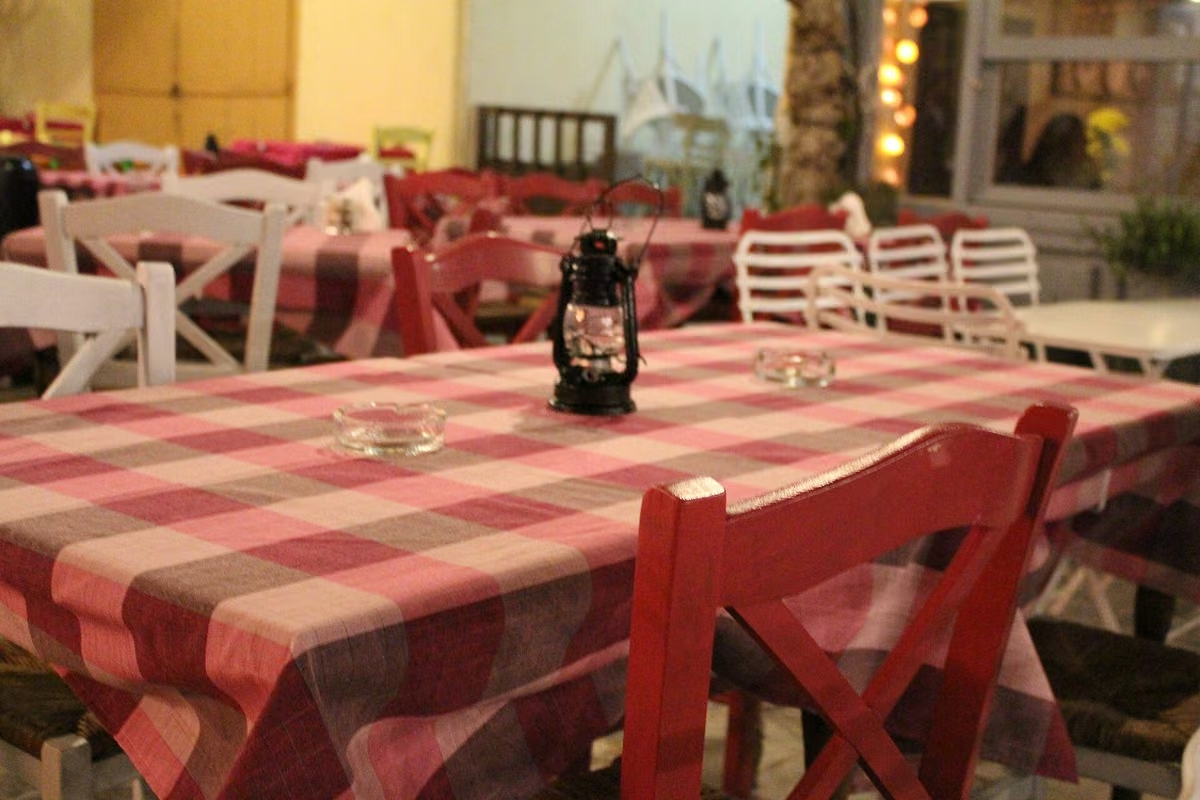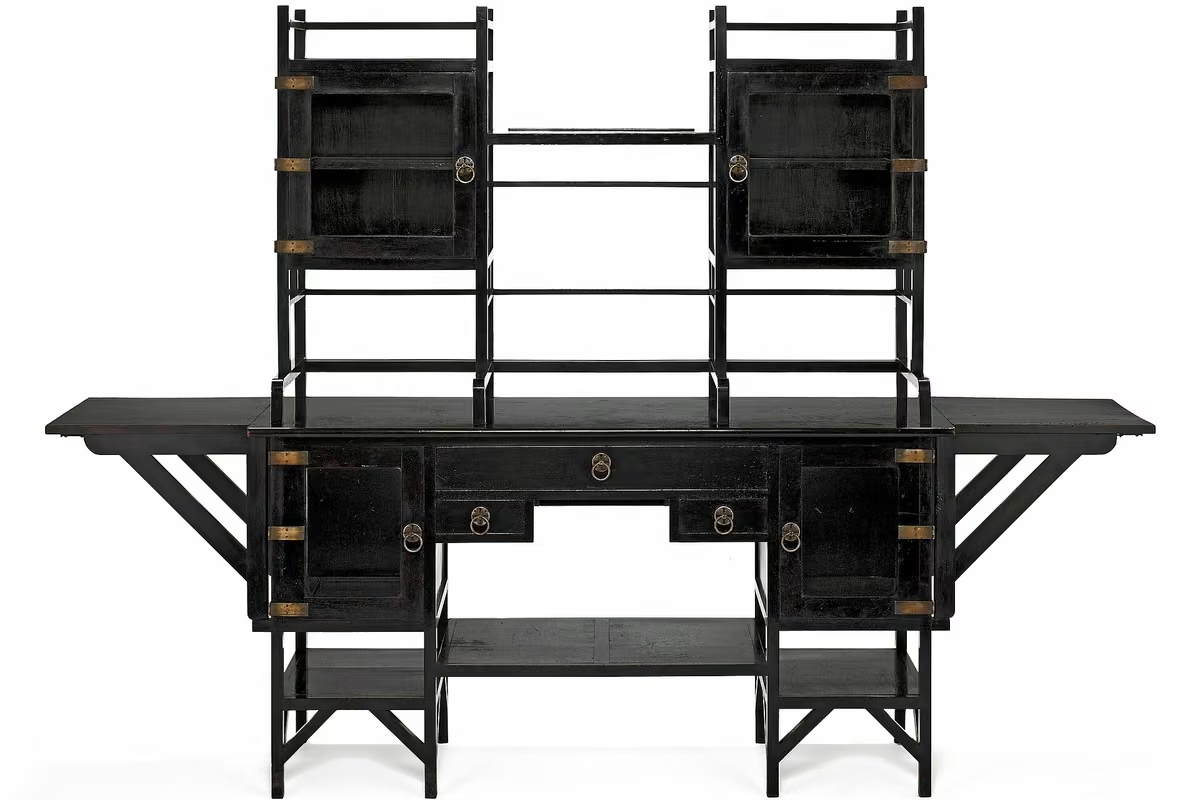
This category spans the fitted and freestanding pieces that furnish a kitchen and the room where meals are eaten. It brings together joinery-style products such as cabinets and pantry units with loose furniture such as tables and chairs, so buyers range from kitchen fitters and property developers to furniture retailers and restaurant groups.
Fitted products are judged on carcass board grade, hinge and runner hardware, edge banding and how accurately parts are machined, because errors show up at installation. Loose furniture is judged on joint strength, stability, finish durability and how compactly it packs. Contract buyers for cafés and hotels look for heavier frames and tested seating, while retailers weigh flat-pack volume against assembly time for the end customer.
Panel furniture plants produce cabinets and pantry units at volume, solid wood workshops make tables and chairs, and metal fabricators turn out carts, racks and folding frames. Many exporters combine these into mixed container loads so an importer can stock a complete room setting from one source.
When comparing kitchen and dining furniture suppliers, ask which board grades and formaldehyde emission class they use for panels, which hinge and runner hardware is fitted, and whether seating has been tested to a recognized strength standard. Request finish samples, carton drawings and loading plans, and check whether the factory can combine several product types in one container.
Panel furniture factories, solid wood workshops and wholesalers list cabinets, tables, chairs, islands and storage pieces with their materials, finishes, dimensions and order minimums. Buyers compare these listings across product types and request quotes for single lines or complete room collections.
If your business builds furniture for kitchens, dining rooms or restaurants, open a store on Towobo and present your catalog to importers, fitters and contract buyers who are actively looking for new sources.
Key information for B2B buyers sourcing kitchen & dining furniture from global manufacturers.
Factory-direct orders typically start at 100–500 units. Wholesalers often accept 10–50 unit MOQs. Always confirm MOQ and price breaks in writing before placing a bulk order.
Request certificates relevant to your market: CE (EU), ISO 9001 (quality), RoHS (electronics), and UN38.3 (battery transport). Verify originals before payment.
Sample orders typically ship in 3–7 days. Production runs take 15–45 days depending on volume. Confirm Incoterms (FOB, CIF, EXW) and freight charges before signing.
Request physical samples before committing to bulk. Use Towobo's Payment Protection on all transactions. Compare at least 3 suppliers on price, lead time, and certifications.