
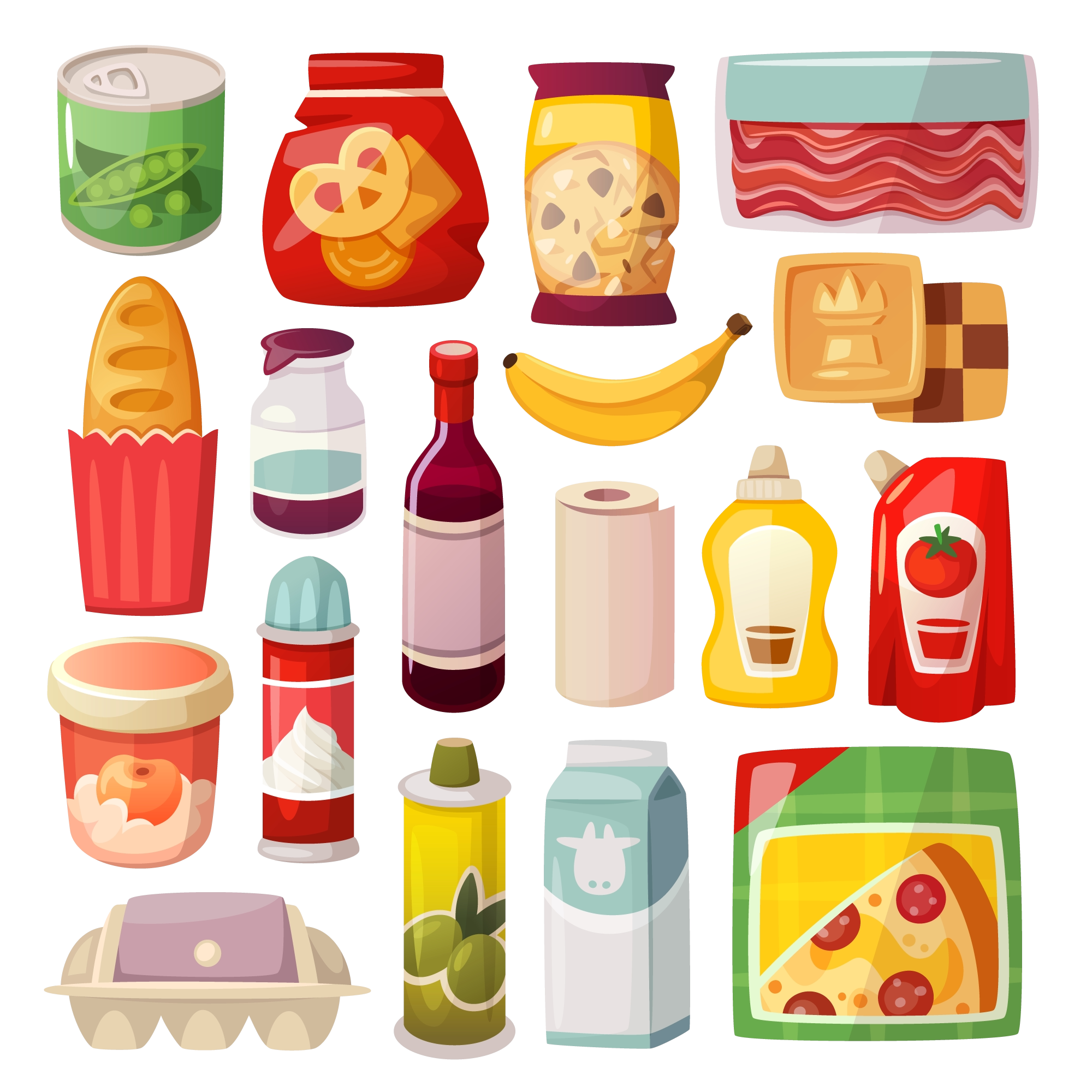
The Food Products department gathers packaged, bulk and ingredient-grade foods for importers, distributors, supermarket chains, caterers and food manufacturers. It runs from staple commodities such as rice, flour, sugar and cooking oil through to finished retail lines, frozen goods and regional specialities.
Cooking oils, rice, flour and pasta, sugar, honey and sweeteners and margarine, fats and shortening move in the largest volumes, usually in 25 kg or 50 kg sacks, drums, flexitanks or pallet loads of retail packs. Buyers weigh grade, moisture, origin and pack size alongside price.
Meat and poultry, fish and seafood, and dairy and eggs need cold-chain handling and veterinary or health certificates from the exporting country. Food ingredients and additives, together with spices, herbs and seasonings, serve manufacturers who buy against a specification sheet rather than a retail brand.
African foods and Asian and Middle Eastern foods supply diaspora retailers and ethnic grocery wholesalers, while health and specialty foods cover organic, gluten-free and free-from lines. The food service and catering category serves hotels, restaurants and contract caterers buying in catering-size packs.
Certificates seen across the department include HACCP, ISO 22000, FSSC 22000, BRCGS, halal, kosher and organic. Check the import rules, labelling and certification required in your market before you commit to an order.
When comparing food suppliers, ask for the product specification, the shelf life from production date and a recent laboratory analysis. Confirm which food safety certificate the factory holds and that it is in date, how goods are packed and palletised, and whether labels can be printed in your language. For chilled and frozen lines, check how temperature is recorded in transit and who carries the risk until delivery.
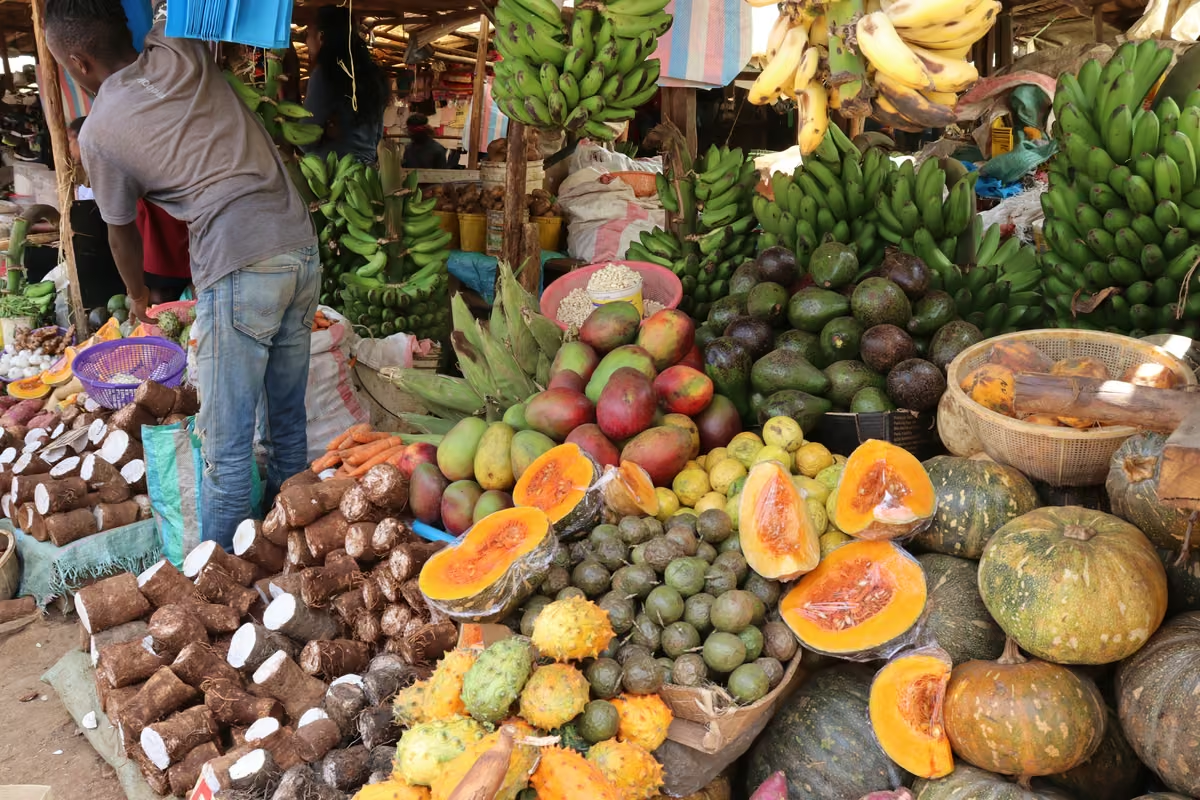
West African Staples, Soup Ingredients and Seasonings for ExportThis category covers the dried, milled and fermented foods that West African kitchens rely on, many of them hard to find outside the region. Demand comes from African grocery shops and wholesalers in the UK, Europe, North America and the Gulf, from restaurants and caterers serving the diaspora, and increasingly from mainstream retailers and food manufacturers.Product typesFufu & Pounded Yam Flour: instant flours from yam, cassava and plantain for swallow foods.Ogbono & Soup Thickeners: wild mango kernels, egusi and other seeds that thicken soups.Dried Crayfish: smoked or sun-dried small prawns, whole or ground, for flavour.Suya Spice Blends: peanut and chilli yaji for grilled meat.Iru & Locust Beans: fermented locust beans used as a savoury condiment.Dried Okra: sliced or ground okra for draw soups.Tigernuts & Tigernut Flour: tubers for snacking, drinks and gluten-free baking.Moi Moi & Akara Mixes: peeled bean flours for steamed and fried bean dishes.Dried Leafy Vegetables: bitter leaf, ugu, scent leaf and others.Kuli Kuli & Groundnut Snacks: pressed peanut cakes and roasted nuts.Jollof & Stew Seasonings: blends and bases for rice and tomato stews.What importers checkMany of these products are traditionally made by small processors, so buyers look closely at hygiene, moisture, aflatoxin levels in seeds and nuts, and residues. Animal-origin items such as crayfish face stricter import controls than plant products. Labels need ingredient lists and allergens in the language of the destination market.Who suppliesNigeria and Ghana are the main origins, with Cameroon, Senegal, Burkina Faso and others supplying specific items. Supply runs through exporters who aggregate from farmers and processors, through packers in Europe and the UK who repack imported bulk, and through brand owners selling under their own labels.

Specialty Ingredients and Sweets from Two Culinary RegionsThis category brings together foods rooted in East and Southeast Asian and Middle Eastern cooking that are now traded worldwide. Buyers include ethnic grocery importers, mainstream supermarkets building world food aisles, restaurants, caterers and food manufacturers using these items as ingredients.Asian Product TypesMiso and Fermented Pastes: soybean, rice and chilli pastes such as miso, doenjang and gochujang.Tofu and Tempeh: soy protein foods in fresh, frozen and long-life formats.Rice Paper and Wrappers: dried sheets for spring and summer rolls.Dumpling Wrappers: wheat dough skins for gyoza, wontons and dumplings.Nori Sheets: roasted laver sheets for sushi and snacks.Bean Vermicelli: glass noodles made from mung bean or other starches.Middle Eastern Product TypesHalva and Tahini Sweets: sesame-based confections.Baklava and Turkish Delight: filo and nut pastries and starch-gel sweets.Hummus and Dips: chickpea, aubergine and yoghurt-based spreads.Rose Water and Floral Waters: distilled waters for desserts and drinks.How Buyers Choose and Who SuppliesShelf-stable lines such as rice paper, vermicelli, nori, halva and floral waters ship easily in dry containers and suit wide distribution. Fresh and chilled items such as tofu, hummus and some wrappers need cold chain or a frozen format, which limits how far they travel. Buyers weigh authenticity of origin against local production, ingredient labelling in their language, and certifications such as halal, kosher, vegan and organic. Supply comes from producers in Japan, Korea, China, Vietnam, Thailand and Indonesia for the Asian lines, and from Turkey, Lebanon, Syria, Jordan, Iran, Israel and Egypt for the Middle Eastern ones, alongside manufacturers in Europe and North America serving diaspora and mainstream markets.
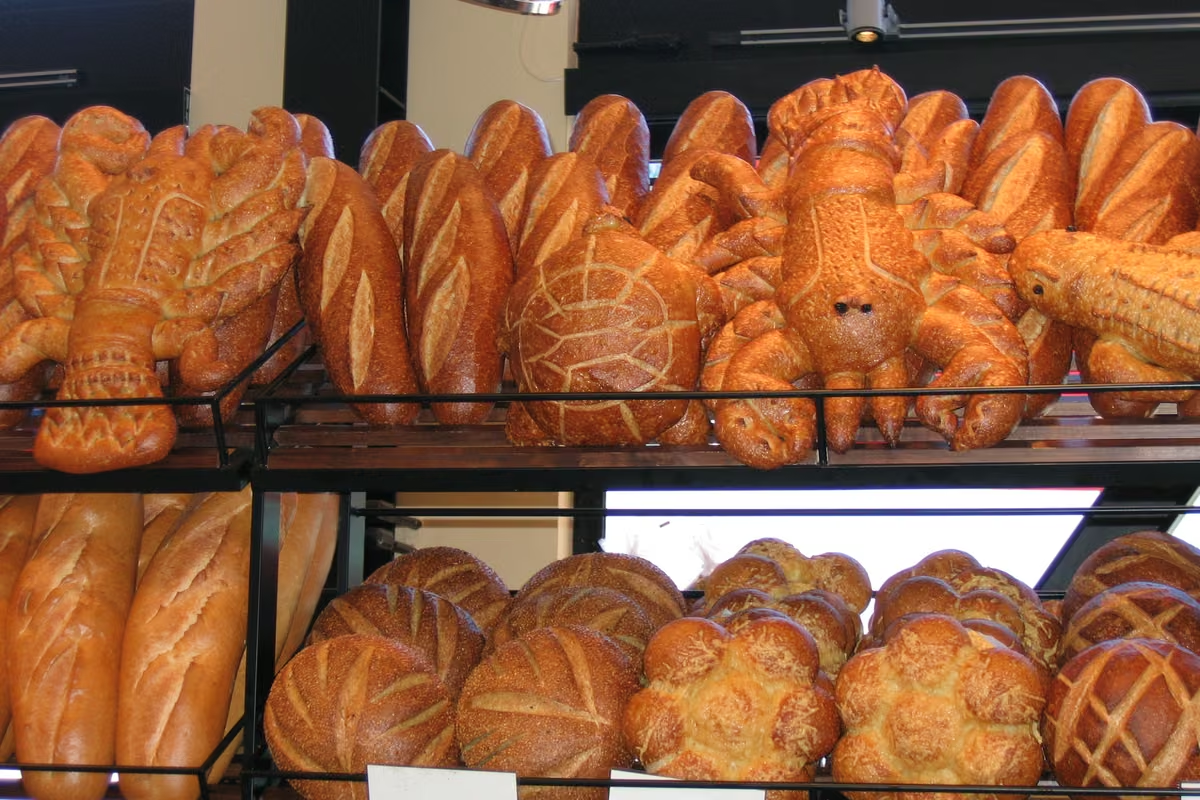
Bakery and Bread Products for Wholesale and Food ServiceThis category covers baked goods sold ready to eat, part-baked or frozen, along with the doughs, mixes and bakery ingredients that bakeries, caterers and food manufacturers use to make them. Buyers range from supermarkets and convenience chains to hotels, airlines, quick-service restaurants and importers stocking regional breads.Finished Bakery ProductsBread loaves: sliced pan bread, sourdough, rye and wholemeal loaves, fresh or frozen.Buns and rolls: burger and hot dog buns, dinner rolls and brioche for food service.Cakes, pies and tarts: sponge, layer and loaf cakes, fruit pies and pastry tarts.Croissants and pastries: laminated products, usually frozen ready-to-bake or ready-to-prove.Tortillas, wraps, flatbreads and pita: ambient products with long shelf life for retail and catering.Pizza bases, rusks, toasts, panko and breadcrumbs: shelf-stable lines for food service and further processing.Doughs, Mixes and IngredientsFrozen dough lets in-store bakeries bake fresh without skilled bakers. Cake, muffin, pancake and waffle mixes standardise results for food service and retail. Bread improvers and bakery fillings and glazes serve bakeries that produce from scratch.How Buyers ChooseThe first decision is format: fresh products suit local supply only, ambient products such as tortillas and rusks travel well, and frozen products open long-distance trade but need a reliable cold chain at -18 °C (0 °F). Buyers then weigh shelf life, pack sizes for retail or catering, private-label capability, and certificates such as BRCGS, IFS, FSSC 22000, halal and kosher. Allergen control, especially for gluten, sesame, egg and milk, is central to every specification.Who Supplies the TradeIndustrial plant bakeries, frozen bakery specialists, flatbread producers, ingredient blenders and bakery wholesalers serve this market, many offering private label for retailers and food service chains.
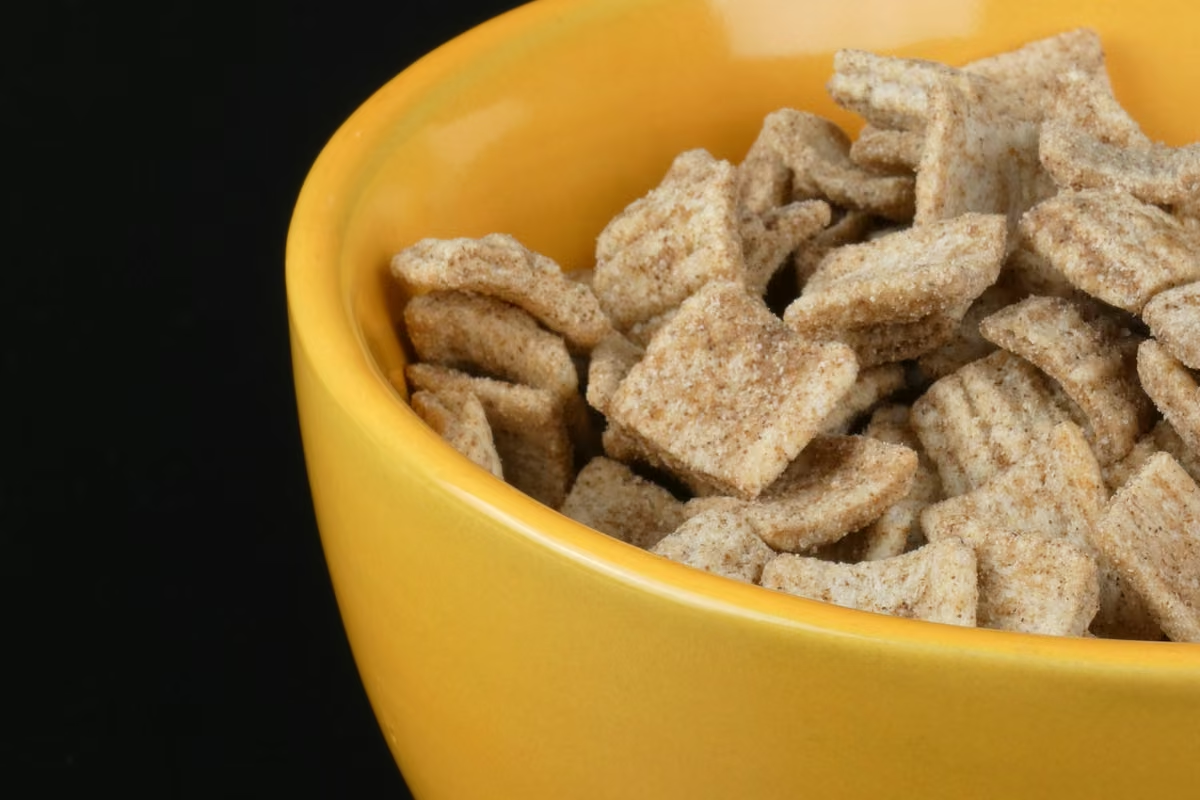
Ready-to-Eat Cereals, Oats and Porridge MixesBreakfast foods cover the grain products people eat in the morning, from crisp ready-to-eat cereals poured with milk to hot porridges made with water or milk. The category feeds supermarkets, discounters, hotels, schools, hospitals, airlines and private label programmes.From Flakes to PorridgeCornflakes: toasted maize flakes, the classic plain cereal.Chocolate Cereals: cocoa-flavoured loops, puffs, shells and pillows aimed at children and families.Instant Oatmeal: finely rolled or cut oats that cook in a minute or two, often in flavoured sachets.Porridge and Pap Mixes: instant and traditional cereal porridges based on maize, millet, sorghum, rice or blends.Wheat Flakes: whole wheat flakes, bran flakes and malted wheat cereals.Puffed Cereals: popped rice, wheat, corn and ancient grains, plain or coated.Granola and Muesli: baked clusters or raw mixes of oats, nuts, seeds and fruit.Matching the Range to the ShopperChoice usually turns on the target shopper and the channel. Children's cereals face rules on sugar content and marketing in some countries, while adult ranges compete on fibre, wholegrain and protein claims. Hot cereals suit markets where porridge is a staple, and portion packs suit hotels and institutions. Buyers compare grain source, sugar and salt levels, fortification with vitamins and iron, crunch retention in milk, and shelf life.Who Supplies ItLarge cereal plants run extrusion, flaking and puffing lines and pack retail cartons with inner bags. Oat millers supply rolled and instant oats, regional mills produce pap and porridge flours, and bakeries specialising in granola make baked clusters. Many offer private label in cartons, pouches and bulk bags of 5 to 15 kg for food service.
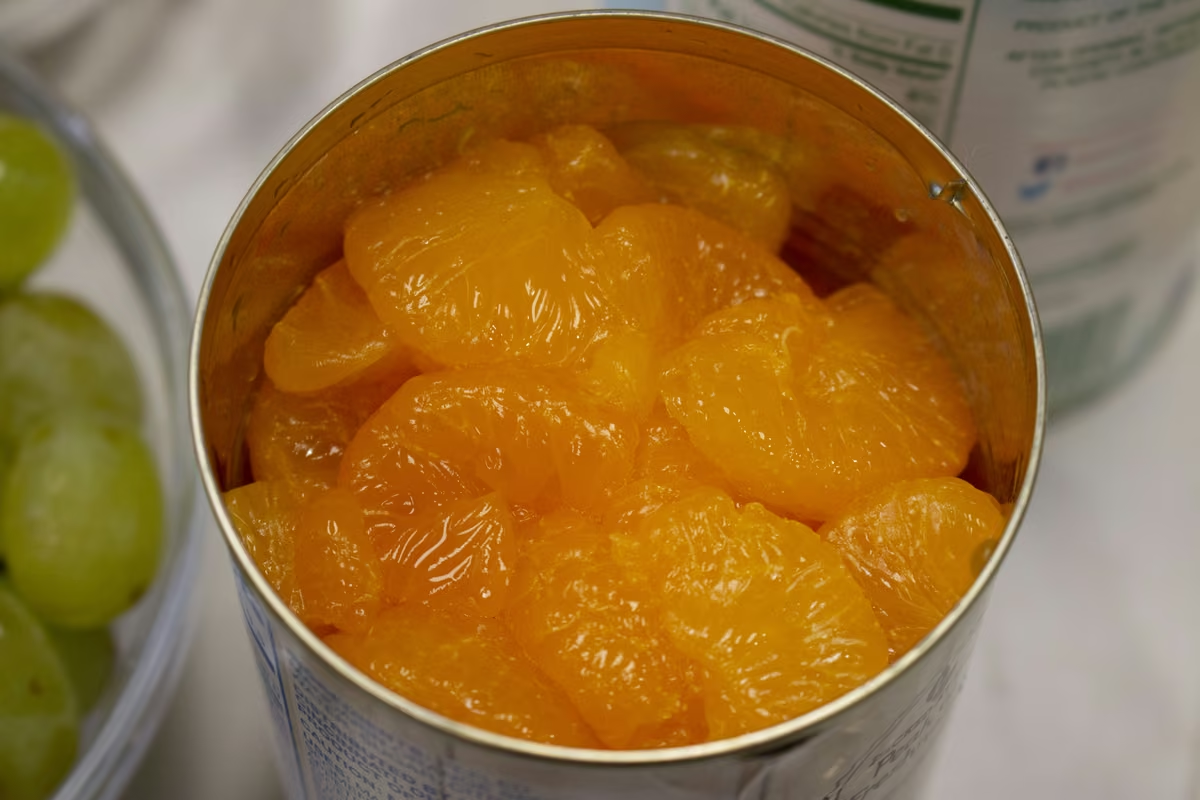
Shelf-Stable Food in Cans, Jars and PouchesCanned and preserved food is food sealed in an airtight container and heat-treated so it keeps at room temperature for long periods, typically a year or more. This category covers tinned produce and protein, jarred spreads and preserves, and the newer retort pouch format. It supplies supermarkets, discount and wholesale clubs, food service, ship and airline caterers, humanitarian programmes and food manufacturers.Product Types in the CategoryCanned vegetables, sweetcorn, mushrooms and tomatoes: staple side dishes and cooking ingredients.Canned fruit: peaches, pineapple, fruit cocktail and more, in syrup or juice.Canned fish, tuna and sardines: high-volume protein lines, in oil, brine or sauce.Canned beans and legumes: chickpeas, kidney beans, baked beans and lentils.Canned meat, soups and ready meals: complete dishes and meat products for convenience and emergency stocks.Pouch and retort meals: lighter, faster-heating alternatives to cans.Jams, marmalades and spreads: fruit preserves, peanut and other nut butters, and chocolate spreads in jars.Coconut milk and cream: cooking ingredients for Asian, Caribbean and African cuisines.How Buyers Compare SuppliersBuyers look at drained weight as well as net weight, the grade and size of the contents, the packing medium, can lining and coating, and the shelf life printed on the can. Easy-open ends, can size conventions for the destination market and carton and pallet configuration all affect landed cost. Thermal processing must be validated, and most importers require food safety certification such as BRCGS, IFS, FSSC 22000 or ISO 22000, with HACCP plans for low-acid canned food.Who Supplies the TradeLarge canneries sit close to their raw material: fish canneries near ports in Thailand, Ecuador, Spain, Morocco and the Philippines; fruit and vegetable canneries in China, Thailand, South Africa, Southern Europe and the Americas. Traders and private label packers consolidate mixed containers for importers. Labelling, additives and can material rules vary between countries, so verify them for each market.
From Cocoa Bean Derivatives to Finished ChocolateThis category spans the whole cocoa chain after the bean: semi-finished ingredients that factories melt and blend, and finished chocolate sold to retailers and food service. Buyers range from confectioners and bakeries to supermarkets, importers and private label brands.Product Types in This CategoryCocoa Mass: ground roasted nibs, the base of all real chocolate.Cocoa Nibs: roasted, cracked beans used as an inclusion or topping.Cocoa Cake: the pressed solid left after cocoa butter extraction, milled into cocoa powder.Couverture Chocolate: high cocoa butter chocolate for professional tempering and enrobing.Compound Chocolate: made with vegetable fat instead of cocoa butter, so it needs no tempering.Chocolate Chips and Drops: bake-stable pieces for biscuits, muffins and ice cream.Chocolate Bars: finished retail and private label tablets.Pralines and Truffles: filled and boxed confectionery.Chocolate Coated Snacks: nuts, biscuits, fruit and wafers enrobed in chocolate.How Buyers ChooseIngredient buyers start with cocoa content, fat content, fineness and viscosity, then whether the recipe uses cocoa butter or vegetable fat, which decides what can legally be labelled chocolate in their market. Retail buyers look at shelf life, heat stability in transit, pack format and private label options. Sustainability programmes, Fairtrade and Rainforest Alliance certification, organic status and traceability back to origin are increasingly part of tenders.Who Supplies the TradeGrinders in cocoa-producing and processing countries such as Côte d'Ivoire, Ghana, Indonesia, the Netherlands and Malaysia sell mass, cake and nibs. Industrial chocolate makers supply couverture, compound and chips in blocks, callets and bulk liquid, while confectionery factories and co-packers produce bars, truffles and coated snacks for brands and retailers.

Explore Trusted Cooking Oil Manufacturers, Suppliers, and Wholesalers Looking for high-quality cooking oils for your culinary business? Towobo offers a vast selection of top-rated cooking oil manufacturers, suppliers, and wholesalers to meet your bulk supply needs. Whether you are searching for organic olive oil, versatile sunflower oil, or premium coconut oil, our platform connects you with global suppliers providing the finest wholesale products. Find Your Ideal Cooking Oil Supplier for Your Business With a focus on product sourcing excellence, Towobo makes it easy to discover reputable cooking oil suppliers for your restaurant, food production company, or retail store. Browse through a wide range of cooking oils in various packaging options to find the perfect match for your requirements. Source directly from trusted wholesalers to ensure the freshness and quality of your cooking oils. Premium Quality Cooking Oils for Your Culinary Creations Enhance the flavor profiles of your dishes with premium cooking oils sourced from reliable manufacturers on Towobo. Whether you need bulk quantities of canola oil, palm oil, or specialty avocado oil, our platform allows you to connect with top-notch wholesalers offering competitive prices and efficient shipping options. Elevate your kitchen creations with the best-in-class cooking oils available through our network of global suppliers.
The Dairy and Egg Trade: Liquid, Powdered and FreshThis category brings together products from the milking parlour and the laying house, sold to food manufacturers, bakeries, food service operators, retailers and importers. Some lines are commodities traded by the tonne, while others are finished consumer goods sold under brand or private label.Product GroupsMilk powders: full cream, skimmed and fat-filled powders, the backbone of the international dairy trade and of recombination in markets with little fresh milk.Liquid milk: UHT and pasteurised milk, plus condensed and evaporated milk in cans and cartons.Fats: butter, anhydrous milk fat and cream for retail, catering and baking.Cheese: natural cheeses, mozzarella for pizza, processed cheese and cream cheese.Cultured and frozen: yoghurt, kefir and fermented milks, and ice cream.Whey and lactose-free: whey powder for feed and food, and lactose-free milk and dairy.Eggs: graded table eggs, liquid egg and egg powder for industrial use.How Buyers ChooseIngredient buyers work to specification sheets: fat and protein content, moisture, solubility and microbiological limits, often referencing Codex Alimentarius standards. Retail buyers look at brand, pack size and shelf life. Shelf stable goods such as powders, UHT milk and canned milk travel in dry containers, while cheese, butter and yoghurt need reefer shipping, and fresh eggs need careful handling and short transit times.Who Supplies ItThe trade is served by dairy cooperatives, private processors, egg packing stations, ingredient traders and repackers. Major exporting regions include New Zealand, the European Union, the United States, Australia and South America. Dairy and egg imports usually need veterinary health certificates, so check the import rules and approved establishment lists that apply in your market.
Shelf-Stable Ingredients with the Water Taken OutDrying is one of the oldest ways to preserve food. Removing water halts microbial growth, cuts freight weight and gives an ambient shelf life of a year or more. This category serves food manufacturers, seasoning blenders, bakeries, snack makers and retailers.Product TypesDehydrated onion: flakes, granules and powder for soups, sauces and seasonings.Potato flakes: drum-dried mash for instant mashed potato and snack doughs.Tomato powder: spray-dried tomato for seasonings and instant soups.Fruit and vegetable powders: beetroot, spinach, banana, pumpkin and many others for colour and flavour.Freeze-dried fruit and vegetables: light, crisp pieces for cereals, snacks and camping meals.Dried mushrooms: shiitake, porcini, wood ear and others.Dried dates, raisins and sultanas, and prunes: traditional sun- or oven-dried fruits for retail and baking.Desiccated coconut and coconut milk powder: for confectionery and cooking.Dried seaweed: nori, kombu and wakame for Asian cuisine.Drying Methods ComparedAir or hot-air drying is cheapest and suits onions, carrots and fruit. Drum drying makes flakes from purées. Spray drying produces fine powders. Freeze drying costs the most but keeps shape, colour and aroma best. Buyers pick a method by end use and budget.Who Supplies ItSuppliers include specialist dehydration plants, growers' cooperatives, date and raisin packers, and ingredient traders that consolidate several origins. Moisture, water activity, microbiology and foreign matter are standard specification points across the category.Dried ingredients ship in dry containers rather than reefers, which lowers freight costs, but they still need cool, dry warehousing. Many buyers source several dried products from one consolidator to keep orders practical and to build a full container from mixed cartons.
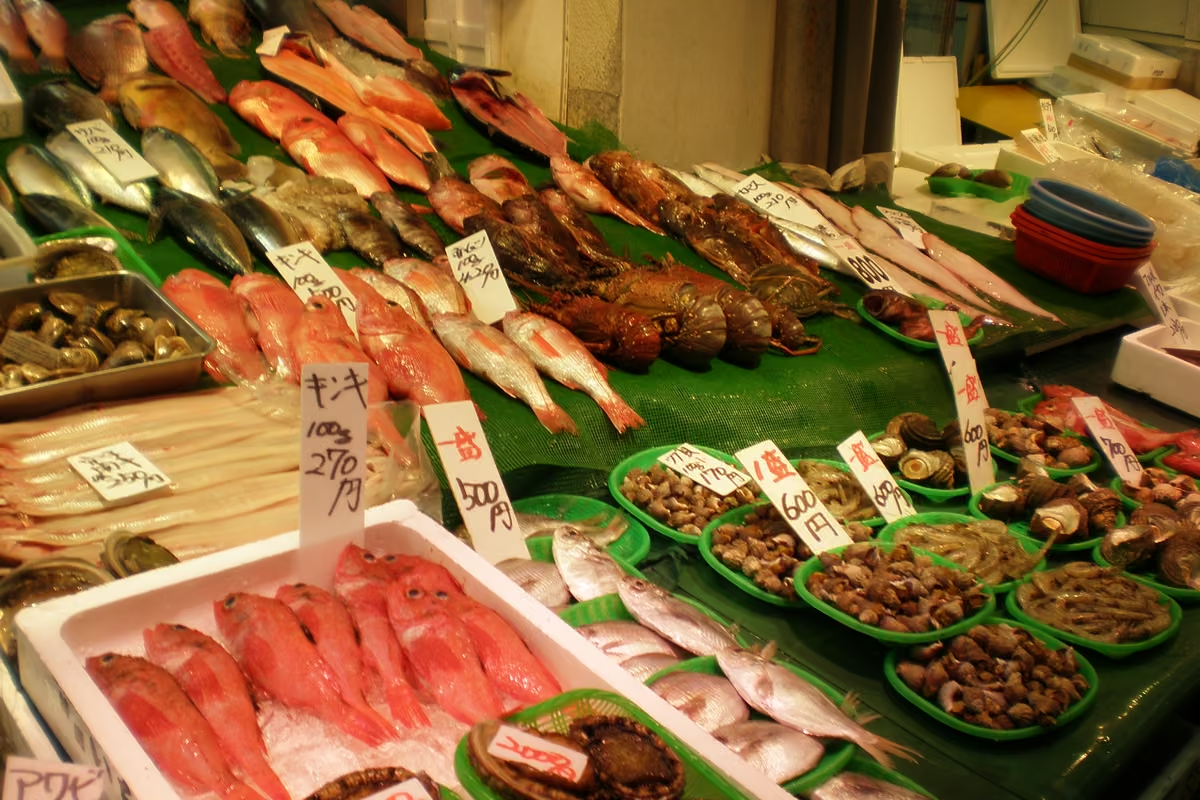
Wild-Caught and Farmed Seafood for the TradeFish and seafood is one of the most widely traded food categories in the world, connecting fishing fleets and aquaculture farms with importers, processors, retailers and restaurants. This category gathers finfish, crustaceans, molluscs and processed seafood, whether frozen, chilled, dried, smoked or formed.Main Product GroupsWhole and frozen finfish: mackerel, sardines, tilapia, catfish and mixed frozen fish, the volume trade for Africa and Asia.Premium finfish: salmon, tuna and cod, sold as whole fish, loins, fillets and portions.Whitefish fillets: pollock and hake blocks and portions for fish fingers and battered fish.Crustaceans: shrimp and prawns, crab and lobster.Molluscs and cephalopods: oysters, mussels, squid and octopus.Preserved and value-added: dried and smoked fish, stockfish, fish roe, surimi and fish balls.How Buyers ChooseChoice starts with the end market: frozen whole round fish suits price-driven wholesale markets, while fillets and portions fit supermarkets and food service. Buyers then weigh wild against farmed supply, catch area, size grade, glaze level and freezing method, such as frozen at sea, block frozen or IQF. Sustainability certification such as MSC for wild fisheries or ASC and BAP for farms is often required by retailers in Europe and North America.Who Supplies the TradeSellers include fishing companies with freezer vessels, aquaculture farms, shore-based processing plants, cold stores and specialist importers who break containers into smaller lots. Most seafood moves in 40 ft reefer containers at -18 °C (0 °F) or colder, with sushi-grade tuna held far colder.
Building Blocks for Food and Beverage ManufacturingFood ingredients and additives are the functional materials manufacturers use to give products texture, taste, colour, stability, nutrition and shelf life. They are sold mainly to factories, bakeries, dairies, beverage plants and meat processors, usually in 20-25 kg bags, drums or big bags.Main Groups in This CategoryStarches, maltodextrin and dextrose: thickeners, fillers and carbohydrate sources from maize, cassava, wheat and potato.Food proteins: soy, whey, pea and wheat proteins for nutrition and binding.Emulsifiers, stabilisers, pectin and hydrocolloids: lecithin, mono- and diglycerides, xanthan, guar, carrageenan and agar.Gelatine and collagen: gelling and protein ingredients from bovine, porcine or fish sources.Flavourings, MSG, yeast extract and vanilla: savoury, sweet and natural flavour systems.Preservatives and acidulants: citric acid, sorbates, benzoates and propionates.Leavening and fermentation: baker's yeast, baking powder and food enzymes.Colours, fibres and premixes: natural colours, dietary fibres and vitamin and mineral blends, plus cocoa powder.How Buyers ChooseFormulators pick ingredients for function first, then for label, cost and supply security. A clean-label bakery may prefer native starch and natural colours; a beverage plant needs acids and stabilisers with exact specifications. Every lot should come with a certificate of analysis, and many buyers require food safety certification, plus halal, kosher, non-GMO or organic status depending on the market. E numbers in Europe and INS numbers under Codex identify approved additives, but permitted uses differ by country.Who Supplies ThemSellers range from large ingredient manufacturers to specialist producers of a single additive, blenders creating custom systems and distributors stocking many lines in smaller quantities.
Products Built for Professional KitchensThis category gathers the food lines that hotels, contract caterers, hospitals, schools, airlines and quick-service chains buy to cook at volume with predictable results. Most are dry or shelf-stable, packed in catering sizes and designed to reconstitute with water or milk, which cuts labour and storage cost compared with cooking everything from raw ingredients.Product Types in This CategoryPortion Pack Condiments - single-serve sachets and dip cups of ketchup, mayonnaise, mustard, sauces and dressings.Instant Soup Mixes - powdered soups and bouillon bases that make litres at a time.Gravy & Sauce Mixes - granules and roux-based powders for gravies, white sauce and cheese sauce.Custard & Pudding Powders - starch-based dessert powders cooked with milk.Jelly Dessert Mixes - gelatine or plant-based gelling crystals in many flavours.Dessert Toppings - syrups, sauces, sprinkles and whipped topping bases.Private Label Food Products - finished goods packed under the buyer's own brand.Contract Food Manufacturing - production to the buyer's recipe on a factory's lines.How Caterers ChooseYield per kilo matters more than unit price: a gravy mix that makes 20 litres per kilo can be cheaper per portion than one costing less per bag. Buyers also weigh hot-holding stability, freeze-thaw tolerance, allergen profile and whether a line is suitable for vegetarian, halal or gluten-free menus. Catering packs typically run from 1 kg tubs to 10 kg and 25 kg sacks.Who Supplies the TradeSupply comes from dry-blend food factories, sauce and condiment fillers, dessert powder specialists and co-packers offering own-label service. Large operators often contract a manufacturer directly, while independents buy through food service wholesalers and cash-and-carry depots.
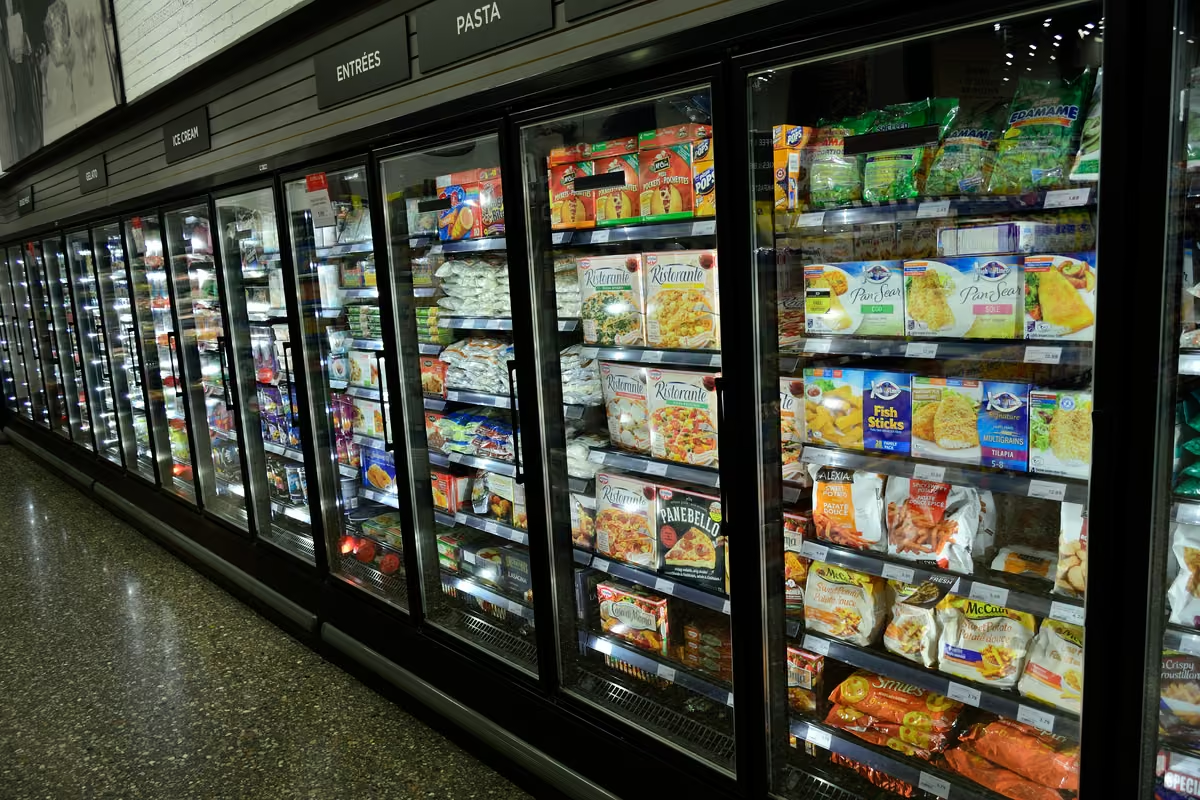
The Frozen Food Trade at a GlanceFrozen food covers anything preserved by freezing and held at -18 °C (0 °F) or colder from factory to freezer cabinet. Freezing locks in quality without preservatives, so the category spans raw produce through to fully prepared dishes, all moved through the cold chain.Product Types in This CategoryFrozen vegetables and fruit: mostly IQF (individually quick frozen) peas, corn, mixed vegetables, berries and tropical fruit.Frozen fruit pulp: purées and pulps for juice, ice cream and smoothie makers.French fries and potato products: fries, wedges, hash browns and potato specialities, one of the largest frozen trades.Frozen pizza and frozen meals: retail and food service ready-to-heat dishes.Dumplings and spring rolls: Asian appetisers sold to restaurants and supermarkets.Fish fingers and nuggets: coated fish and chicken portions.Frozen pastry and desserts: puff pastry sheets, croissant dough, cakes and ice cream.Frozen plantain and yam: ethnic staples shipped to diaspora markets.How Buyers ChooseImporters usually build a mixed range, so they look for suppliers with consistent freezing technology, cold store capacity and the ability to fill a full 40-foot reefer. Retailers favour private label packers, while food service buyers want large catering packs and stable portion sizes.Who Supplies ItThe trade is served by growers with their own freezing plants, specialist potato processors, ready-meal factories and trading houses that consolidate products from several plants. Certificates such as BRCGS, IFS or FSSC 22000 are routine requests.Smaller importers often start with a few fast-moving lines, such as fries and mixed vegetables, then add dumplings, pastry and desserts once their cold store and distribution network can handle a broader frozen range.
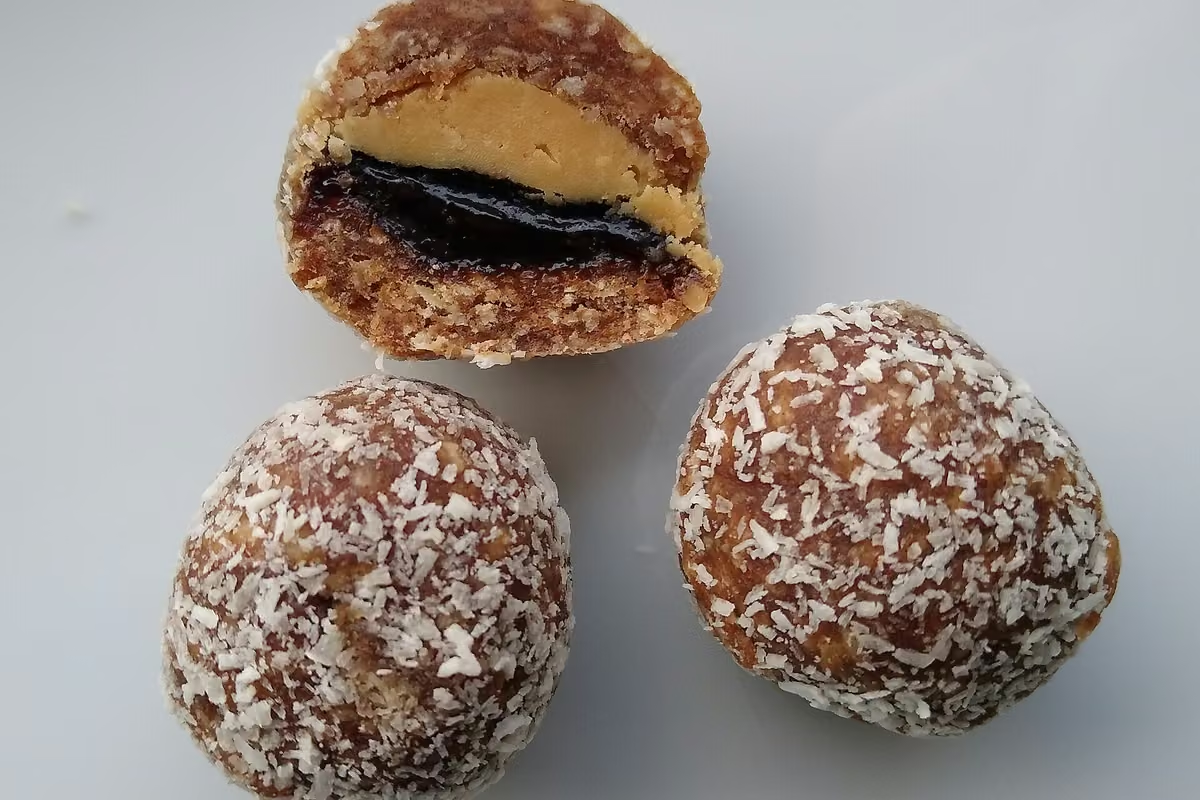
Free-From, Certified and Infant Food RangesThis category gathers packaged foods defined less by what they are than by a claim or certification they carry: free from gluten, sugar or animal ingredients, certified organic or halal, or formulated for infants. For buyers, the claim is the product, so documentation and audit evidence matter as much as taste and price.Product types in the categoryGluten-free foods: pasta, breads, flours and snacks made for coeliac and gluten-avoiding shoppers.Vegan foods: products with no animal-derived ingredients, from dairy alternatives to confectionery.Plant-based meat: burgers, mince and sausages built on soy, pea or wheat protein.Sugar-free foods: confectionery, spreads and bakery made with polyols or intense sweeteners.Organic packaged foods: shelf-stable lines produced under recognised organic certification.Infant formula, baby food purees and baby cereals: tightly regulated foods for babies and young children.Halal certified foods: products made and certified to Islamic dietary requirements.How buyers chooseRetailers and distributors start from the claim their customers need, then check that the supplier can prove it: certificates from recognised bodies, laboratory results, segregation on the production line, and labels that meet the destination market's rules. Infant products carry the heaviest regulatory load and often need product registration before import.Who supplies the tradeSuppliers range from dedicated free-from manufacturers to large food factories running certified lines, and private-label specialists who pack under the buyer's brand. Exporters ship ambient goods in mixed-pallet or full-container loads, while chilled and frozen plant-based products need a cold chain. Check the import rules and certification required in your market before placing a first order.
Solid and Specialty Fats for Bakeries, Confectioners and Food PlantsThis category brings together the structured fats that give baked goods, confectionery and prepared foods their texture, layering and mouthfeel. Most are made from palm, soybean, rapeseed, sunflower, coconut or palm kernel oil, or from animal fat, and are refined, fractionated, blended or interesterified to reach a set melting behaviour.Product types in this categoryMargarine: water-in-oil emulsions for tables, cakes and puff pastry.Bakery Shortening: water-free plastic fats for creaming, biscuits, icing and frying.Vegetable Ghee: grainy cooking fat used as a ghee substitute across South Asia, the Middle East and Africa.Lard & Tallow: rendered pork and beef fats for cooking, pastry and industry.Palm Stearin: the solid fraction of palm oil, used as hardstock.Cocoa Butter Equivalents: vegetable fats that behave like cocoa butter in chocolate.Non-Dairy Whipping Cream: vegetable-fat toppings for cakes and desserts.Fat Powders: encapsulated or spray-chilled fats for creamers, mixes and feed.How buyers chooseThe deciding figures are the solid fat content across temperatures, slip melting point and crystal behaviour, because these determine how a fat creams, laminates or melts in the mouth. Climate matters too: bakeries in hot countries need fats that stay workable at higher room temperatures. Many markets now limit trans fats, which has pushed producers towards non-hydrogenated palm-based and interesterified blends. Halal, kosher and RSPO certification often decide a tender.Who supplies the tradeLarge refiners in Malaysia, Indonesia, Europe and the Americas produce much of this range, alongside regional margarine plants, rendering companies and specialist makers of confectionery fats and creamers. Importers and distributors then repack or break bulk for craft bakeries, caterers and smaller manufacturers.
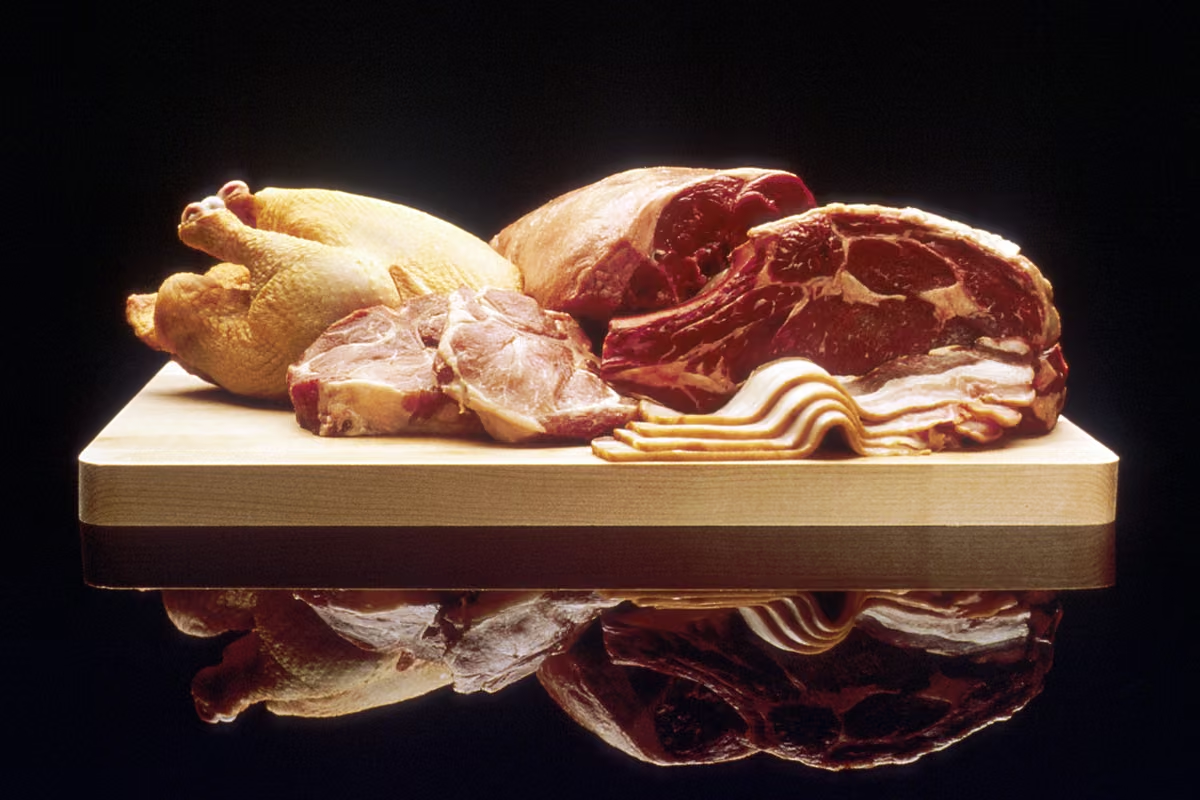
Red Meat, Poultry and Processed Meats for the TradeThis category covers fresh, chilled and frozen meat from slaughterhouses, cutting plants, poultry processors and meat product factories. It is sold to importers, wholesalers, butchers, supermarkets, restaurant chains and food manufacturers, mainly in carcass, primal or portion-cut form.What the Category IncludesBeef and buffalo meat: carcasses, quarters, primal and boneless cuts, and trimmings for mincing.Chicken and poultry: whole frozen chickens, parts such as leg quarters, wings, drumsticks and breast fillets, plus turkey, duck and goose.Pork: carcasses, cuts, bellies and by-products.Lamb and goat meat: whole carcasses and cuts, a large trade into halal markets.Processed meats: sausages, bacon, ham, burger patties, minced meat, breaded chicken and dried meats such as jerky and biltong.Offal and variety meats: livers, hearts, tongues, feet and tripe.How Buyers ChooseThe key decisions are species, cut specification, chilled versus frozen, and slaughter method. Halal slaughter is essential for many markets in the Middle East, Southeast Asia and Africa, and kosher for others. Buyers state the grade, fat level, bone-in or boneless form, packaging (vacuum packed, IQF or block frozen) and carton weight. Chilled meat suits nearby markets and premium cuts, while frozen meat dominates long-haul trade.Suppliers and RulesBrazil, the United States, Australia, the European Union, Argentina, New Zealand and India are among the main exporting regions, depending on species. Meat trade is closely regulated: plants must be approved for each destination and shipments need veterinary health certificates. Check the import rules, approved plant lists and certificates required in your market before contracting.
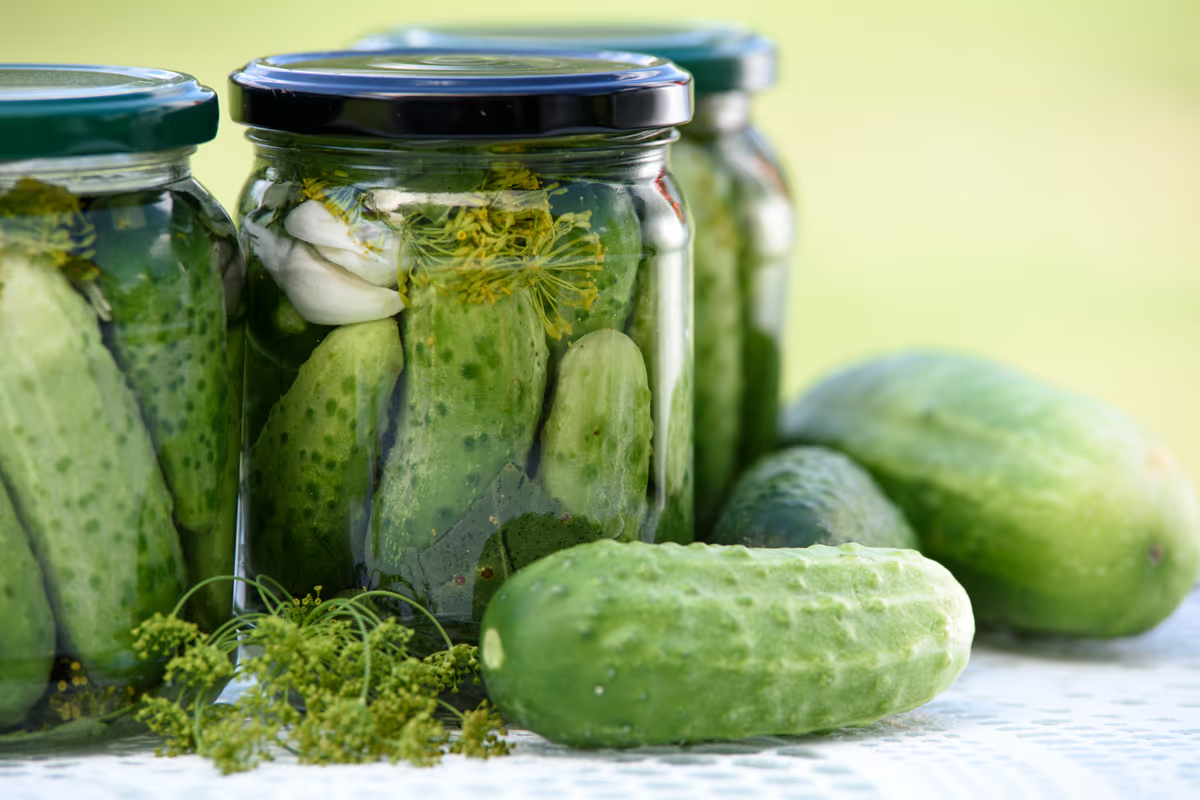
Preserved in Brine, Salt and AcidThis category brings together foods preserved by acidity: fermented and brined vegetables, cured olives and the vinegars that make much of the pickling possible. They share production methods, packaging and buyers, from supermarket condiment aisles to sandwich chains and pizza kitchens.Olives and olive productsTable olives: green, turning and black, whole, pitted or sliced, in Spanish, Greek and Californian styles.Stuffed olives: filled with pimiento, anchovy, almond, garlic or cheese.Olive paste and tapenade: spreads for retail and catering.Capers: flower buds sold by size in brine, vinegar or salt.Pickles and fermentsGherkins and pickled cucumbers, from tiny cornichons to dill spears.Pickled peppers such as jalapeño and pepperoncini, and pickled onions from silverskins to brown onions.Pickled vegetables: mixed pickles, giardiniera, torshi and achar.Sauerkraut and kimchi, made by lactic fermentation rather than added vinegar.VinegarsVinegar is both a finished product and an ingredient for every other line here. Balsamic and wine vinegars, apple cider, white and spirit, rice and malt vinegars each have their own raw material, acidity and flavour. Some go to retail bottles, while spirit vinegar is also sold in tankers to pickle and sauce factories.How buyers choose suppliersLarge buyers often split sourcing between bulk producers in Spain, Turkey, Egypt, Morocco, India and Greece, who ship in brine drums, and local packers who finish retail jars. Key points are drained weight, size grading, acidity, salt level, pasteurisation and the food safety certificate held by the packing plant. Many buyers source bulk semi-finished product from one origin and pack it closer to the end market to save freight on glass.
The Staple Grains and StarchesRice, flour and pasta are the dry staples that feed most of the world, traded in huge volumes from mills to importers, wholesalers, bakeries, food factories and humanitarian buyers. This category covers milled grains, flours and the pasta and noodle products made from them.RiceParboiled and milled rice: long grain white and parboiled rice traded by broken percentage.Basmati and jasmine: fragrant long grain types from South and Southeast Asia.Brown and glutinous rice: wholegrain rice and sticky rice for Asian cooking and desserts.Flours and mealsWheat flour: bread, all-purpose, cake and whole wheat, plus self-raising flour.Maize flour and corn meal: from fine maize meal to coarse polenta.Cassava flour and garri: staples of West Africa and Brazil.Rice flour, tapioca and sago: gluten-free starches for baking and desserts.Pasta, noodles and grainsDurum wheat semolina feeds the pasta and couscous trade, and bulgur wheat is a quick-cooking cracked grain for Middle Eastern dishes. Rolled oats sit here as breakfast and baking staples. Noodles span wheat, egg, rice and instant noodles, with vermicelli used across Asian, Middle Eastern and South Asian cooking.Choosing suppliersImporters usually buy direct from large mills and exporters in Asia, the Black Sea region, Europe and the Americas, while local distributors break bulk into retail sizes. Buyers choose between products on price per tonne, specification, consistency between shipments, and packaging, from 25 kg and 50 kg woven sacks to retail packs. Moisture, broken grains, protein and contaminants such as aflatoxin are the core quality checks.
Sauces, Pastes and Condiments for the Wholesale TradeThis category covers the sauces and condiments that sit on restaurant tables, in supermarket aisles and inside food factories as ingredients. It runs from bulk tomato paste in aseptic drums to small bottles of hot sauce, and from fermented Asian sauces to European emulsions and Middle Eastern seed pastes.Main Product TypesTomato paste and puree: concentrated tomato for factories and kitchens, sold by Brix.Ketchup and mayonnaise: the two highest-volume table sauces, in portions, bottles and catering pouches.Soy, fish and oyster sauce: fermented and extract-based seasonings central to Asian cooking.Hot sauces and sweet chilli sauce: chilli-based sauces from mild dipping styles to very hot.Mustard, horseradish and wasabi: pungent condiments sold as pastes, creams and powders.Barbecue, Worcestershire and pasta sauces, salad dressings and pesto: cooking and finishing sauces for retail and food service.Curry pastes and tahini: concentrated pastes used as bases for dishes.Private label sauces: contract-made sauces sold under the buyer's own brand.How Buyers ChooseFood manufacturers buy on specification: solids, viscosity, salt, acidity and pH, and consistency between lots. Food service operators look at pack format, yield, heat stability and price per portion. Retailers and importers weigh shelf life, label compliance for their market and whether the recipe can be adapted. Allergens such as mustard, sesame, egg, soy, fish and molluscs feature in many of these products and must be declared correctly.Who Supplies the TradeSuppliers range from large processors running hot-fill and aseptic lines to regional specialists making one traditional sauce, and contract manufacturers who formulate and pack for other brands. Exporters commonly hold food safety certification such as BRCGS, IFS, FSSC 22000 or ISO 22000, and many offer halal or kosher versions. Labelling and certification requirements differ between importing countries, so confirm them with your customs adviser.
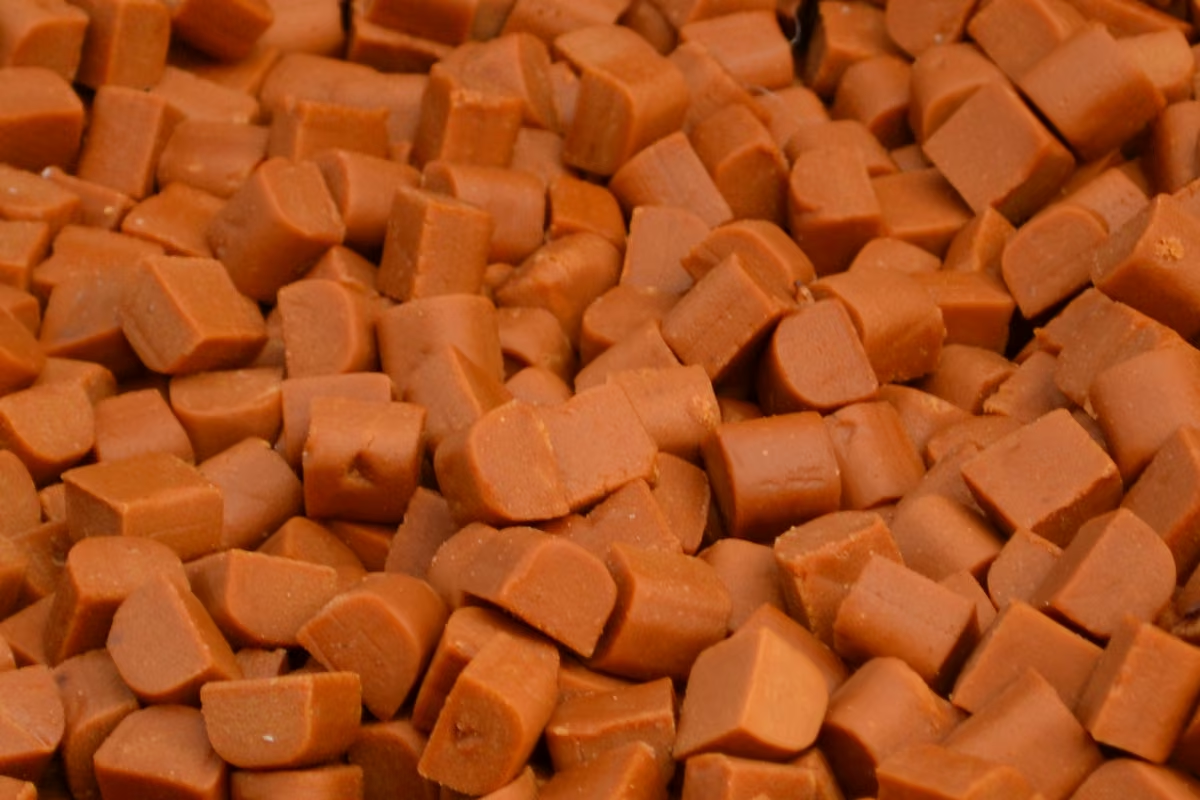
The Impulse Aisle, Sourced at Factory ScaleThis category covers savoury snacks, sweet baked goods and sugar confectionery: the products that fill checkout racks, vending machines, lunchboxes and party tables. It is a fast-moving, brand-heavy trade where private label and regional producers compete on recipe, pack design and price.Product Types in the CategoryBiscuits and cookies, crackers, wafers: baked goods from plain tea biscuits to cream-filled wafers and savoury crackers.Chips and crisps, plantain chips, extruded snacks, pretzels, popcorn, rice cakes: savoury snacks made by frying, baking, popping or extrusion.Nut snacks and seaweed snacks: roasted, coated and seasoned nuts, and crisp seasoned seaweed sheets.Sweets and candy, gummies and jellies, marshmallows, toffee and caramel, chewing gum: sugar confectionery in boiled, chewy, aerated and gelled forms.Cereal and protein bars: grain, nut and protein-based bars for on-the-go eating.How Buyers ChooseRetailers balance shelf life, pack format and price per unit against local tastes; a crisp flavour that sells in one market may not travel. Distributors look for products that survive heat and long supply chains, which favours baked goods, hard candy and nitrogen-flushed packs. Confectionery buyers pay close attention to gelatine source and colourings, since halal, vegetarian and additive rules differ by market.Who Supplies the TradeSuppliers range from multinational snack plants to specialist biscuit bakeries, candy kitchens and nut roasters. Many offer private label, with minimums set by film or carton print runs. Common certificates include BRCGS, IFS, FSSC 22000, halal and kosher. Check the import rules and certification required in your market, particularly for colourings and sweeteners.
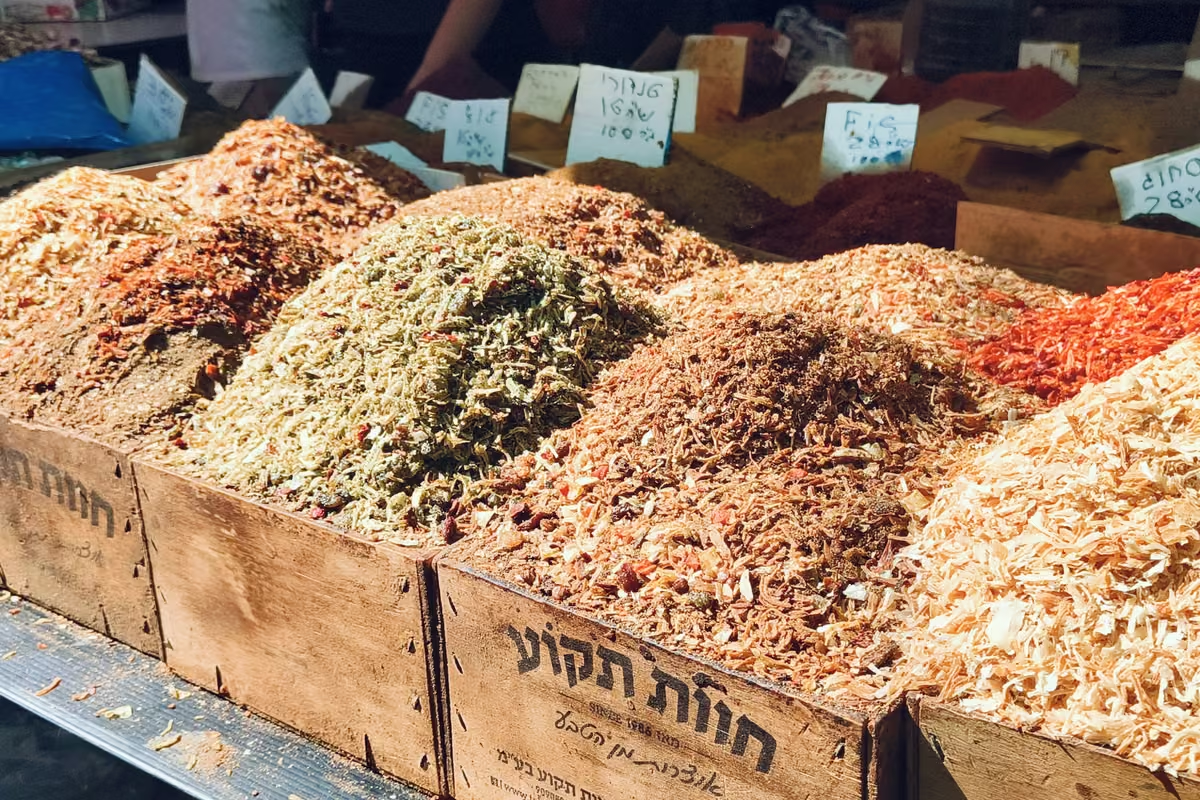
Spices, Herbs and Seasonings for the Food TradeThis category covers dried plant parts used to flavour and colour food, together with the seasonings built from them. It runs from single whole spices traded as agricultural commodities to finished blends, stock cubes and salt packed for retail. Buyers include food manufacturers, meat processors, snack makers, restaurants and caterers, grocery wholesalers and spice brands.Main product groupsSeed, berry and pod spices: black pepper, cumin, coriander, fenugreek, cardamom and star anise, sold whole, cracked or ground.Root, bark and bud spices: dried ginger, turmeric, cinnamon and cloves, prized for aroma and colour.Capsicums and specialities: chilli and paprika, vanilla beans, nutmeg with its mace, and saffron, the hand-picked stigmas of a crocus.Dried herbs: oregano, basil, thyme, parsley and similar leaves, rubbed or cut.Seasonings: garlic powder and granules, curry powder, spice blends, barbecue rubs and marinades, bouillon and stock cubes, and edible salt.How buyers chooseWhole spices keep their aroma longest and let the buyer control grinding, while ground spices and blends save labour but lose volatile oils sooner. Industrial buyers specify volatile oil, moisture, ash, particle size and microbiological limits, often to ASTA or ESA cleanliness standards, and many need steam-sterilised material. Adulteration, pesticide residues and mycotoxins are known risks, so independent testing is standard practice.Who supplies the tradeSupply runs from farmer cooperatives and collectors in producing countries such as India, Vietnam, Indonesia, Sri Lanka, Turkey and Madagascar, through processors who clean, sort and grind, to blenders and packers making finished seasonings and private-label jars.
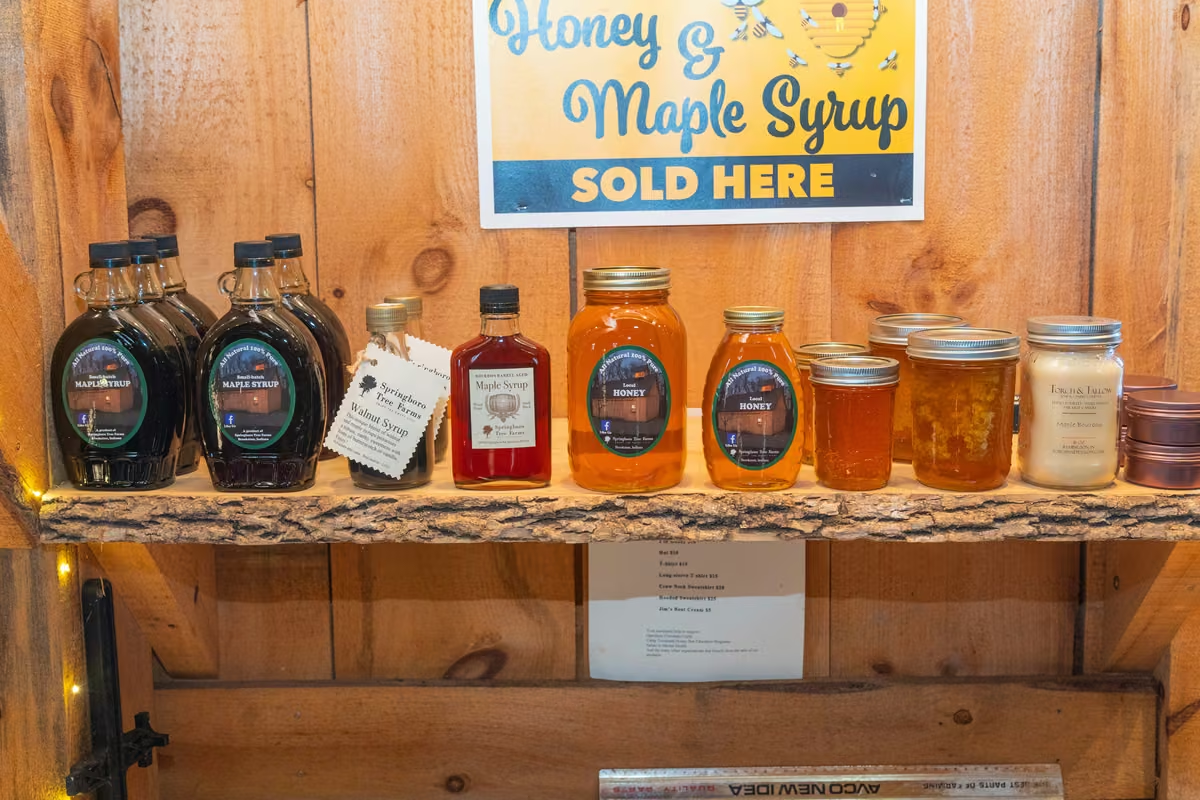
Sweetening Ingredients for Food and Drink MakersThis category covers every ingredient bought mainly to add sweetness, from crystalline sucrose traded by the vessel to small lots of single-origin honey. Buyers include bakeries, confectioners, beverage plants, dairies, food service distributors, repackers and retailers.The main groupsCrystalline sugars: Cane Sugar, Beet Sugar, Brown Sugar, Icing Sugar, Coconut Sugar and Sugar Cubes & Sachets, graded by colour, polarisation and grain size.Liquid sugars and starch syrups: Liquid Sugar, Glucose Syrup and High Fructose Corn Syrup, delivered by tanker to industrial users.By-product and traditional sweeteners: Molasses from sugar refining, Jaggery boiled from cane or palm juice, and Date Syrup.Natural syrups and honey: Honey, Maple Syrup and Agave Syrup, sold on origin, colour and flavour.Low and no-calorie sweeteners: Stevia & Sugar Substitutes, including steviol glycosides, monk fruit extract, polyols and high-intensity sweeteners.How buyers chooseIndustrial users choose on function: solubility, colour, browning, moisture retention, freezing point and fermentability all differ between sucrose, glucose, fructose and invert syrups. Retail packers care more about origin, flavour, labelling claims such as organic and the pack format. Price exposure matters too, as sugar follows international futures markets while honey and maple prices depend on harvests.Standards and suppliersCodex Alimentarius sets standards for sugars and for honey, and ICUMSA methods are used to measure sugar colour. Supply comes from sugar mills and refineries in Brazil, India, Thailand and the European Union, honey packers and apiary cooperatives, starch processors, maple producers in Canada and the northern United States, and specialist sweetener manufacturers.
Food manufacturers, packers, millers and exporters list products on Towobo with pack sizes, minimum order quantities, country of origin and the certificates they hold. Buyers browse listings across the categories, shortlist the producers that match their specification and request quotes for a trial pallet or a full container.
If you produce, pack or export food for the trade, open a store on Towobo and list your range so importers, wholesalers and caterers searching for your products can reach you directly and ask for a price.
Key information for B2B buyers sourcing food products from global manufacturers.
Factory-direct orders typically start at 100–500 units. Wholesalers often accept 10–50 unit MOQs. Always confirm MOQ and price breaks in writing before placing a bulk order.
Request certificates relevant to your market: CE (EU), ISO 9001 (quality), RoHS (electronics), and UN38.3 (battery transport). Verify originals before payment.
Sample orders typically ship in 3–7 days. Production runs take 15–45 days depending on volume. Confirm Incoterms (FOB, CIF, EXW) and freight charges before signing.
Request physical samples before committing to bulk. Use Towobo's Payment Protection on all transactions. Compare at least 3 suppliers on price, lead time, and certifications.