
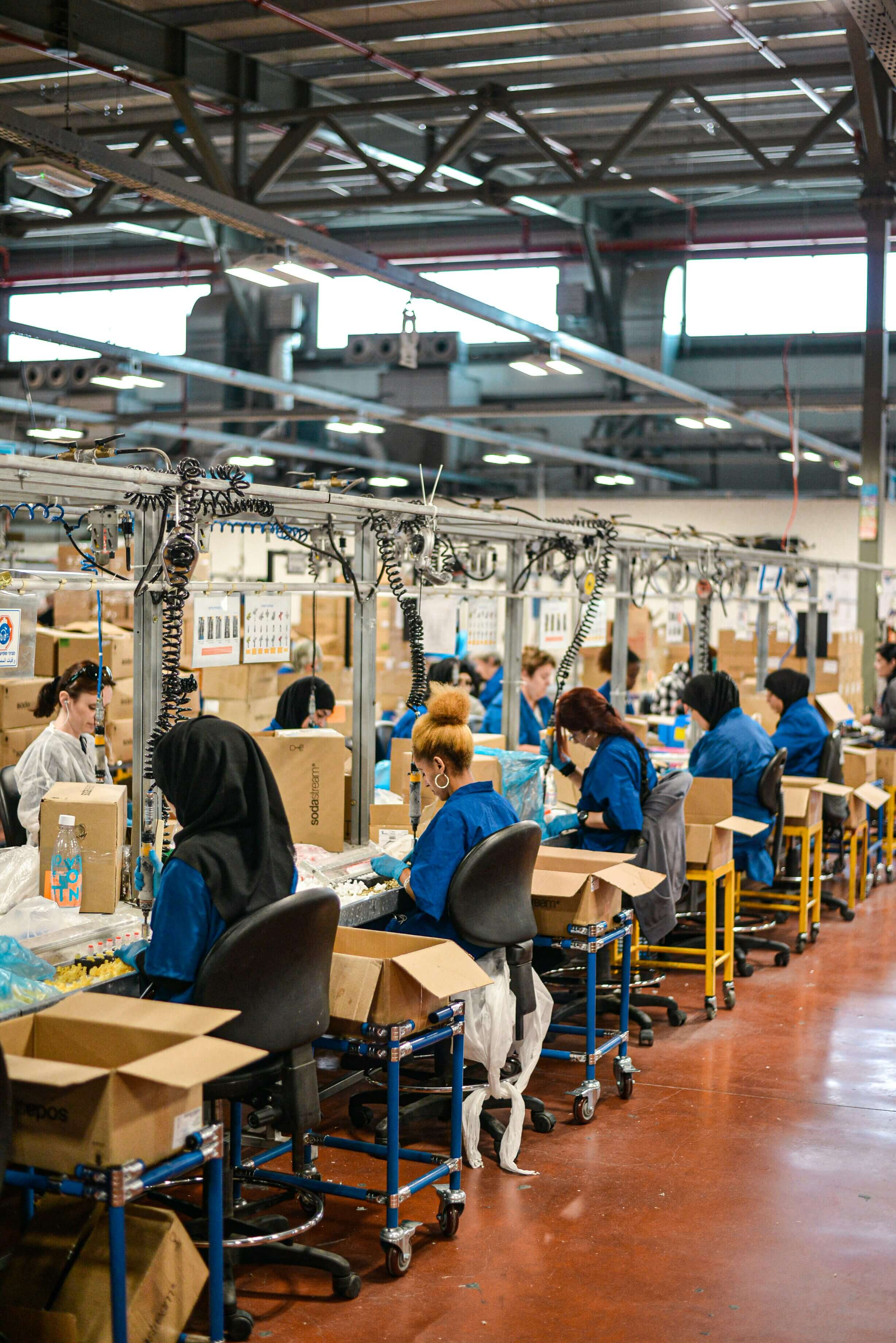
A factory acceptance test, or FAT, is a planned demonstration of equipment at the manufacturer's facility before shipment. For a food-processing line, it can reveal a missing guard, a control sequence that does not work as agreed, or a changeover that takes longer than expected. It is most useful when buyer and supplier agree in advance what will be tested, with which materials, and how results will be recorded. It is not a guarantee that the installed line will perform the same way in a different building.
Agree on the test before the visit
Start with the purchase specification and identify measurable acceptance points: the machine configuration, trial product or substitute material, target throughput, changeover steps, controls, safety functions, and cleaning access relevant to the purchase. Ask who will provide utilities and test materials at the factory. Decide who can witness the run and what records the supplier will give you. If the real food product cannot be used, document the substitute and the limits of that demonstration.
Watch a representative run, not only an empty machine
Seeing motors turn proves less than watching the agreed operating sequence under a representative load. For example, a filling machine may run smoothly with water but behave differently with a viscous product or a different container. The test plan should say which speeds and container sizes will be shown and for how long. Operators and maintenance staff can use the visit to ask how alarms, stops, resets, and routine access work. The exact tests depend on the machine and its contract.
Record deviations and retests
A useful FAT record lists each acceptance point, the observation, the result, and the person responsible for any correction. Distinguish a minor item that can be completed before shipment from a failed requirement that needs another witnessed test. Do not convert a verbal promise into a pass. Agree what evidence closes each open item and whether shipping approval is conditional. This makes the handover clearer for both buyer and supplier.
Keep factory and site tests separate
The factory cannot reproduce every condition at the buyer's site: incoming power, water, air, floor layout, upstream and downstream machines, operators, and the actual product may differ. Installation checks and site acceptance therefore remain necessary. A factory pass should not be described as proof of local food-safety compliance, final production capacity, or readiness to sell food. Those conclusions require the appropriate site-specific checks and responsibilities.
Use the result to prepare for installation
Leave the FAT with a signed record, an open-items list, the agreed shipping decision, and a clear plan for site commissioning. The machine-specific specification still controls what counts as a pass. For the practical work after delivery, use Towobo's separate installation and commissioning guide; this article is about understanding the pre-shipment test.