
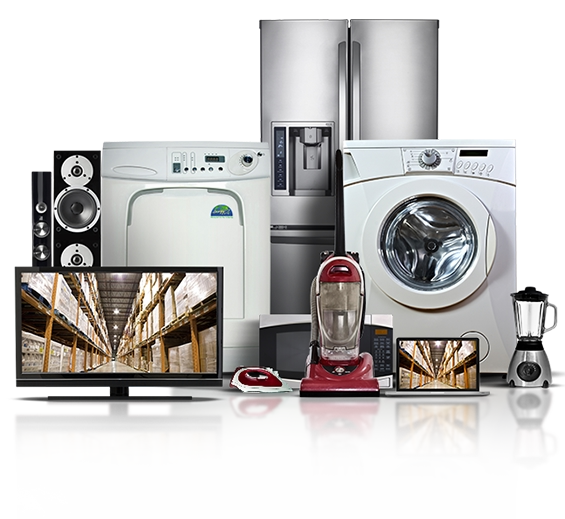
The consumer electronics department covers devices and accessories people use at home, at work and on the move. It runs from small, fast-moving items such as cables and batteries to large appliances, TVs and networking equipment, and serves importers, distributors, mobile shops, electrical retailers, online sellers and corporate buyers.
Electronics face safety and electromagnetic compatibility rules in most markets. CE and UKCA marking, FCC authorization for the United States, and RoHS restrictions on hazardous substances are widely required, with IEC 62368-1 the common safety standard for audio-visual and IT equipment. Lithium batteries need UN 38.3 test summaries for transport. Plug types and supply voltages, 230 V or 110-120 V, must suit the destination market.
Supply comes from manufacturers, OEM and ODM factories offering private label, authorized distributors and stock traders. Buyers compare specifications, warranty terms, spare-parts support and packaging languages before ordering, and usually test samples before committing to volume.
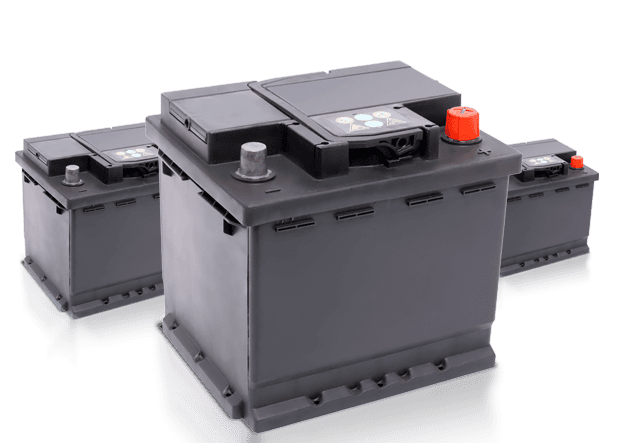
Portable Power: Batteries, Chargers and Power BanksThe batteries and chargers category supplies the portable power behind phones, laptops, cameras, tools, toys and remote controls. Buyers range from supermarkets and convenience stores stocking AA cells to phone shops, tool distributors and electronics retailers carrying chargers and power banks.Product typesAlkaline, rechargeable and button cell batteries: AA, AAA, C, D and 9 V cells, NiMH rechargeables, and coin cells such as CR2032.Consumer lithium and camera batteries: lithium primary cells and lithium-ion packs for cameras and devices.Battery chargers and universal chargers: smart chargers for NiMH cells and multi-format lithium-ion chargers.Laptop, car, fast and multi-port chargers: USB-C PD and GaN wall chargers, 12 V car chargers and laptop power adapters.Power banks and solar chargers: lithium-ion and lithium-polymer packs, some with fold-out solar panels.Power tool chargers, battery testers and maintenance parts: tool-pack chargers, testers, holders and terminals.Safety and shippingLithium products are classed as dangerous goods in transport and need UN 38.3 test summaries and correct packing. Chargers need electrical safety and EMC certification, such as CE, UKCA or FCC, and lithium cells and packs are commonly tested to IEC 62133. Many markets also run battery take-back and labeling schemes, so look into the obligations that come with importing batteries where you sell.How buyers chooseCompare real capacity against the rated figure, cycle life for rechargeables and shelf life for alkaline cells. For chargers, check output wattage, the fast-charging protocols supported and protection against overcharging, overheating and short circuits.
Featured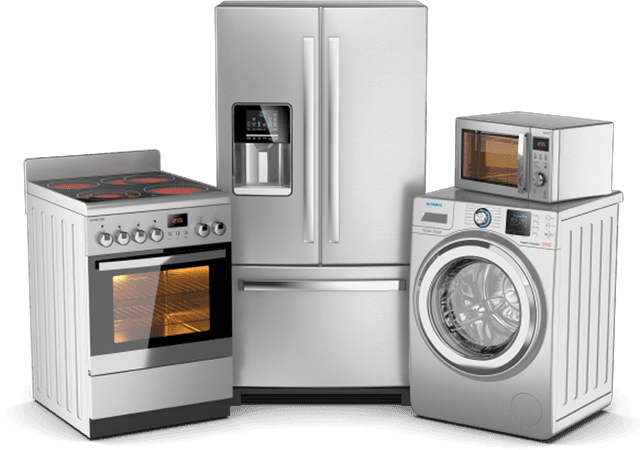
Household Appliances for Retail and Project SupplyHome appliances cover the electrical and gas equipment used to cook, clean, cool and heat a home. Buyers include electrical retailers, kitchen and furniture stores, hotel and property developers, distributors and online sellers, with orders running from small appliances by the carton to white goods by the container.Main groupsSmall kitchen appliances: kettles, toasters, coffee machines, blenders and juicers, air fryers, rice cookers, stand mixers and food processors.Cooking: microwaves, gas cookers, induction cookers and cooker hoods.Refrigeration: refrigerators and freezers in chest, upright and built-in formats.Laundry and cleaning: washing machines, dishwashers, vacuum cleaners and electric irons.Climate and air: air conditioners, fans, electric heaters, air purifiers and humidifiers.Water: water dispensers for homes and offices.Choosing products for a marketVoltage and frequency, 220-240 V at 50 Hz or 110-120 V at 60 Hz, plug type and gas type must match the destination. Energy labeling schemes and minimum efficiency rules apply to refrigeration, laundry and air conditioning in many countries. Safety follows the IEC 60335 series, and markets require CE, UKCA, UL, SASO or other conformity marks. Lower-impact refrigerants such as R600a and R32 are increasingly specified.Supply and logisticsOEM and ODM factories produce much of the private-label appliance range sold worldwide. Large items are quoted per 20 ft or 40 ft container load, so buyers plan mixed containers carefully and ask for spare parts to ship with the first order.
Featured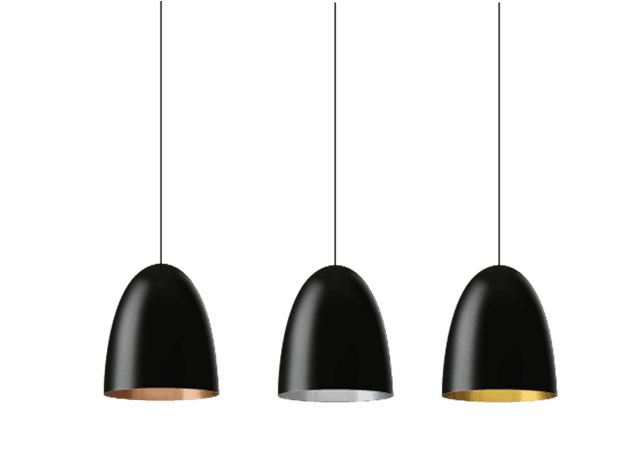
Lighting Wholesale: Bulbs, Fixtures and Decorative LampsLights and lamps cover lighting for homes, commercial premises, outdoor spaces and portable use. LED technology now dominates almost every type, and buyers include electrical wholesalers, lighting showrooms, hardware chains, contractors, hotels and online sellers.Product groupsLight bulbs and smart bulbs: LED replacements with E27, E14, B22 and GU10 bases, with Wi-Fi or Zigbee smart versions.Ceiling, pendant and wall lights, and chandeliers: fixed fittings for homes, hotels and commercial interiors.Table, desk and floor lamps: portable lamps for task and ambient lighting.Floodlights and solar garden lights: outdoor LED floodlights rated by IP code, and solar path and wall lights.LED strips, fairy lights and decorative lights: flexible strips plus seasonal and festive lighting.Emergency lamps, rechargeable lamps, flashlights and torches: battery backup lighting, lanterns and handheld torches.Night lights, selfie lights and ring lights: plug-in night lights and lights for video and content creation.Specifications buyers compareLight output in lumens, efficacy in lumens per watt, color temperature in kelvin and color rendering index (CRI) are the main measures. Outdoor products need an IP rating such as IP65, and fittings need CE, UKCA or UL marks depending on the market. Check whether lamps are dimmable and which driver is used, since poor drivers cause flicker and early failure.Order structureBulbs ship in large carton quantities, while fixtures come individually boxed. Many factories offer OEM and private label, with energy labels printed to the destination market's rules.
Featured
Handsets, Parts and Mobile Accessories for the TradeThis category brings together the devices themselves and the long tail of products that keep them charged, protected and repaired. It serves phone shops, electronics chains, network operators, repair centers, supermarkets with accessory aisles, online sellers and corporate procurement teams.What the category coversHandsets: new smartphones, simple feature phones and graded refurbished phones.Power: wall chargers, wireless chargers, cables and replacement batteries.Protection: cases and covers, tempered glass and film screen protectors, and cleaning kits.Repair parts: LCD and OLED screen assemblies, SIM card trays, charging ports, cameras and other spare parts.Add-ons: stands, holders and mounts, gimbals, clip-on lens kits and cooling fans for mobile gaming.Wearables and radios: smart watches paired with phones, and two-way radios for teams on site.How buyers choose between product linesAccessory buyers work from the model mix of phones in their market, since a case, protector or screen only sells if it fits the handset customers already own. Fast-moving lines such as cables and chargers are judged on safety certification and failure rates, while repair parts are judged on fit, display quality and whether they are original pulls or aftermarket copies. Handset buyers weigh network band support, warranty terms and the regional version of the device.Who supplies the tradeSupply comes from contract manufacturers and accessory factories, authorized distributors of handsets, refurbishers that grade and test returned devices, and parts specialists that serve repair shops. Electrical accessories usually need certification such as CE, FCC or UKCA depending on the market, and lithium batteries have specific shipping rules, so check the import rules and certification required in your market.
FeaturedWhen comparing consumer electronics suppliers, ask for test reports and certificates from recognized laboratories, not only a mark on the box. Confirm the plug type, voltage and frequency for your market, the warranty and how faulty units are handled, and whether manuals and packaging are in the right language. For private label, check firmware support and the MOQ for custom branding.
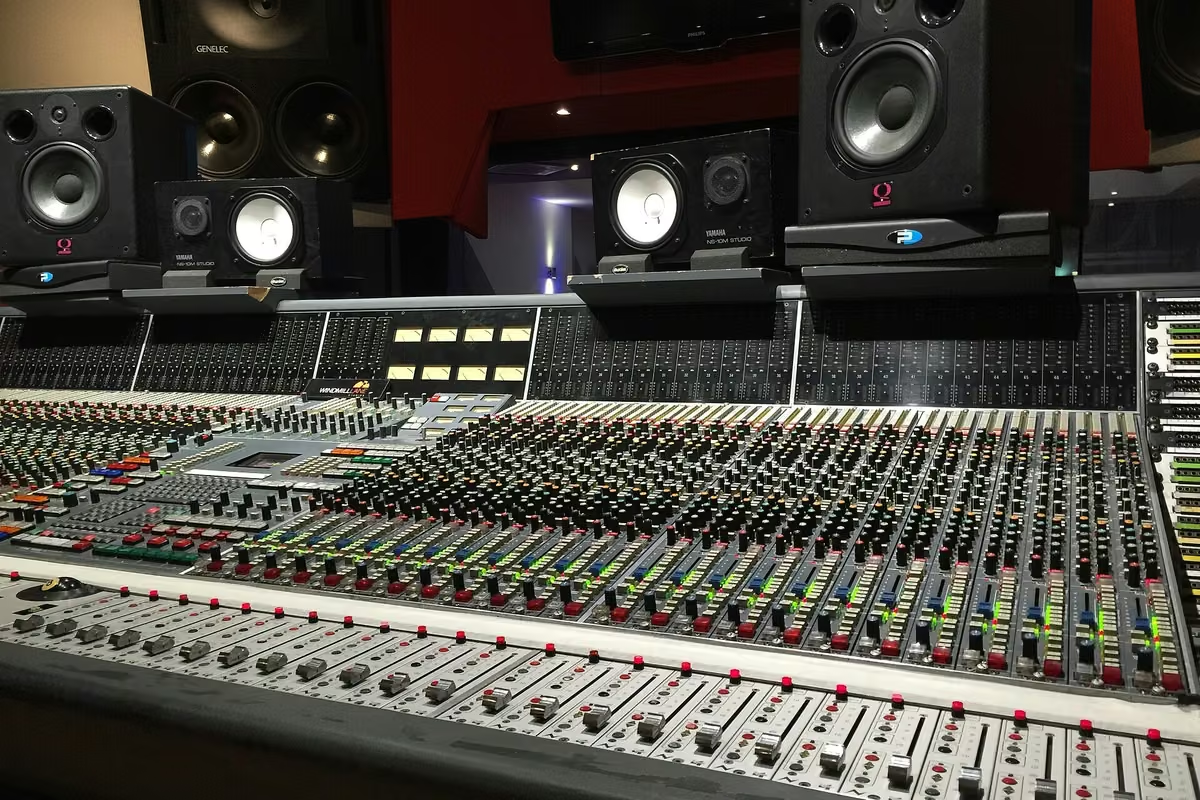
Sourcing Audio and Video Gear for Retail, Rental and InstallationThis category spans equipment that captures, processes and reproduces sound and pictures, from a kitchen radio to a broadcast vision mixer. Buyers range from electronics chains and music shops to AV integrators, rental houses, schools, churches and production studios, and each group orders very different products.Product Types in the CategoryDigital radios for DAB, DAB+ and internet reception, sold mainly through consumer retail.Turntables and CD players for hi-fi listeners and the revived physical-media market.DJ equipment: controllers, media players and DJ mixers for performers and venues.Video cameras, from handheld camcorders to PTZ and studio cameras.Mixing consoles and audio interfaces for live sound, recording and streaming.Public address and wireless microphones for speech, worship, conferencing and stage use.Studio headphones for monitoring, editing and broadcast.Projector screens and video switchers for presentation rooms and live production.Choosing Between Consumer and Professional LinesConsumer lines are judged on styling, packaging and price point, and they move in retail-ready cartons. Professional products are judged on connectivity (XLR, TRS, SDI, HDMI, Dante or AES67 networking), build quality, firmware support and spare-part availability. Integrators usually standardize on a few platforms so that systems can be serviced for years, so continuity of supply matters as much as unit price.Who Supplies the TradeMuch of the world's AV hardware is manufactured in China, with significant design and production also in Japan, Germany, the UK, the United States and Taiwan. Supply comes from contract manufacturers offering OEM and ODM programs, brand distributors holding regional stock, and specialist wholesalers that bundle cables, stands and cases. Electrical safety and radio approvals such as CE, UKCA, FCC and RoHS compliance are standard requests; check the import rules and certification required in your market, particularly for radio-frequency products.
Portable Power: Batteries, Chargers and Power BanksThe batteries and chargers category supplies the portable power behind phones, laptops, cameras, tools, toys and remote controls. Buyers range from supermarkets and convenience stores stocking AA cells to phone shops, tool distributors and electronics retailers carrying chargers and power banks.Product typesAlkaline, rechargeable and button cell batteries: AA, AAA, C, D and 9 V cells, NiMH rechargeables, and coin cells such as CR2032.Consumer lithium and camera batteries: lithium primary cells and lithium-ion packs for cameras and devices.Battery chargers and universal chargers: smart chargers for NiMH cells and multi-format lithium-ion chargers.Laptop, car, fast and multi-port chargers: USB-C PD and GaN wall chargers, 12 V car chargers and laptop power adapters.Power banks and solar chargers: lithium-ion and lithium-polymer packs, some with fold-out solar panels.Power tool chargers, battery testers and maintenance parts: tool-pack chargers, testers, holders and terminals.Safety and shippingLithium products are classed as dangerous goods in transport and need UN 38.3 test summaries and correct packing. Chargers need electrical safety and EMC certification, such as CE, UKCA or FCC, and lithium cells and packs are commonly tested to IEC 62133. Many markets also run battery take-back and labeling schemes, so look into the obligations that come with importing batteries where you sell.How buyers chooseCompare real capacity against the rated figure, cycle life for rechargeables and shelf life for alkaline cells. For chargers, check output wattage, the fast-charging protocols supported and protection against overcharging, overheating and short circuits.
Featured
Connectivity Cables and Adapters at Wholesale VolumesCables and adapters link devices to power, displays, networks and each other. They are fast-moving, low-unit-cost lines sold through electronics retailers, IT resellers, installers, phone shops and online marketplaces, where specification accuracy matters as much as price.Product typesUSB and Type-C cables: charging and data leads, rated by USB data speed and power delivery wattage.HDMI, DisplayPort and VGA cables: video leads graded by supported resolution and bandwidth.Ethernet cables and network adapters: Cat5e, Cat6 and Cat6a patch leads, USB Ethernet and Wi-Fi adapters.Audio and optical audio cables: 3.5 mm jack, RCA, XLR and TOSLINK leads.Power cords and extension cables: IEC leads and extension reels built to national plug standards.Adapters, USB hubs and card readers: converters, multi-port hubs and SD card readers.Video capture cards and cable organizers: HDMI capture devices for streaming, plus clips, ties and trunking to tidy cable runs.Choosing between themBuyers choose by the standard a cable must support: HDMI 2.1 for 4K at 120 Hz, USB 3.2 or USB4 for fast data, Cat5e or Cat6 for gigabit networks and Cat6a for 10-gigabit runs. Conductor material matters too, as pure copper performs better than copper-clad aluminum, especially in Ethernet and power cords. Official certification schemes run by HDMI Licensing and USB-IF help confirm performance claims.Packing and orderingMost cables are sold in retail packaging or bulk polybags, in lengths from 0.5 m to 10 m and beyond. MOQs vary by length and color, and many factories offer custom branding and braided or flat finishes.
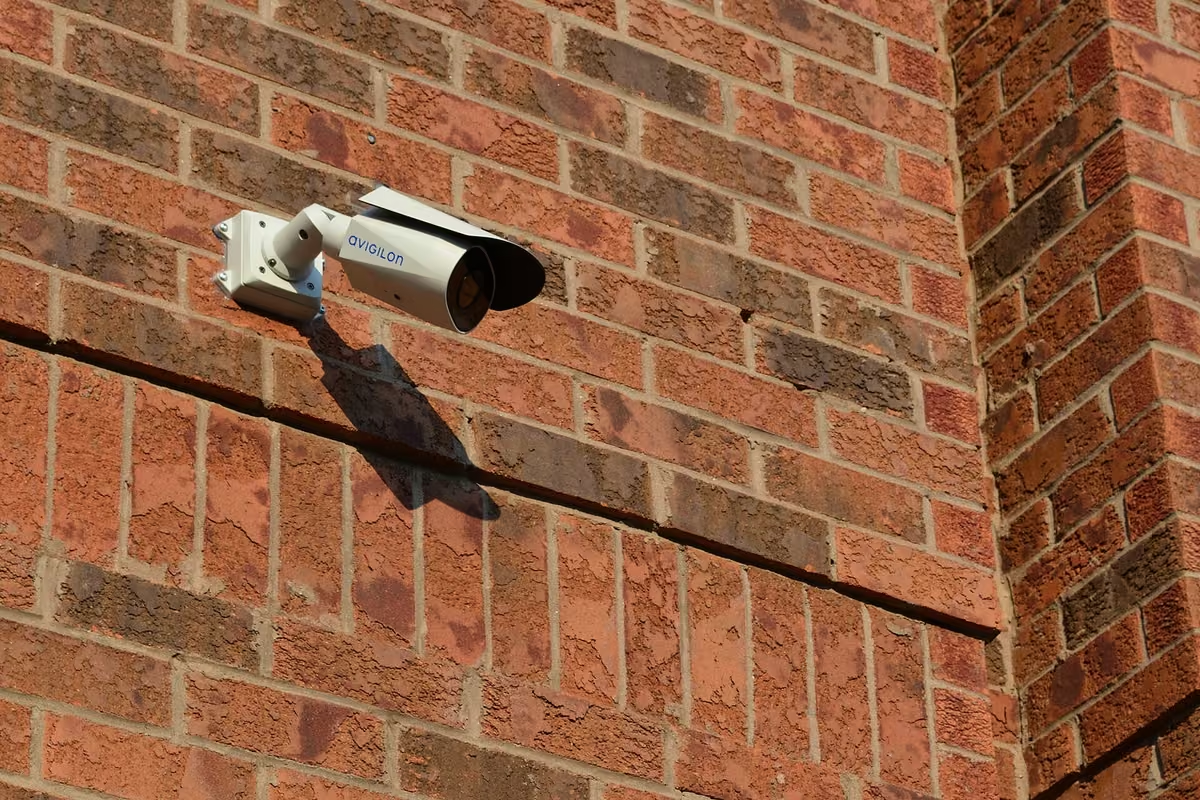
Cameras, Surveillance and Access ControlThis category brings together imaging and security products: surveillance cameras and recorders, access control and alarms, consumer cameras and drones, and the detectors that protect people and property. Buyers include security installers, electronics distributors, property developers, retail chains, camera shops and facilities managers.Main product groupsCCTV and IP cameras: analogue HD and network cameras for homes, shops and industrial sites.Network video recorders: record and manage footage from IP cameras.Video doorbells and intercom systems: door entry for houses and apartment blocks.Alarm systems and smoke detectors: intrusion and fire warning for homes and businesses.Electronic door locks and biometric access systems: keypad, card, fingerprint and face-recognition entry.Dash, action and digital cameras, with lenses and tripods: for drivers, sport and photography retail.Drones: camera-equipped aircraft for consumers, surveying and inspection.Baby monitors: audio and video monitors for nurseries.Metal detectors: walk-through and handheld security screening, plus hobby units.How buyers choose suppliersInstallers want products that work together, so ONVIF compatibility between cameras and recorders, app support and firmware security updates weigh heavily. Retail buyers compare packaging, ease of setup and certification. Life-safety products such as smoke detectors must be certified to the standard in force where they are sold, such as EN 14604 in Europe or UL 217 in North America.Who supplies the tradeSurveillance factories, access control makers, camera and drone manufacturers, and distributors that bundle kits for installers all sell here. Data protection and drone rules vary by country, so check the import rules and certification required in your market.
Home Cleaning and Laundry Equipment in One CategoryThis category groups the appliances that wash, dry and press clothes and the machines that clean floors, windows, carpets and outdoor surfaces. Buyers are appliance retailers, online marketplaces, hotel and rental property suppliers, and distributors serving electrical shops.Laundry ProductsTumble dryers: vented, condenser and heat pump designs for drying full wash loads.Washer dryers: one drum that washes and dries, for homes without space for two machines.Spin dryers: compact units that extract water at high speed without heat.Garment steamers: handheld and upright steamers that remove creases from hanging clothes.Ironing boards: folding boards with steel or mesh tops and iron rests.Floor and Surface CareRobot vacuums: autonomous cleaners with mapping, docks and mopping options.Handheld vacuums: cordless units for cars, stairs and quick spills.Carpet cleaners: spray-and-extract machines for carpets and upholstery.Floor polishers: rotating pad machines for hard floors.Window cleaning robots: suction-held robots for glass.Home pressure washers: electric units for patios, cars and garden furniture.Choosing Products and SuppliersLarge white goods such as dryers and washer dryers come mainly from specialist factories with their own test laboratories, and buyers compare energy labels, capacity in kilograms and noise. Smaller floor care and garment care items come from small appliance makers who handle private label work and mixed orders. In both cases, ask for the IEC 60335 test reports, energy or efficiency documents required in your market, spare parts arrangements and container loading figures before comparing quotes. Cordless products also need lithium battery test summaries before they can be shipped.
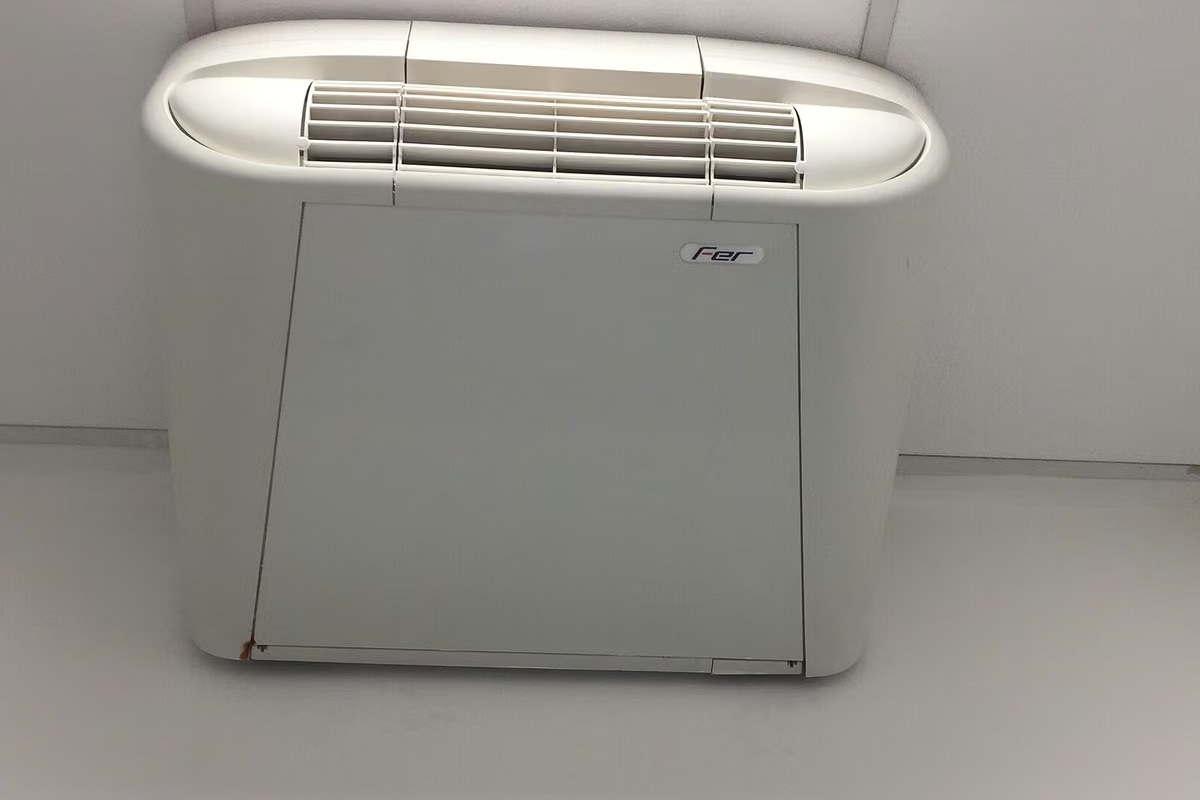
Cooling, Heating and Air Treatment ProductsThis category covers the appliances that keep homes and small businesses comfortable: equipment that cools, heats, moves or dries the air. Demand is strongly seasonal and varies with climate, so importers in hot regions buy cooling ranges ahead of summer while buyers in cooler markets stock heating before winter.CoolingSplit air conditioners: wall-mounted indoor units linked to an outdoor compressor.Portable air conditioners: movable units that vent hot air through a window hose.Air coolers: evaporative units that cool by passing air over wet pads.Water chillers: appliances that chill and dispense drinking water.Air Movement and HeatingCeiling, standing and rechargeable fans: from basic mains fans to battery models used where power cuts are common.Extractor fans: ventilation for bathrooms and kitchens.Room heaters and oil heaters: fan, convector, ceramic, halogen and oil-filled radiators.Residential heat pumps: efficient systems that heat and, in many cases, cool homes.Dehumidifiers: remove moisture to control damp and mold.How Buyers ChooseCooling and heating capacity (BTU per hour or kW), energy efficiency ratings, refrigerant type, noise and voltage drive most comparisons. Air conditioners and heat pumps come from compressor-based factories, often with installer networks in mind, while fans and heaters come from small appliance makers that welcome private label orders. Check the import rules and certification required in your market, as energy labeling and refrigerant regulations differ widely. Buyers serving areas with unstable power supply often favor rechargeable fans, low-voltage start air conditioners and appliances with wide voltage tolerance. Spare parts, installation support and warranty service arrangements weigh heavily for the larger systems.

Storage and Desk Accessories for Computer UsersThis category brings together the items that sit around a laptop or desktop: portable and network storage, connection hubs, ergonomic stands and arms, audio, input devices and care products. Office suppliers, electronics retailers, corporate IT buyers, schools and promotional product companies all buy from it.Main Product TypesUSB flash drives: portable storage in retail and custom-printed promotional versions.Memory cards: SD and microSD for cameras, phones, drones and dashcams.Network attached storage: multi-bay boxes for shared files and backup in homes and offices.Optical drives: internal and external DVD and Blu-ray writers for archiving and media.Docking stations: USB-C and Thunderbolt docks that turn a laptop into a desk setup.Laptop stands, monitor arms and cooling pads: ergonomic and thermal accessories.Computer speakers, graphics tablets and presentation remotes: audio, drawing and presenting.Laptop locks and screen cleaning kits: security and care items.How Buyers ChooseStorage is chosen on genuine capacity, speed class and memory type, where counterfeit and re-labeled products are a known risk. Connectivity accessories depend on matching the right ports and standards, while ergonomic products sell on adjustability, load rating and build materials. Many buyers prefer suppliers that can cover several lines in one consolidated shipment.Who Supplies the TradeThe category is served by storage specialists working with memory chip makers, electronics factories that build docks and speakers, metal and plastics workshops producing stands and arms, and trading companies that assemble mixed accessory orders. Most electrical items need EMC and safety marks, so check the import rules and certification required in your market.
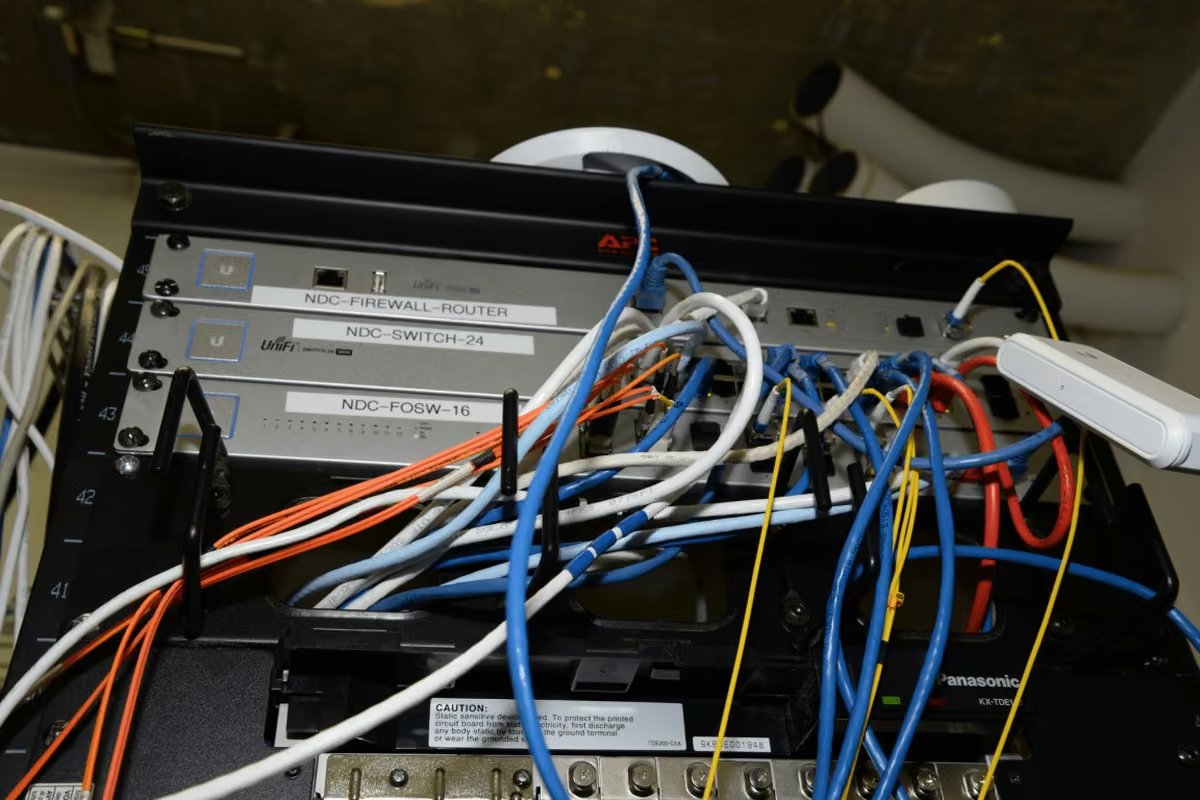
Networking Hardware from Home Wi-Fi to the Server RoomThis category covers the equipment that moves data between devices, buildings and the internet. It runs from consumer routers sold in electronics shops to managed switches, firewalls and servers installed by IT integrators in offices, hotels, schools and data centers.Product Types in the CategoryWireless routers: the home and small-office gateway, combining routing, Wi-Fi and a small switch.Network switches: unmanaged, smart and managed models, with or without PoE.Access points: ceiling or wall Wi-Fi radios managed centrally for larger sites.Modems: DSL, cable, fiber ONT and 4G/5G units that connect to the provider.Network cards: wired and wireless adapters for PCs and servers.Wi-Fi extenders, mesh units, powerline adapters and mobile hotspots: coverage and connectivity add-ons.Server racks, patch panels and fiber media converters: the physical infrastructure.Firewalls and network servers: security and computing at the core.How Buyers ChooseRetail buyers focus on Wi-Fi standard, ease of setup and packaging, while integrators look at management features, VLAN support, PoE budget, rack density and warranty. Matching port speeds (1G, 2.5G, 10G) and standards across the network avoids bottlenecks, so many projects are sourced as a bundle.Who Supplies the TradeSupply comes from original design manufacturers that build white-label routers and switches, branded vendors' authorized distributors, rack and cabling specialists, and system builders who assemble servers. Radio products need approvals in each market, so check the import rules and certification required in your market, along with firmware support periods and security update commitments.
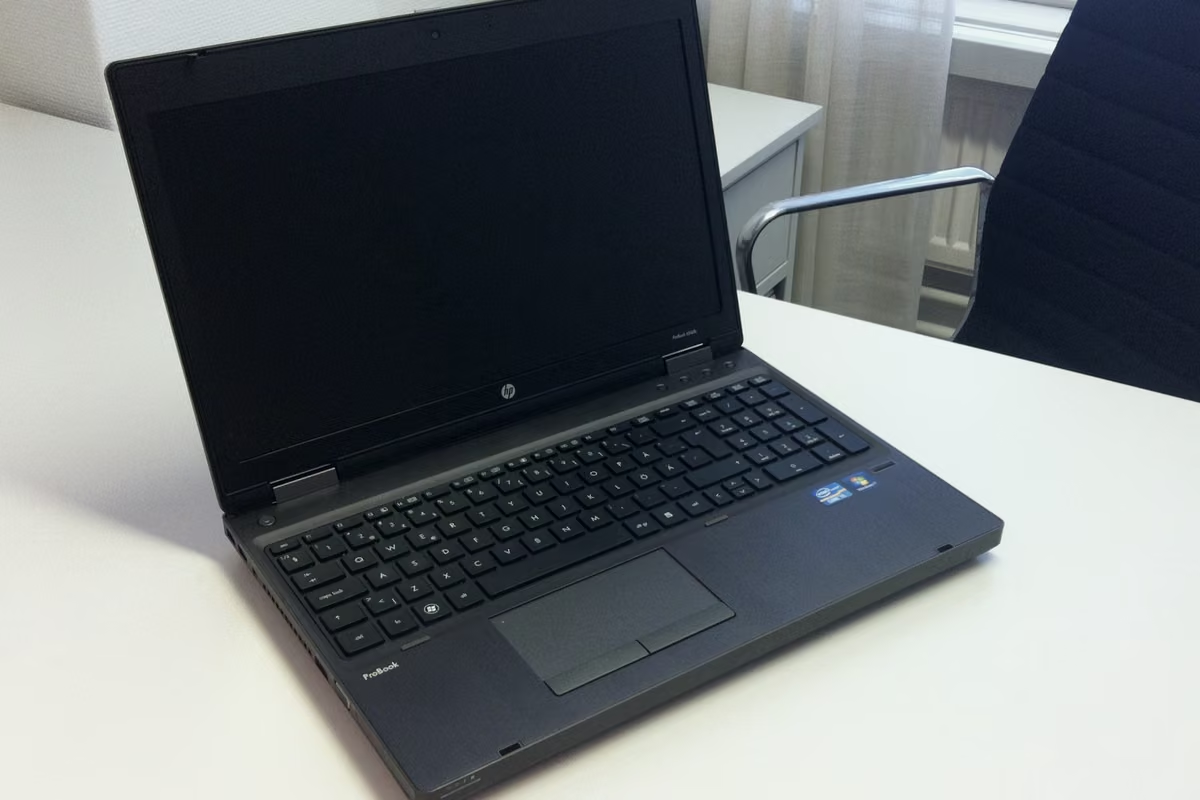
PCs, Notebooks, Peripherals and ComponentsThis category spans complete systems, the screens and input devices around them, and the parts inside. It serves computer shops, system builders, IT resellers and integrators, schools and universities, government and corporate procurement, repair shops and online retailers.Main product groupsComplete systems: laptops, gaming laptops, desktop computers, all-in-one PCs, mini PCs and tablets, new or refurbished.Displays and peripherals: monitors, keyboards and mice, and webcams for home and hybrid working.Storage: solid state drives, hard disk drives and external hard drives for backup and expansion.Core components: processors, motherboards, memory, graphics cards and computer cases for system builders.Repair and upgrade parts: laptop batteries and laptop screens matched by model.How buyers chooseCorporate and education buyers usually specify complete systems by processor generation, memory, storage, screen size, operating system license and warranty length, often standardizing on a few models for easier support. System builders and gaming retailers buy components and must check compatibility: processor socket and chipset, memory type such as DDR4 or DDR5, power supply capacity and case size. Repairers source parts by exact model number, since batteries and screens that look alike often differ in connector or mounting points.Who supplies the tradeSupply runs through authorized distributors of brand-name hardware, contract manufacturers making own-brand laptops and mini PCs, component distributors, and refurbishers that grade ex-lease business machines. Branded stock carries regional warranties, so confirm where service is available. Electrical equipment needs safety and EMC compliance, and lithium batteries have shipping rules, so check the import rules and certification required in your market.
Ways to Buy Consumer Electronics in VolumeThis category groups the trade channels around consumer electronics rather than a single product. It covers stock sold outside the normal new-in-box route, products made to a buyer's own brand, and the parts and tools that keep devices working. Buyers include independent retailers, online sellers, repair shops, exporters to emerging markets, corporate gift companies and recyclers.What the Category CoversRefurbished electronics: tested and restored devices sold with a stated grade.Private label electronics: products built by factories under the buyer's brand.Electronics spare parts: screens, batteries, boards and components for repair.Electronics bulk lots: mixed or uniform pallets of devices sold as one lot.Promotional electronics: logo-printed gadgets for marketing and gifts.Electronics repair tools: soldering, diagnostic and opening tools for technicians.Liquidated and open-box electronics: retail returns, overstock and end-of-line goods.How Buyers Choose a ChannelThe choice depends on margin, risk and the buyer's ability to test and service goods. Refurbished and open-box stock offer lower cost with a grading system to manage expectation. Liquidation and bulk lots are cheaper again but carry more uncertainty, so manifests matter. Private label suits buyers building their own brand and willing to commit to minimum orders and certification.Who Serves the TradeSuppliers include certified refurbishers, returns processors working for retailers, surplus traders, contract manufacturers, parts distributors and tool makers. Hubs for this trade include China, Hong Kong, the United States, the UK, the Netherlands and the UAE. Used and refurbished electronics can face extra rules on import, so check the import rules and certification required in your market, including WEEE and battery shipping requirements.
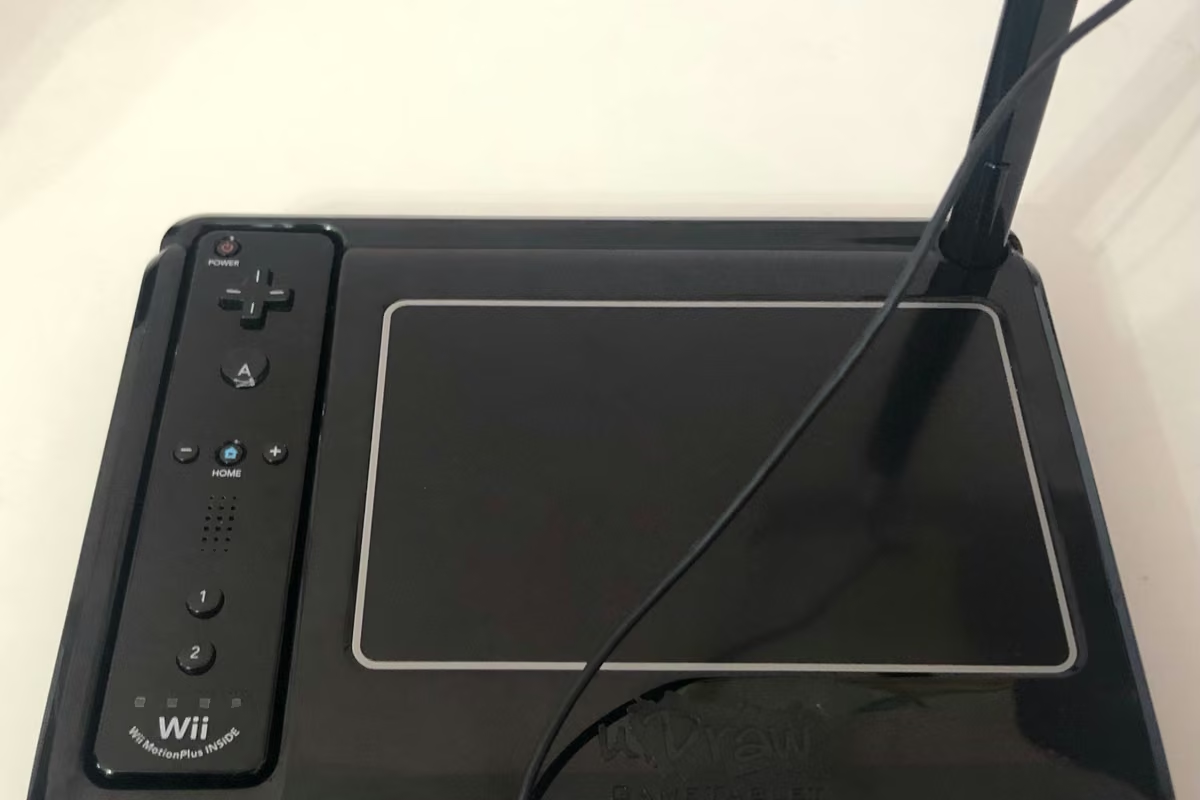
Games Hardware, Peripherals and Home EntertainmentThis category brings together the hardware people play and watch on, and the equipment around it. Customers range from game shops, electronics chains and online sellers to internet cafés, esports venues, family entertainment centers and promotional buyers. Brand licensing, regional versions and seasonal demand around holidays shape much of the trade.Product Types in the CategoryGame Consoles: home machines that connect to a TV, sold through authorized distribution.Handheld Game Consoles: portable devices, from branded systems to retro emulation handhelds.Game Controllers: wired and wireless gamepads, arcade sticks and racing wheels.Gaming Keyboards and Gaming Mice: mechanical switches, high polling rates and adjustable sensors.Mouse Pads: cloth, hard and extended desk mats, often custom printed.Gaming Chairs: racing-style and ergonomic seats with adjustable armrests and recline.VR Headsets: standalone and PC-tethered virtual reality.Arcade Machines: cabinets, claw machines and multi-game units for venues and homes.Media Players: streaming boxes and sticks for TVs.Gaming Accessories: headsets, charging docks, cases, cooling stands and cables.How Buyers SourceBranded consoles and their licensed accessories move through authorized distributors, with regional variants differing in power, language and online services. Unbranded peripherals, chairs, mouse pads and accessories come from OEM factories that offer private label, custom colors and printed packaging with modest minimums. Arcade machines come from specialist cabinet builders who quote by game type and cabinet size. Buyers check platform compatibility, licensing status, radio and electrical approvals, and packaging fit for e-commerce.
Household Appliances for Retail and Project SupplyHome appliances cover the electrical and gas equipment used to cook, clean, cool and heat a home. Buyers include electrical retailers, kitchen and furniture stores, hotel and property developers, distributors and online sellers, with orders running from small appliances by the carton to white goods by the container.Main groupsSmall kitchen appliances: kettles, toasters, coffee machines, blenders and juicers, air fryers, rice cookers, stand mixers and food processors.Cooking: microwaves, gas cookers, induction cookers and cooker hoods.Refrigeration: refrigerators and freezers in chest, upright and built-in formats.Laundry and cleaning: washing machines, dishwashers, vacuum cleaners and electric irons.Climate and air: air conditioners, fans, electric heaters, air purifiers and humidifiers.Water: water dispensers for homes and offices.Choosing products for a marketVoltage and frequency, 220-240 V at 50 Hz or 110-120 V at 60 Hz, plug type and gas type must match the destination. Energy labeling schemes and minimum efficiency rules apply to refrigeration, laundry and air conditioning in many countries. Safety follows the IEC 60335 series, and markets require CE, UKCA, UL, SASO or other conformity marks. Lower-impact refrigerants such as R600a and R32 are increasingly specified.Supply and logisticsOEM and ODM factories produce much of the private-label appliance range sold worldwide. Large items are quoted per 20 ft or 40 ft container load, so buyers plan mixed containers carefully and ask for spare parts to ship with the first order.
FeaturedCooking and Countertop Appliances for the HomeThis category brings together the electric appliances used to cook and prepare food at home, from built-in cooking equipment fitted by kitchen installers to countertop machines sold in retail boxes. Buyers include appliance retailers, supermarkets, kitchen studios, property developers, hotel apartment suppliers and private-label brands.Product typesElectric cooktops and built-in ovens: fitted appliances sold through kitchen studios and developers, built to cut-out dimensions.Deep fryers and electric grills: oil fryers and contact or open grills for home cooking.Slow cookers, pressure cookers and food steamers: pot-style appliances for stews, rice, grains and vegetables.Sandwich makers, popcorn makers and egg boilers: low-cost, single-task items popular as gifts and promotions.Bread makers and soy milk makers: programmable machines for bakery and plant-milk preparation.Hand blenders and ice makers: stick blenders for blending and puréeing, and countertop machines producing ice cubes.How buyers build a rangeRetailers usually stock good, better and best versions of each type, differing in capacity, wattage, materials and controls. Built-in buyers start from the kitchen design and need fixed dimensions, energy labels and installation guides. Food-contact parts such as non-stick coatings, pots and seals must meet food-contact rules, and each appliance needs electrical safety approval under the IEC 60335 series or its local equivalent.Who supplies itProduction of small appliances is concentrated in southern China, with built-in cooking also made in Turkey, Europe and elsewhere in Asia. Factories offer OEM and ODM programs with tooling, color and packaging options, while distributors hold branded stock for smaller orders. Check plug, voltage and certification requirements for your market before ordering.
Lighting Wholesale: Bulbs, Fixtures and Decorative LampsLights and lamps cover lighting for homes, commercial premises, outdoor spaces and portable use. LED technology now dominates almost every type, and buyers include electrical wholesalers, lighting showrooms, hardware chains, contractors, hotels and online sellers.Product groupsLight bulbs and smart bulbs: LED replacements with E27, E14, B22 and GU10 bases, with Wi-Fi or Zigbee smart versions.Ceiling, pendant and wall lights, and chandeliers: fixed fittings for homes, hotels and commercial interiors.Table, desk and floor lamps: portable lamps for task and ambient lighting.Floodlights and solar garden lights: outdoor LED floodlights rated by IP code, and solar path and wall lights.LED strips, fairy lights and decorative lights: flexible strips plus seasonal and festive lighting.Emergency lamps, rechargeable lamps, flashlights and torches: battery backup lighting, lanterns and handheld torches.Night lights, selfie lights and ring lights: plug-in night lights and lights for video and content creation.Specifications buyers compareLight output in lumens, efficacy in lumens per watt, color temperature in kelvin and color rendering index (CRI) are the main measures. Outdoor products need an IP rating such as IP65, and fittings need CE, UKCA or UL marks depending on the market. Check whether lamps are dimmable and which driver is used, since poor drivers cause flicker and early failure.Order structureBulbs ship in large carton quantities, while fixtures come individually boxed. Many factories offer OEM and private label, with energy labels printed to the destination market's rules.
FeaturedMachines and Supplies That Keep Offices and Shops RunningOffice equipment covers the devices businesses use to print, copy, scan, file, present and take payment, along with the consumables those devices use every day. Office supply dealers, IT resellers, retail fit-out companies, schools and government purchasers are the main buyers.The Main Product GroupsPrinting and copying: laser and inkjet printers, multifunction photocopiers, label printers and receipt printers.Document handling: document scanners, paper shredders, laminators, binding machines and paper cutters for finishing and disposing of paperwork.Retail and checkout: point of sale terminals, barcode scanners, receipt printers and cash counting machines.Workplace and classroom: projectors, interactive whiteboards, time attendance machines, calculators and fax machines.Consumables: toner and ink cartridges, both original and compatible or remanufactured.How Buyers ChooseDuty cycle matters more than headline speed for most machines: a shredder, copier or printer rated for light use will fail quickly in a busy office. Running cost is the next question, especially for printers and copiers, where toner or ink drives the total cost over the machine's life. Retail buyers look at compatibility, checking that scanners, receipt printers and cash drawers work with their point of sale software. Mains voltage and plug type must match the destination country, and buyers should check the electrical safety and electromagnetic compatibility certification required in their market, such as CE marking in Europe or a UL safety listing in North America.Who Supplies the TradeThe category is served by original equipment manufacturers, authorized distributors, contract factories offering own-brand machines, and specialist makers of compatible consumables. China makes a large share of these devices and their consumables, while Japan has long been strong in printing and copying technology and Taiwan in POS and barcode hardware.
Grooming, Styling and Beauty AppliancesPersonal care electronics covers the small powered devices people use on hair, skin, teeth and nails, plus bathroom scales. The category sells through pharmacies, supermarkets, department stores, salon suppliers, barbers' wholesalers, hotel suppliers and online retailers, and much of the volume is made by OEM factories for private labels.Product types in this categoryHair dryers: handheld styling dryers for homes, hotels and salons.Hair straighteners and curlers: heated plates, barrels and wands for styling.Electric shavers, beard trimmers and hair clippers: men's grooming and barbering tools, corded and cordless.Electric toothbrushes: rotating and sonic brushes with replacement heads.Epilators and facial cleansing devices: hair removal and skincare gadgets.Massagers: handheld, percussion and cushion types.Body scales and nail care devices: bathroom scales, manicure drills and nail lamps.How buyers chooseRetail buyers usually build a range across price points within one type, then decide between branded stock and private label. Salon and barber buyers favor professional motors, longer cords and serviceable parts. Hotels want wall-mounted dryers and durable units. Plug type, voltage and battery chemistry must suit the destination market, and products with skin contact or blades often need extra testing.Who supplies the tradeMost production is in China, with significant manufacturing also in other parts of Asia and in Europe. Suppliers range from large OEM and ODM factories offering molds and design services to trading companies and regional distributors holding stock. Expect electrical safety and EMC documentation such as CE, UKCA, UL or the local equivalent, and check the certification required in your market. Many factories specialize in one family, such as hair styling or shaving, and buyers often source each family separately.
Handsets, Parts and Mobile Accessories for the TradeThis category brings together the devices themselves and the long tail of products that keep them charged, protected and repaired. It serves phone shops, electronics chains, network operators, repair centers, supermarkets with accessory aisles, online sellers and corporate procurement teams.What the category coversHandsets: new smartphones, simple feature phones and graded refurbished phones.Power: wall chargers, wireless chargers, cables and replacement batteries.Protection: cases and covers, tempered glass and film screen protectors, and cleaning kits.Repair parts: LCD and OLED screen assemblies, SIM card trays, charging ports, cameras and other spare parts.Add-ons: stands, holders and mounts, gimbals, clip-on lens kits and cooling fans for mobile gaming.Wearables and radios: smart watches paired with phones, and two-way radios for teams on site.How buyers choose between product linesAccessory buyers work from the model mix of phones in their market, since a case, protector or screen only sells if it fits the handset customers already own. Fast-moving lines such as cables and chargers are judged on safety certification and failure rates, while repair parts are judged on fit, display quality and whether they are original pulls or aftermarket copies. Handset buyers weigh network band support, warranty terms and the regional version of the device.Who supplies the tradeSupply comes from contract manufacturers and accessory factories, authorized distributors of handsets, refurbishers that grade and test returned devices, and parts specialists that serve repair shops. Electrical accessories usually need certification such as CE, FCC or UKCA depending on the market, and lithium batteries have specific shipping rules, so check the import rules and certification required in your market.
Featured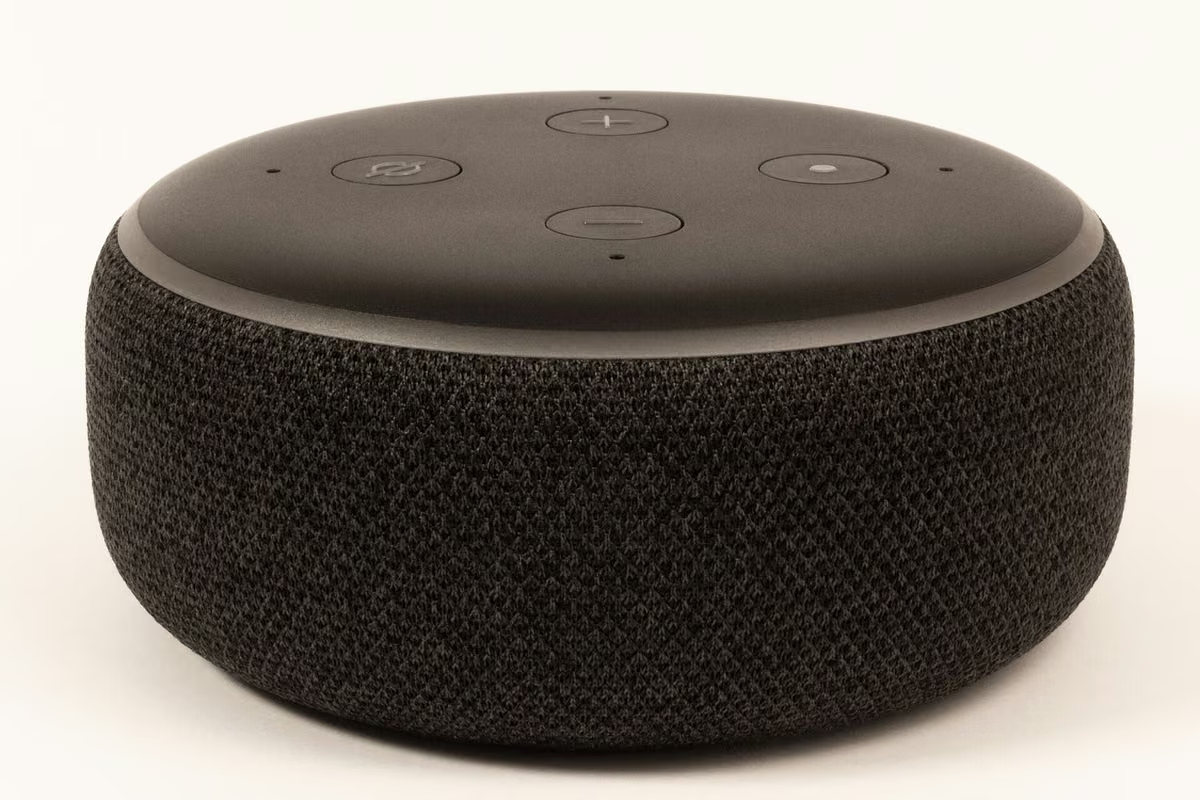
Connected Home Devices and Wearable TechnologyThis category covers products that connect to a phone, a voice assistant or a hub so people can control, automate and measure things around them. It splits into two families: devices installed around the home, and devices worn on the body. Electronics retailers, telecoms and energy companies, installers, property developers and private-label brands are the main buyers.Smart Home ProductsSmart Plugs and Smart Switches put existing lamps and appliances, or whole lighting circuits, under app and schedule control.Smart Lighting Kits combine color or tunable white bulbs and strips with a bridge or app.Smart Thermostats manage boilers, heat pumps and HVAC to schedules and occupancy.Smart Locks and Smart Garage Openers handle doors and gates remotely.Smart Sensors and Smart Curtain Motors detect motion, doors, leaks and temperature, and open blinds on cue.Smart Speakers and Home Automation Hubs tie the system together by voice or rules.WearablesFitness Trackers count steps, heart rate and sleep; Smart Rings do similar tracking in a ring form; Smart Glasses add audio, cameras or displays to eyewear.Choosing Products and SuppliersThe connectivity protocol decides what will work together: Wi-Fi, Bluetooth, Zigbee, Z-Wave, Thread and the Matter standard each have trade-offs in range, power and hub dependence. Buyers then weigh the app platform, cloud hosting and firmware support. Supply comes from module-based OEM factories offering white-label apps, from contract manufacturers for established brands, and from distributors of branded ecosystems. Radio approvals and data privacy rules apply in every market.
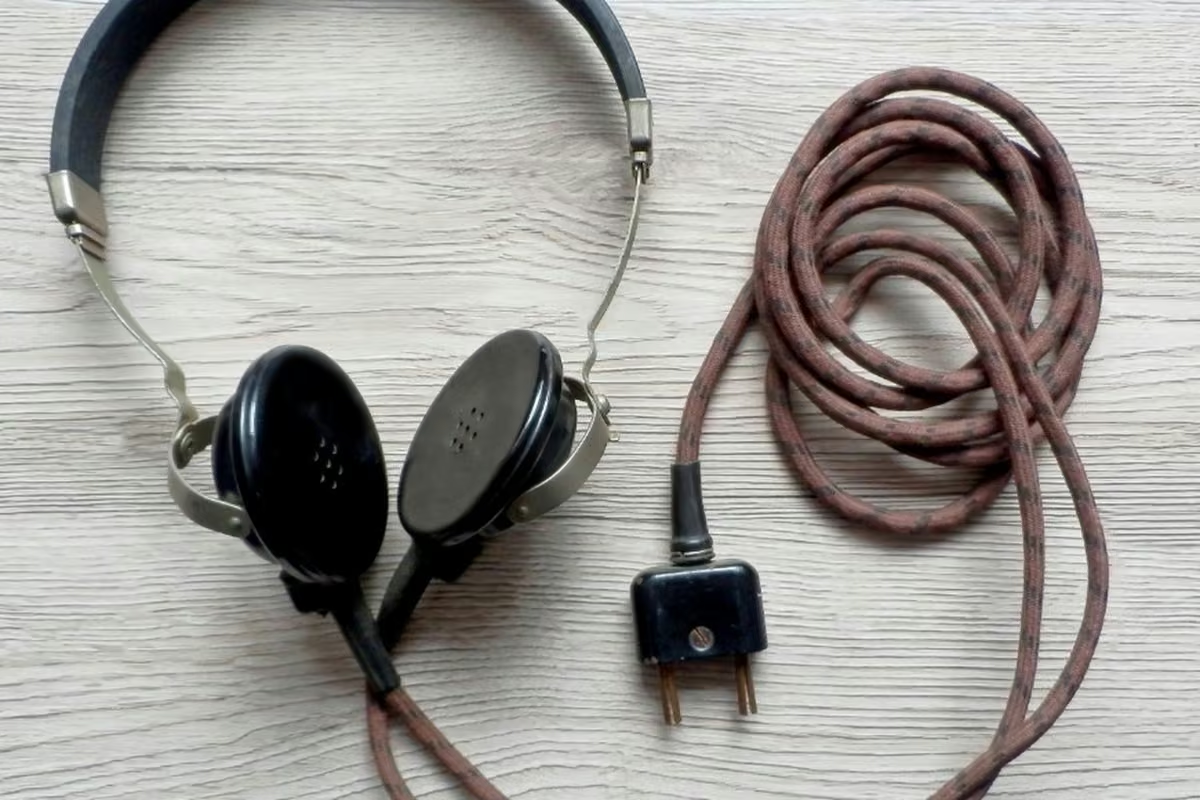
Audio Equipment from Earbuds to PA SystemsThis category covers everything that turns a signal into sound or captures it: personal listening devices, home audio, and the professional gear used on stages, in studios and in meeting rooms. It serves mobile accessory shops, electronics retailers, AV installers, event hire companies and corporate buyers, each with different expectations on price, durability and support.Personal AudioHeadphones and earphones: over-ear, on-ear and wired in-ear models, from budget to noise-canceling.Bluetooth earbuds: true wireless pairs with charging cases, a fast-moving line for phone shops and online sellers.Neckband earphones: wireless buds joined by a flexible collar, popular for sport and long battery life.Gaming headsets: closed headphones with a boom microphone, sold through gaming and PC channels.Home and Portable SoundBluetooth speakers: portable, often waterproof, from pocket size to party speakers with lights.Soundbars and home theater systems: TV audio upgrades, from a single bar to multi-speaker surround sets.Karaoke systems: speakers with microphones and echo effects for homes, bars and family entertainment.Professional AudioPA systems, amplifiers, microphones and studio monitors serve churches, schools, events and recording studios, while conference speakers handle hybrid meetings. Here buyers judge power handling in watts RMS, frequency response, connectivity such as XLR and networked audio, and build quality.How Buyers Choose SuppliersConsumer lines come mainly from large contract manufacturers offering private-label and OEM tooling, so Bluetooth version, battery life, codec support and certification for radio equipment and batteries are the main comparisons. Professional audio buyers lean towards specialist makers and distributors who can supply spares and technical support.

Televisions, Commercial Screens and AccessoriesThe TVs category covers finished television sets, professional displays and the parts and accessories that go with them. Buyers range from electronics retailers and distributors to hotel groups, advertising networks, installers and repair workshops, and each tends to buy from a different kind of supplier.Product types in this categorySmart TVs: internet-connected sets running an app platform.LED TVs: LCD panels with LED backlights, the volume segment of the market.OLED TVs: self-emissive panels with true blacks at the premium end.Commercial and digital signage displays: rated for long operating hours in shops, offices and transport hubs.Hospitality and outdoor TVs: hotel-mode sets and weatherproof screens for patios and terraces.TV panels: replacement and assembly panels for repairers and assemblers.TV boxes, satellite receivers and antennas: devices that bring content to the screen.Remote controls and TV stands, brackets and mounts: accessories sold alongside sets.How buyers chooseConsumer sets are compared on screen size, resolution (Full HD, 4K, 8K), panel type, refresh rate, HDR support and the smart platform. Professional buyers care more about brightness in nits, rated hours of daily operation, warranty for commercial use and control ports such as RS-232. Tuner standards matter too: DVB-T2, ATSC, ISDB-T and DVB-S2 vary by region, so sets must match the broadcast system in the market of sale.Who supplies the tradePanel makers, TV assembly plants, OEM factories that build sets for distributor brands, regional distributors and accessory specialists all sell here. Televisions ship by the container, with screens over 55 inches needing careful packing and insurance.
Manufacturers, OEM factories and distributors list phones, appliances, accessories and audio-visual products on Towobo, giving specifications, certifications, plug types, warranty terms and order quantities. Buyers can compare listings across categories and send quote requests to the suppliers that fit their market and volume.
Electronics makers and wholesalers, whether they build their own devices or distribute established ranges, can open a store on Towobo to present their product lines to importers, retailers and online sellers sourcing devices and accessories.
Key information for B2B buyers sourcing consumer electronics from global manufacturers.
Factory-direct orders typically start at 100–500 units. Wholesalers often accept 10–50 unit MOQs. Always confirm MOQ and price breaks in writing before placing a bulk order.
Request certificates relevant to your market: CE (EU), ISO 9001 (quality), RoHS (electronics), and UN38.3 (battery transport). Verify originals before payment.
Sample orders typically ship in 3–7 days. Production runs take 15–45 days depending on volume. Confirm Incoterms (FOB, CIF, EXW) and freight charges before signing.
Request physical samples before committing to bulk. Use Towobo's Payment Protection on all transactions. Compare at least 3 suppliers on price, lead time, and certifications.