
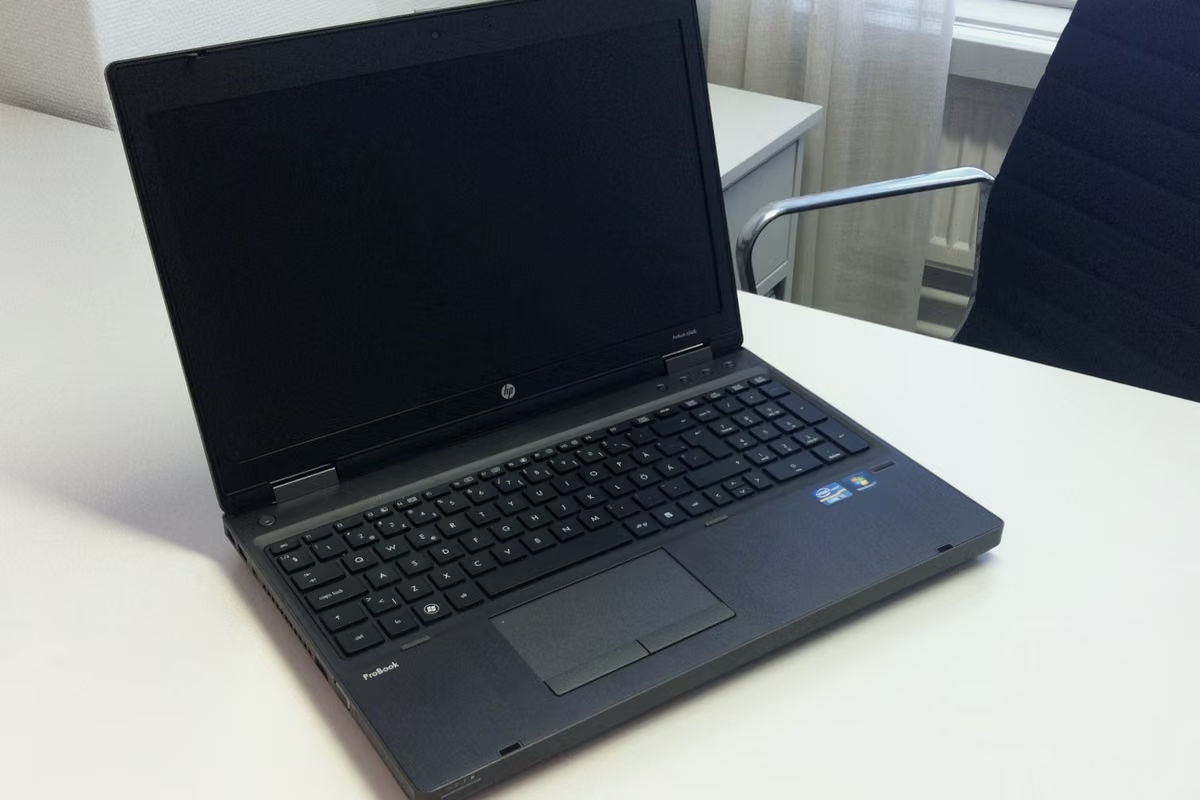
This category spans complete systems, the screens and input devices around them, and the parts inside. It serves computer shops, system builders, IT resellers and integrators, schools and universities, government and corporate procurement, repair shops and online retailers.
Corporate and education buyers usually specify complete systems by processor generation, memory, storage, screen size, operating system license and warranty length, often standardizing on a few models for easier support. System builders and gaming retailers buy components and must check compatibility: processor socket and chipset, memory type such as DDR4 or DDR5, power supply capacity and case size. Repairers source parts by exact model number, since batteries and screens that look alike often differ in connector or mounting points.
Supply runs through authorized distributors of brand-name hardware, contract manufacturers making own-brand laptops and mini PCs, component distributors, and refurbishers that grade ex-lease business machines. Branded stock carries regional warranties, so confirm where service is available. Electrical equipment needs safety and EMC compliance, and lithium batteries have shipping rules, so check the import rules and certification required in your market.
When comparing computer suppliers, ask for full configuration details including processor model, memory type and speed, storage interface and operating system license. Confirm whether stock is new, open-box or refurbished, the warranty and where it is honoured, and keyboard layout for your market. For components, check compatibility lists, sealed retail or bulk packaging, and the process for dead-on-arrival returns.

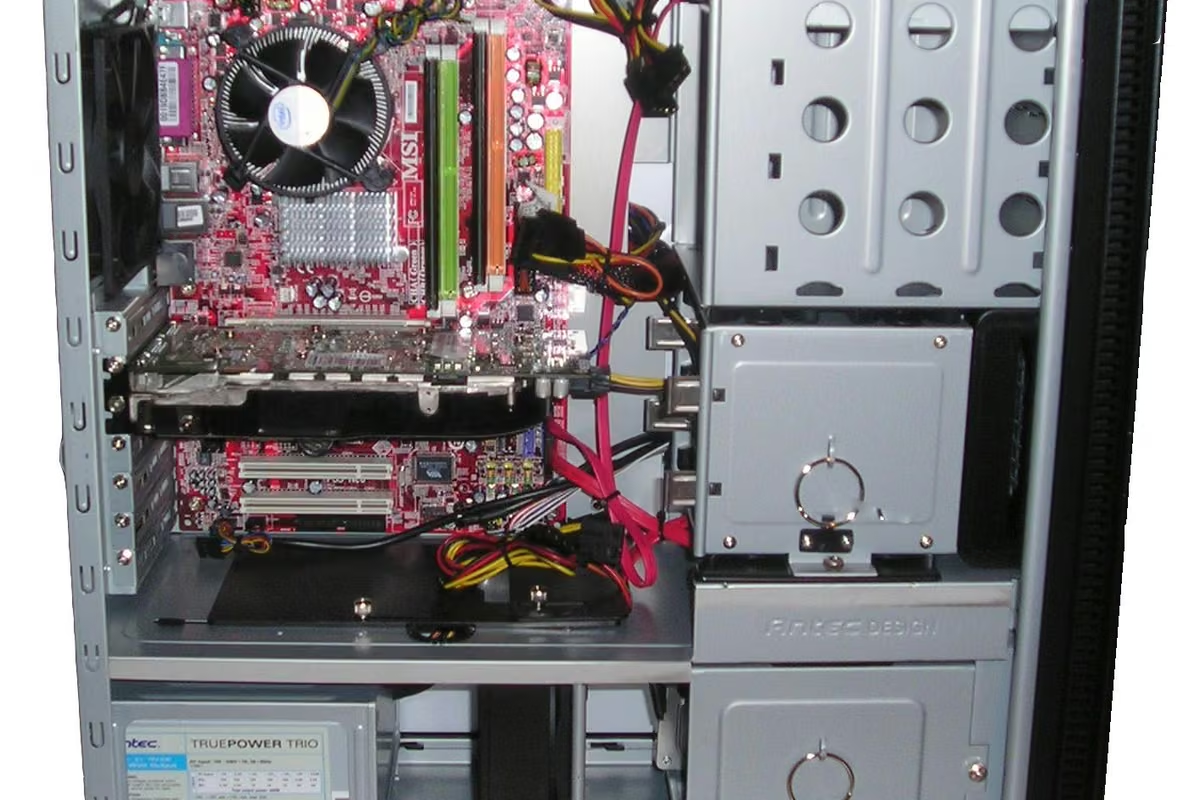
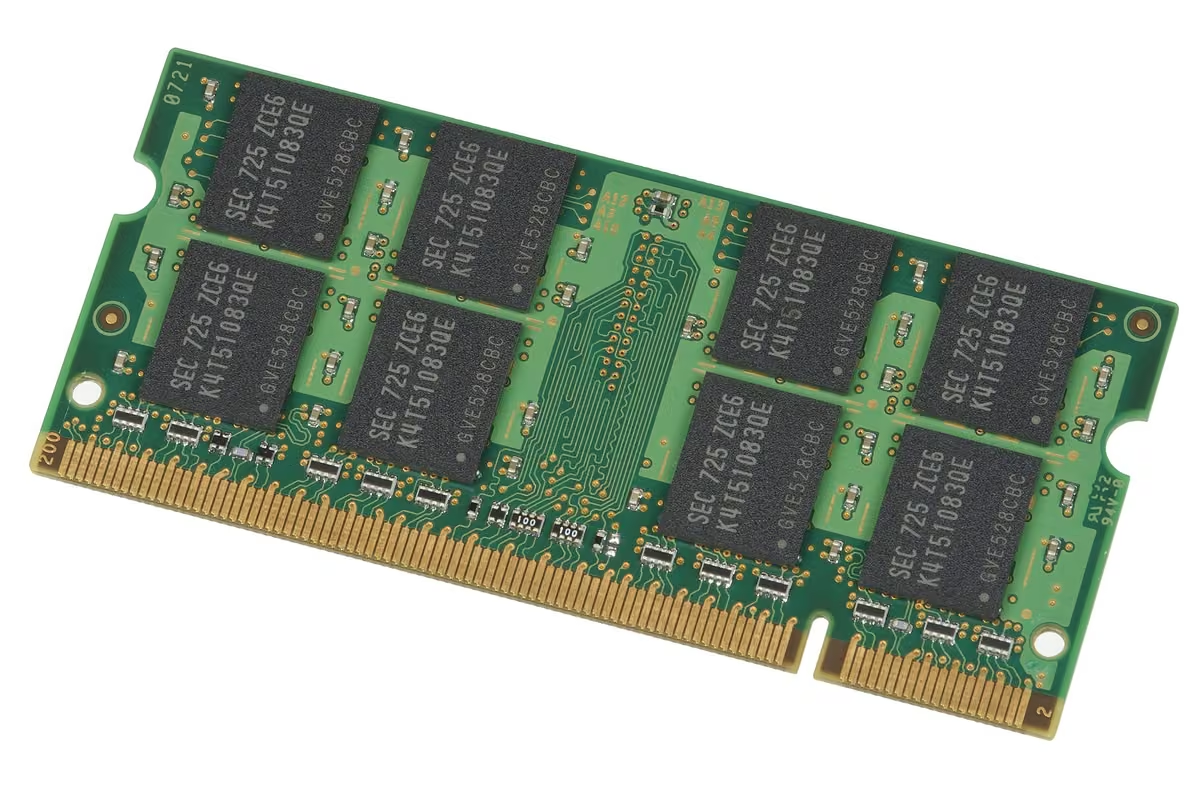
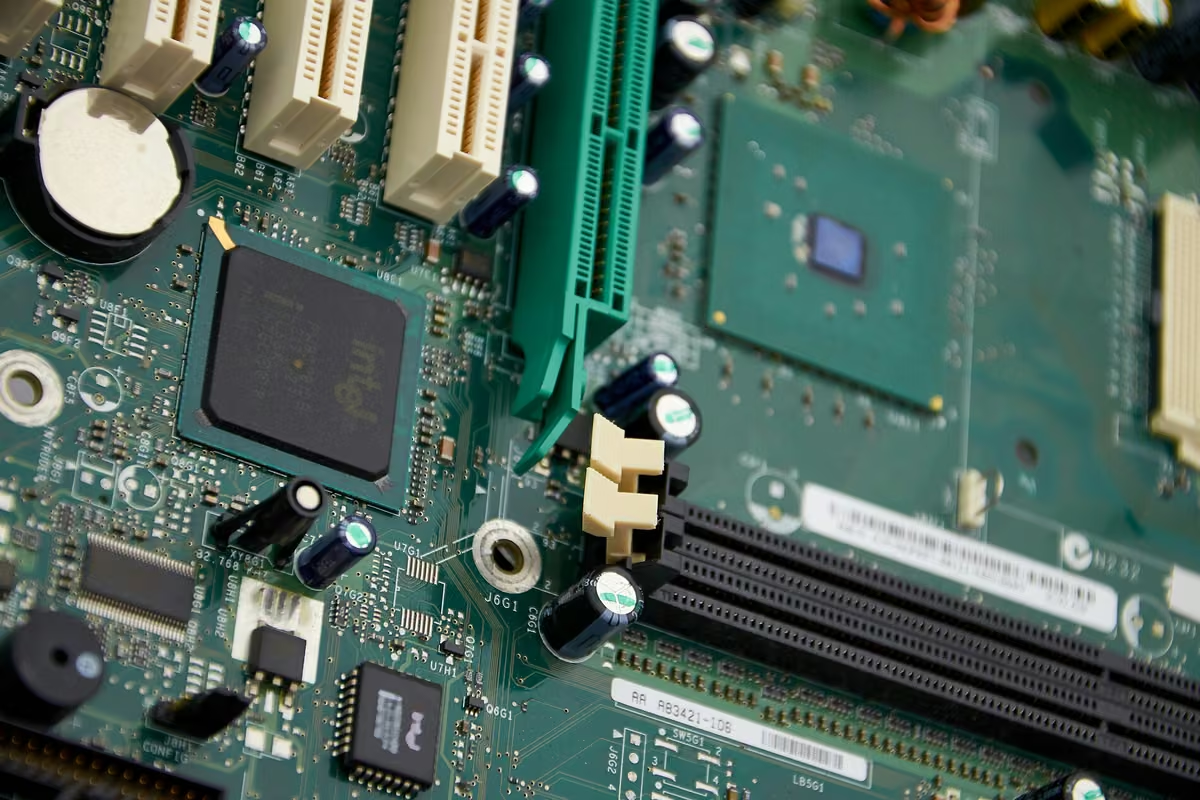
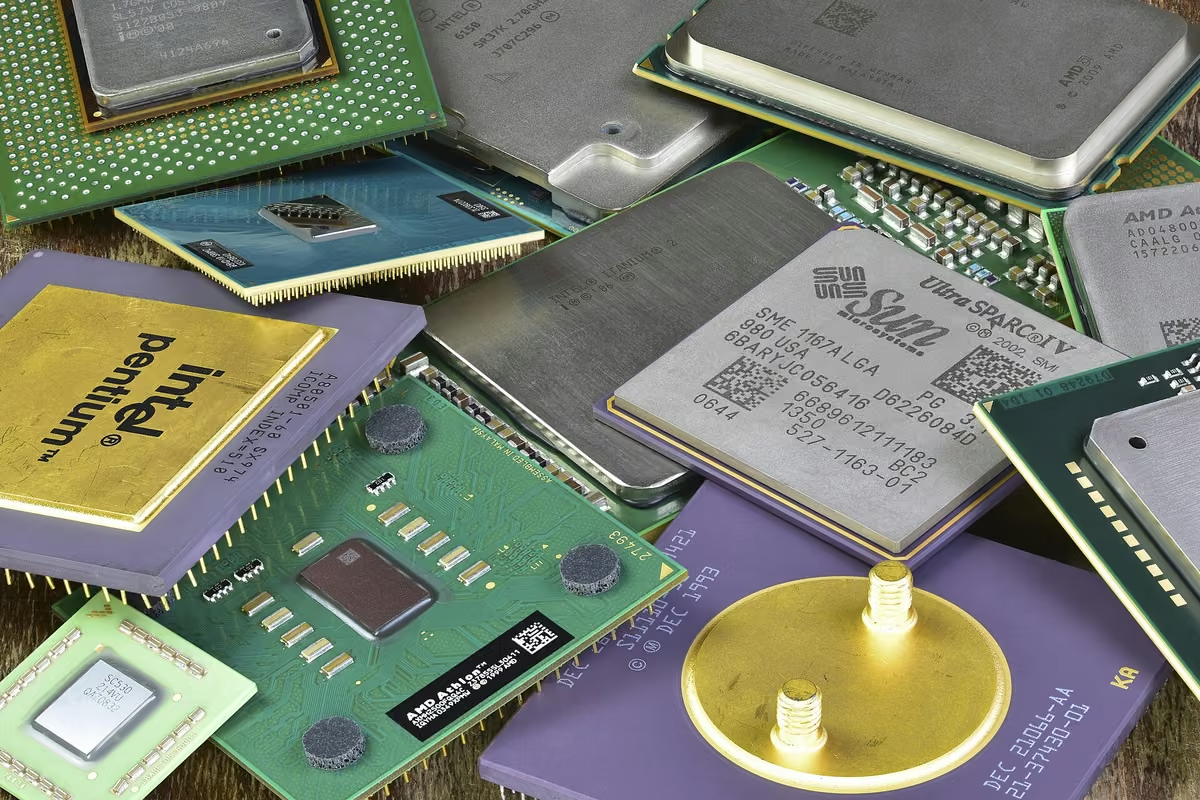
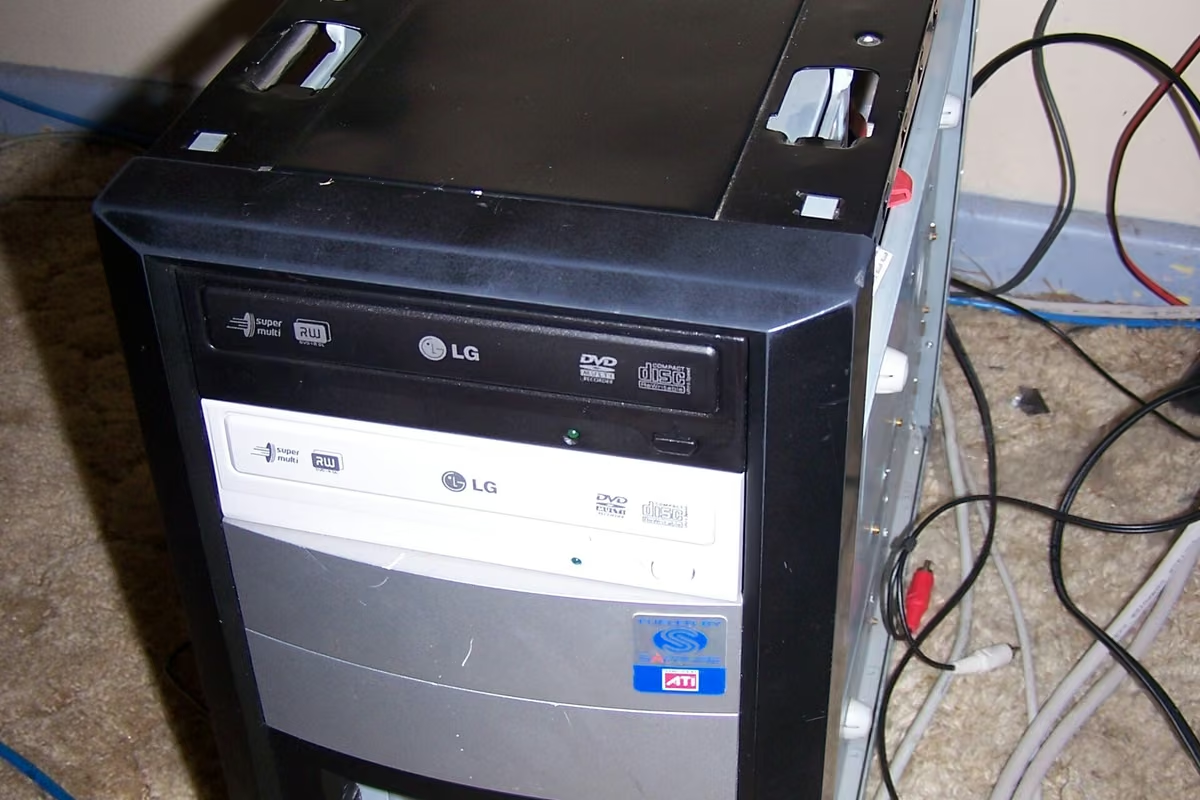
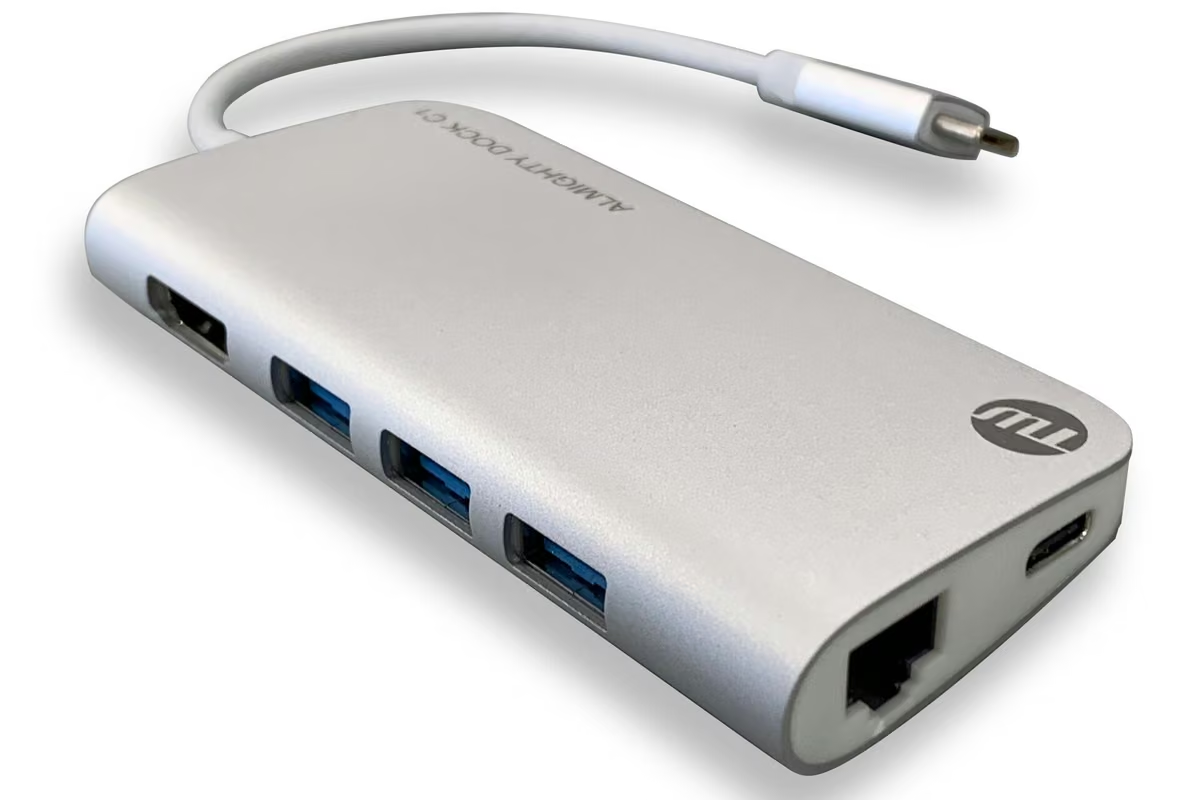
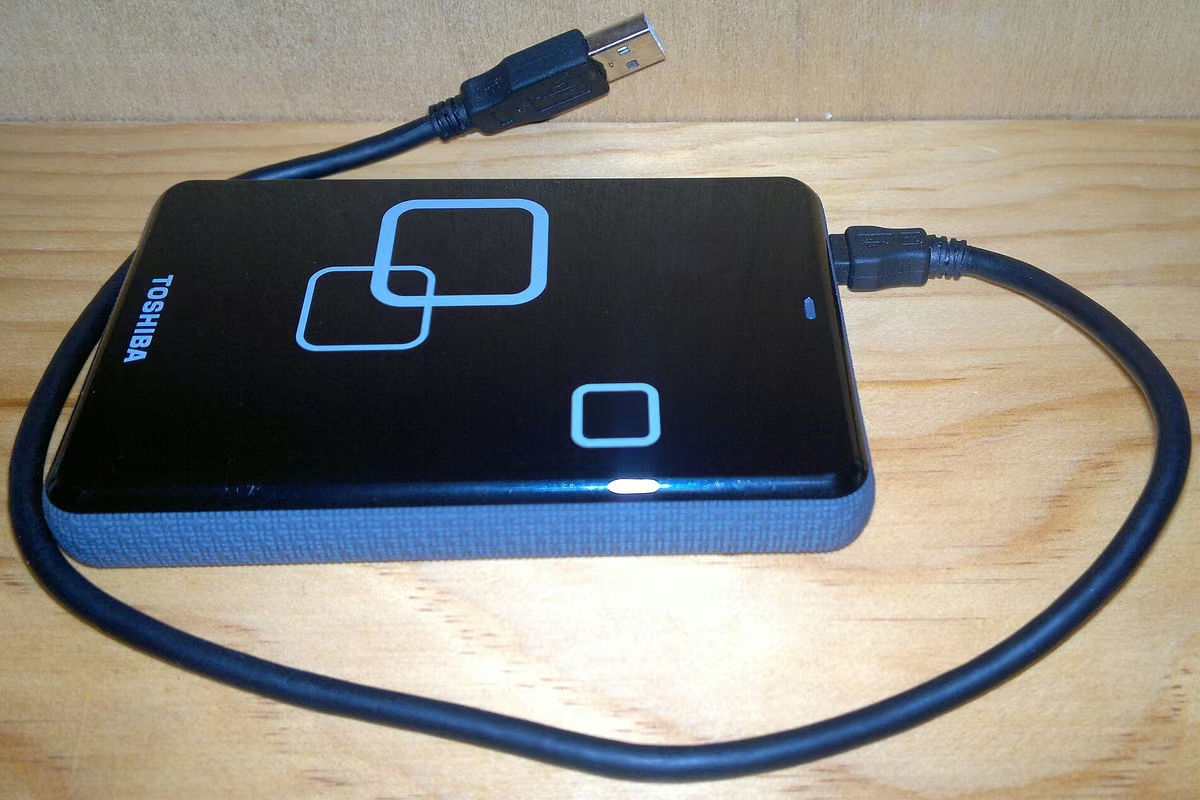
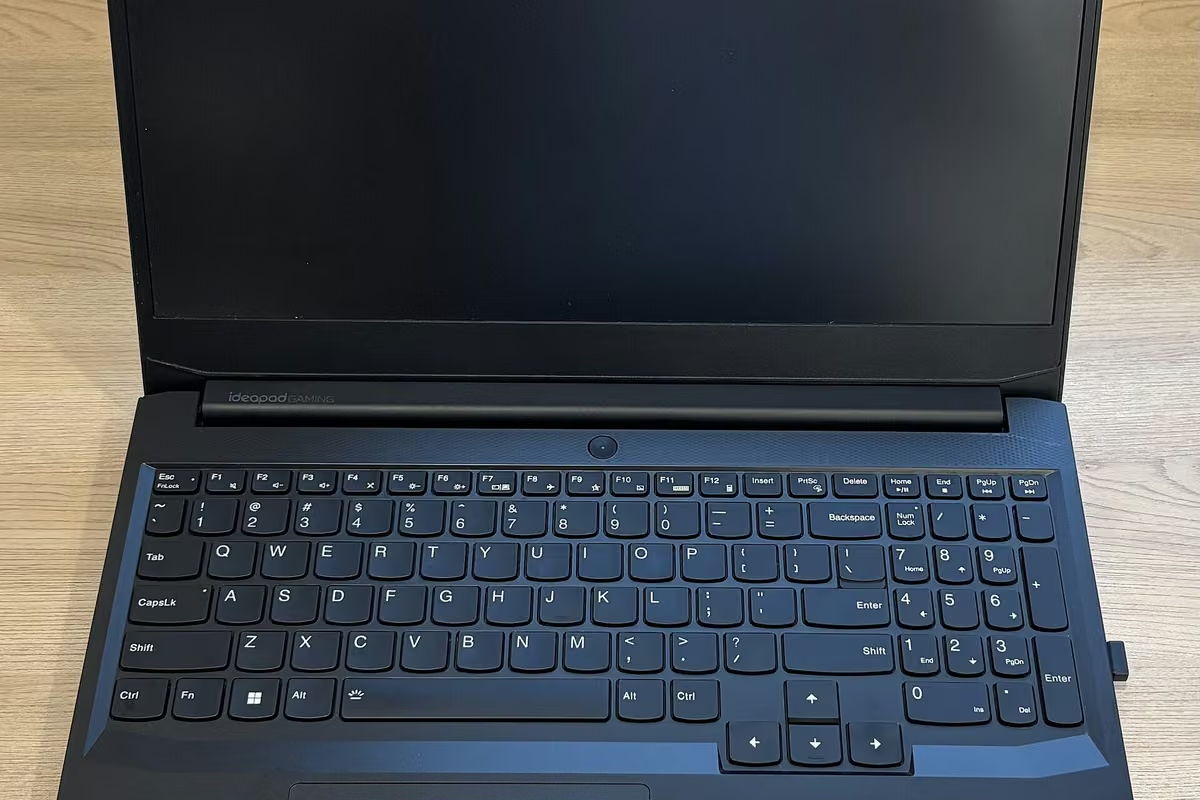
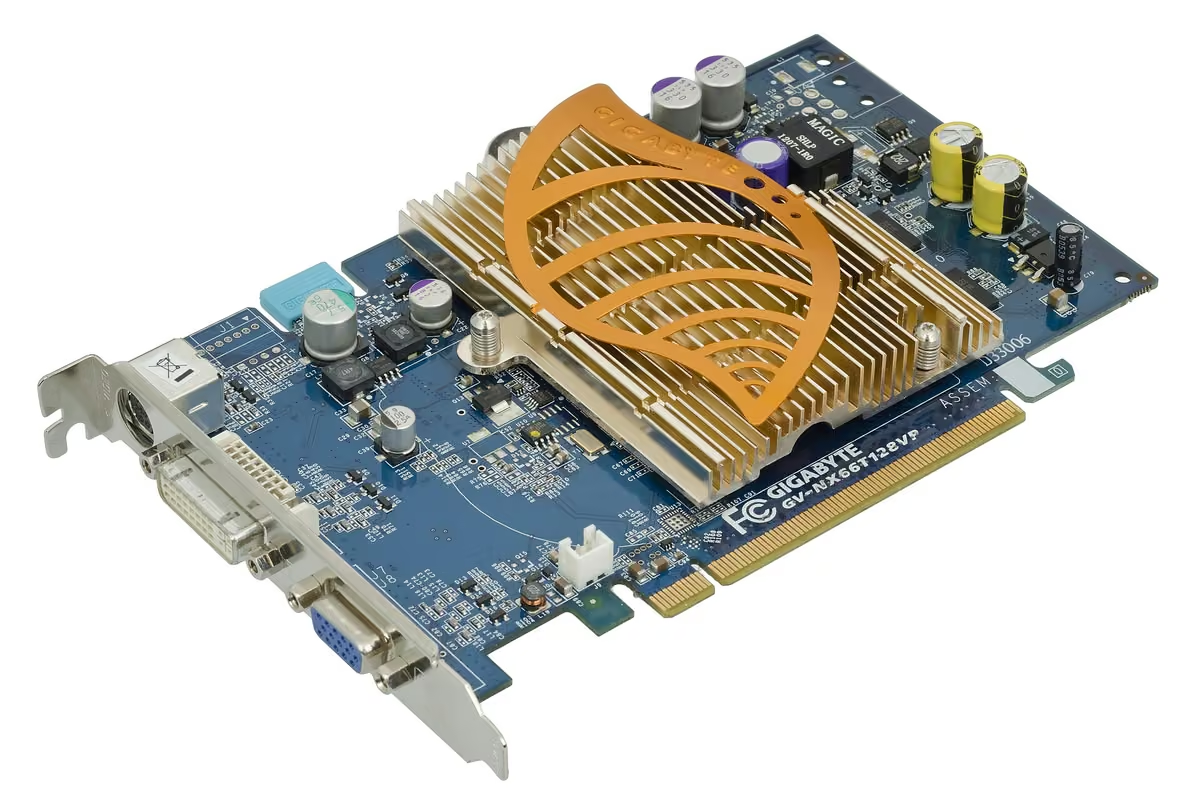
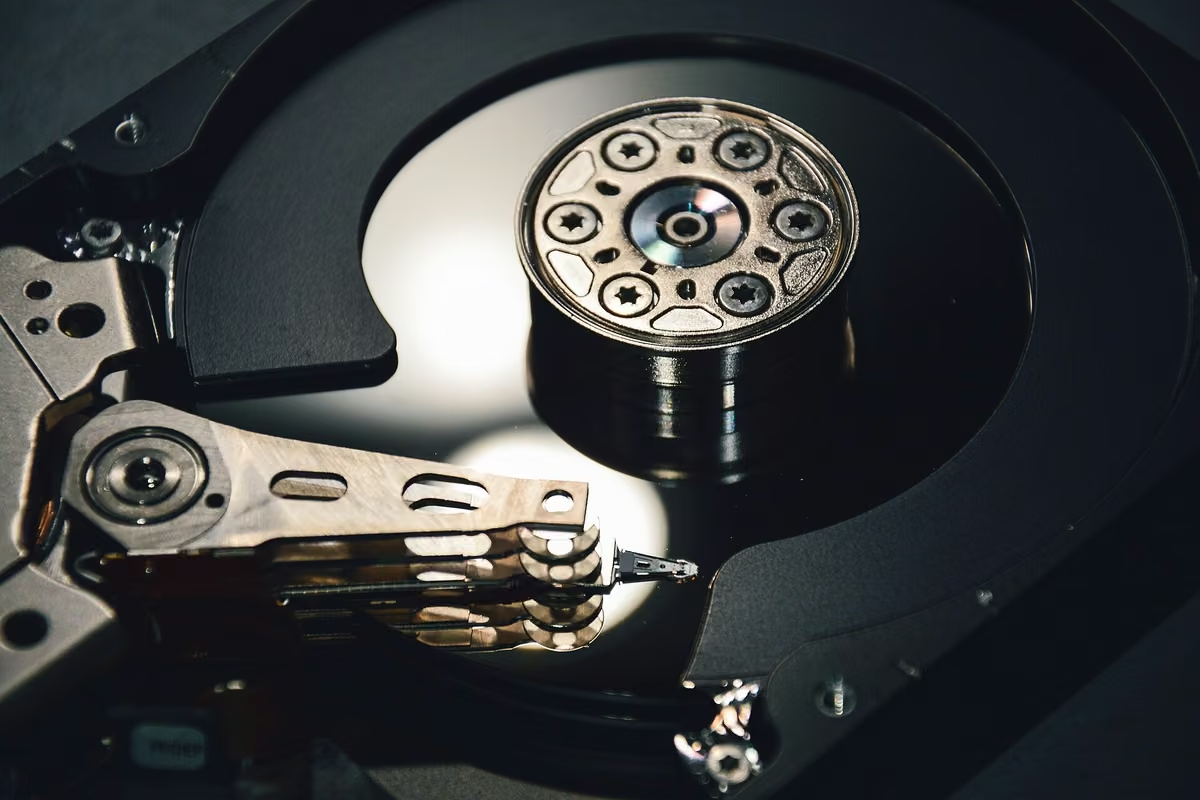

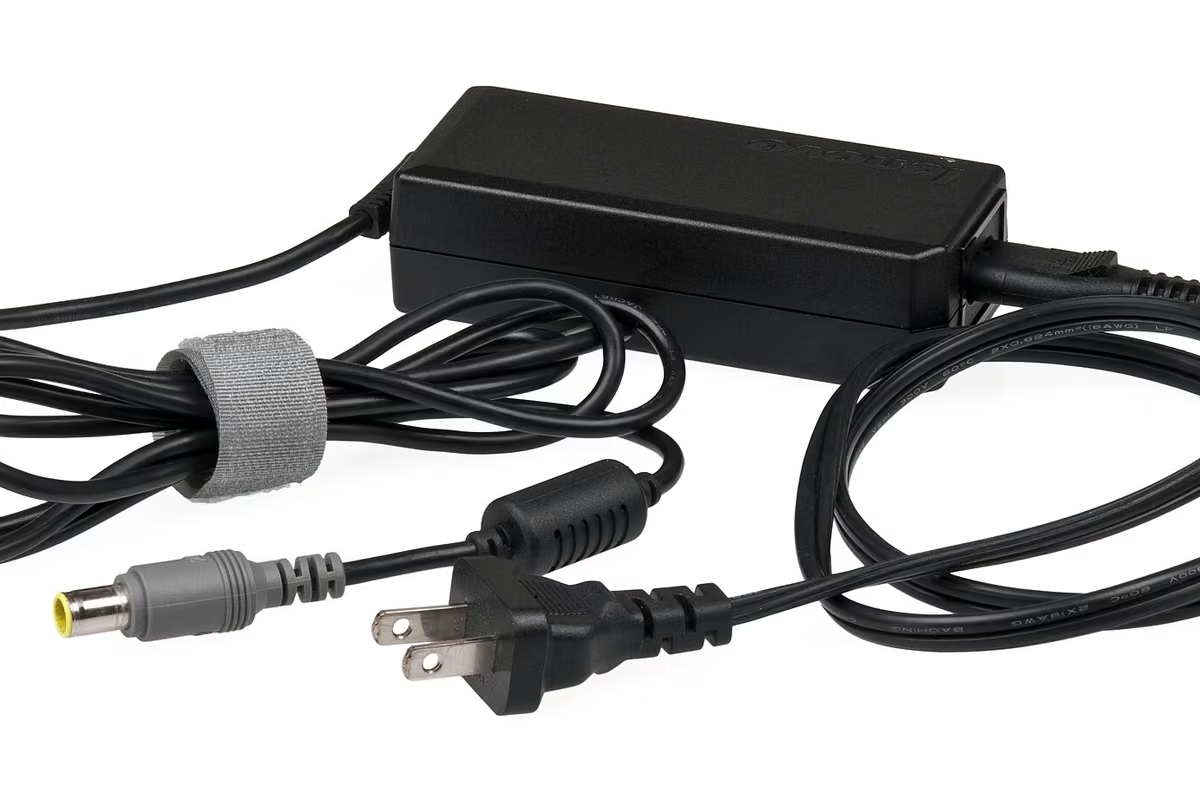

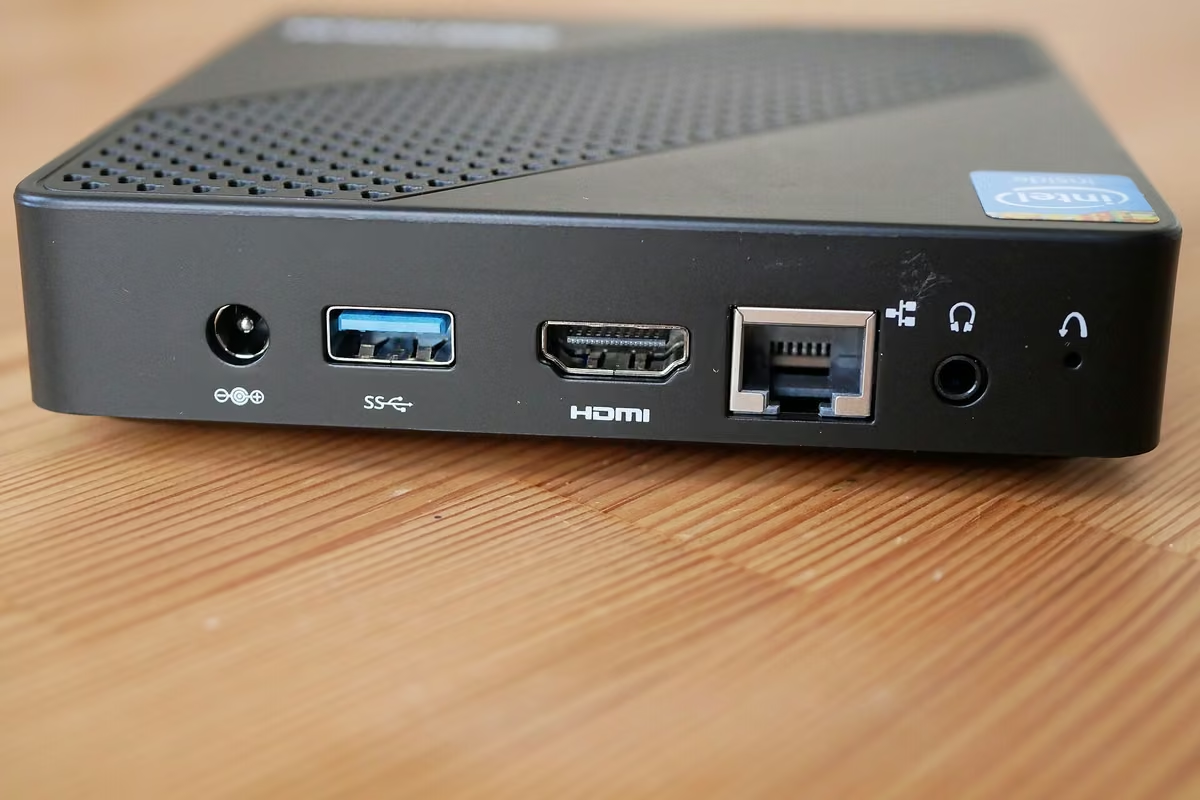

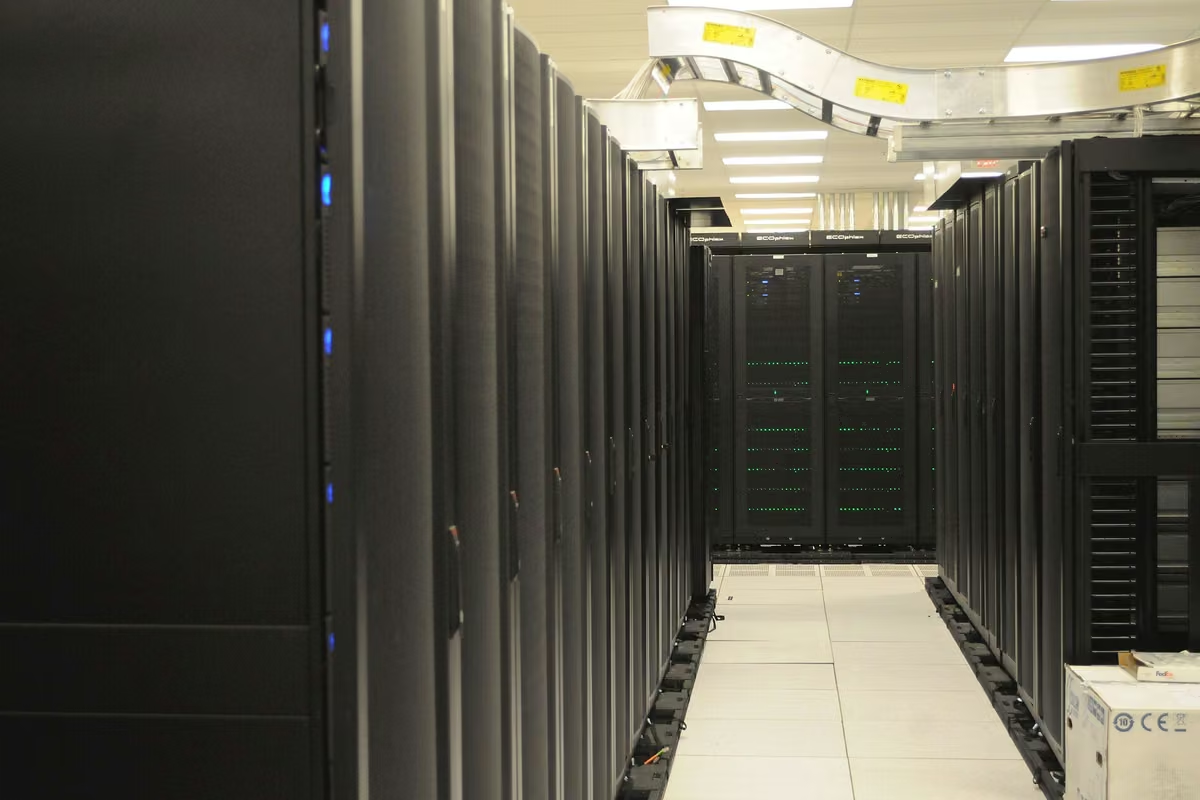
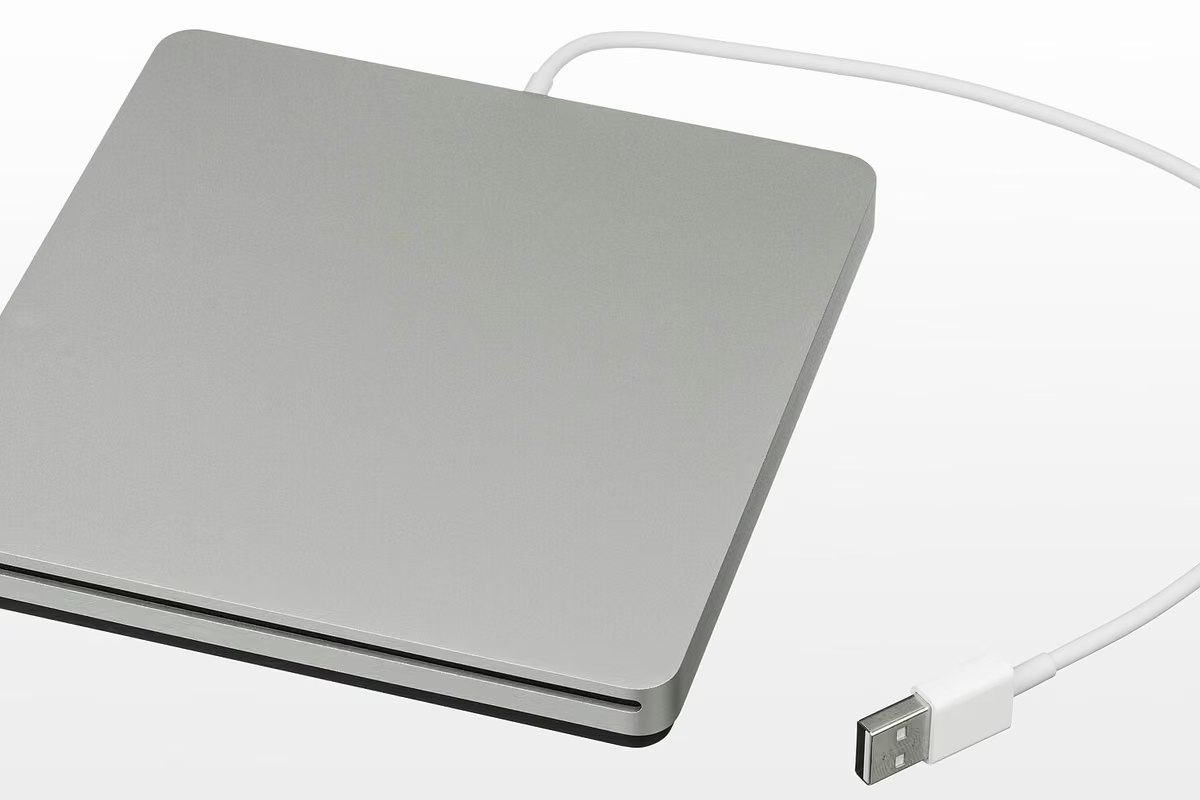
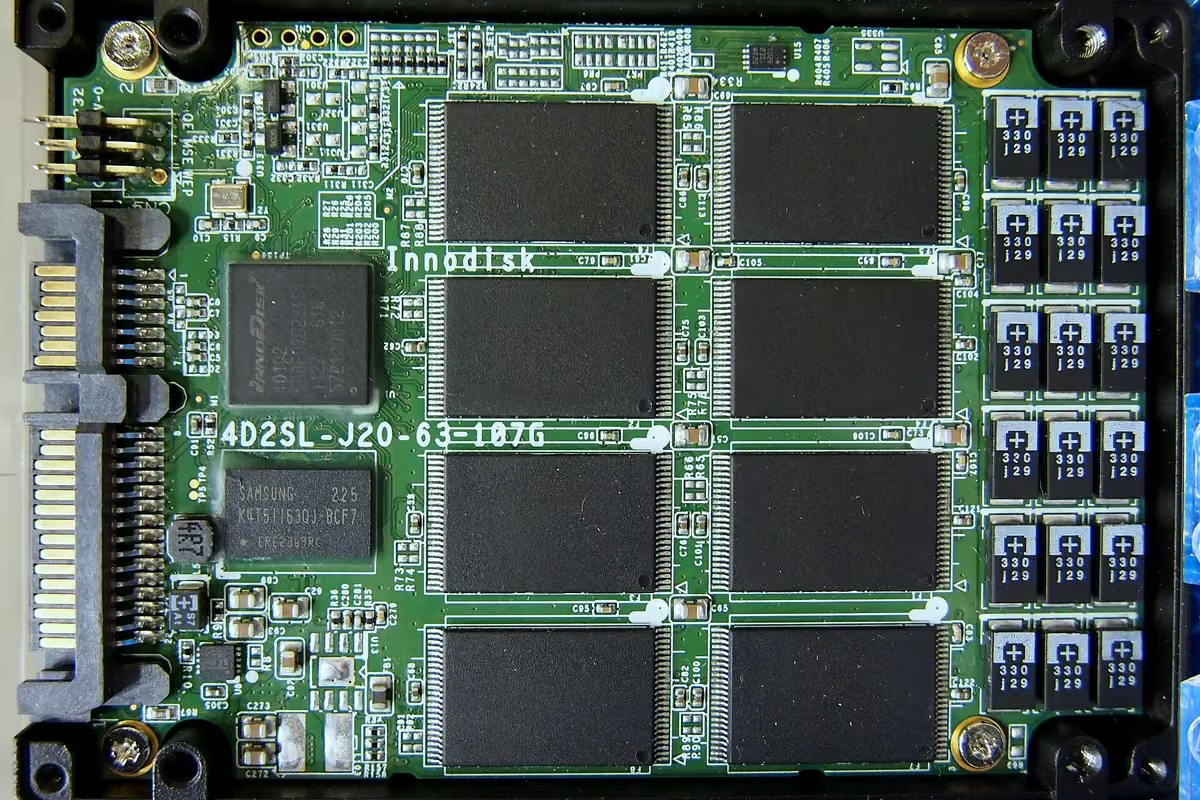
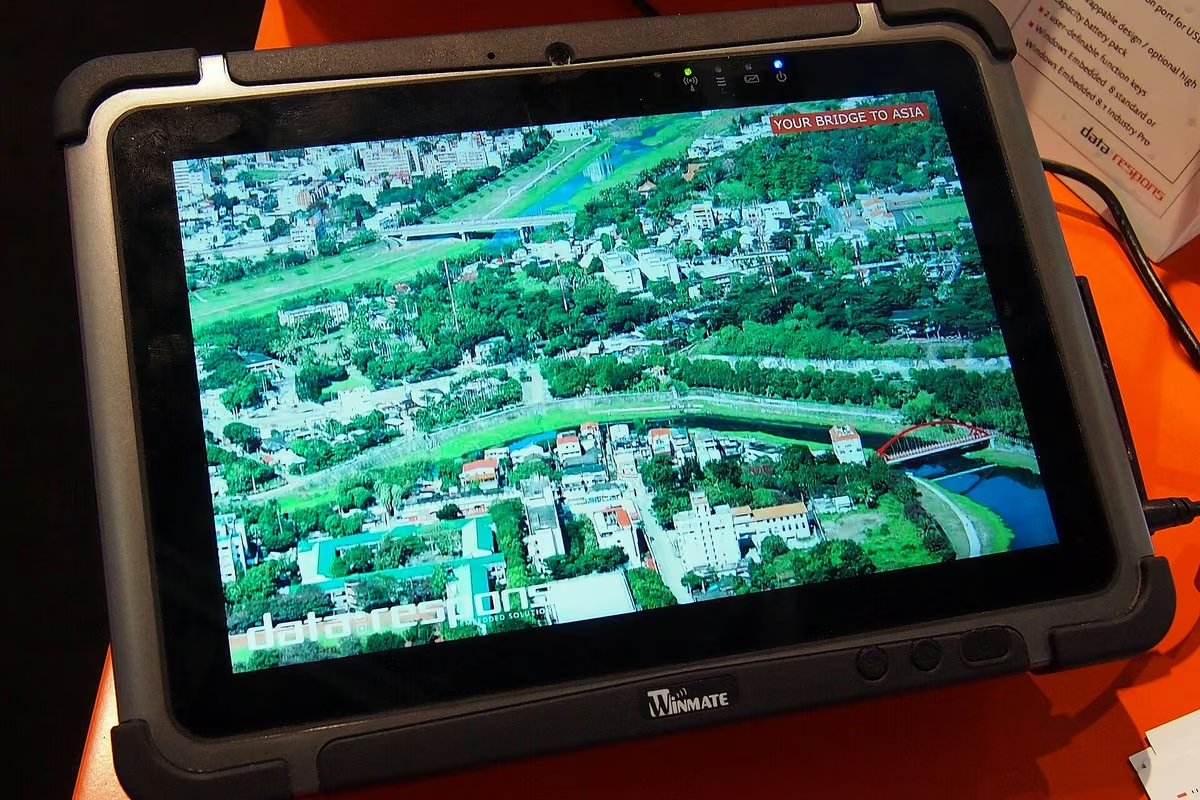
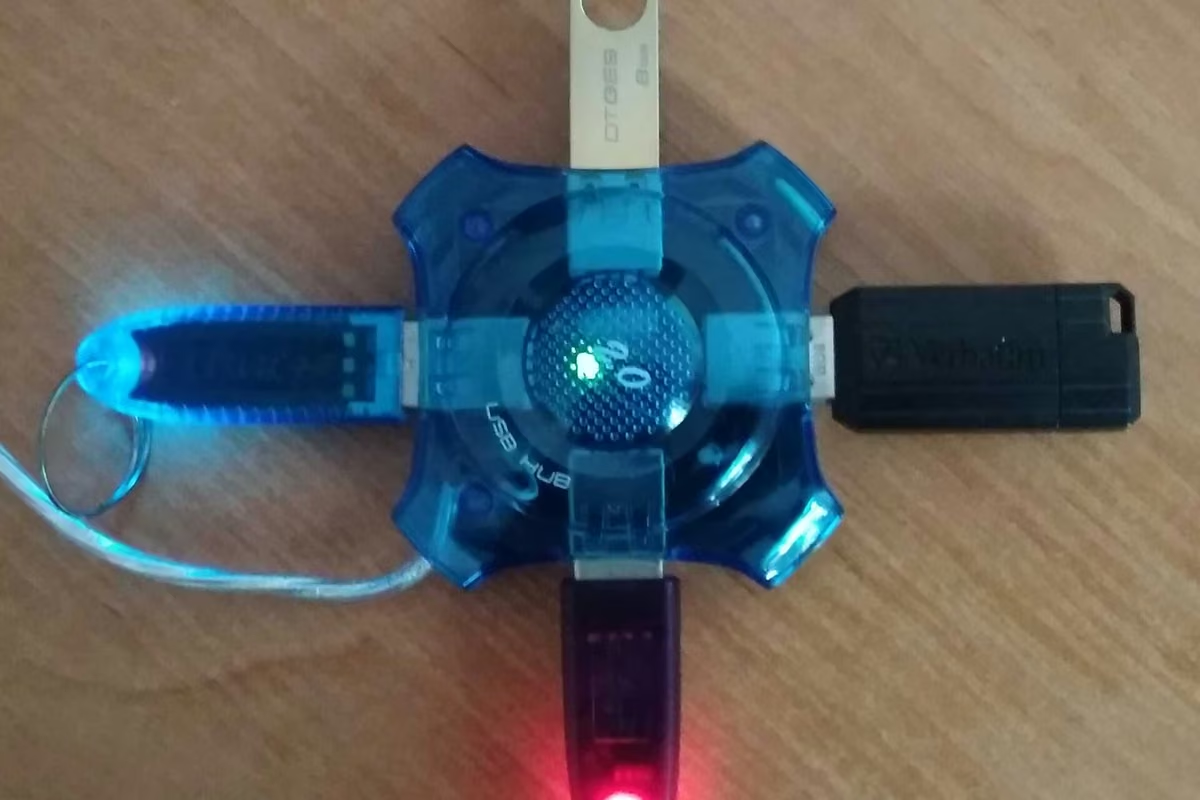
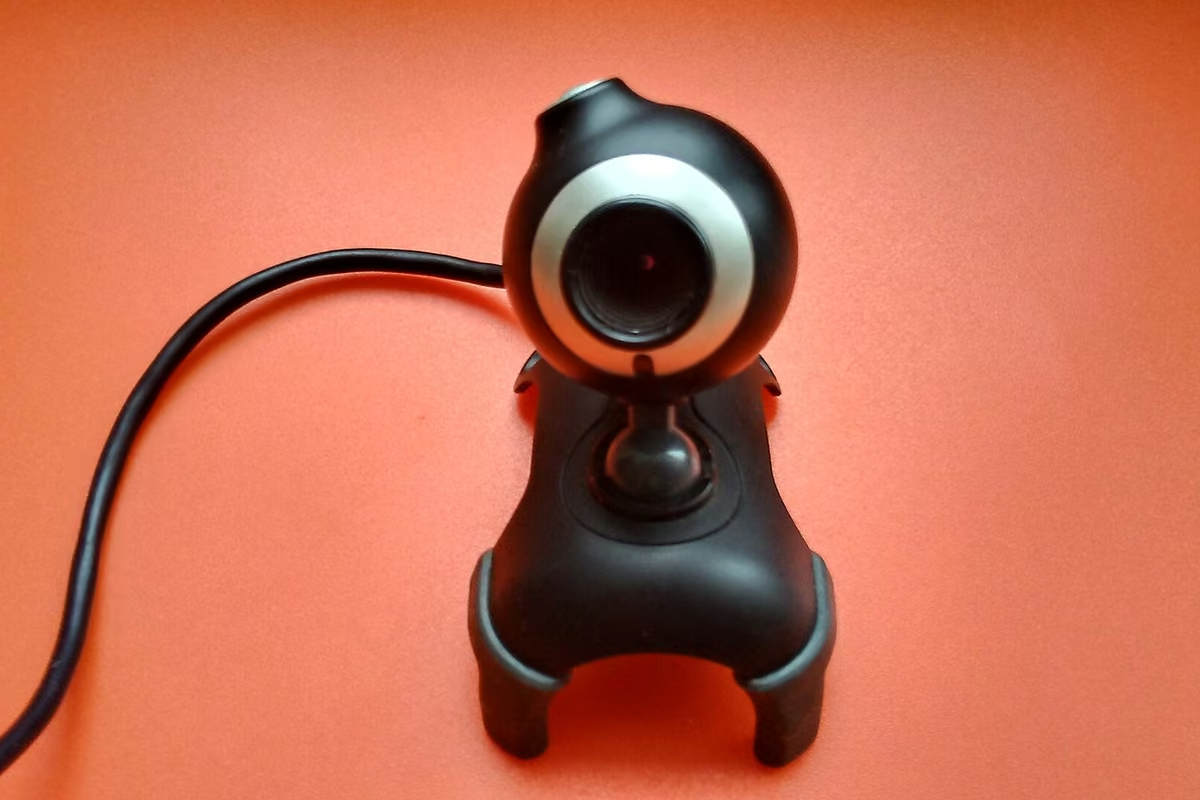
Hardware distributors, OEM factories, component traders and refurbishers list computers, laptops, peripherals and parts with configurations, condition, warranty and order quantities. Buyers compare offers across listings and request quotes for fleet rollouts, component restocking or retail ranges. Fleet buyers often split a tender between new machines for staff and refurbished ex-lease units for training rooms or spares.
Makers and distributors of computers and components can open a store on Towobo to reach resellers, system builders and procurement teams.
Key information for B2B buyers sourcing computers & laptops from global manufacturers.
Factory-direct orders typically start at 100–500 units. Wholesalers often accept 10–50 unit MOQs. Always confirm MOQ and price breaks in writing before placing a bulk order.
Request certificates relevant to your market: CE (EU), ISO 9001 (quality), RoHS (electronics), and UN38.3 (battery transport). Verify originals before payment.
Sample orders typically ship in 3–7 days. Production runs take 15–45 days depending on volume. Confirm Incoterms (FOB, CIF, EXW) and freight charges before signing.
Request physical samples before committing to bulk. Use Towobo's Payment Protection on all transactions. Compare at least 3 suppliers on price, lead time, and certifications.