
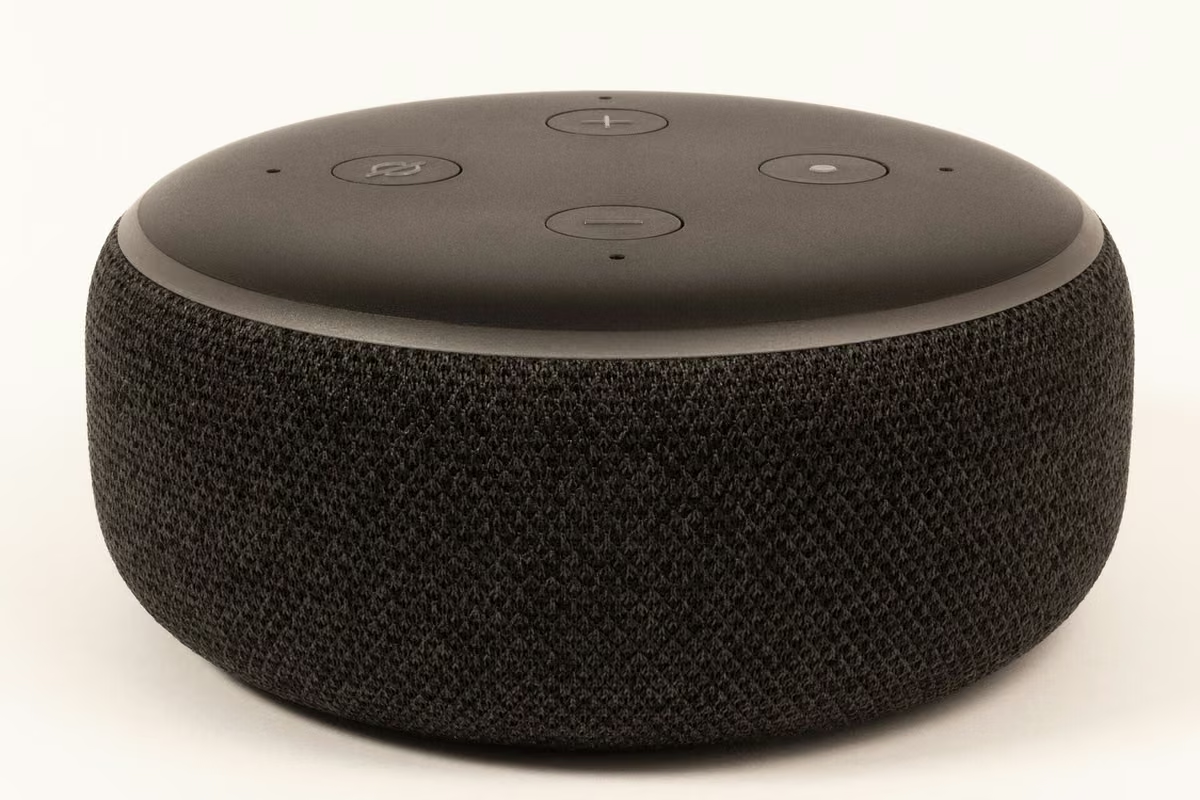
This category covers products that connect to a phone, a voice assistant or a hub so people can control, automate and measure things around them. It splits into two families: devices installed around the home, and devices worn on the body. Electronics retailers, telecoms and energy companies, installers, property developers and private-label brands are the main buyers.
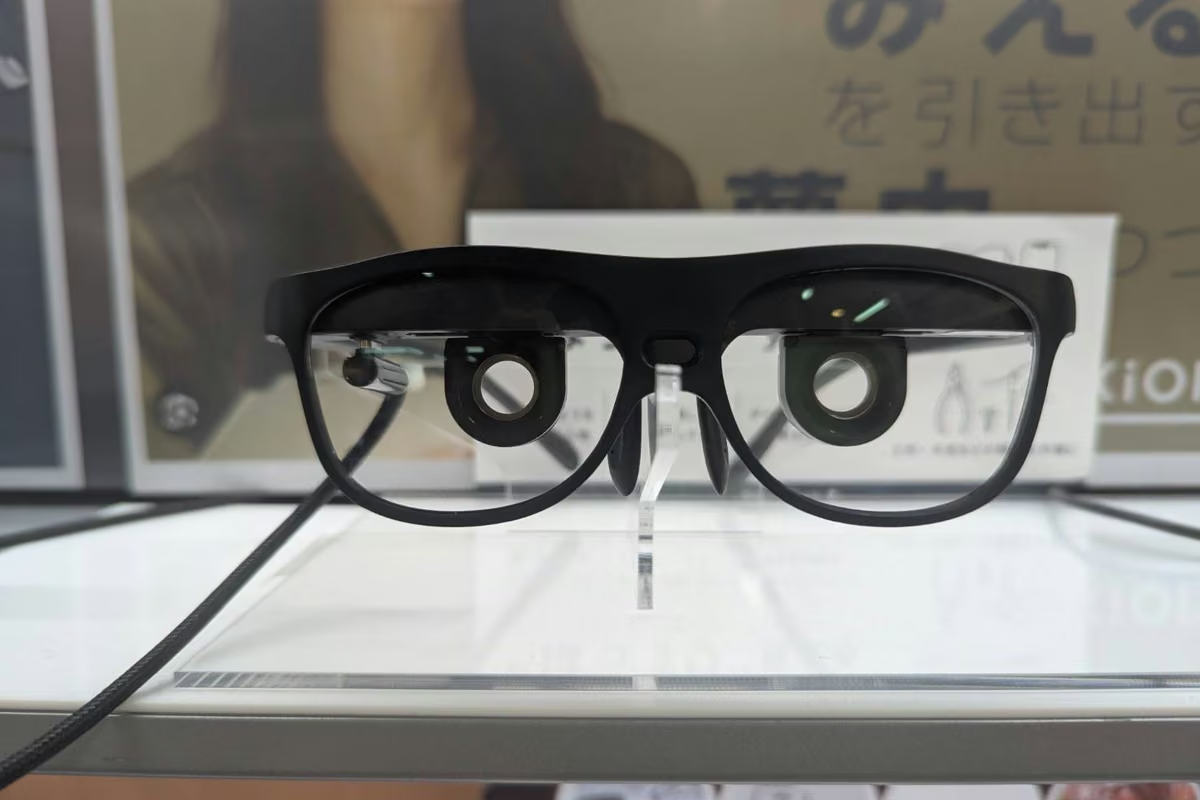
Fitness Trackers count steps, heart rate and sleep; Smart Rings do similar tracking in a ring form; Smart Glasses add audio, cameras or displays to eyewear.
The connectivity protocol decides what will work together: Wi-Fi, Bluetooth, Zigbee, Z-Wave, Thread and the Matter standard each have trade-offs in range, power and hub dependence. Buyers then weigh the app platform, cloud hosting and firmware support. Supply comes from module-based OEM factories offering white-label apps, from contract manufacturers for established brands, and from distributors of branded ecosystems. Radio approvals and data privacy rules apply in every market.
When comparing suppliers across this category, ask which protocols and ecosystems each device is certified for, who runs the app and cloud, and how long firmware updates are promised. Check whether a white-label app is offered, the minimum order for custom branding, the radio approvals already held for your market, and how the supplier handles security vulnerabilities reported after launch.

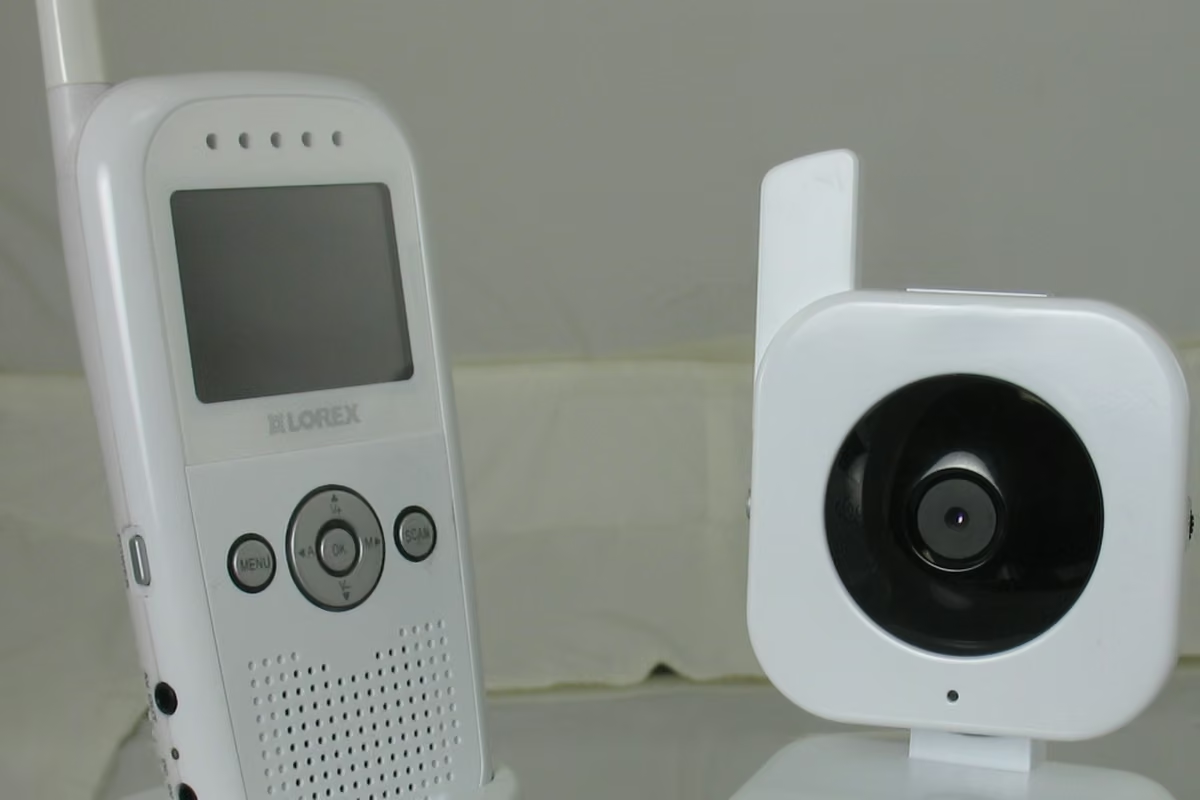


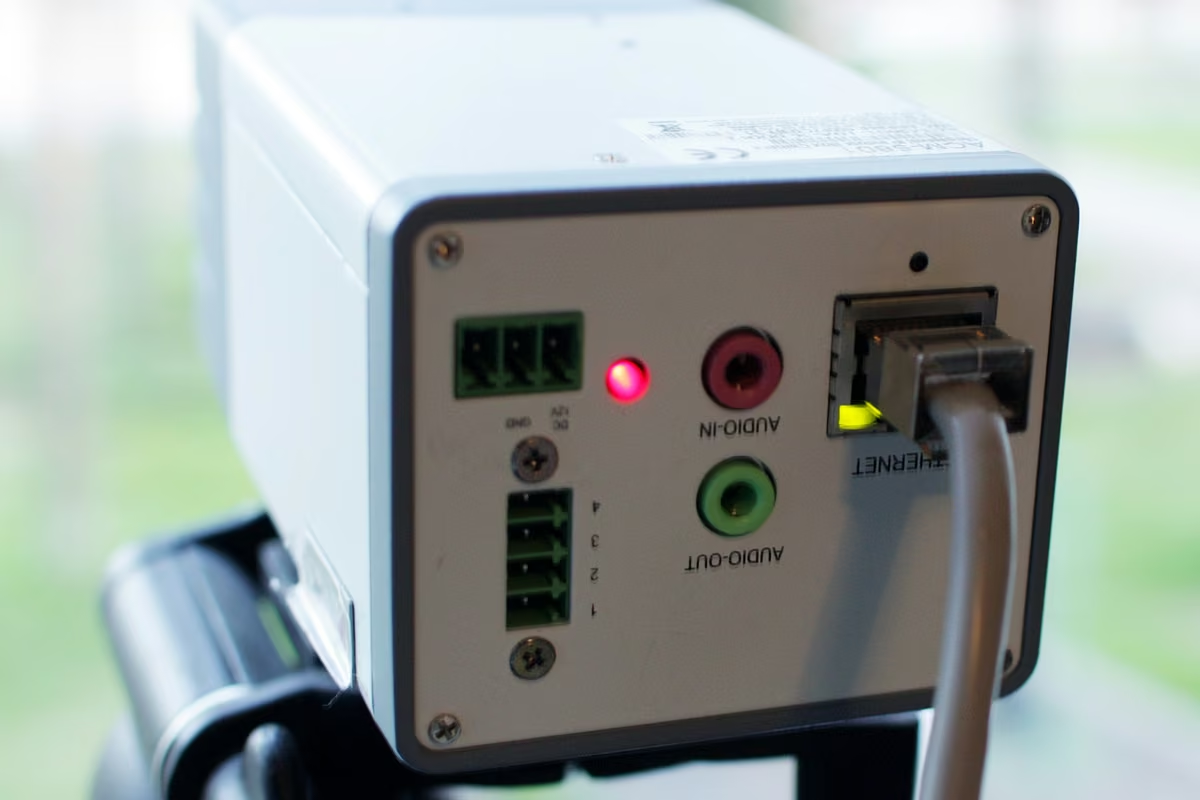
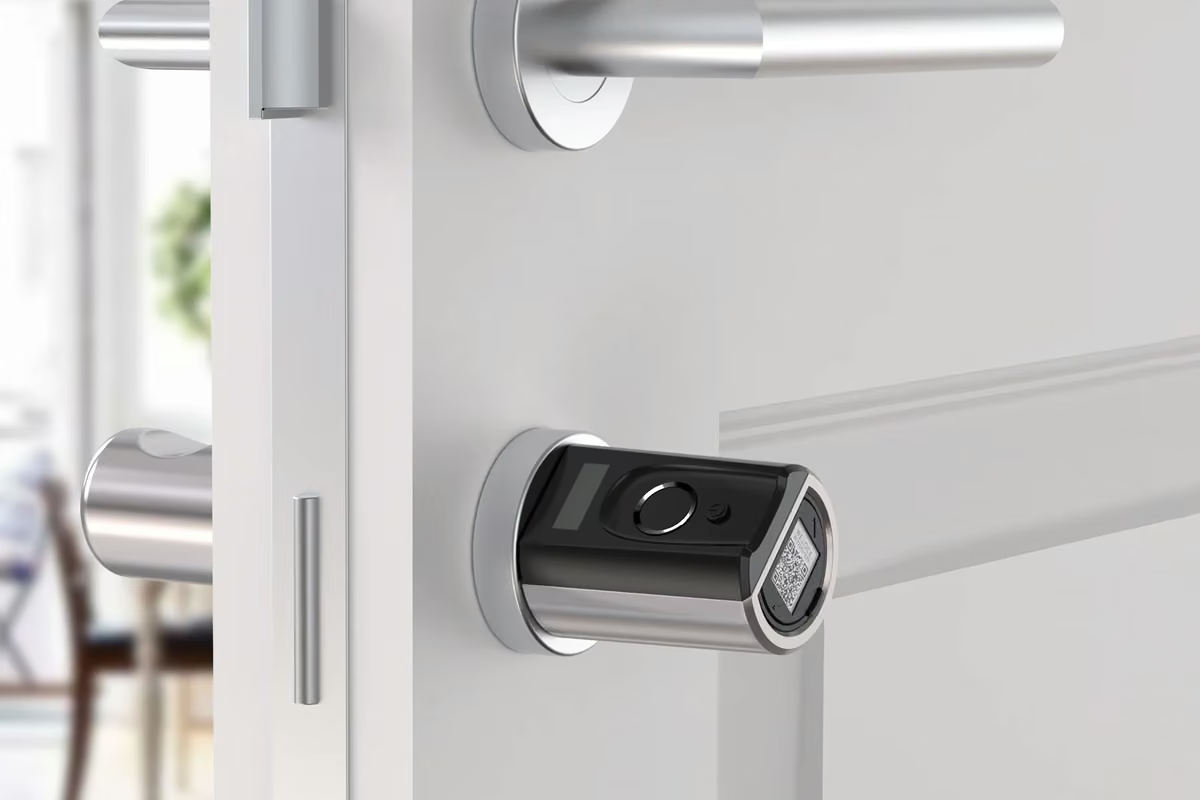
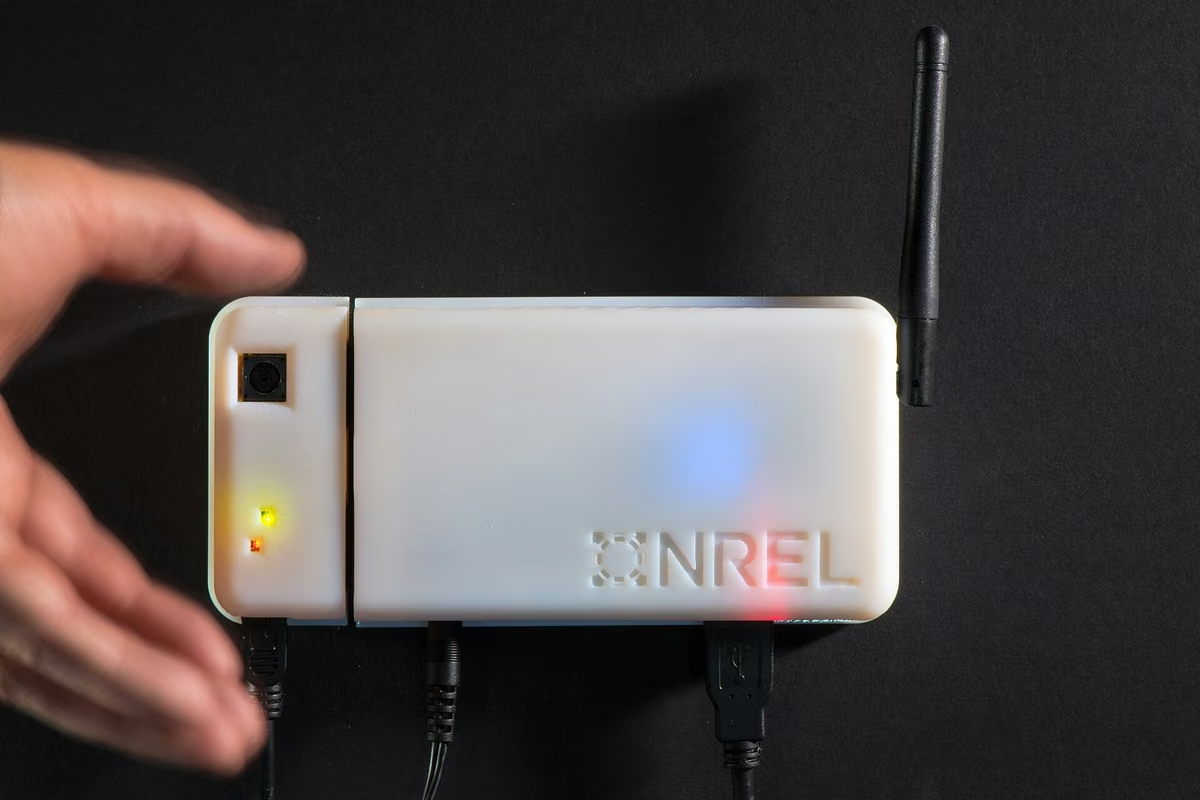
OEM factories, contract manufacturers and distributors list smart plugs, switches, locks, sensors, hubs and wearables on Towobo, stating protocols, app platforms, approvals and order quantities. Buyers compare devices across sellers and request quotes for retail stock or private-label lines.
Makers of connected home and wearable devices can open a store on Towobo, list each product with its ecosystem compatibility and certificates, and meet retailers and brands assembling smart product ranges.
Key information for B2B buyers sourcing smart home & wearables from global manufacturers.
Factory-direct orders typically start at 100–500 units. Wholesalers often accept 10–50 unit MOQs. Always confirm MOQ and price breaks in writing before placing a bulk order.
Request certificates relevant to your market: CE (EU), ISO 9001 (quality), RoHS (electronics), and UN38.3 (battery transport). Verify originals before payment.
Sample orders typically ship in 3–7 days. Production runs take 15–45 days depending on volume. Confirm Incoterms (FOB, CIF, EXW) and freight charges before signing.
Request physical samples before committing to bulk. Use Towobo's Payment Protection on all transactions. Compare at least 3 suppliers on price, lead time, and certifications.