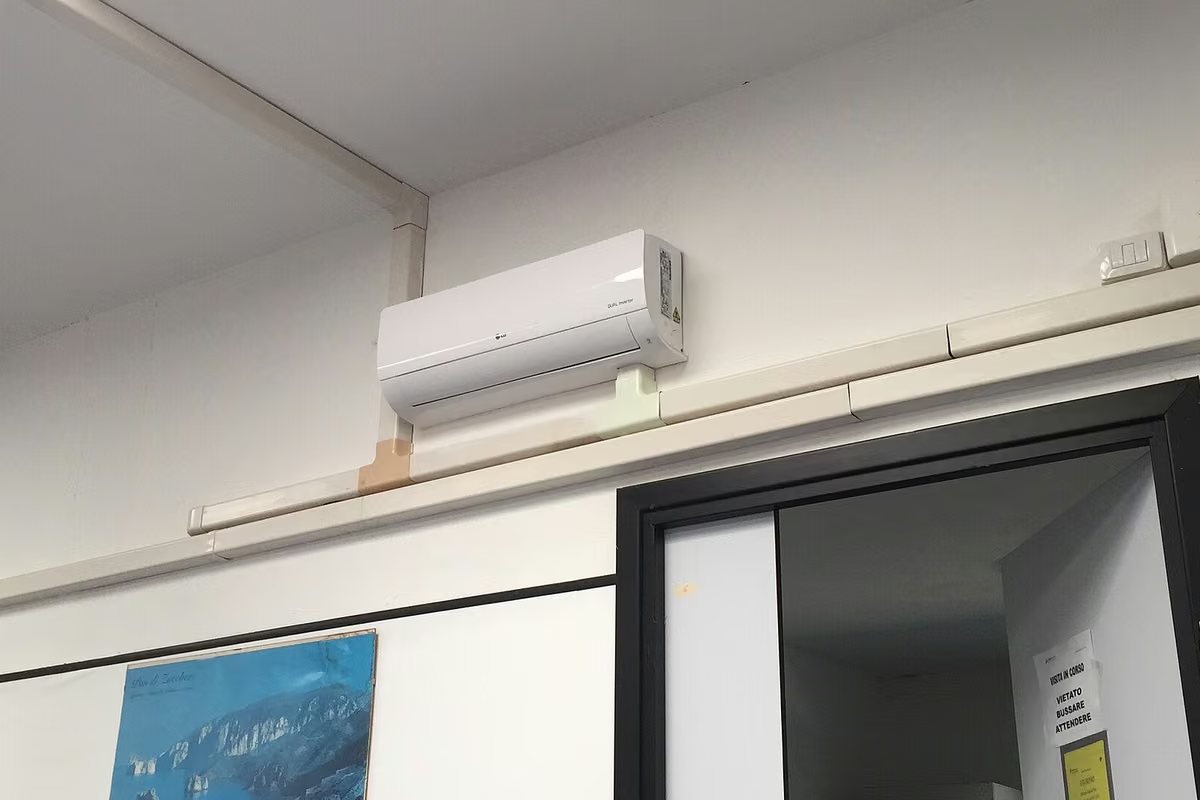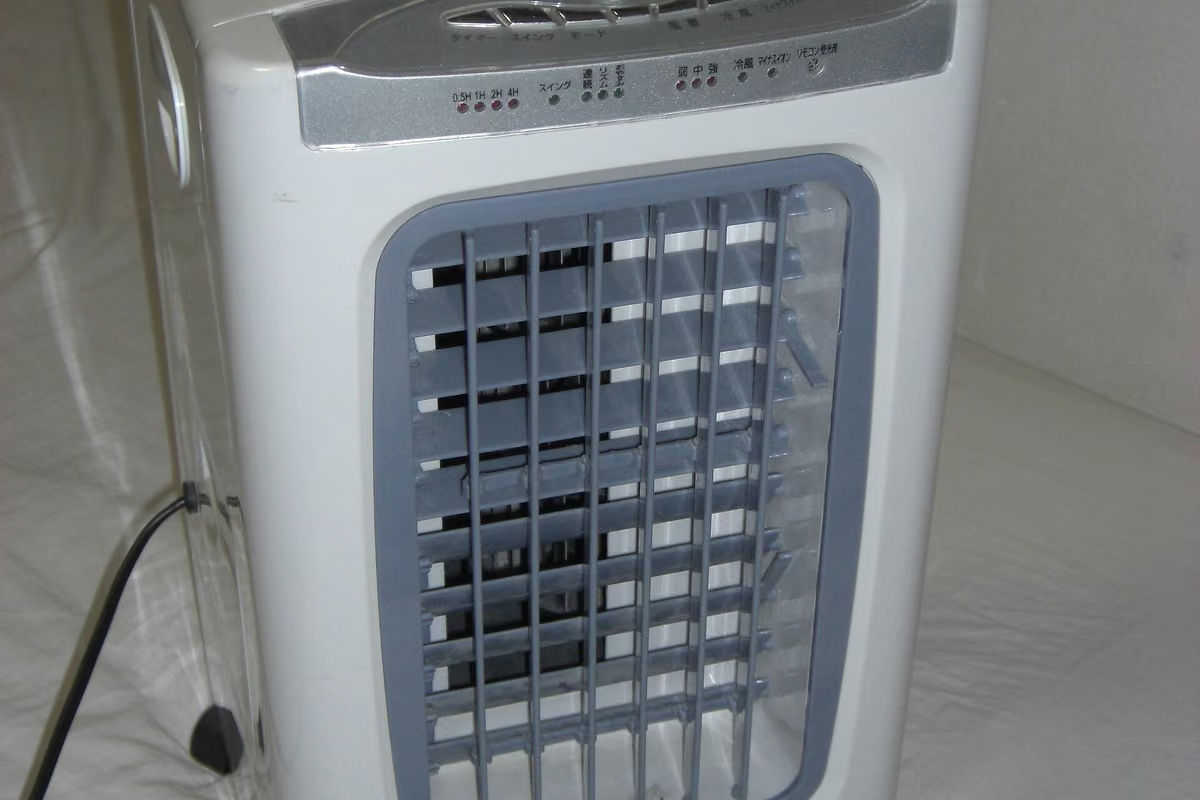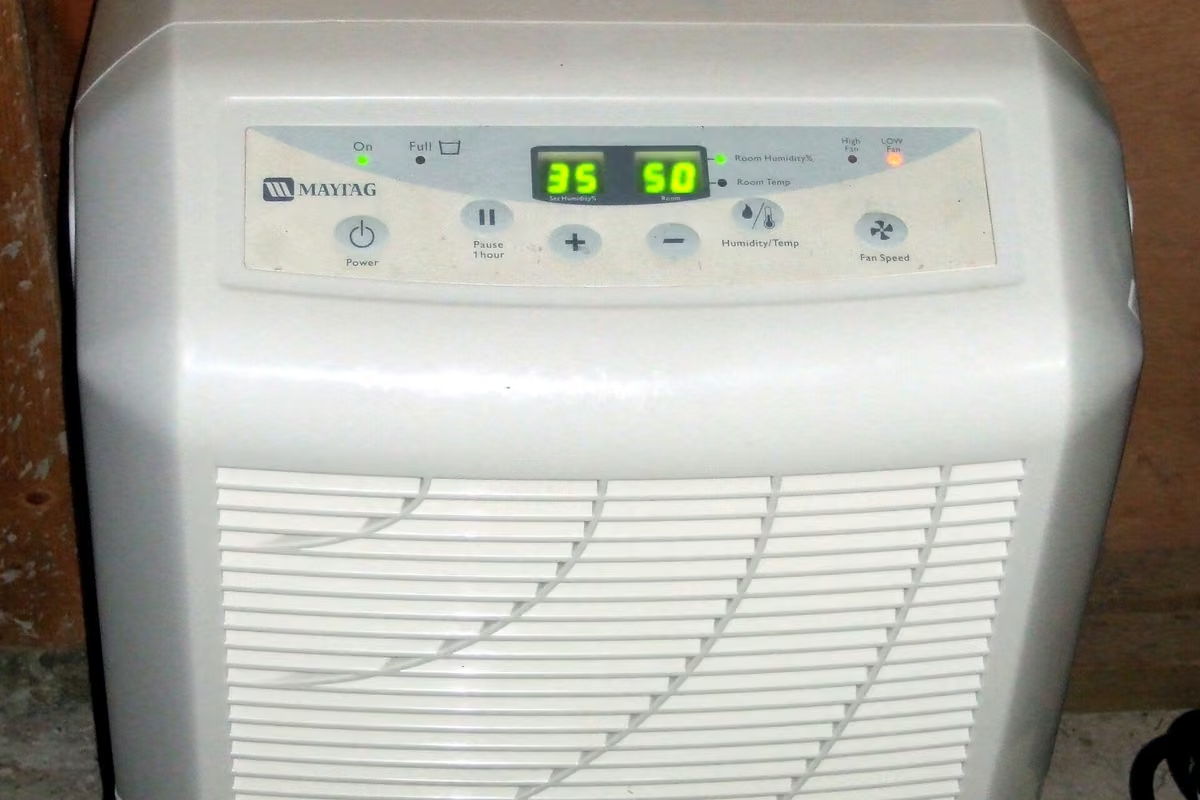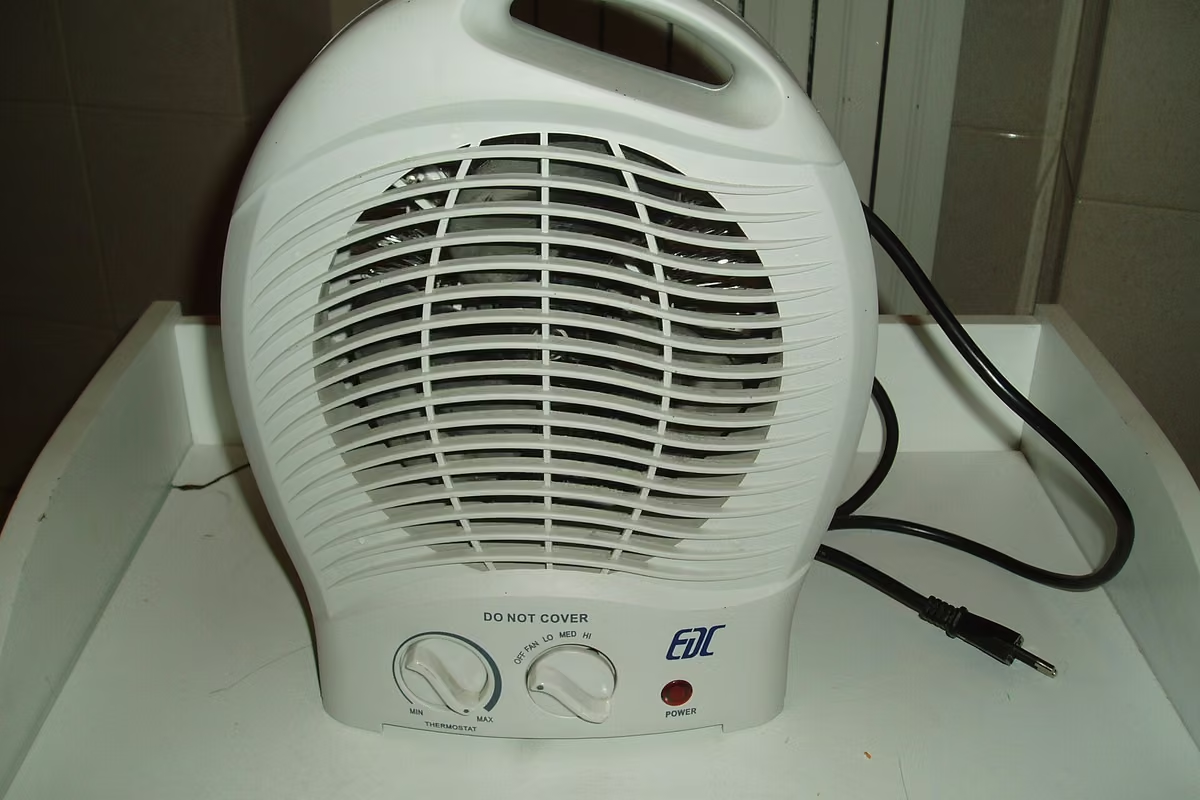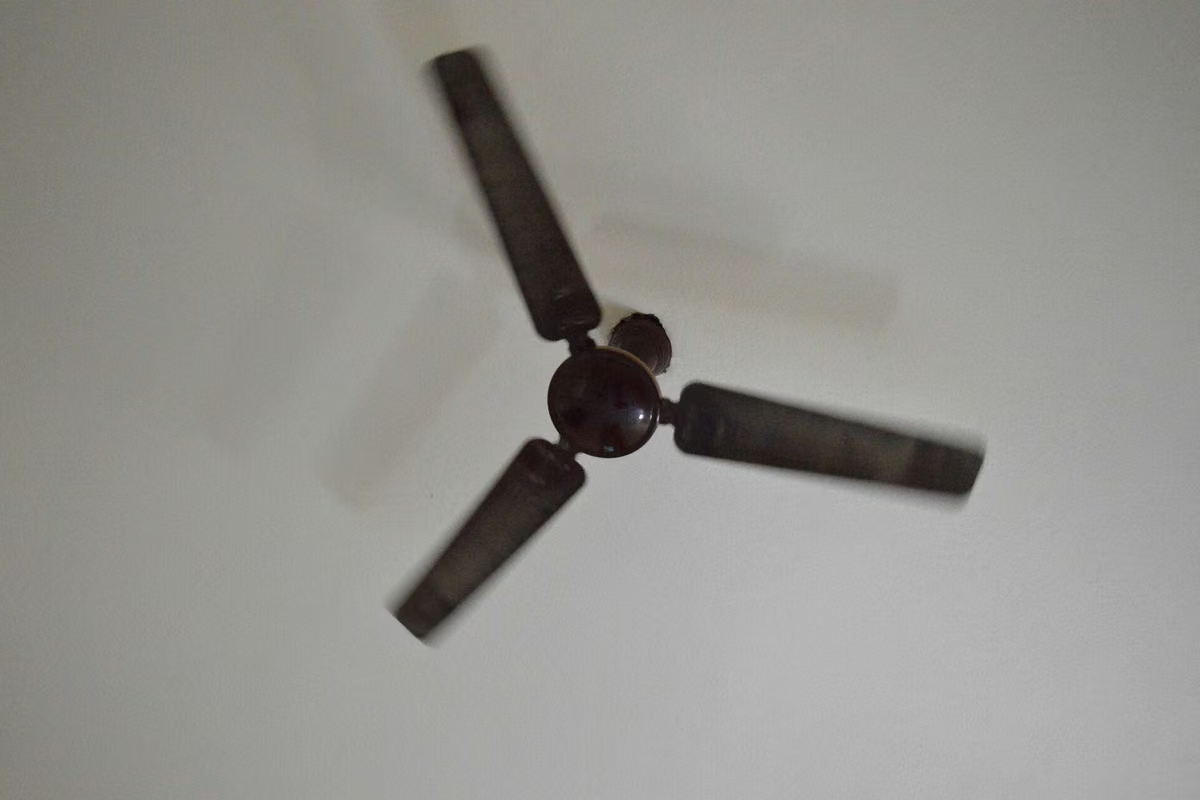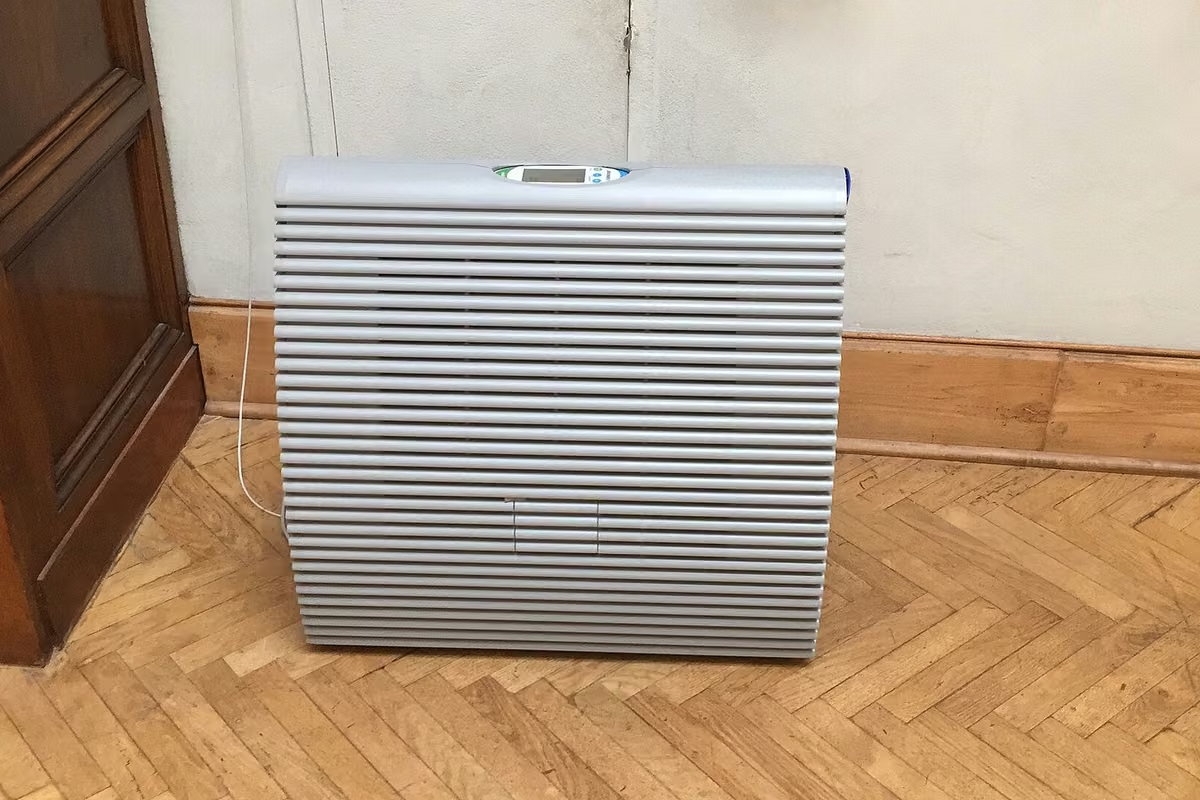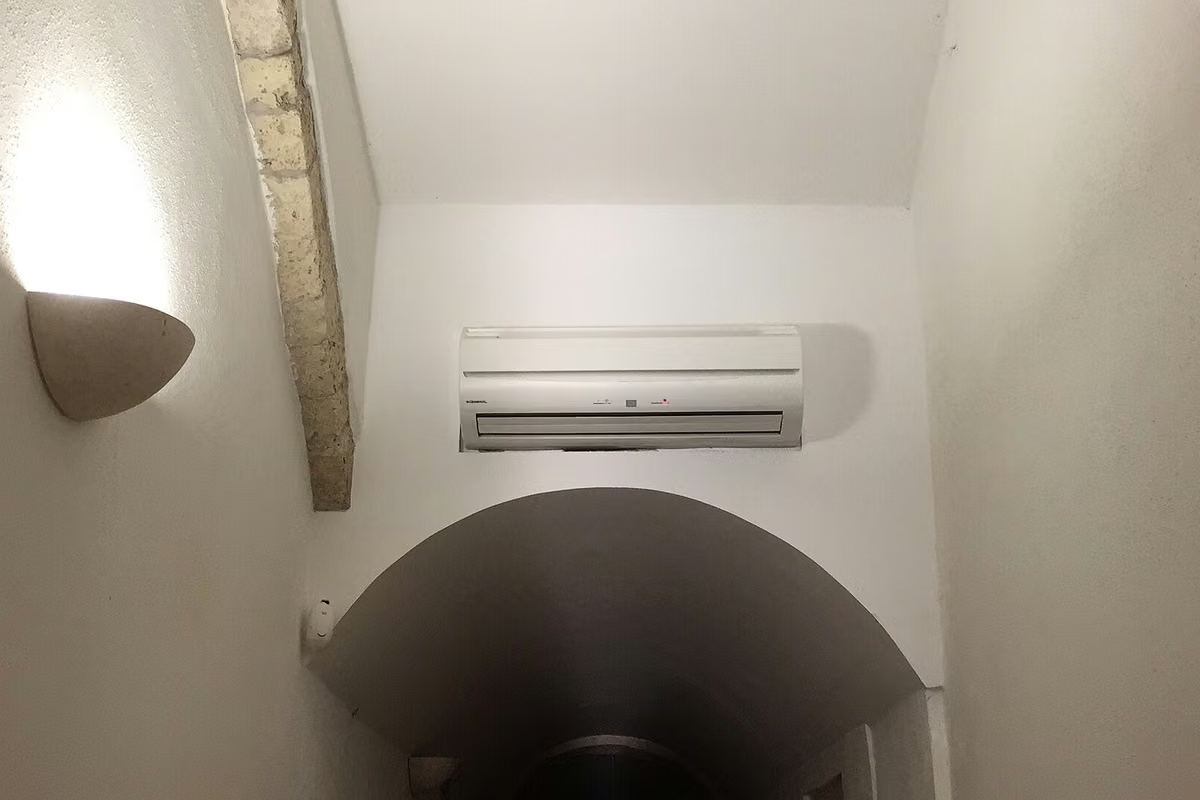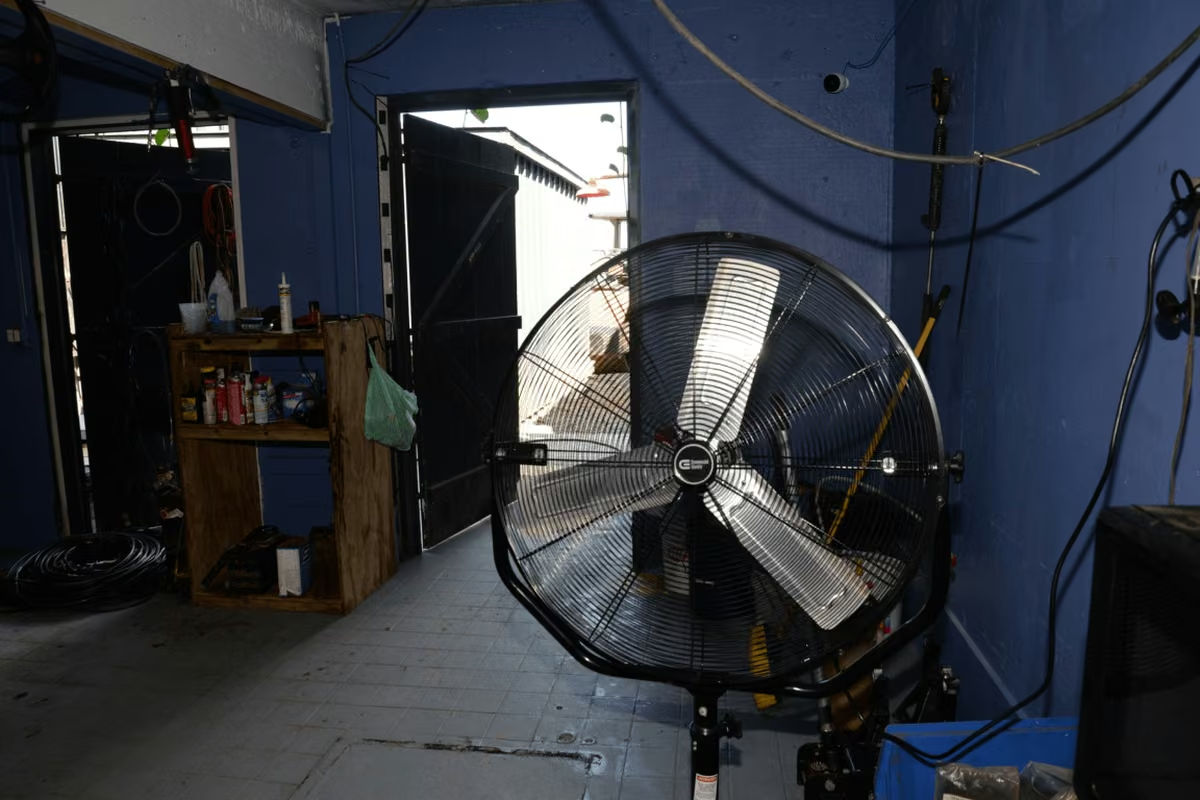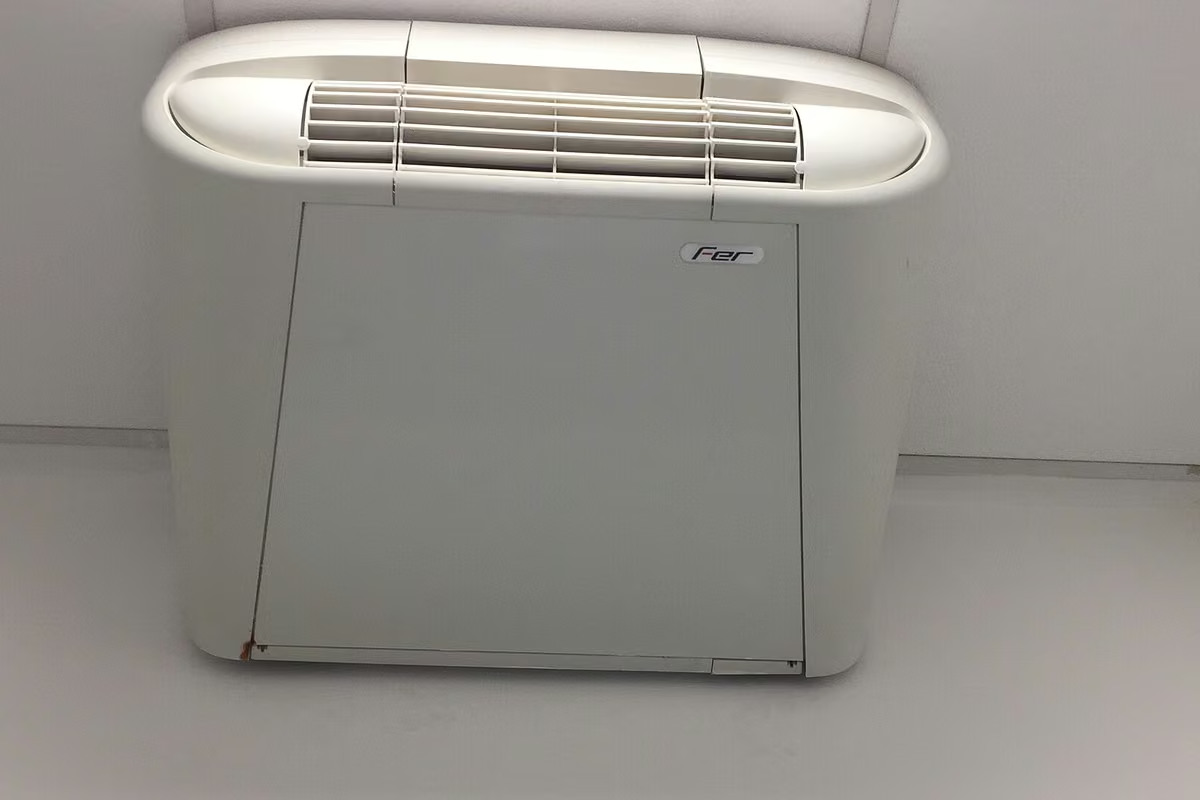
This category covers the appliances that keep homes and small businesses comfortable: equipment that cools, heats, moves or dries the air. Demand is strongly seasonal and varies with climate, so importers in hot regions buy cooling ranges ahead of summer while buyers in cooler markets stock heating before winter.
Cooling and heating capacity (BTU per hour or kW), energy efficiency ratings, refrigerant type, noise and voltage drive most comparisons. Air conditioners and heat pumps come from compressor-based factories, often with installer networks in mind, while fans and heaters come from small appliance makers that welcome private label orders. Check the import rules and certification required in your market, as energy labeling and refrigerant regulations differ widely. Buyers serving areas with unstable power supply often favor rechargeable fans, low-voltage start air conditioners and appliances with wide voltage tolerance. Spare parts, installation support and warranty service arrangements weigh heavily for the larger systems.
When sourcing climate products, confirm the seasonal timing with each supplier so stock lands before demand peaks. Ask for tested capacity and efficiency figures, refrigerant type and charge, compressor or motor origin, noise data and warranty terms. For fans and heaters, check tip-over and overheat protection; for split systems and heat pumps, ask about installation kits and spare part supply.
Manufacturers and distributors list air conditioners, fans, heaters, coolers, dehumidifiers and heat pumps with capacities, efficiency data, voltages and certificates. Buyers browse by product type, compare several sellers and send quote requests timed to their selling season.
Producers of cooling, heating and ventilation appliances can open a store on Towobo and display their seasonal ranges. Clear capacity, energy and refrigerant details in each listing help importers and retailers decide faster.
Key information for B2B buyers sourcing climate & air appliances from global manufacturers.
Factory-direct orders typically start at 100–500 units. Wholesalers often accept 10–50 unit MOQs. Always confirm MOQ and price breaks in writing before placing a bulk order.
Request certificates relevant to your market: CE (EU), ISO 9001 (quality), RoHS (electronics), and UN38.3 (battery transport). Verify originals before payment.
Sample orders typically ship in 3–7 days. Production runs take 15–45 days depending on volume. Confirm Incoterms (FOB, CIF, EXW) and freight charges before signing.
Request physical samples before committing to bulk. Use Towobo's Payment Protection on all transactions. Compare at least 3 suppliers on price, lead time, and certifications.