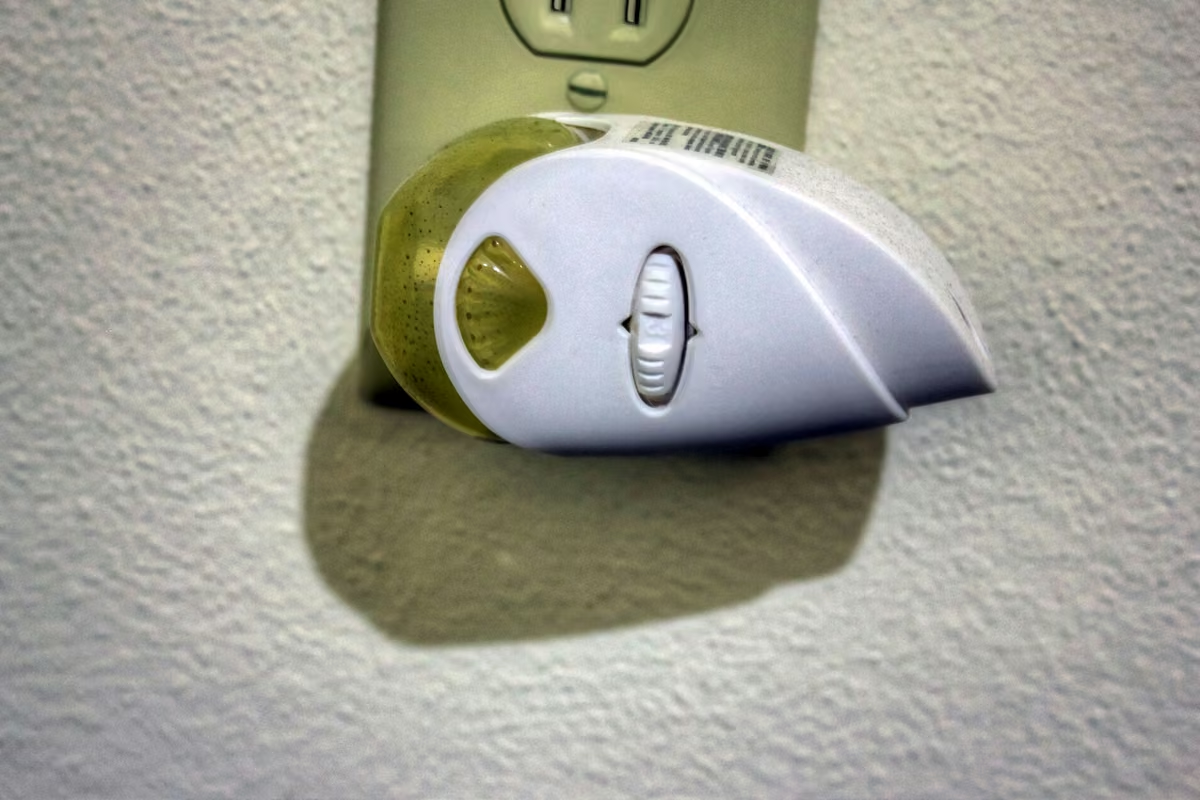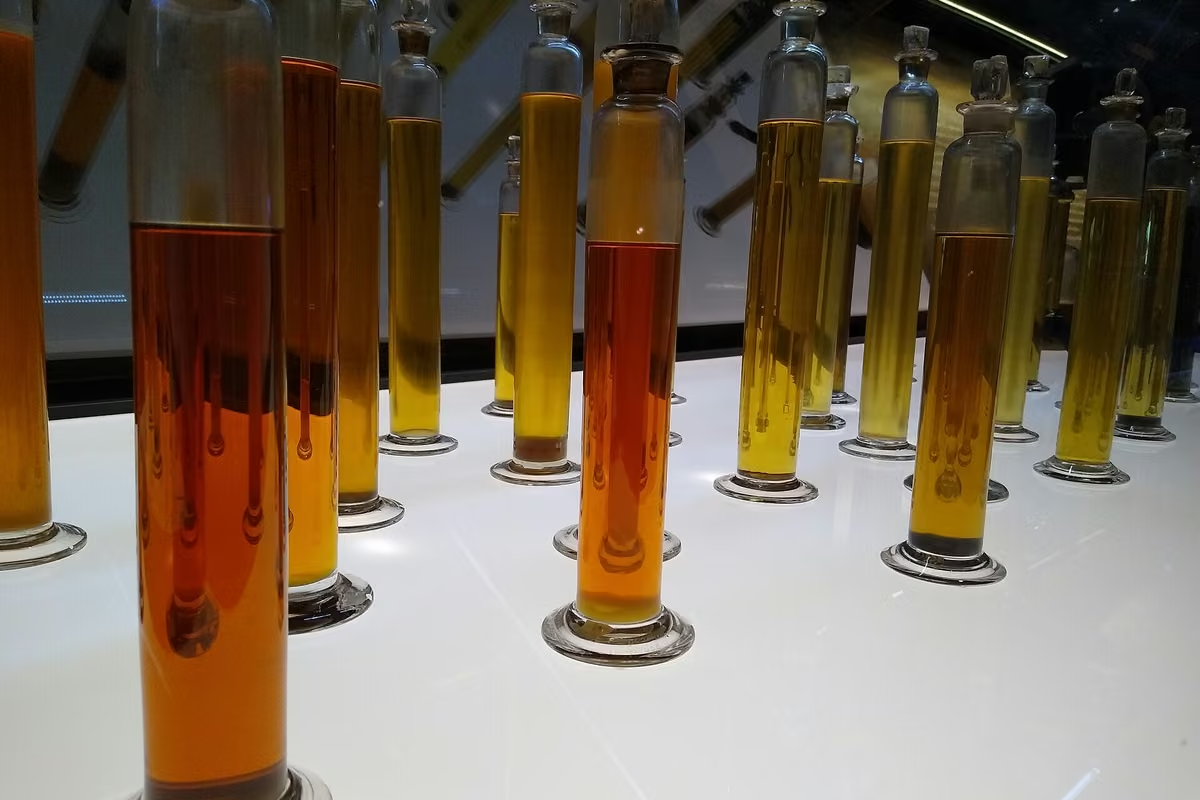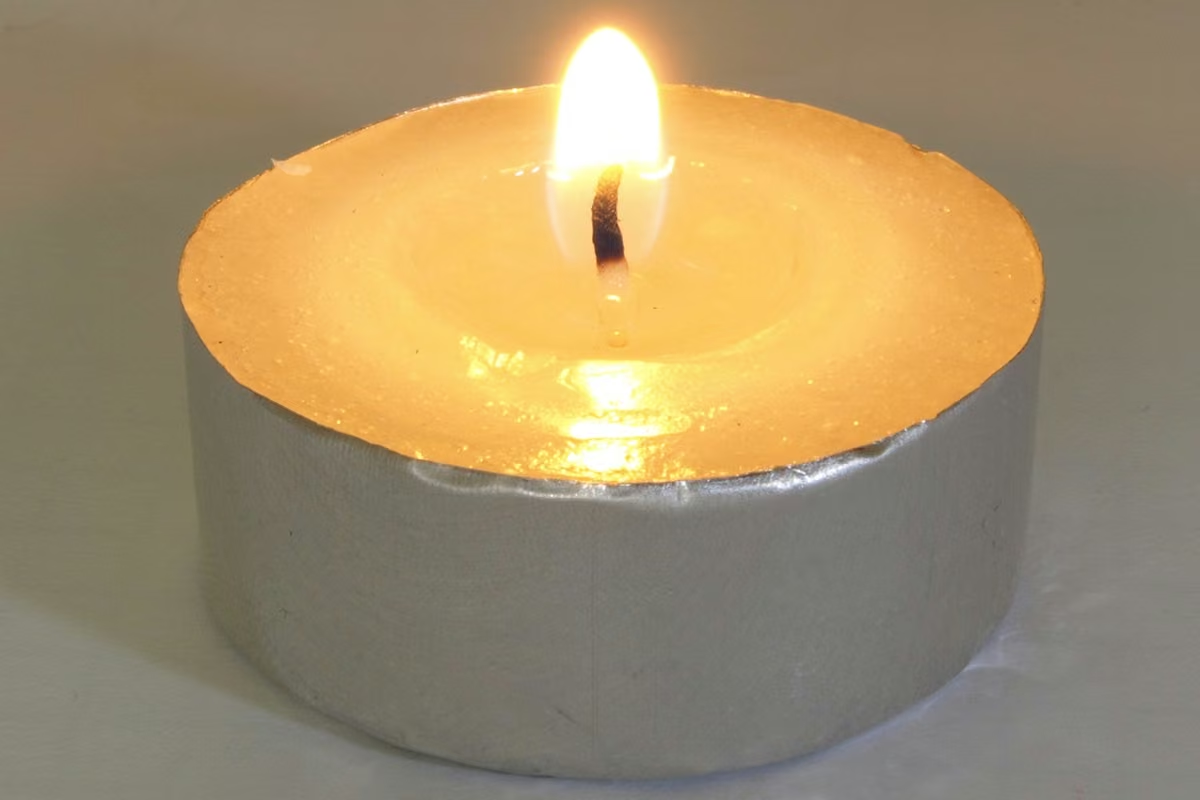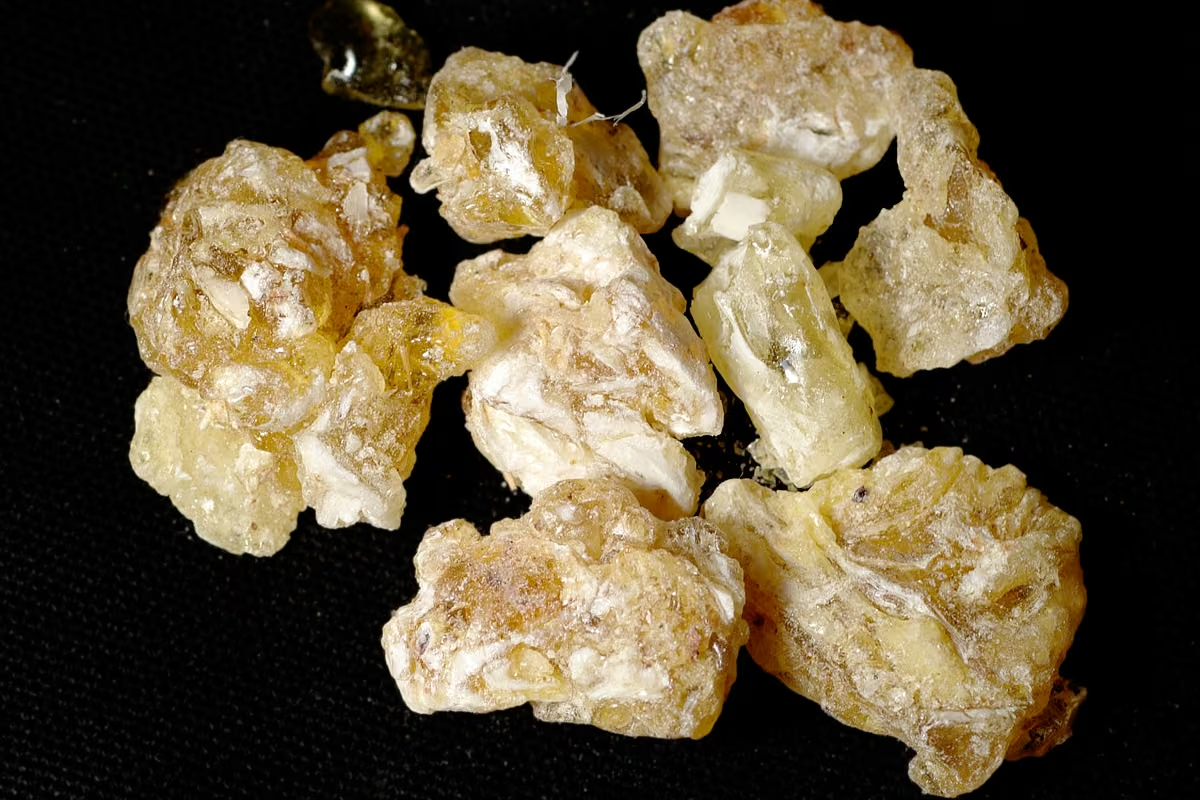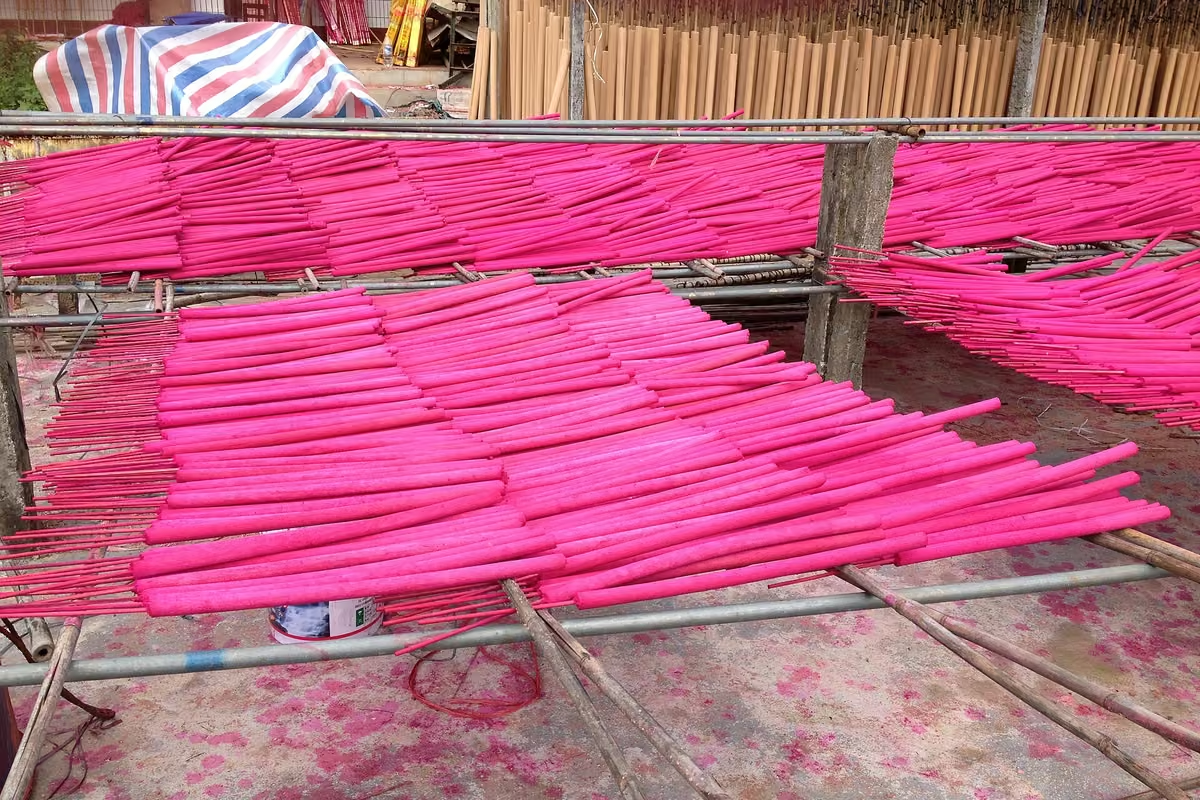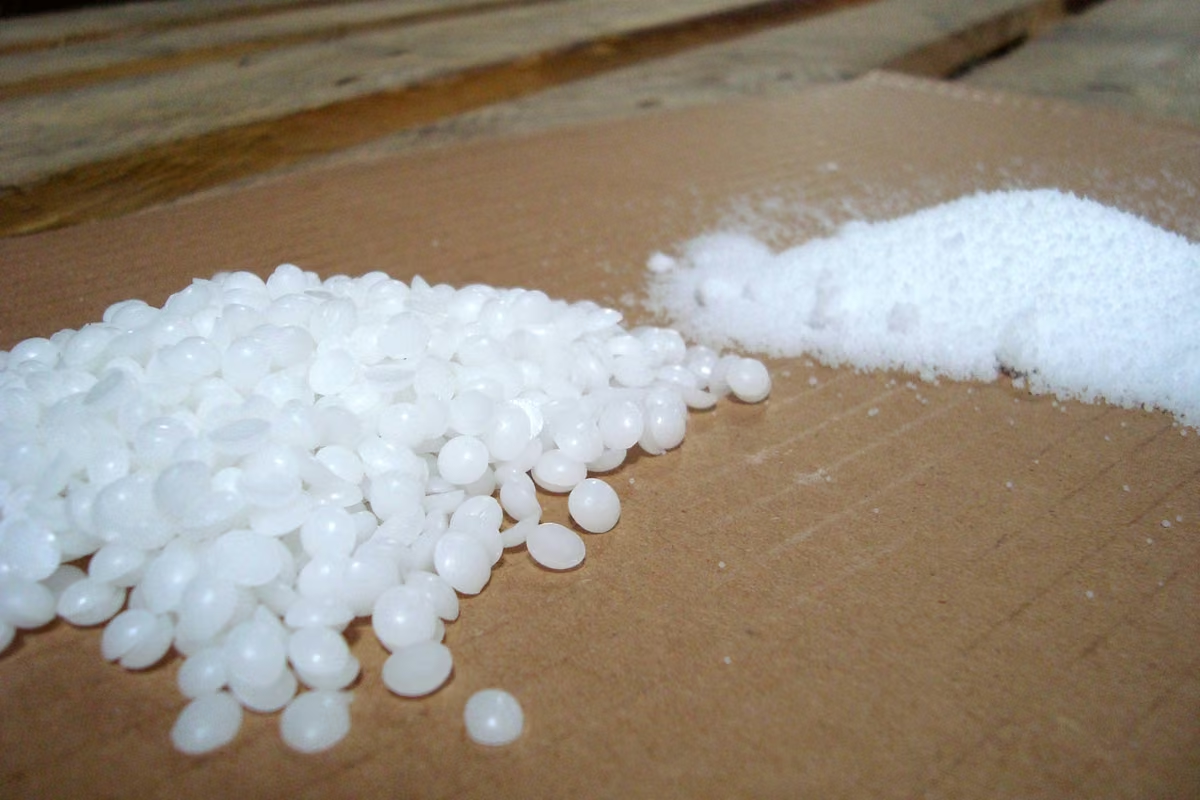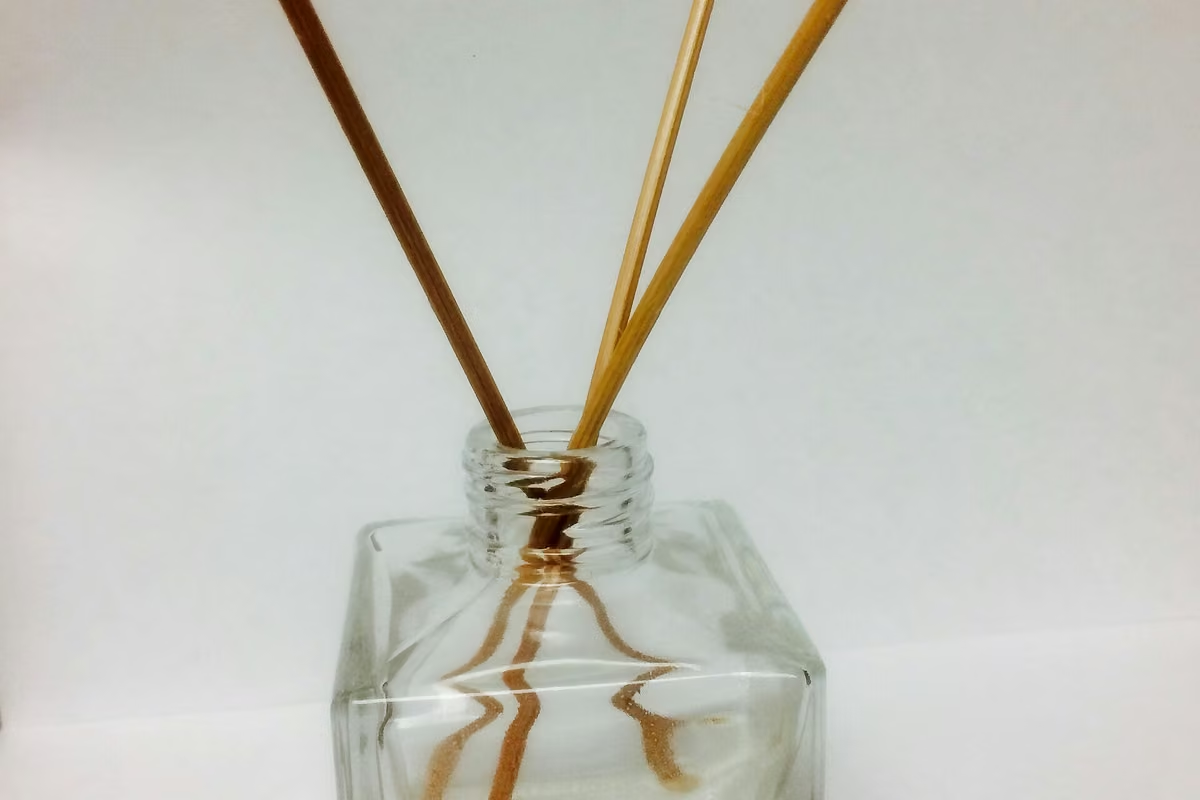

Home fragrance spans two trades: finished products that scent or light a room, and the raw materials candle makers turn into them. Buyers range from gift shops, department stores, supermarkets and homeware chains to hotels and spas, and from small independent candle brands to large contract manufacturers.
Fragranced products in many markets must carry safety and allergen labeling, and in Europe and the UK CLP labeling rules apply to candles and melts above certain fragrance levels. The IFRA standards guide safe fragrance use, and EN 15494 and related standards cover candle safety labeling and burning behavior. Buyers compare scent throw, burn time, wax type and packaging. Main producing countries include China, India, Vietnam, Poland and the United States, while India dominates traditional incense. Many factories cover several of these lines, so a buyer can often source candles, melts and diffusers from one producer with coordinated scents and packaging, while specialist mills and glassworks supply the raw materials and vessels behind them.
Fragrance compliance is the first filter for a home fragrance supplier: ask for safety data sheets and IFRA certificates for each fragrance, CLP or equivalent label artwork, and burn test results for candles. Check whether the supplier blends fragrance in-house, the minimum order per scent, color and vessel, and whether private label packaging, gift sets and seasonal collections can be developed to your timeline.
Candle factories, fragrance houses and candle-making supply wholesalers list their products on Towobo with wax types, fragrance details, burn times, vessel options and order minimums. Retail, hospitality and maker buyers compare ranges and send quote requests for stock or private label lines.
Producers of candles, diffusers, incense or candle-making materials can open a store on Towobo to present their range and receive enquiries from gift retailers, homeware chains and independent candle brands.
Key information for B2B buyers sourcing home fragrance & candles from global manufacturers.
Factory-direct orders typically start at 100–500 units. Wholesalers often accept 10–50 unit MOQs. Always confirm MOQ and price breaks in writing before placing a bulk order.
Request certificates relevant to your market: CE (EU), ISO 9001 (quality), RoHS (electronics), and UN38.3 (battery transport). Verify originals before payment.
Sample orders typically ship in 3–7 days. Production runs take 15–45 days depending on volume. Confirm Incoterms (FOB, CIF, EXW) and freight charges before signing.
Request physical samples before committing to bulk. Use Towobo's Payment Protection on all transactions. Compare at least 3 suppliers on price, lead time, and certifications.