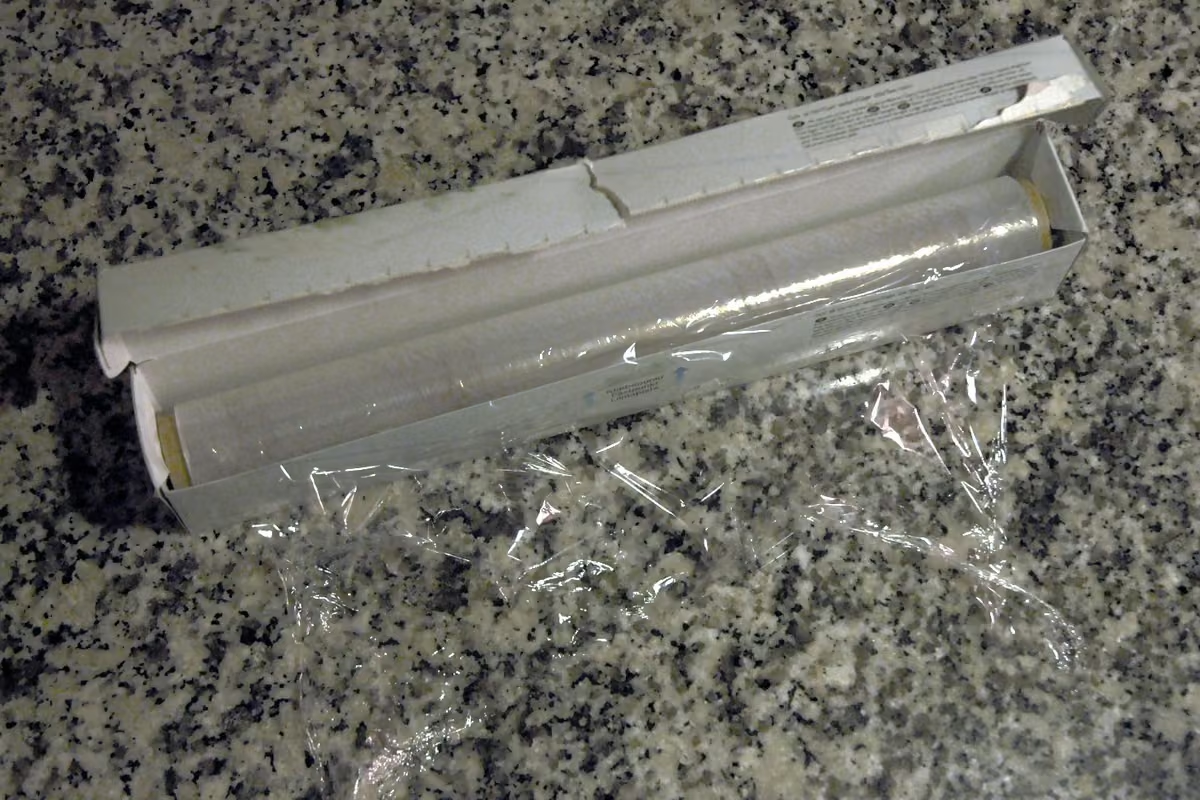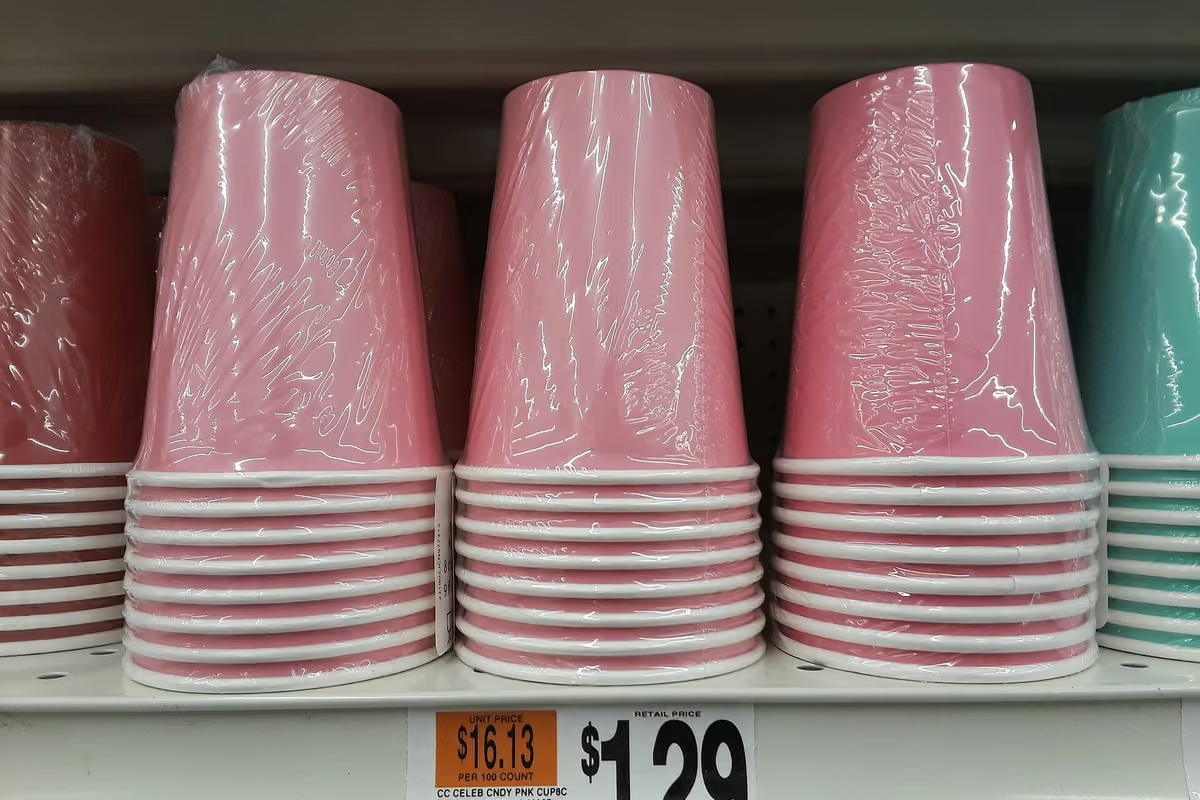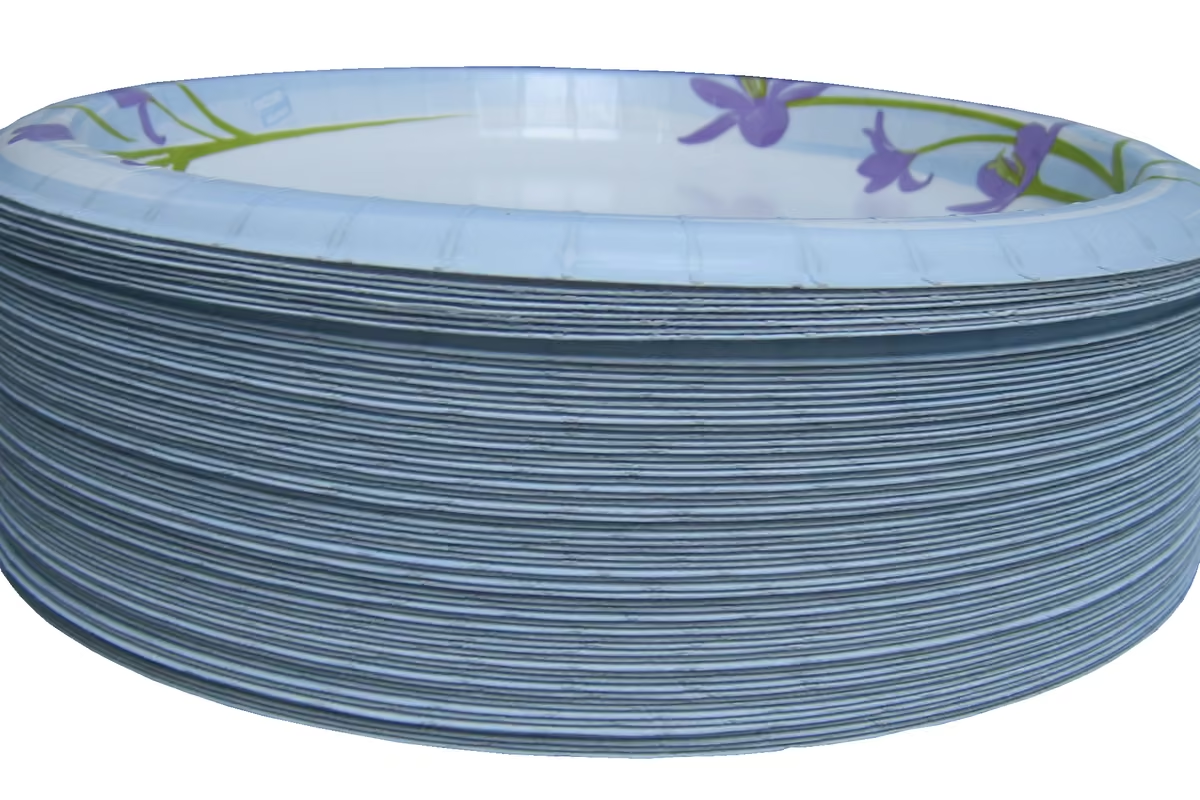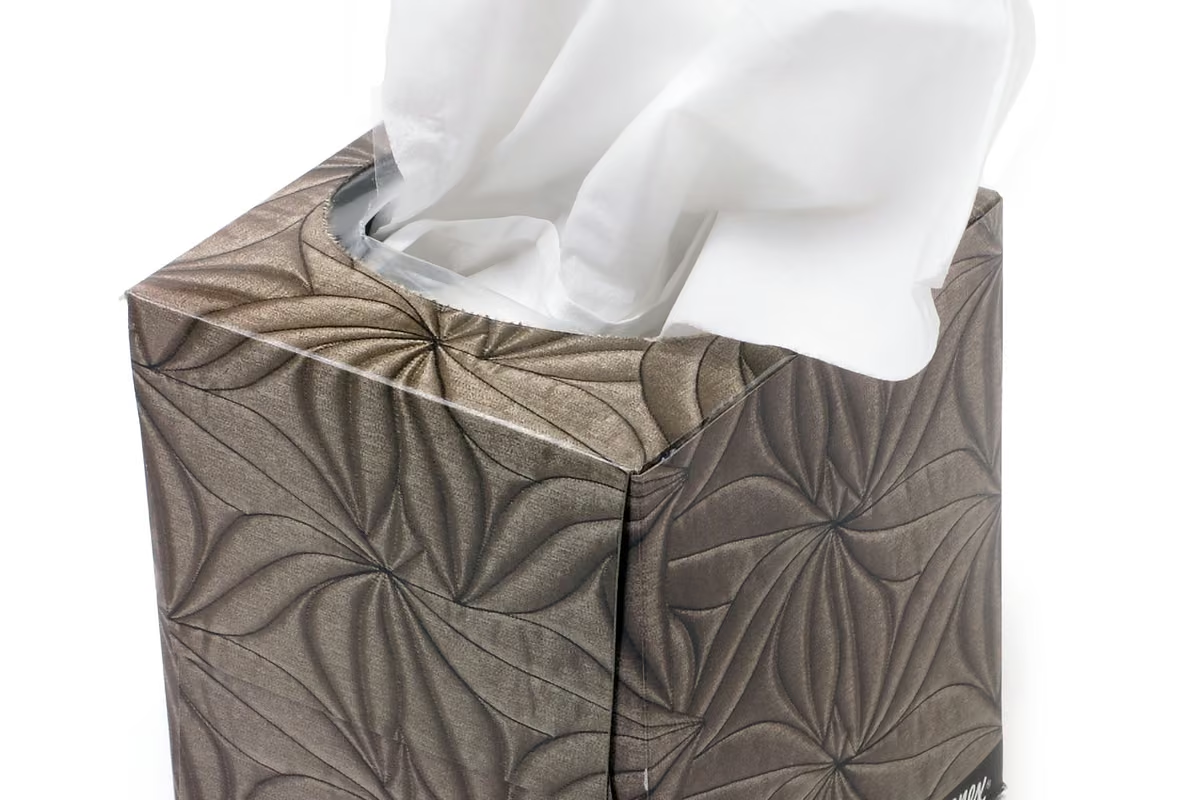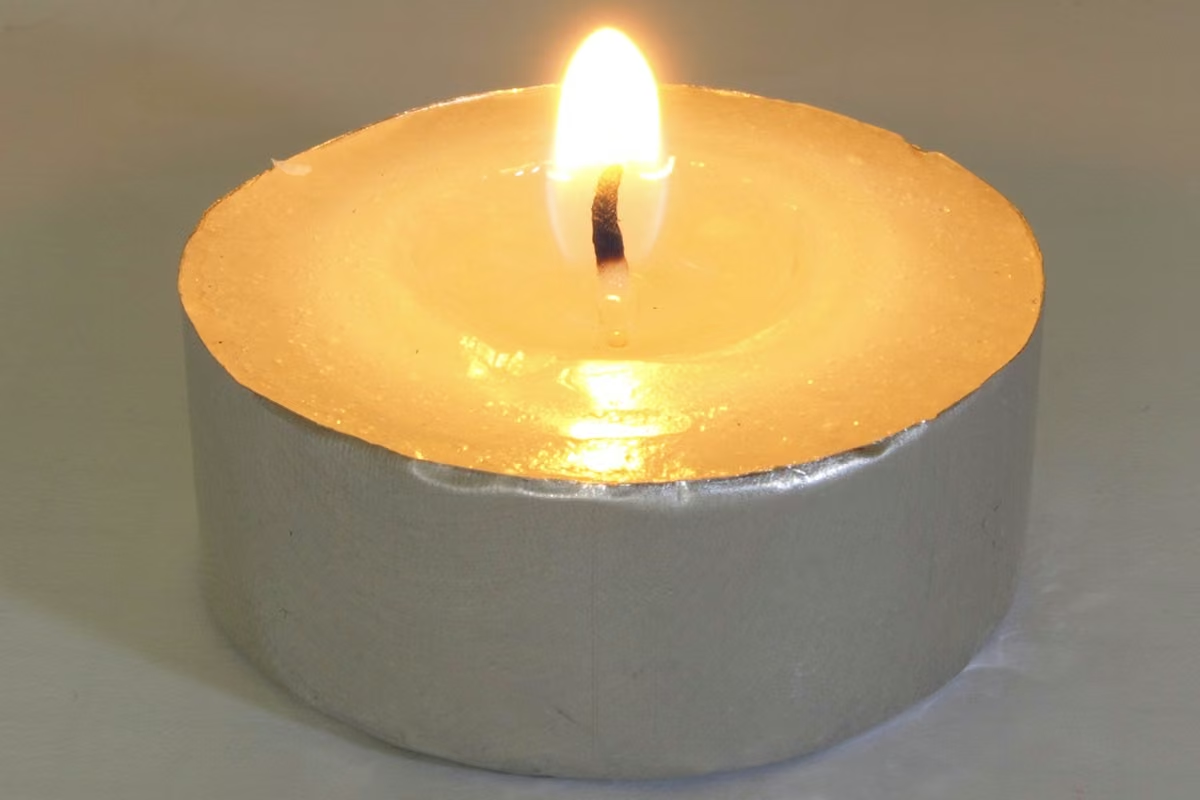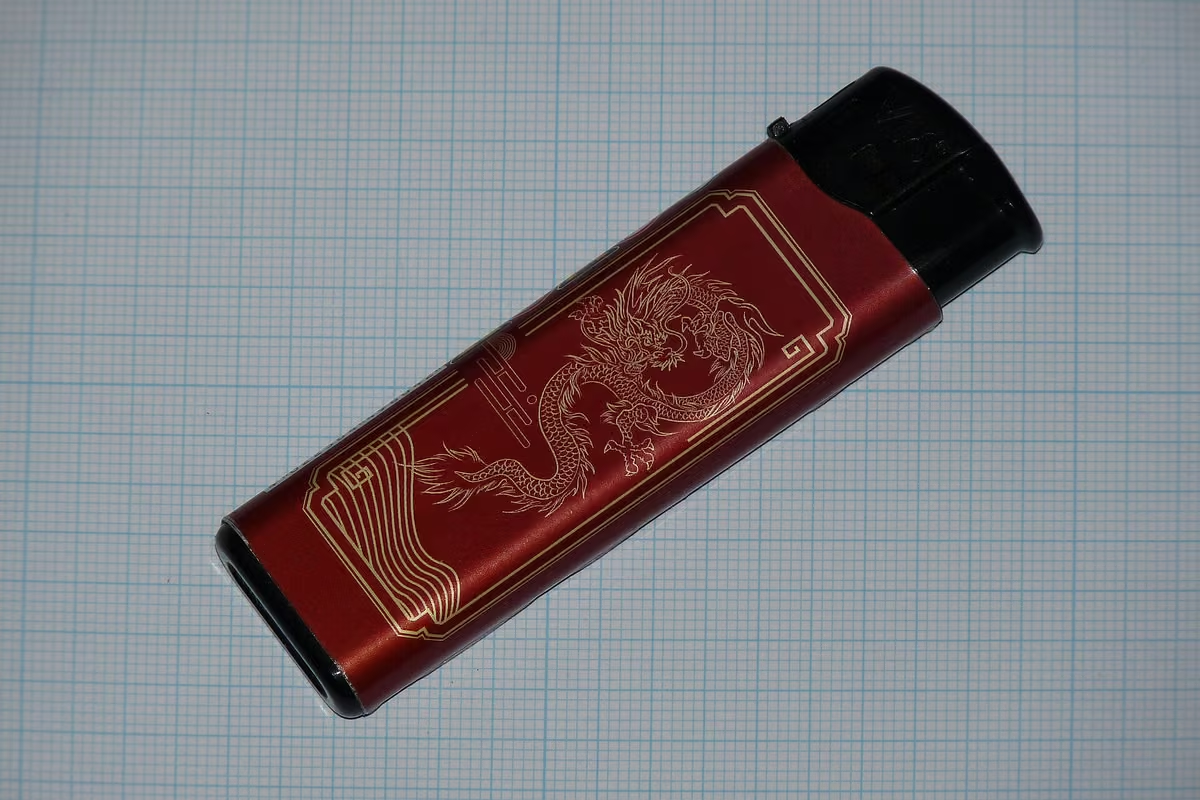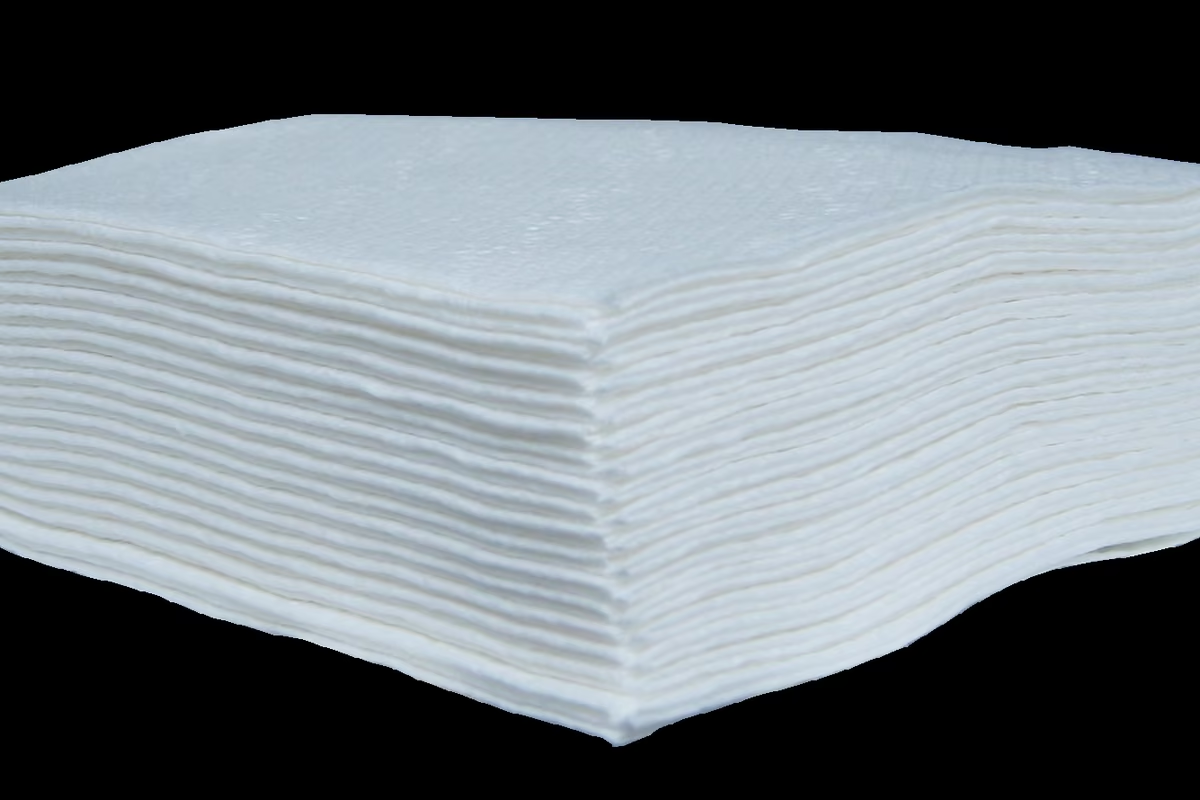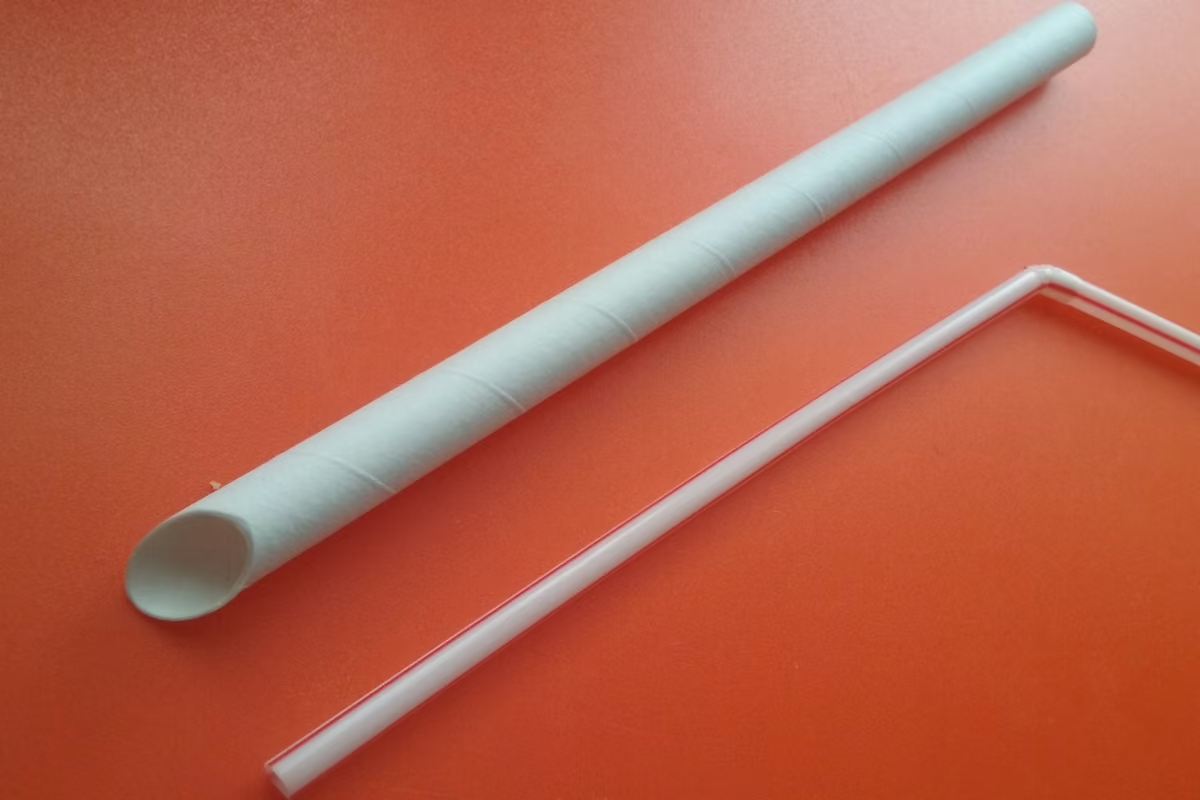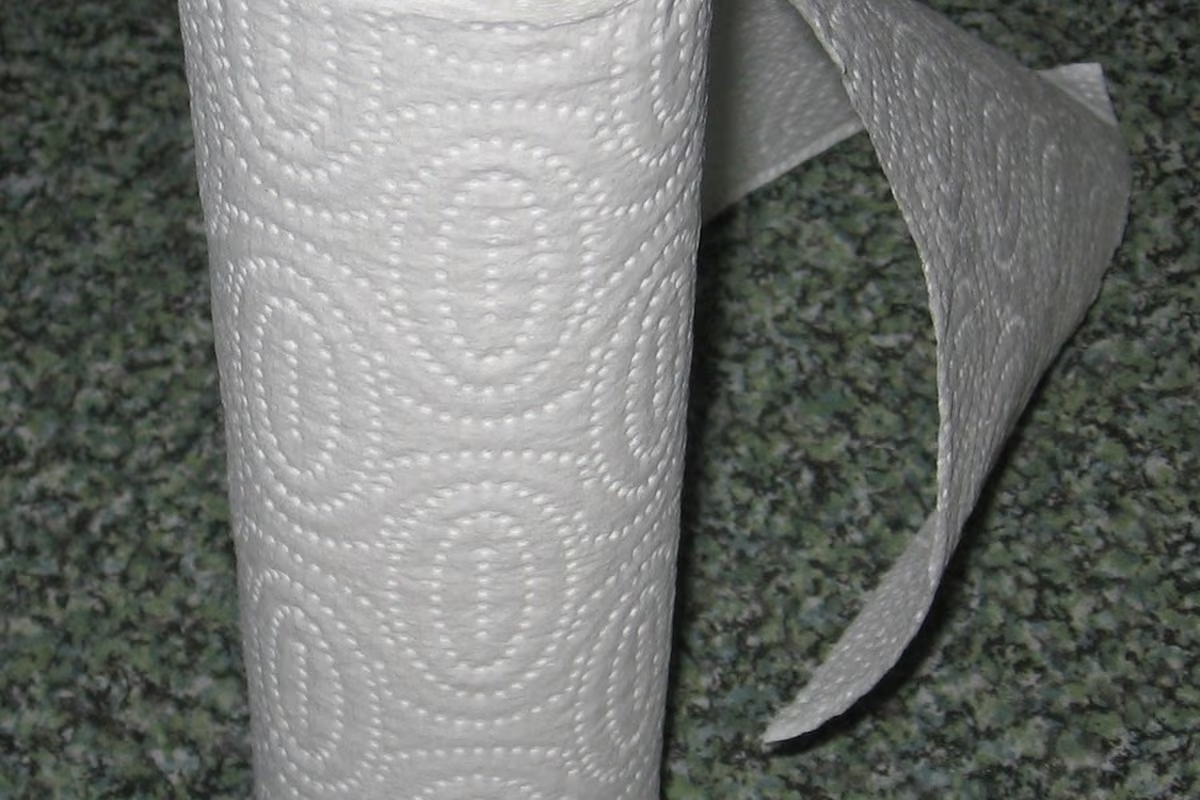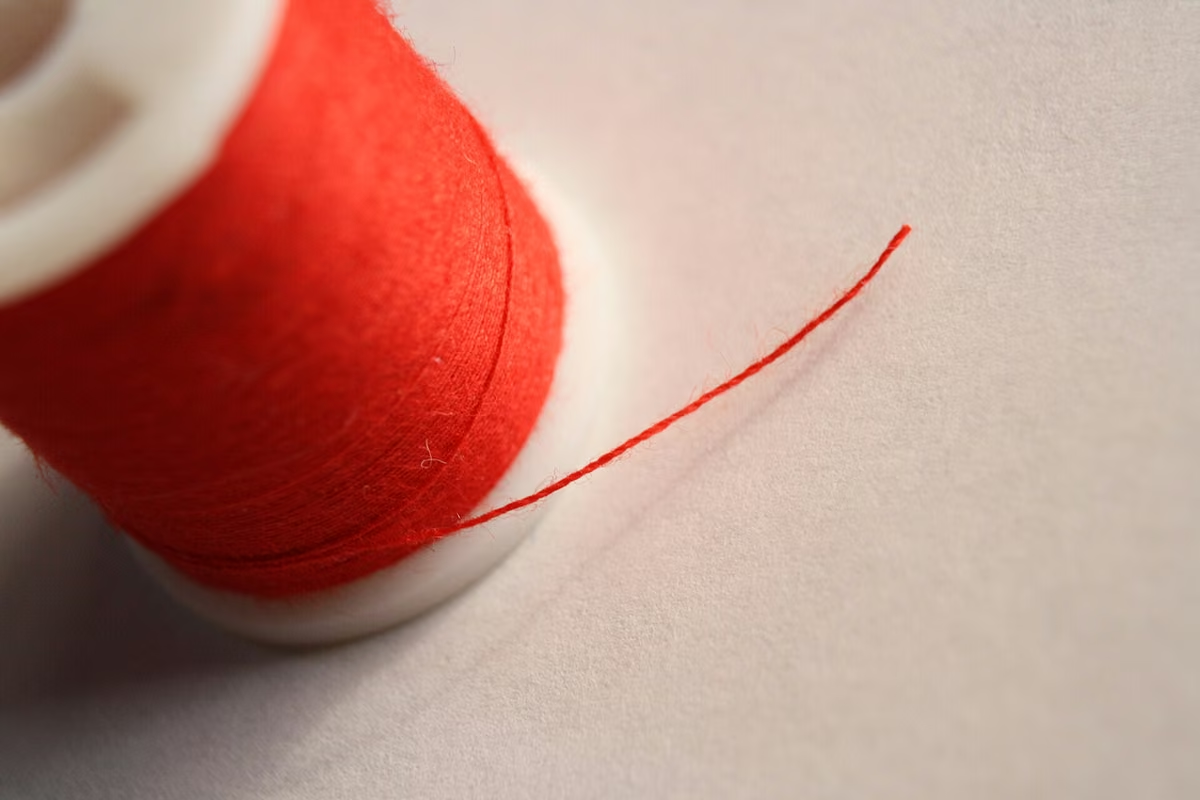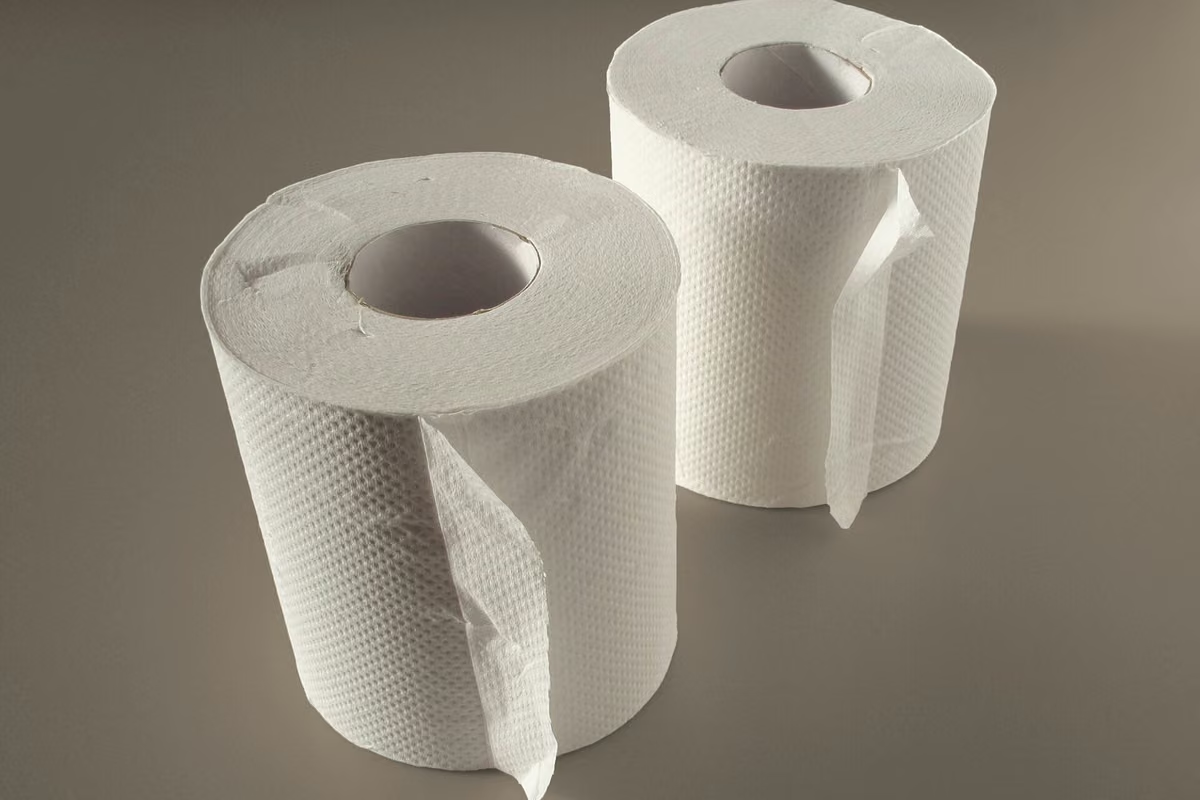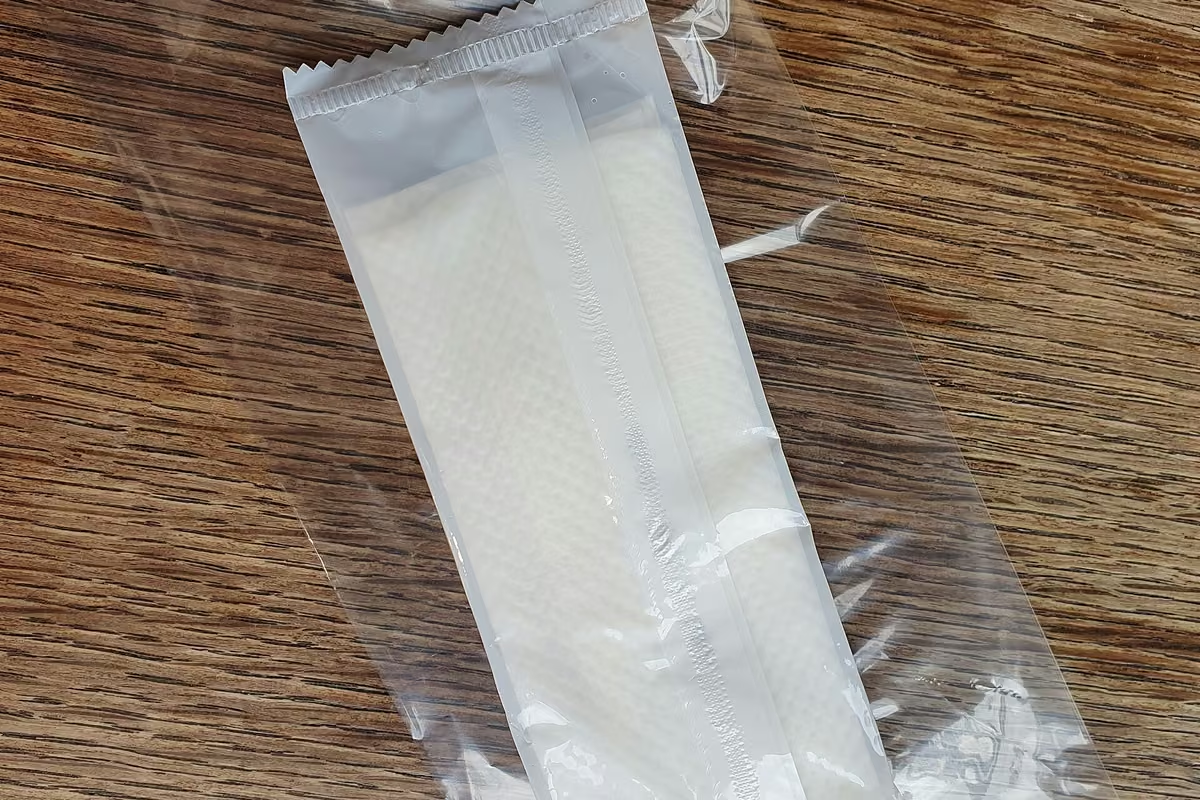
Household consumables are the items that get used up and reordered: tissue paper products, disposable tableware, fire starters, candles and basic sewing notions. They turn over quickly in supermarkets, convenience stores, cash and carry outlets and catering suppliers, so buyers focus on unit cost, pack count and reliable repeat supply.
Retailers usually buy branded or private label packs and care about barcode-ready packaging, shelf-friendly carton sizes and promotional pack formats. Food service and facilities buyers prioritize dispenser compatibility, case counts and cost per use. Single-use plastic restrictions now shape cup and cutlery ranges in many markets, pushing buyers towards paper, wood and compostable materials, so check the rules that apply where you sell.
Tissue mills and converters make napkins, towels and rolls; packaging and molding firms make cups and cutlery; match factories and lighter assemblers form a specialist niche because of safety rules; candle makers range from large wax pourers to small workshops. Many importers fill mixed containers across these lines.
When comparing household consumable suppliers, ask for the exact count, ply, weight or size per pack and per case, since small changes alter the real unit cost. Check private label capability and minimums, barcode and labeling support, and the material declarations needed for single-use plastics rules. For matches and lighters, confirm safety standards and dangerous goods shipping arrangements before ordering.
Converters, manufacturers and wholesalers list tissue products, disposable tableware, matches, lighters, candles and sewing items with pack counts, materials and case details. Buyers browse the range by type, compare unit costs and pack formats, and send quote requests for retail or food service supply.
Makers and distributors of everyday household consumables can open a store on Towobo and list their lines with clear pack specifications, so supermarkets, cash and carry buyers and catering suppliers can find them and request prices.
Key information for B2B buyers sourcing household consumables from global manufacturers.
Factory-direct orders typically start at 100–500 units. Wholesalers often accept 10–50 unit MOQs. Always confirm MOQ and price breaks in writing before placing a bulk order.
Request certificates relevant to your market: CE (EU), ISO 9001 (quality), RoHS (electronics), and UN38.3 (battery transport). Verify originals before payment.
Sample orders typically ship in 3–7 days. Production runs take 15–45 days depending on volume. Confirm Incoterms (FOB, CIF, EXW) and freight charges before signing.
Request physical samples before committing to bulk. Use Towobo's Payment Protection on all transactions. Compare at least 3 suppliers on price, lead time, and certifications.