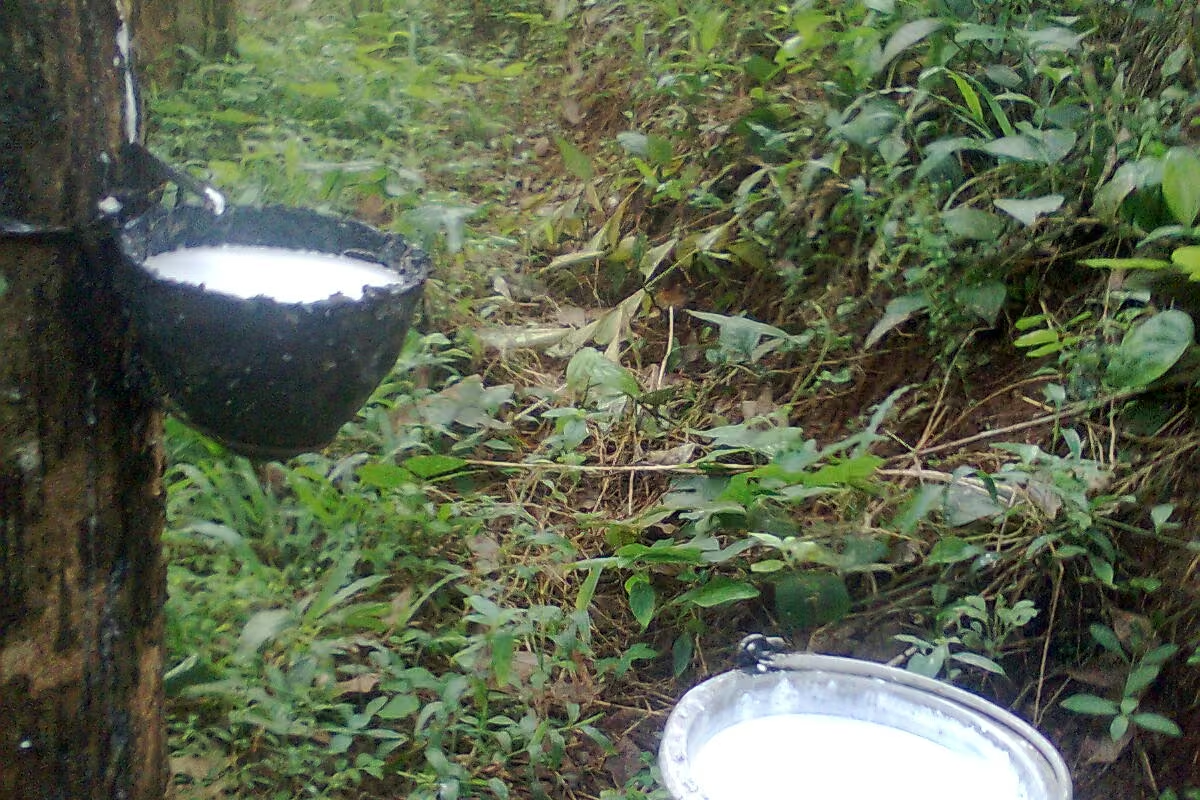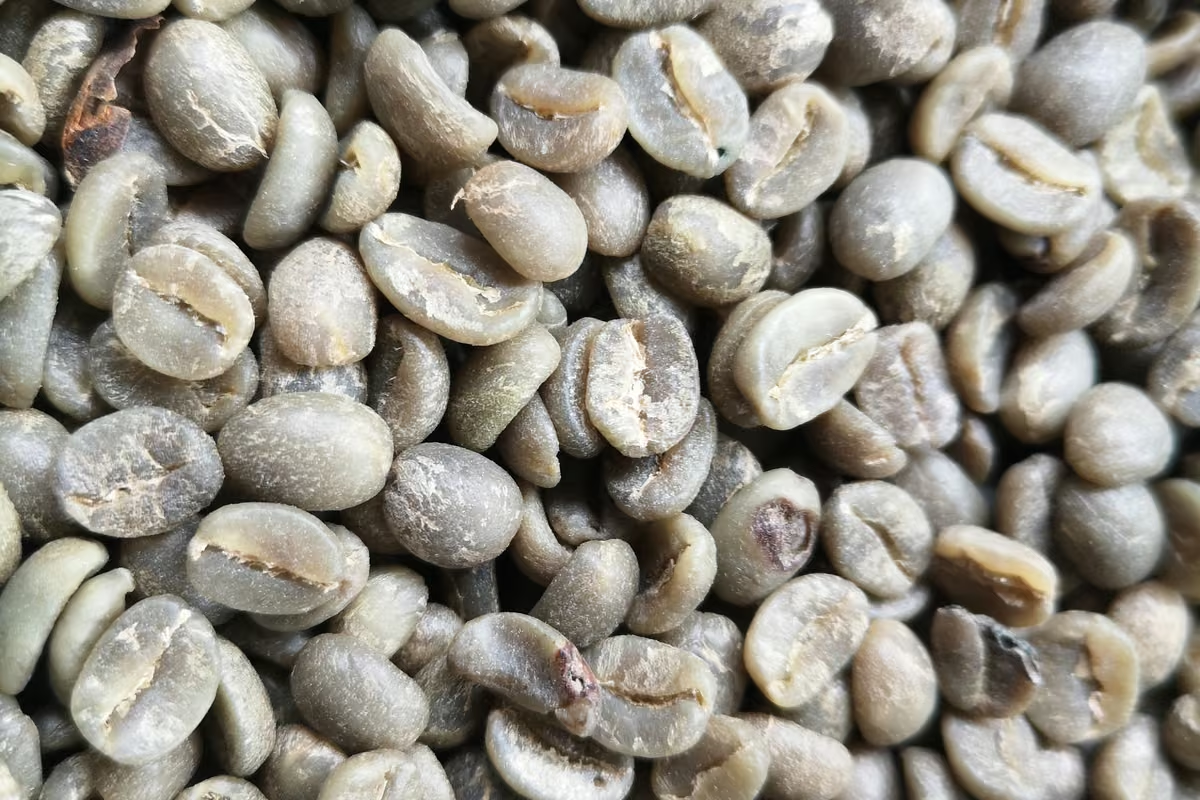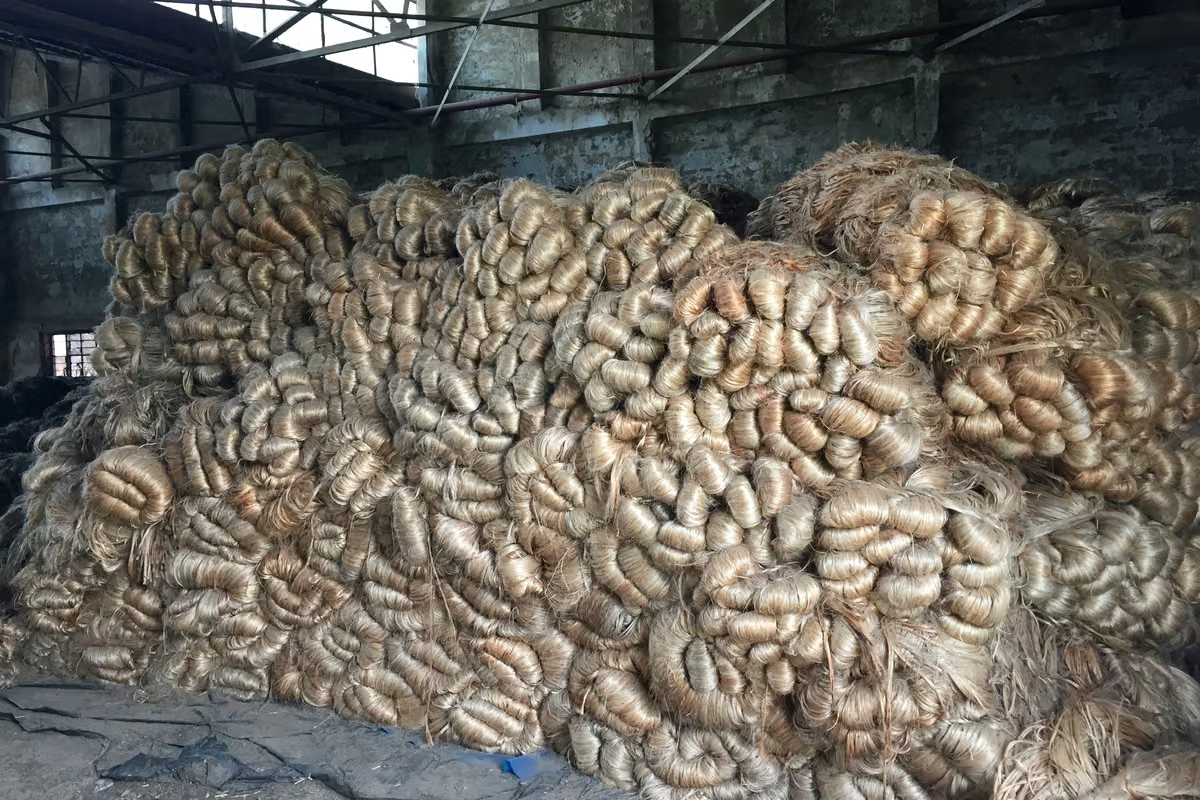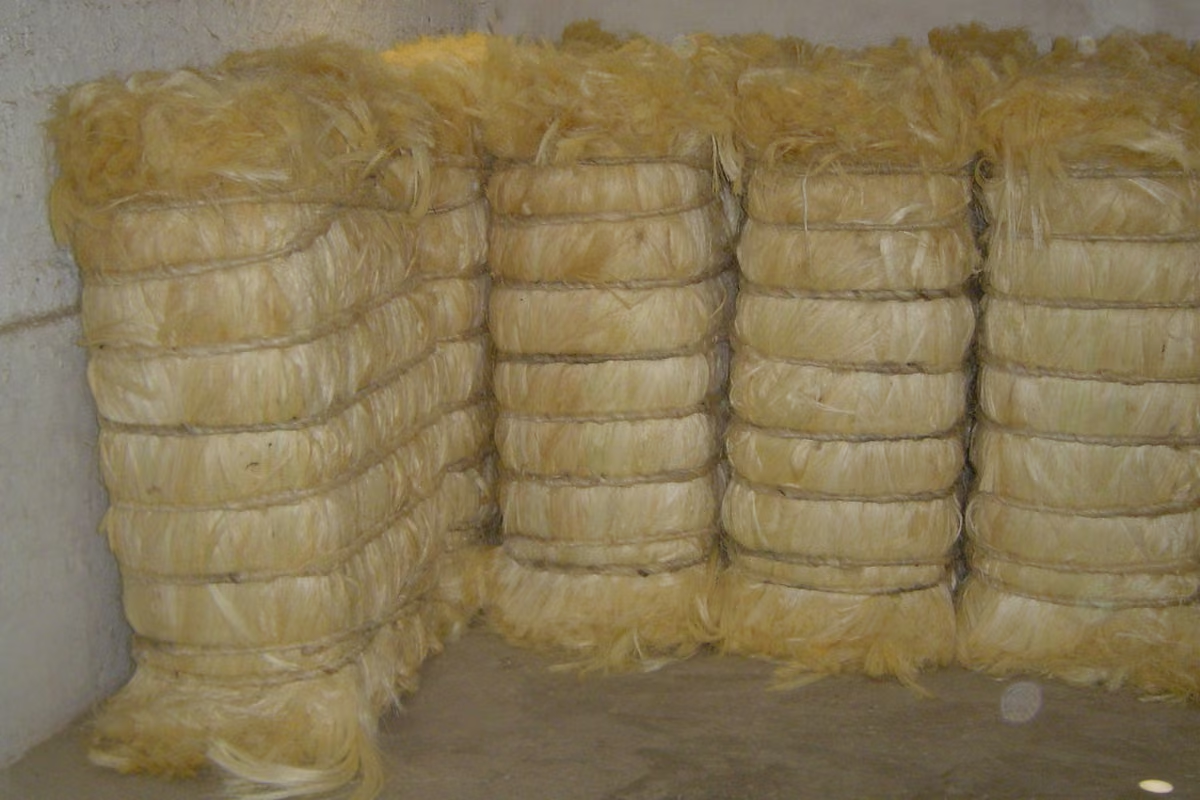
This category gathers the crops grown mainly for sale to processors rather than for direct eating. Most leave the farm as a raw material: a fiber to be spun or pressed, a gum or latex to be cleaned and graded, or a harvest that must reach a mill or factory before it spoils.
Shelf life drives most decisions here. Lint, sisal, hemp and gum arabic store well and cross oceans in containers, so buyers compare grade, origin and contract terms. Tea leaf, cane, palm bunches and cherries lose value within hours or days, so they are bought from growers close to the processing plant, often under seasonal supply agreements that set quality deductions.
Sellers range from smallholder cooperatives and outgrower schemes to estates, ginneries, decortication units and export traders. Fiber and gum buyers usually ask for a grade certificate and inspection, while factories sourcing perishable crops focus on delivery schedules, harvest volumes and how quality will be measured at the weighbridge.
Before signing with a supplier of industrial crops, confirm how quality is measured and who measures it: an HVI test for cotton, dry rubber content for latex, sucrose for cane and beet, ripeness counts for palm bunches. Ask for the grading standard in writing, the expected volume per week or season, and the transport time from farm to your plant, since many of these crops degrade quickly after harvest.
Growers, cooperatives, estates and fiber traders list cash crops on Towobo with the crop, grade, harvest season, available volume and the form it ships in, from ginned bales to fresh bunches. Processors compare these offers and send quote requests that state quantity, delivery point and quality terms.
Grow, gin, decorticate or trade industrial crops? A store on Towobo lets you show mills and factories what you harvest each season and how you deliver it.
Key information for B2B buyers sourcing cash crops & industrial crops from global manufacturers.
Factory-direct orders typically start at 100–500 units. Wholesalers often accept 10–50 unit MOQs. Always confirm MOQ and price breaks in writing before placing a bulk order.
Request certificates relevant to your market: CE (EU), ISO 9001 (quality), RoHS (electronics), and UN38.3 (battery transport). Verify originals before payment.
Sample orders typically ship in 3–7 days. Production runs take 15–45 days depending on volume. Confirm Incoterms (FOB, CIF, EXW) and freight charges before signing.
Request physical samples before committing to bulk. Use Towobo's Payment Protection on all transactions. Compare at least 3 suppliers on price, lead time, and certifications.