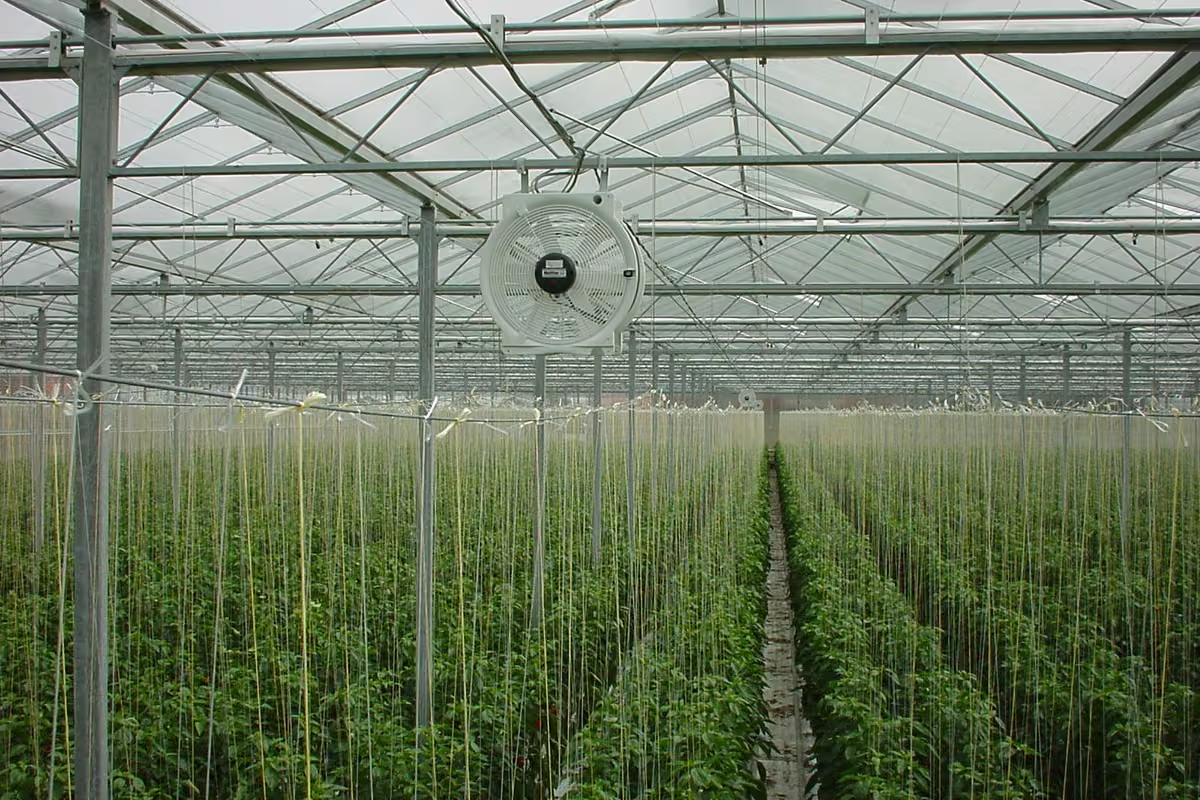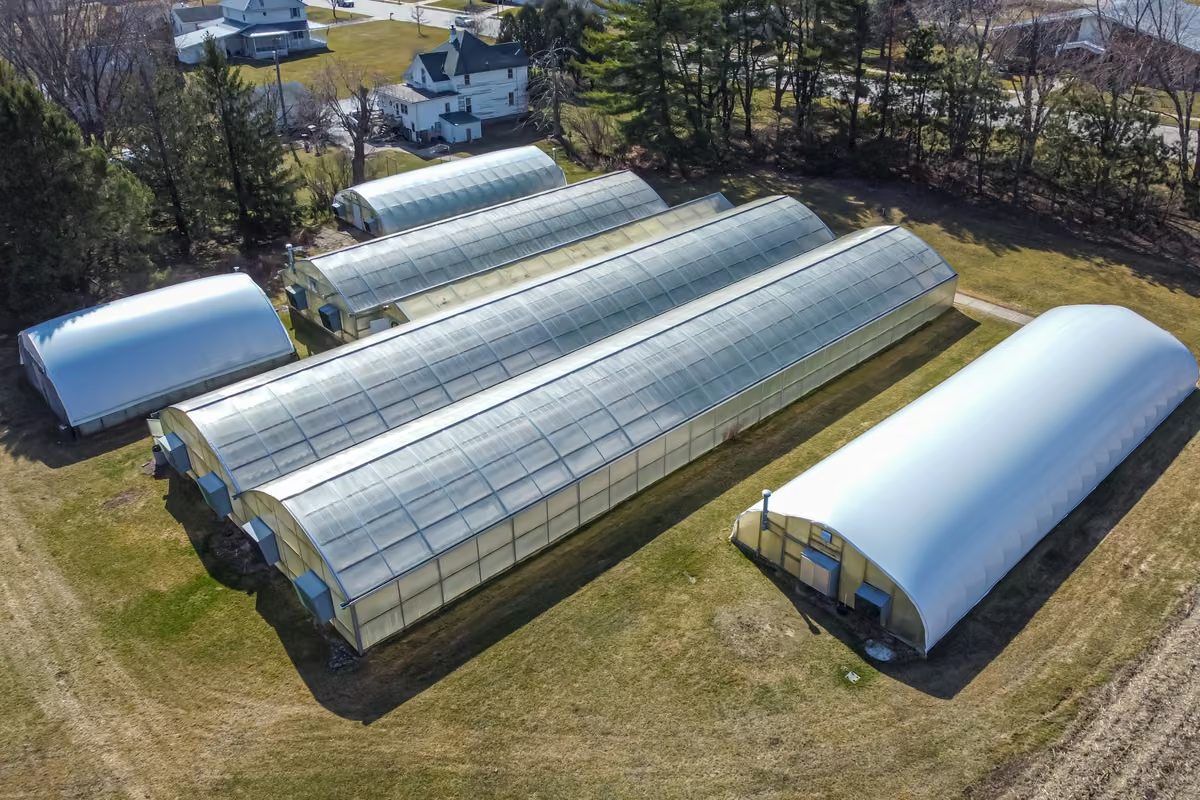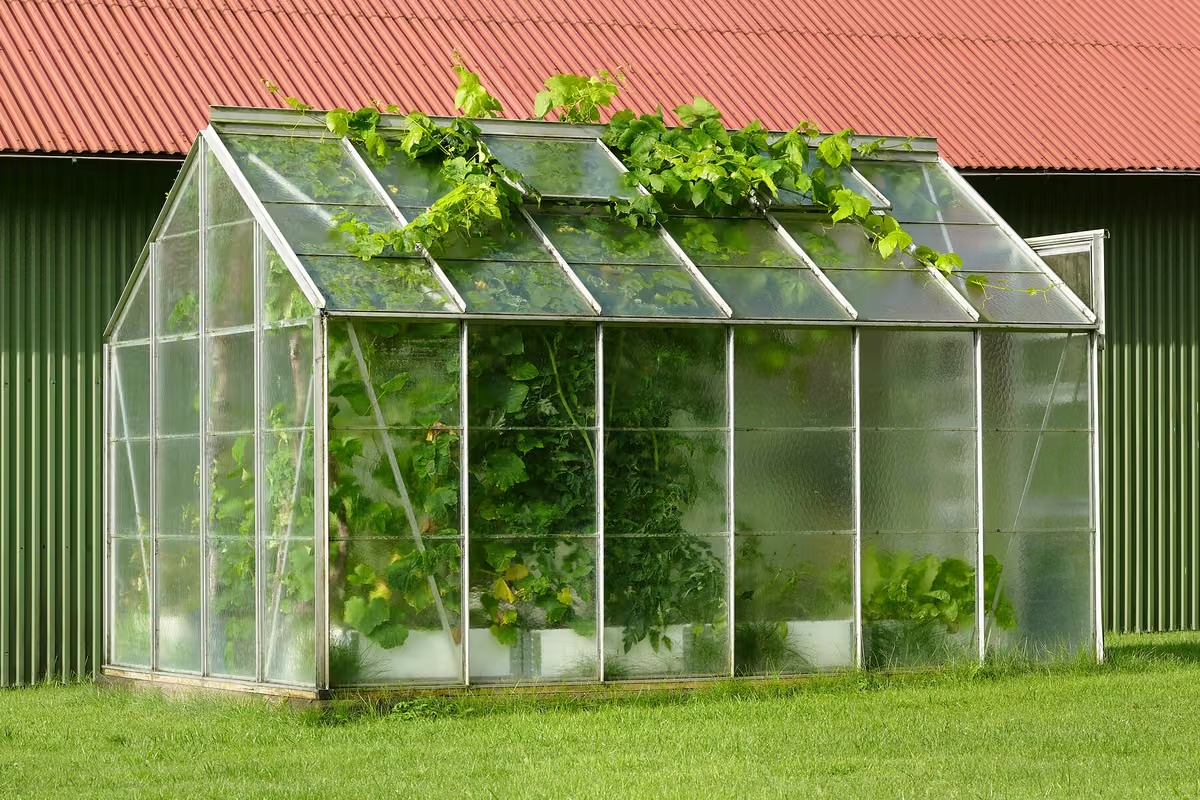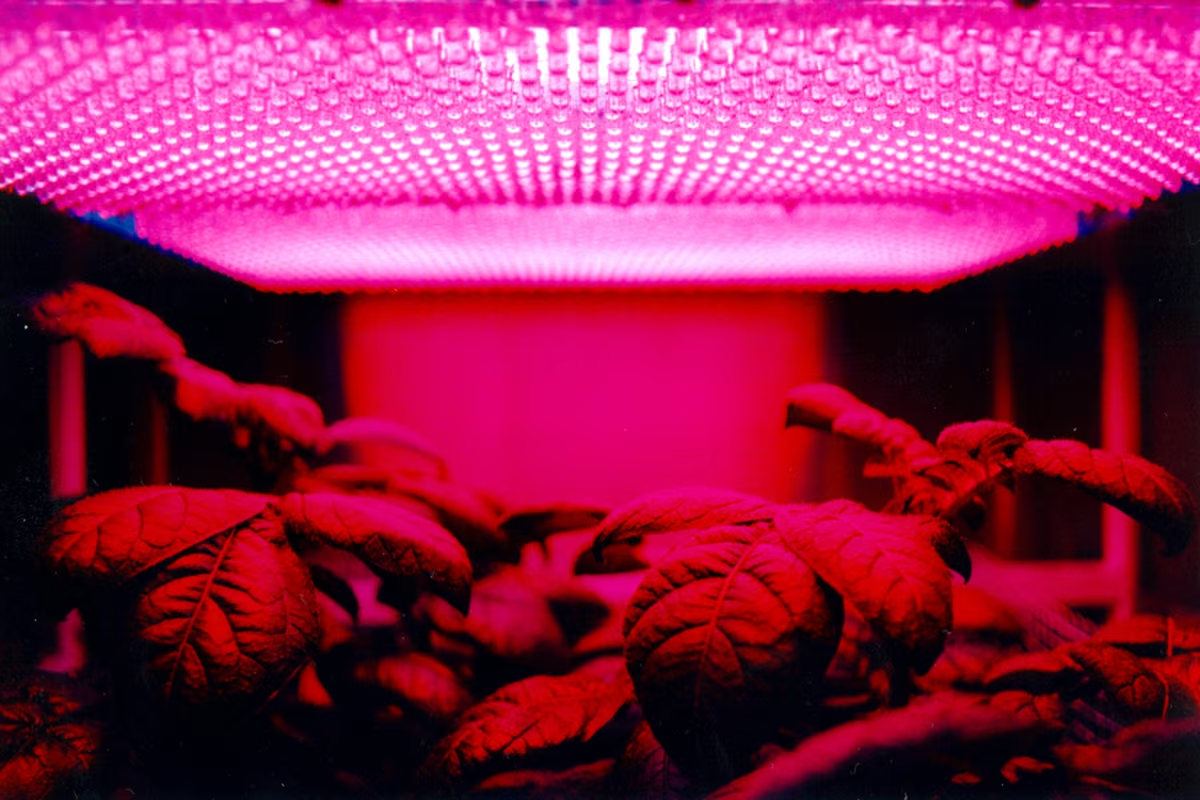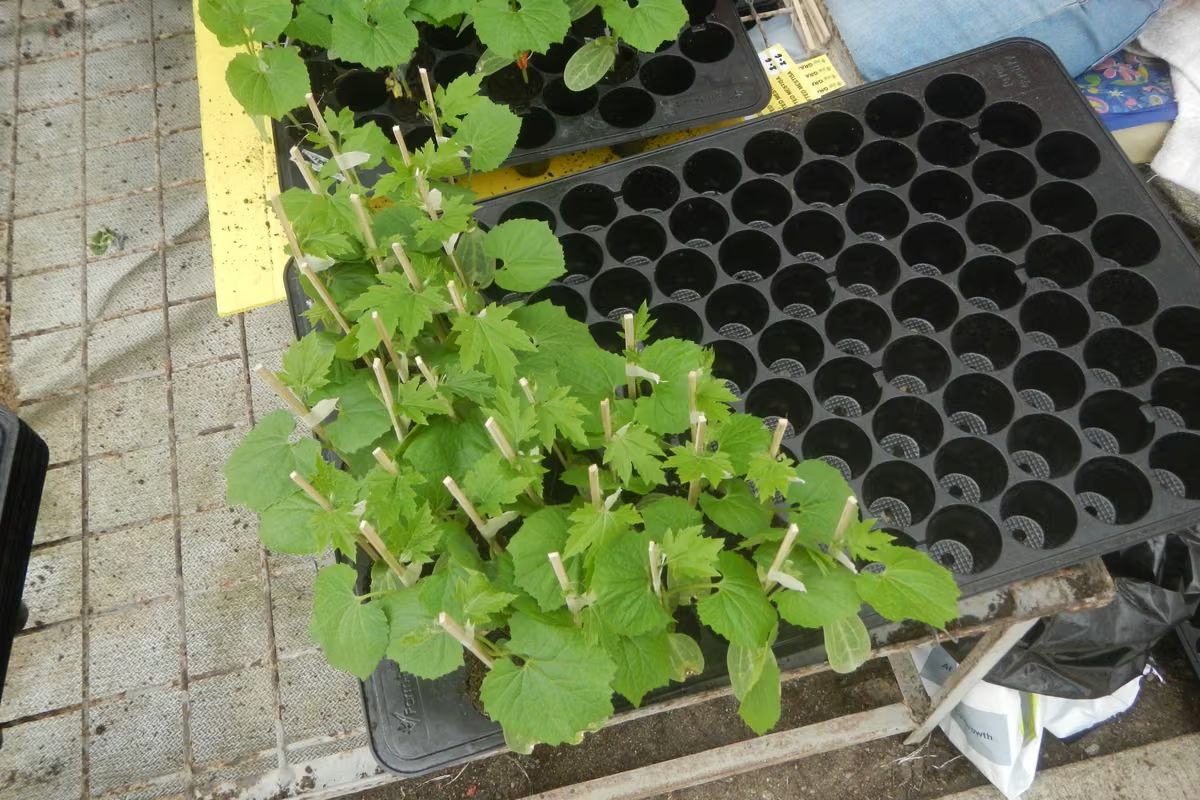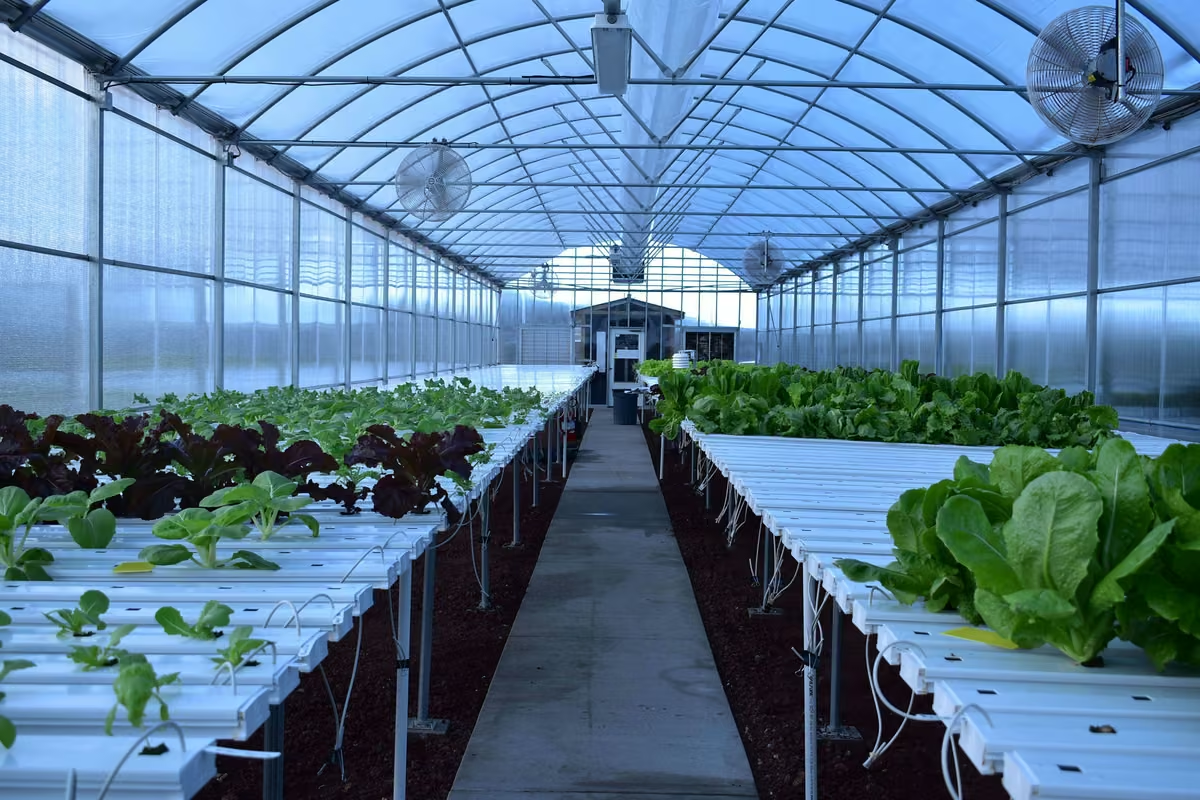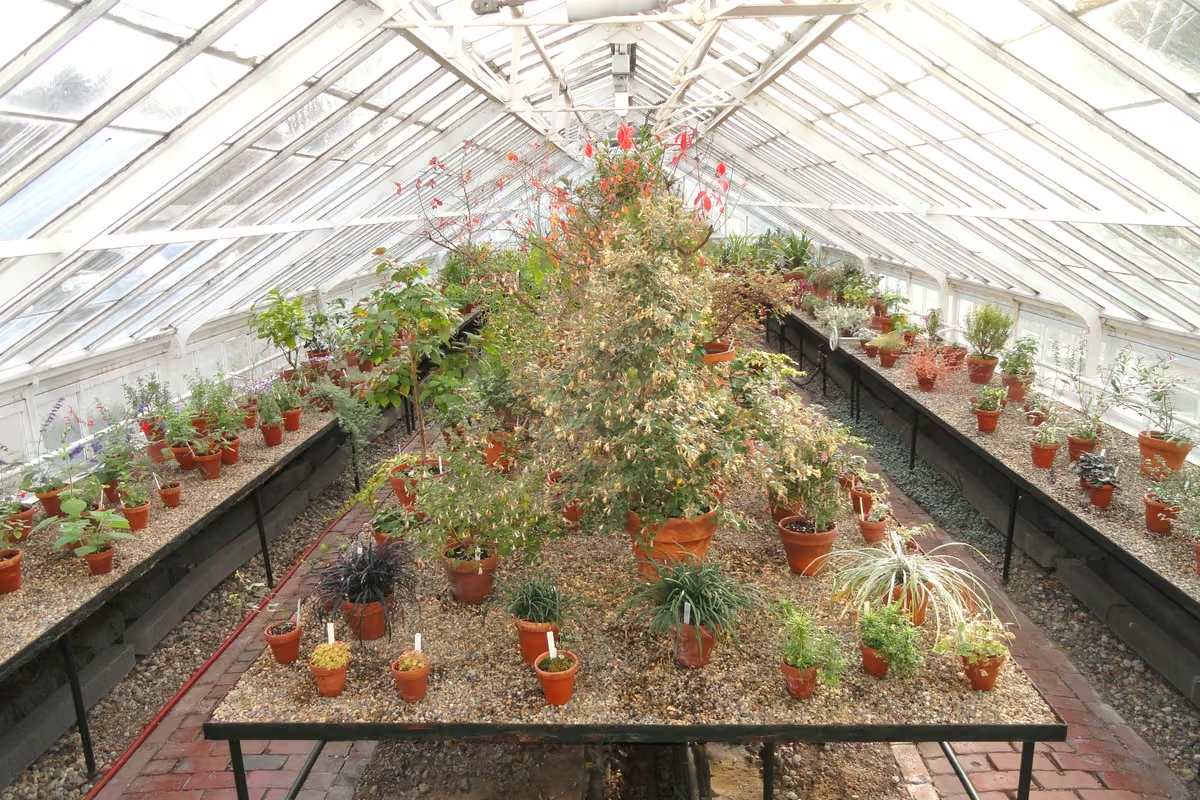
Protected cultivation means growing crops under a structure or cover that changes the conditions around them: keeping out rain, hail, insects and excess sun, or holding in heat and humidity. It extends seasons, raises yields per square meter and improves quality, and it covers anything from a simple shade house to a fully controlled glasshouse.
Climate drives most decisions. In hot, bright regions, growers favor shade houses, insect-proof net houses and evaporative cooling; in cold climates, insulated structures, double film or glass and heating. The crop and budget then decide between soil-based growing with mulch and drip, or a soilless system with substrate and fertigation.
Greenhouse builders design and erect complete projects, often bundling film, nets, irrigation and climate equipment. Film extruders, net knitters, tray molders and substrate producers sell to these builders, to distributors and directly to large growers. Many buyers request a turnkey quote with drawings, wind and snow load data and an installation schedule.
When comparing protected cultivation suppliers, ask for references from projects in a similar climate, the design loads for wind and snow, and the materials and coatings used. Check whether covers and nets carry a UV life guarantee in seasons or years, what climate equipment is included, and whether the supplier handles installation, training and after-sales support for growers.
Greenhouse builders, film and net manufacturers, substrate producers and hydroponic system makers list structures, covers, trays, media and climate equipment, with dimensions, materials, UV ratings and order formats. Buyers compare offers across the category and request quotes for a single product line or a turnkey growing project.
Supply growers who work under cover? Open a store on Towobo and present your structures, covers or systems to commercial farms, nurseries and agricultural investors expanding their protected growing area or upgrading older houses.
Key information for B2B buyers sourcing greenhouses & protected cultivation from global manufacturers.
Factory-direct orders typically start at 100–500 units. Wholesalers often accept 10–50 unit MOQs. Always confirm MOQ and price breaks in writing before placing a bulk order.
Request certificates relevant to your market: CE (EU), ISO 9001 (quality), RoHS (electronics), and UN38.3 (battery transport). Verify originals before payment.
Sample orders typically ship in 3–7 days. Production runs take 15–45 days depending on volume. Confirm Incoterms (FOB, CIF, EXW) and freight charges before signing.
Request physical samples before committing to bulk. Use Towobo's Payment Protection on all transactions. Compare at least 3 suppliers on price, lead time, and certifications.