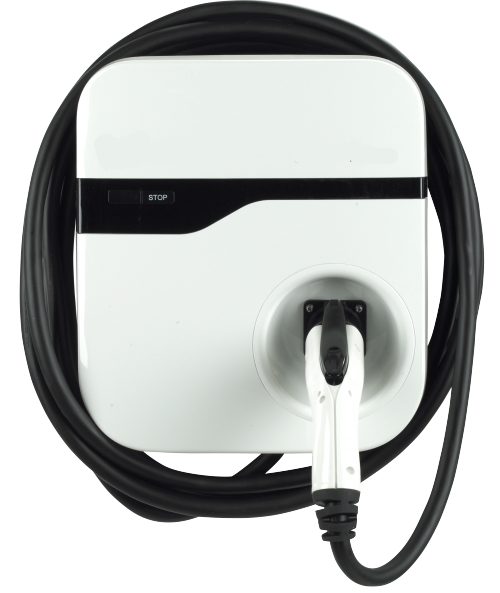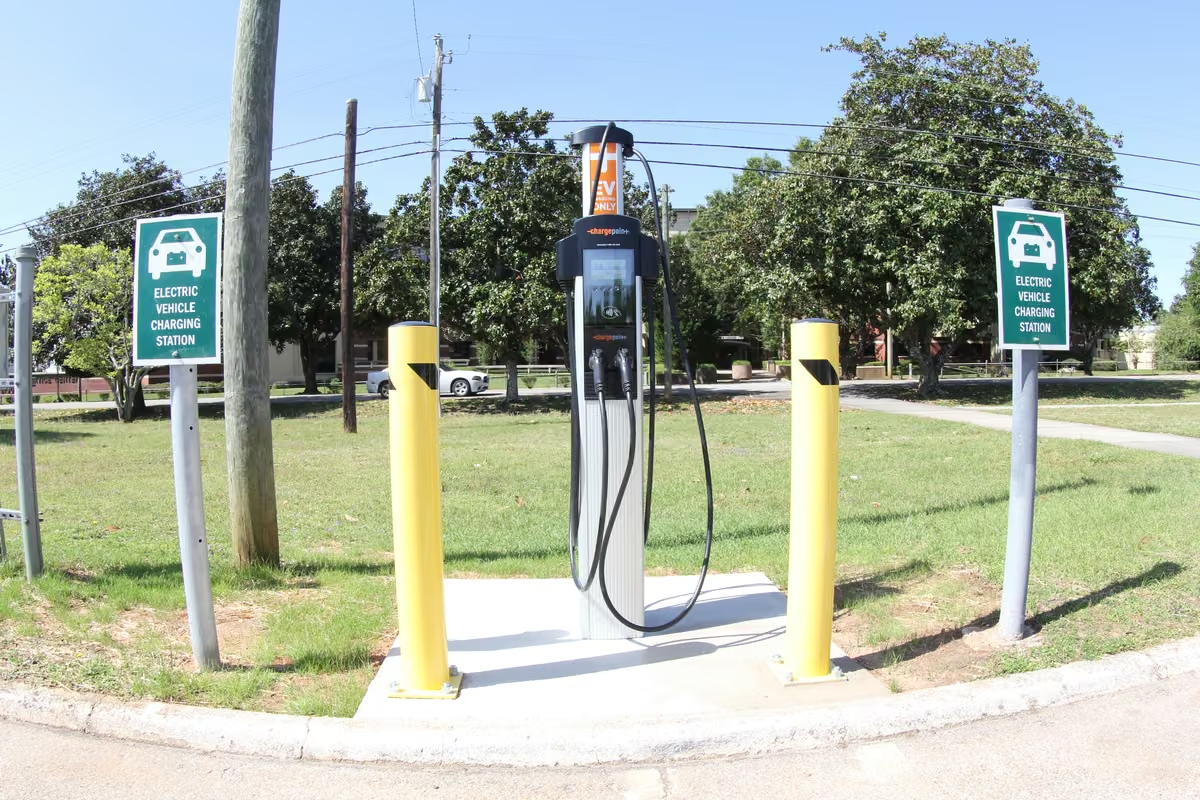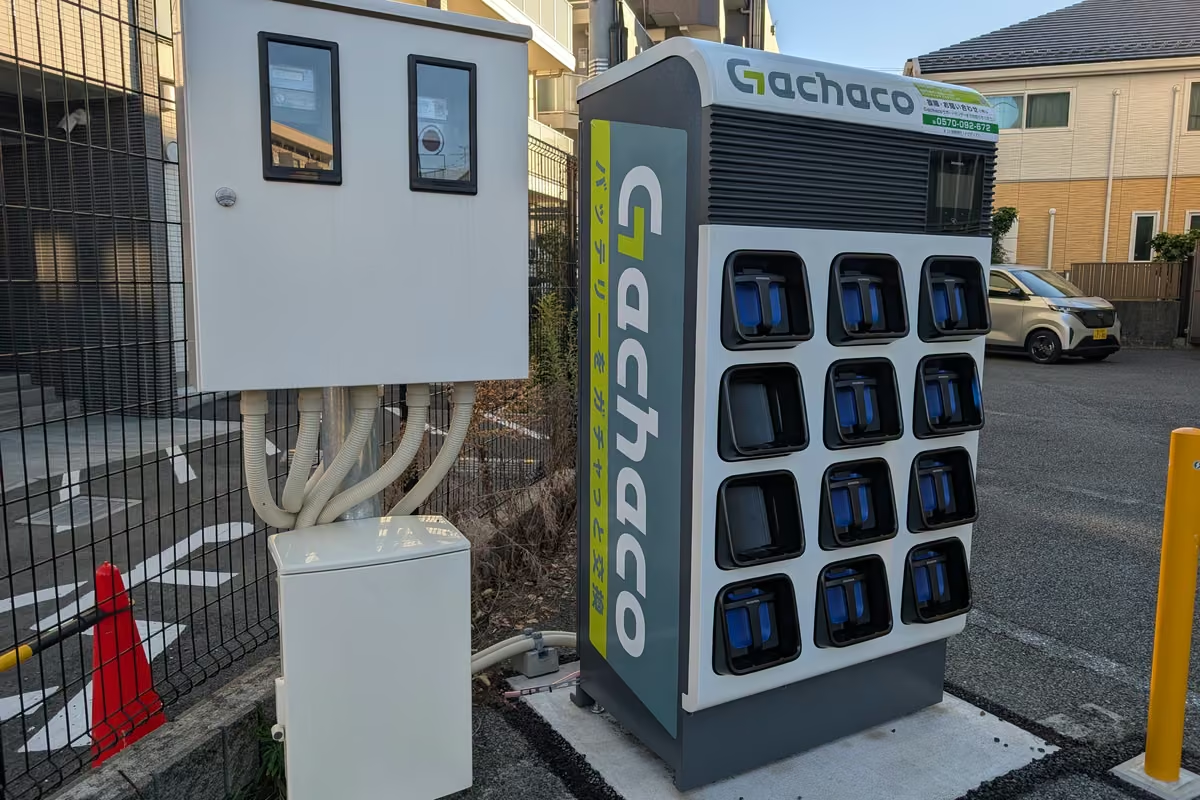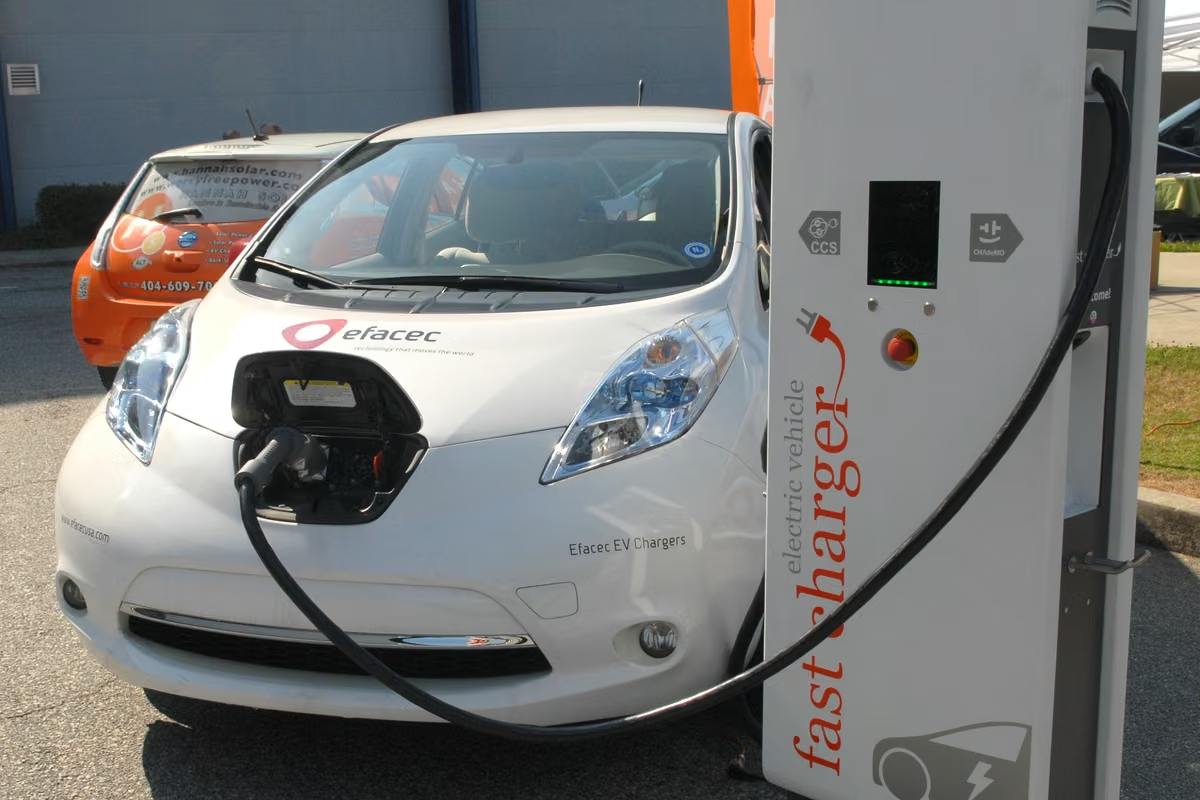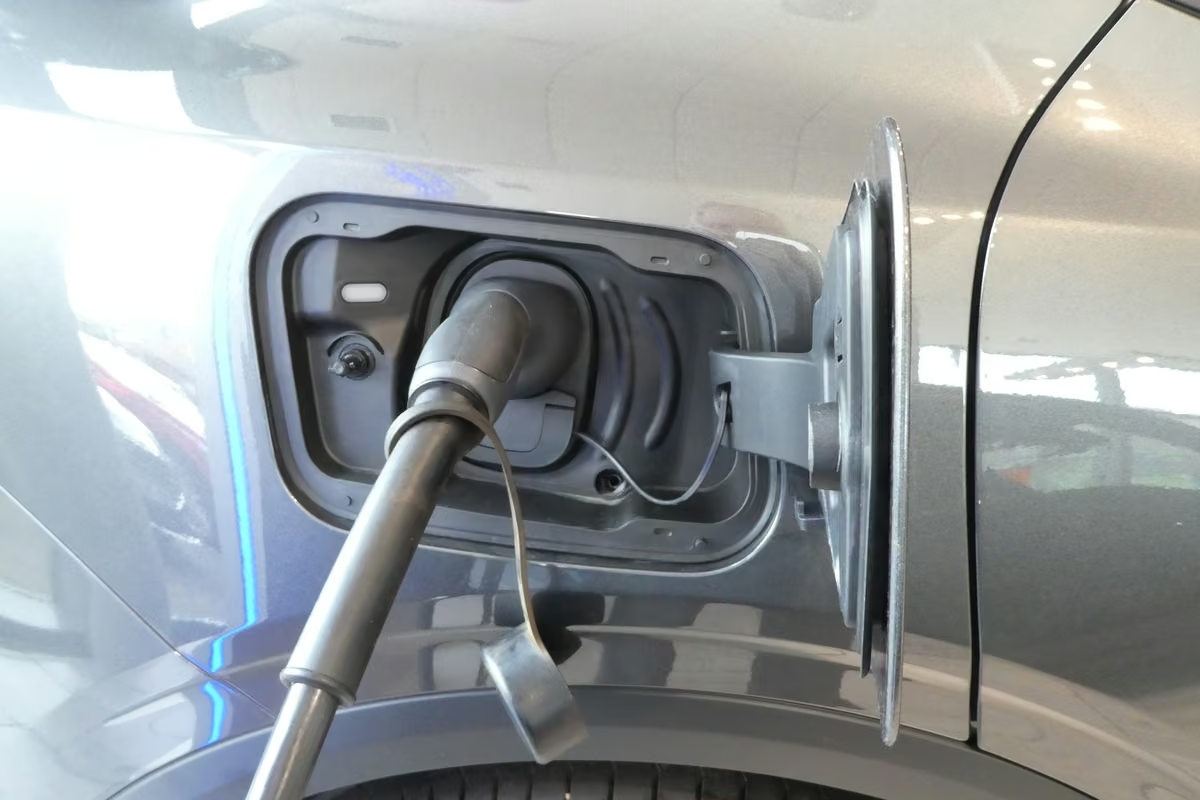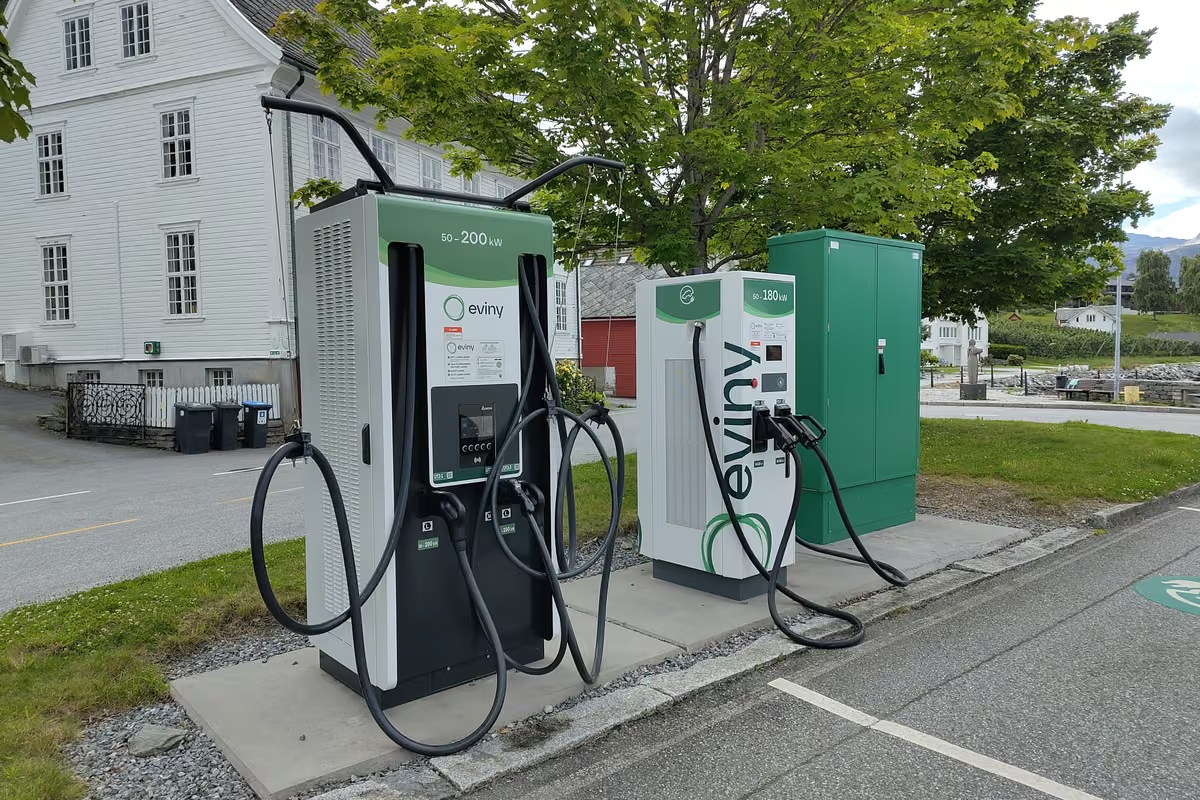
This category covers everything that moves energy from the grid into an electric vehicle battery, plus the systems that manage and bill it. Buyers include charge point operators, fleet depots, property developers, electrical contractors, car dealers and distributors supplying installers.
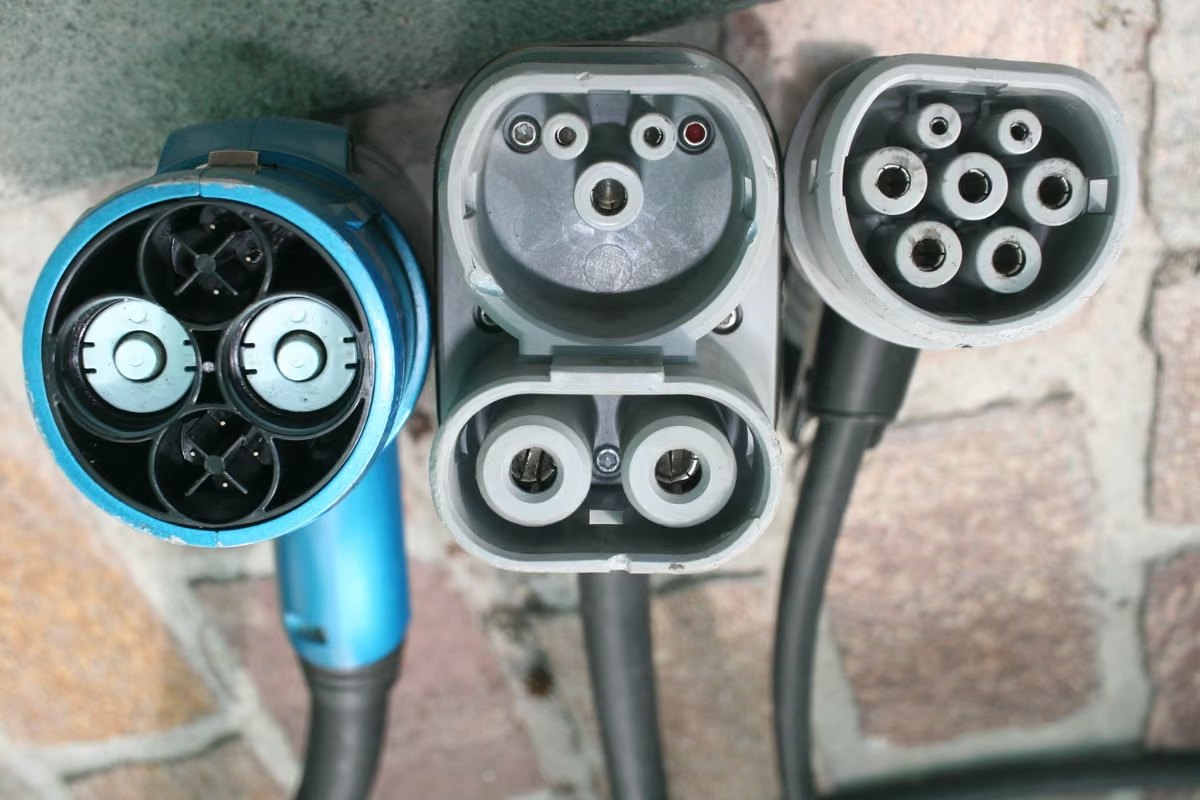
The choice starts with dwell time. Homes and offices where cars sit for hours need AC; sites where drivers stop briefly need DC. Next comes the connector standard of the target market, grid capacity on site and whether chargers must be networked for payment. Most chargers are certified to the IEC 61851 series, with CE or UL marking for the destination.
The trade is served by charger manufacturers, power electronics makers who build DC modules, cable and connector specialists, and software firms. Many factories also offer OEM and white-label units with the buyer's branding and enclosure color.
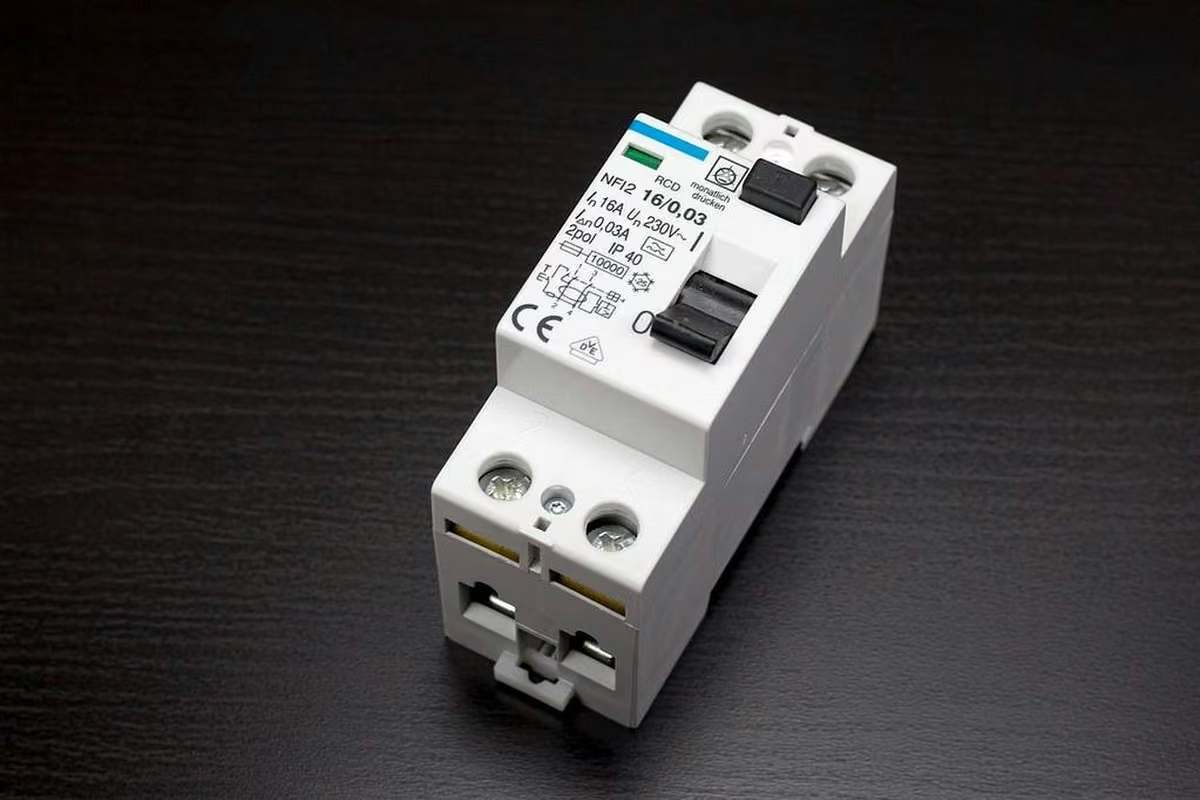
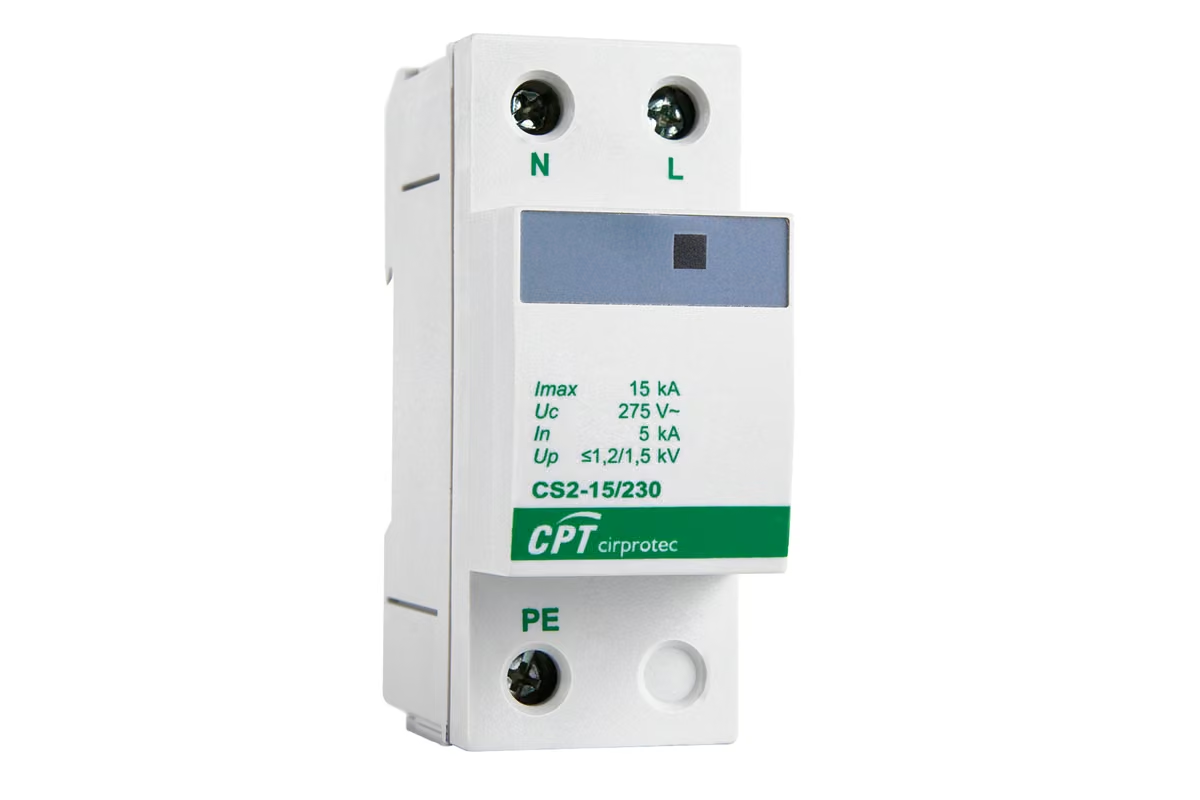
When comparing EV charging suppliers, ask which connector standards and power levels each model supports, which OCPP version it runs and whether it has been tested with independent back-office platforms. Check certification for your market, IP and IK ratings, built-in residual current protection, warranty length and spare parts lead times. Field references from comparable sites are worth more than a datasheet.
Charger factories, cable and connector producers and software providers list EV charging equipment on Towobo, stating power ratings, connector types, protocols, certifications and minimum orders. Buyers compare products across the category and send quote requests for a single site or a full rollout. Stating the market, connector standard and grid capacity on site makes the replies far easier to compare.
Manufacturers and distributors of charging stations, components or management platforms can open a store on Towobo and show operators, installers and fleet buyers what they build.
Key information for B2B buyers sourcing electric vehicle charging equipment from global manufacturers.
Factory-direct orders typically start at 100–500 units. Wholesalers often accept 10–50 unit MOQs. Always confirm MOQ and price breaks in writing before placing a bulk order.
Request certificates relevant to your market: CE (EU), ISO 9001 (quality), RoHS (electronics), and UN38.3 (battery transport). Verify originals before payment.
Sample orders typically ship in 3–7 days. Production runs take 15–45 days depending on volume. Confirm Incoterms (FOB, CIF, EXW) and freight charges before signing.
Request physical samples before committing to bulk. Use Towobo's Payment Protection on all transactions. Compare at least 3 suppliers on price, lead time, and certifications.