
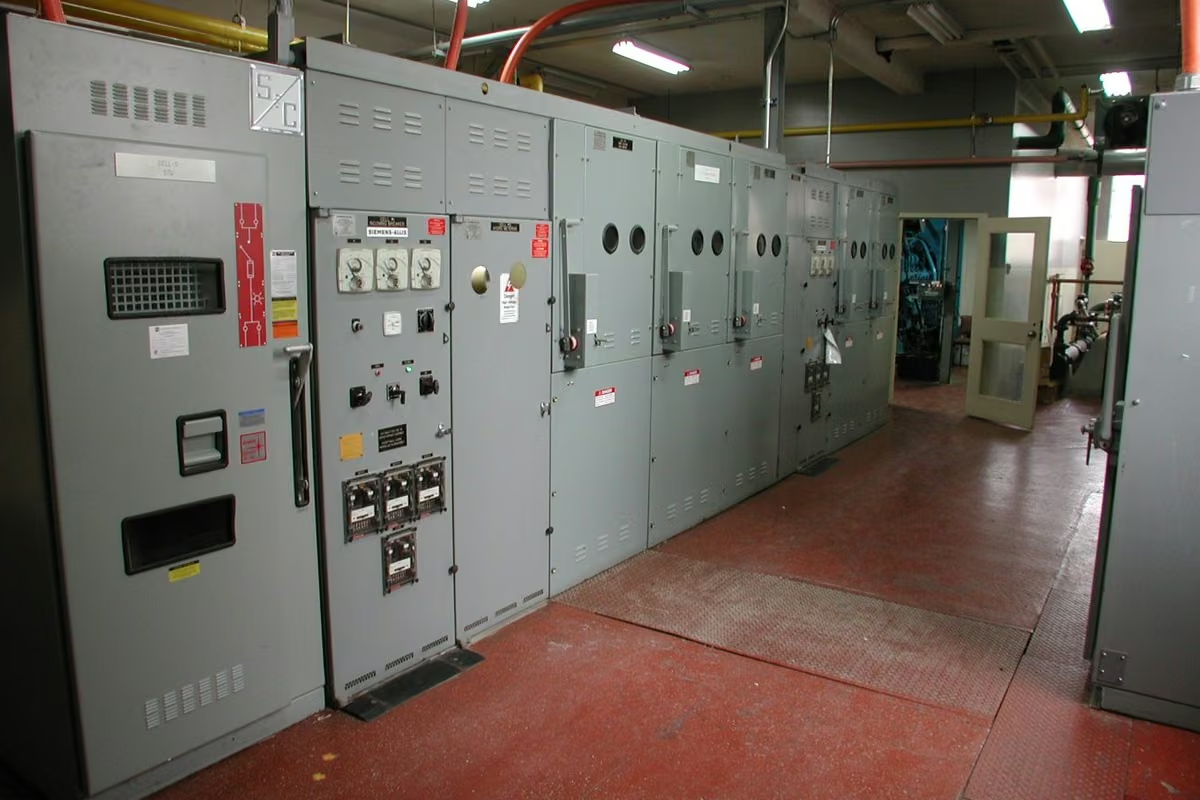
This category covers the devices that control the flow of electricity and disconnect it safely when something goes wrong, from a contactor in a motor panel to a gas-insulated ring main unit on a city distribution network. Buyers include electrical contractors, panel builders, utilities, EPC contractors, OEMs and facility managers.
Selection starts with system voltage, rated current and the prospective short-circuit current at the point of installation, which sets the breaking or withstand rating needed. Standards then narrow the field: the IEC 60947 series for LV devices, IEC 61439 for LV assemblies and IEC 62271 for MV equipment, or the UL and ANSI equivalents in North America. Type-test reports from accredited laboratories carry weight in tenders.
Large manufacturers make the core devices, licensed panel builders assemble switchboards locally, and distributors stock the fast-moving low voltage parts.
When comparing switchgear and protection suppliers, ask for type-test reports to the relevant IEC or UL standard, short-circuit and breaking ratings, and the certification body behind them. Check compatibility with existing installations, availability of spare parts and accessories, and local service support. For assemblies, confirm the panel builder's authorization and verification records.

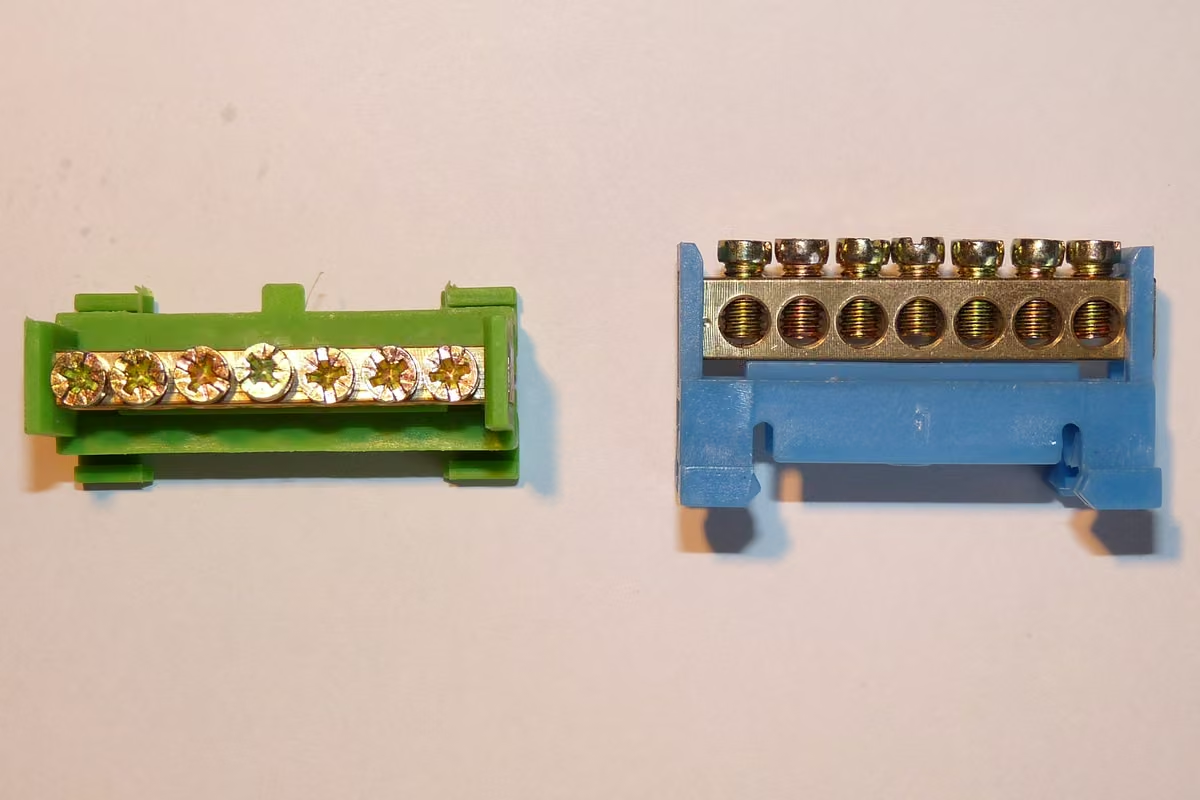
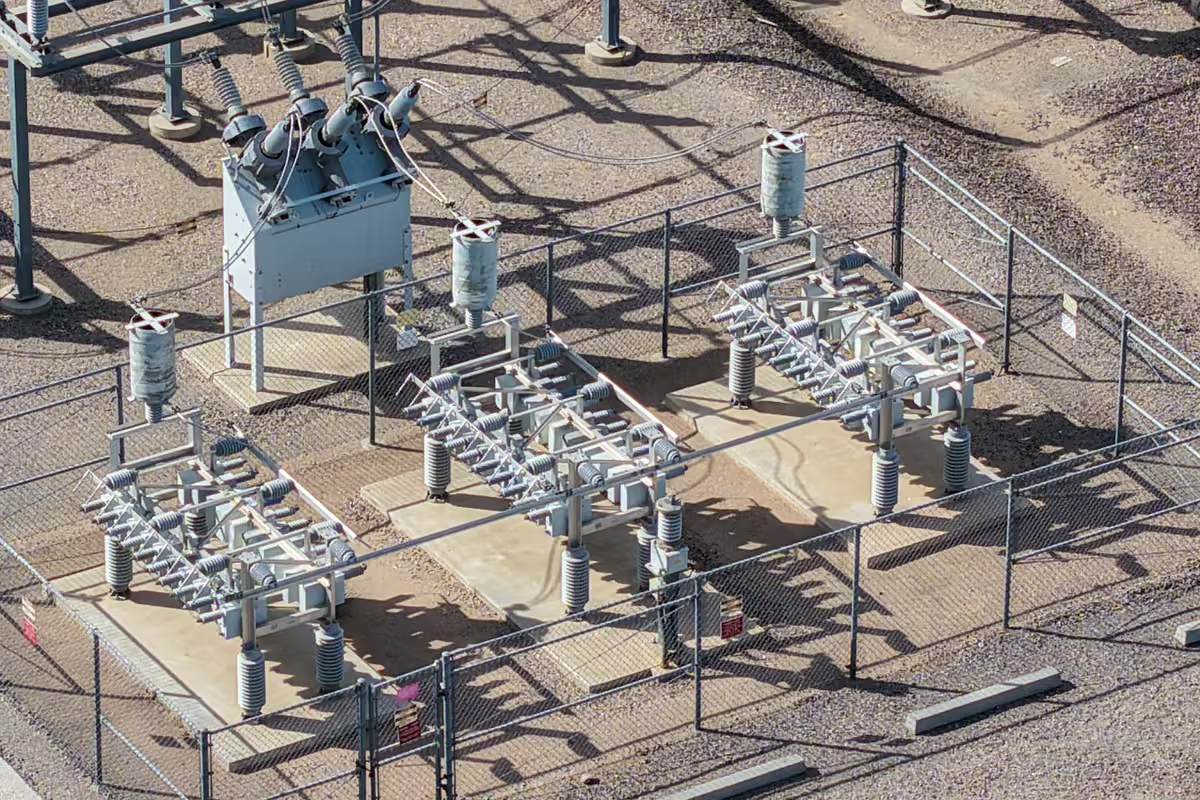
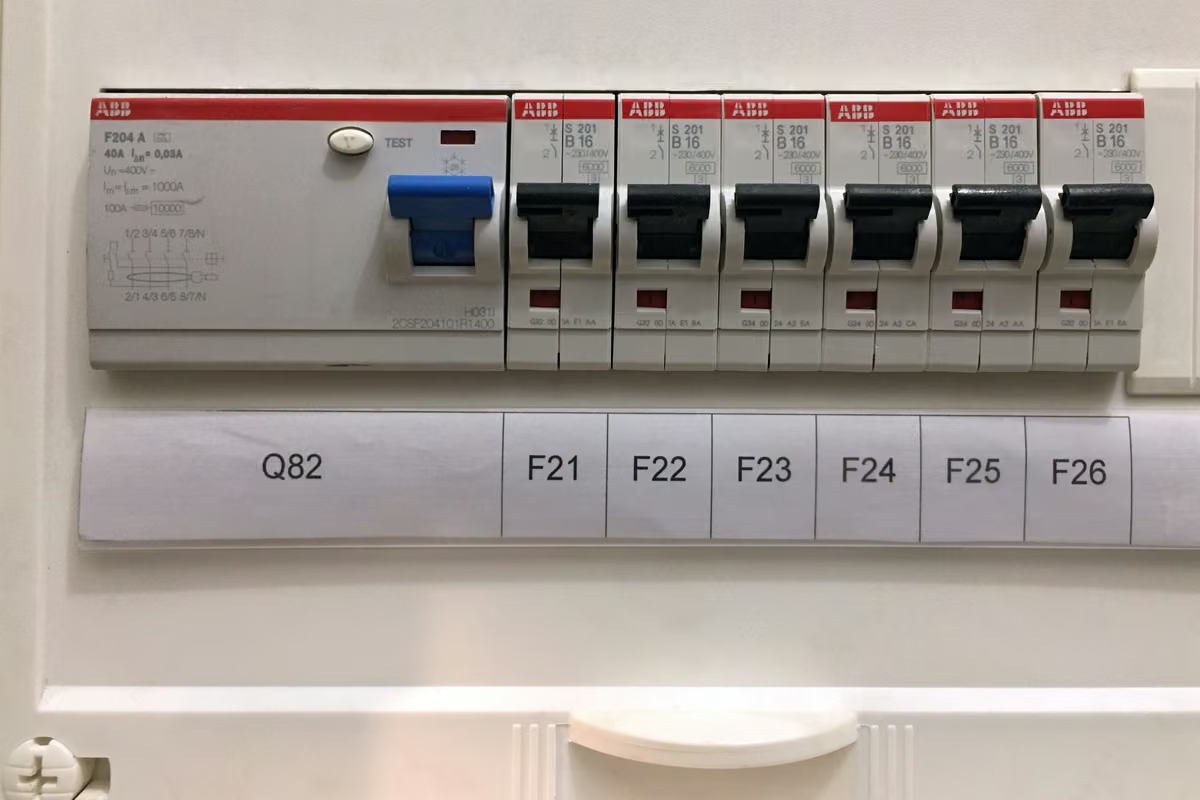
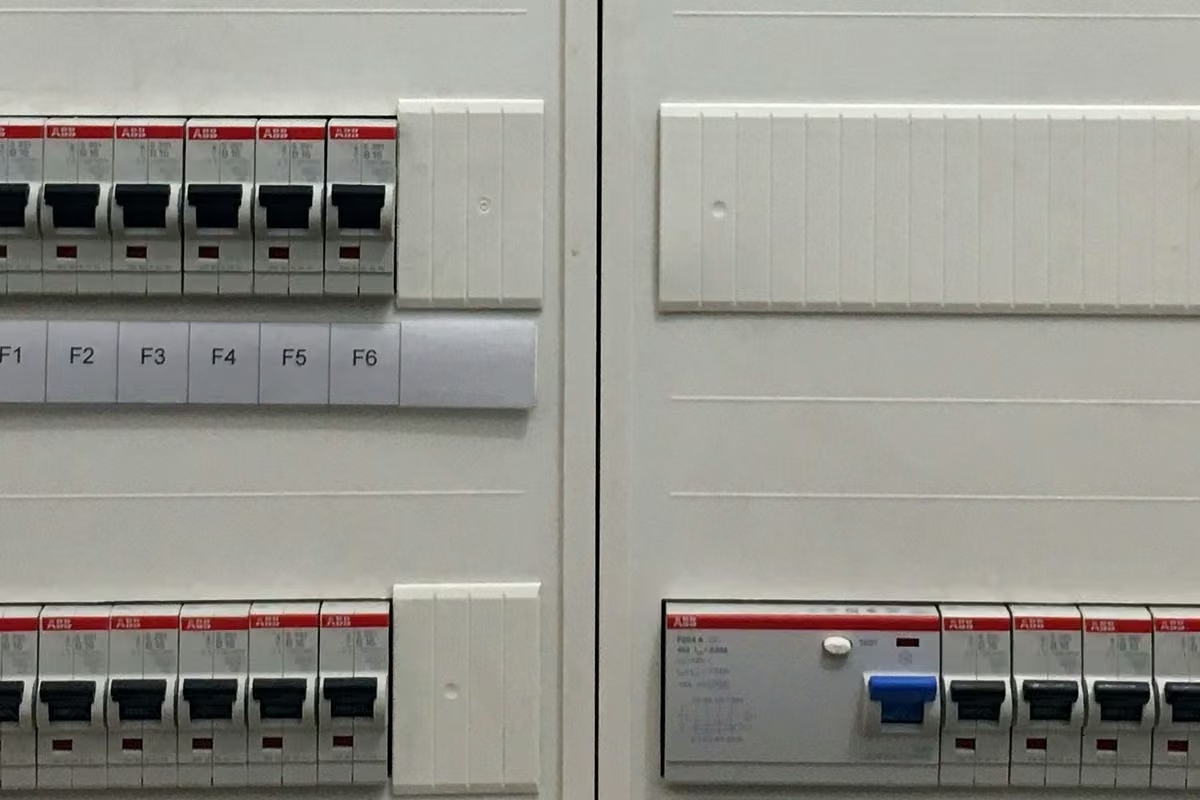
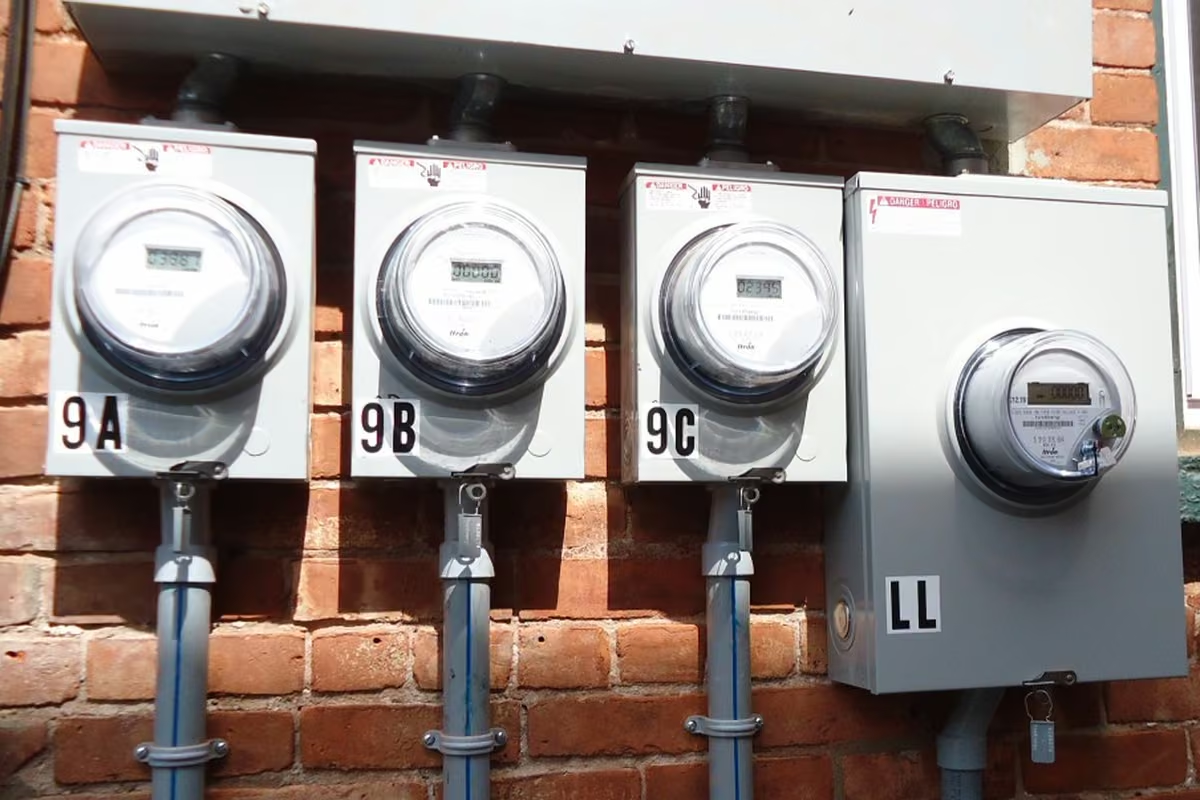
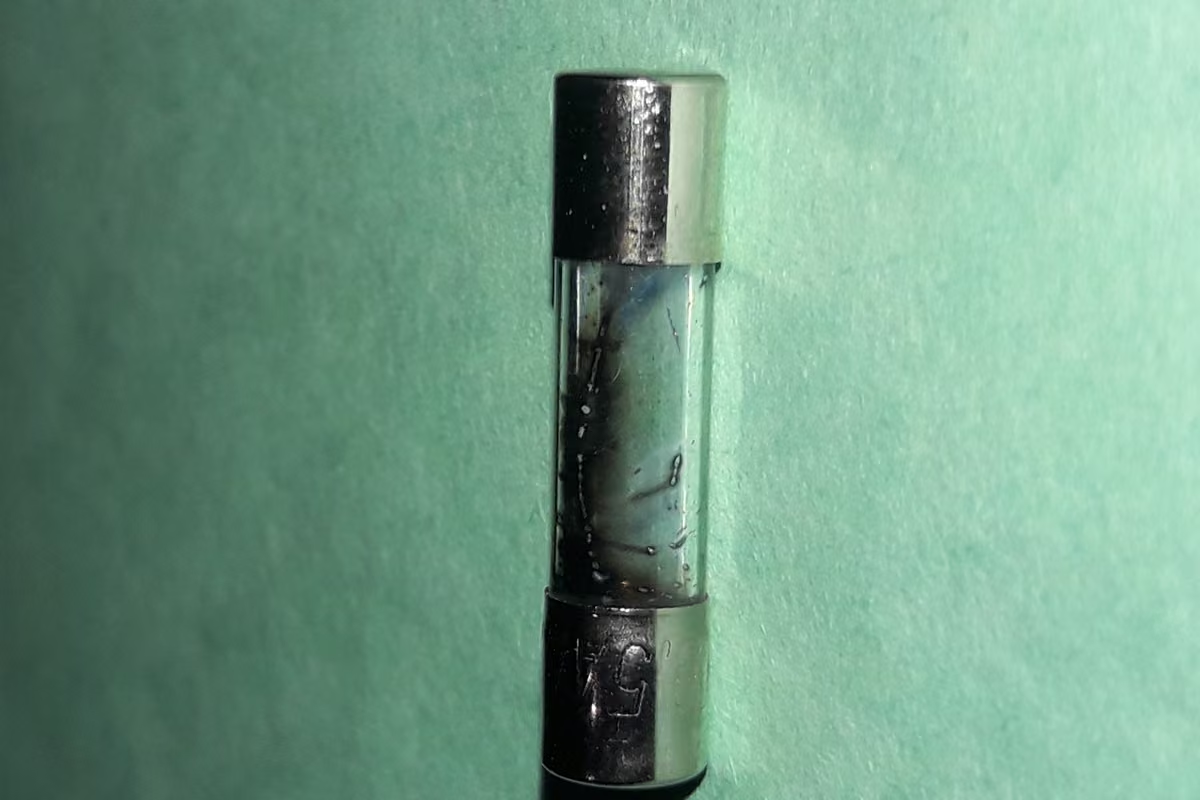
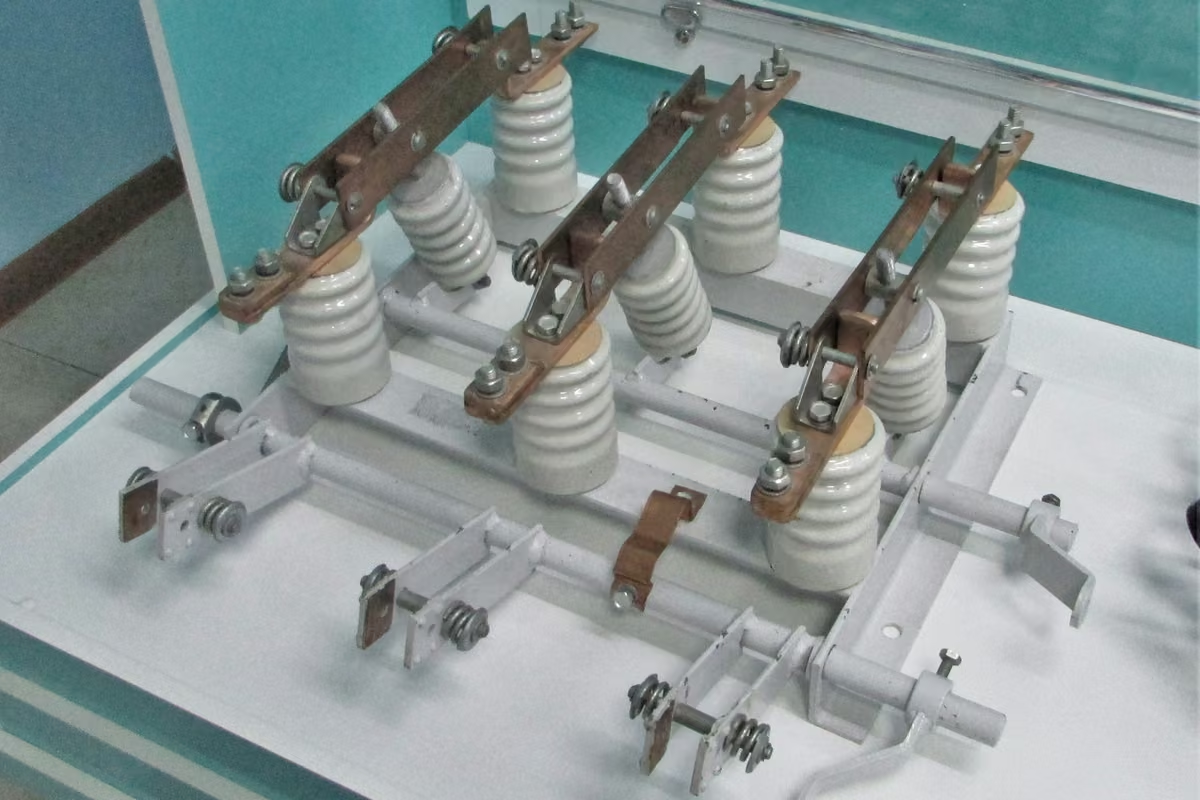
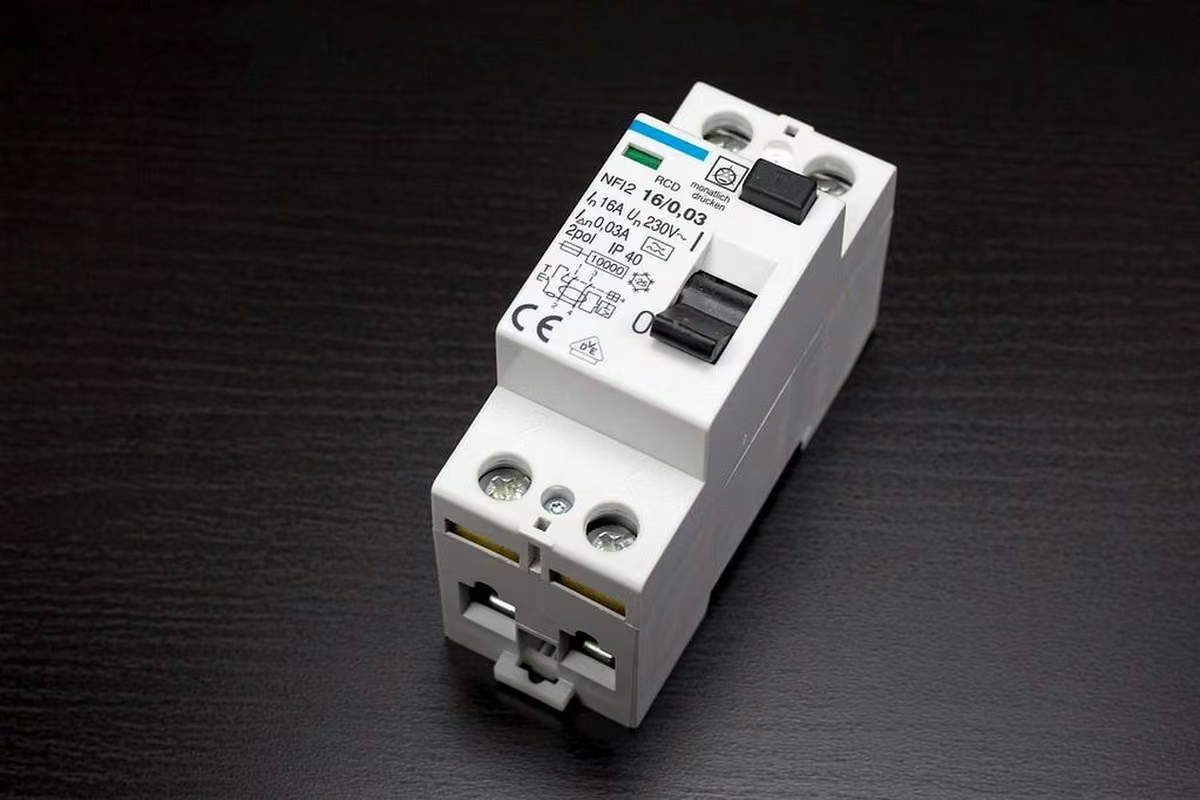
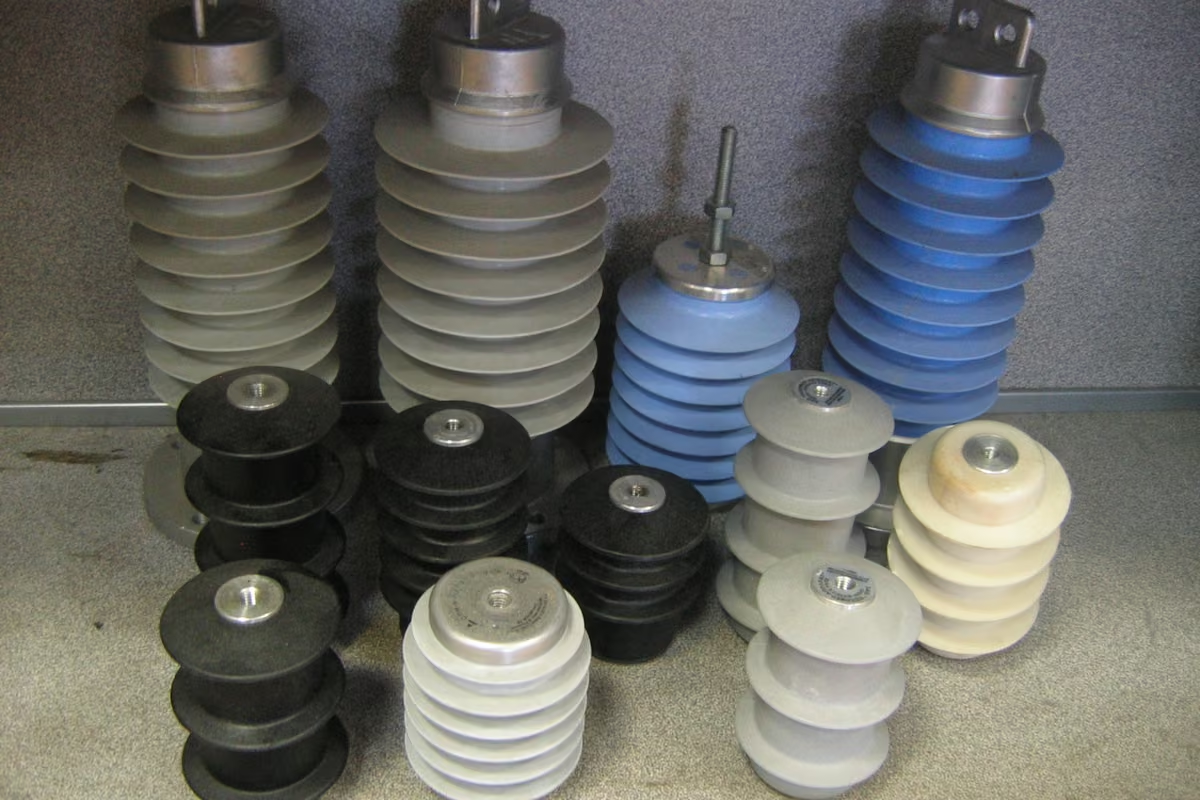
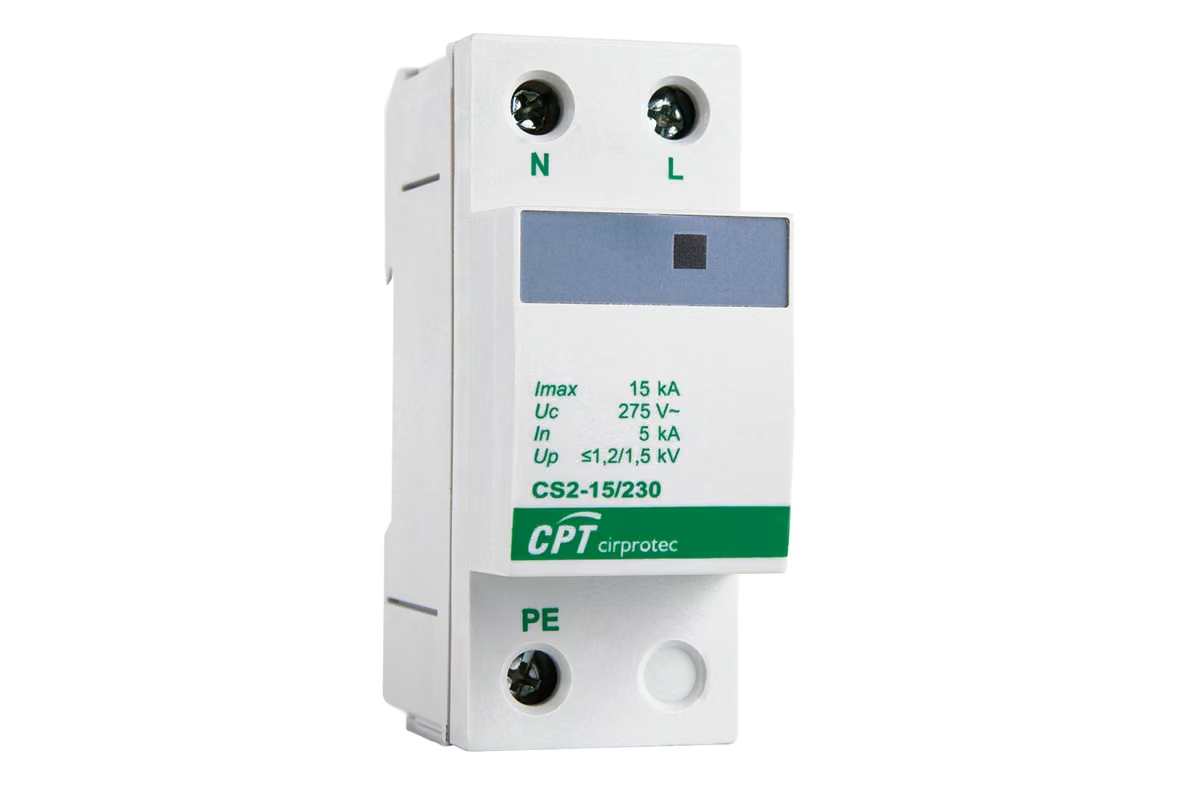
Manufacturers, panel builders and electrical wholesalers list breakers, contactors, RCDs, surge arresters, switchgear assemblies and earthing equipment, stating voltage class, current and short-circuit ratings and the standards each product meets. Buyers compare offers and request quotes for projects or stock replenishment. Many also state spare parts availability and the markets their approvals cover.
Producers and distributors of switchgear and protection devices can open a store on Towobo and list their ranges, reaching contractors, utilities and OEMs that need reliable equipment for their next installation.
Key information for B2B buyers sourcing switchgear & protection from global manufacturers.
Factory-direct orders typically start at 100–500 units. Wholesalers often accept 10–50 unit MOQs. Always confirm MOQ and price breaks in writing before placing a bulk order.
Request certificates relevant to your market: CE (EU), ISO 9001 (quality), RoHS (electronics), and UN38.3 (battery transport). Verify originals before payment.
Sample orders typically ship in 3–7 days. Production runs take 15–45 days depending on volume. Confirm Incoterms (FOB, CIF, EXW) and freight charges before signing.
Request physical samples before committing to bulk. Use Towobo's Payment Protection on all transactions. Compare at least 3 suppliers on price, lead time, and certifications.