

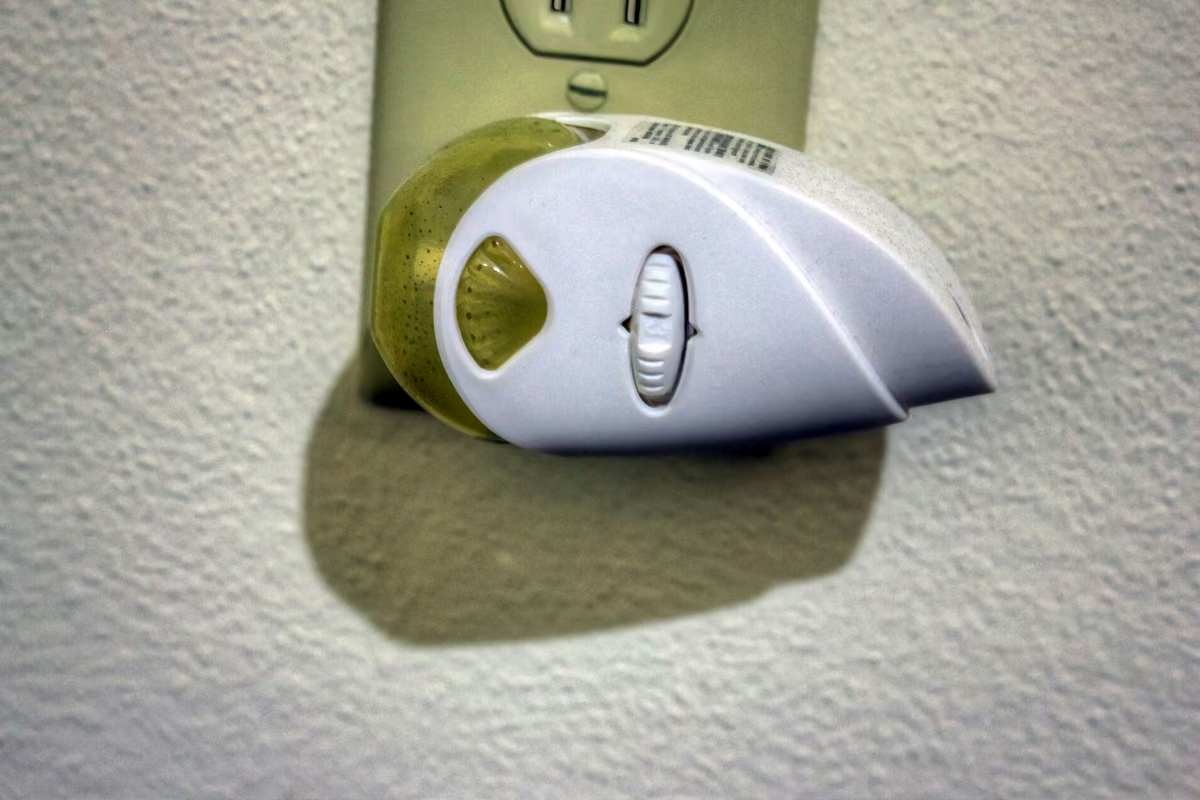
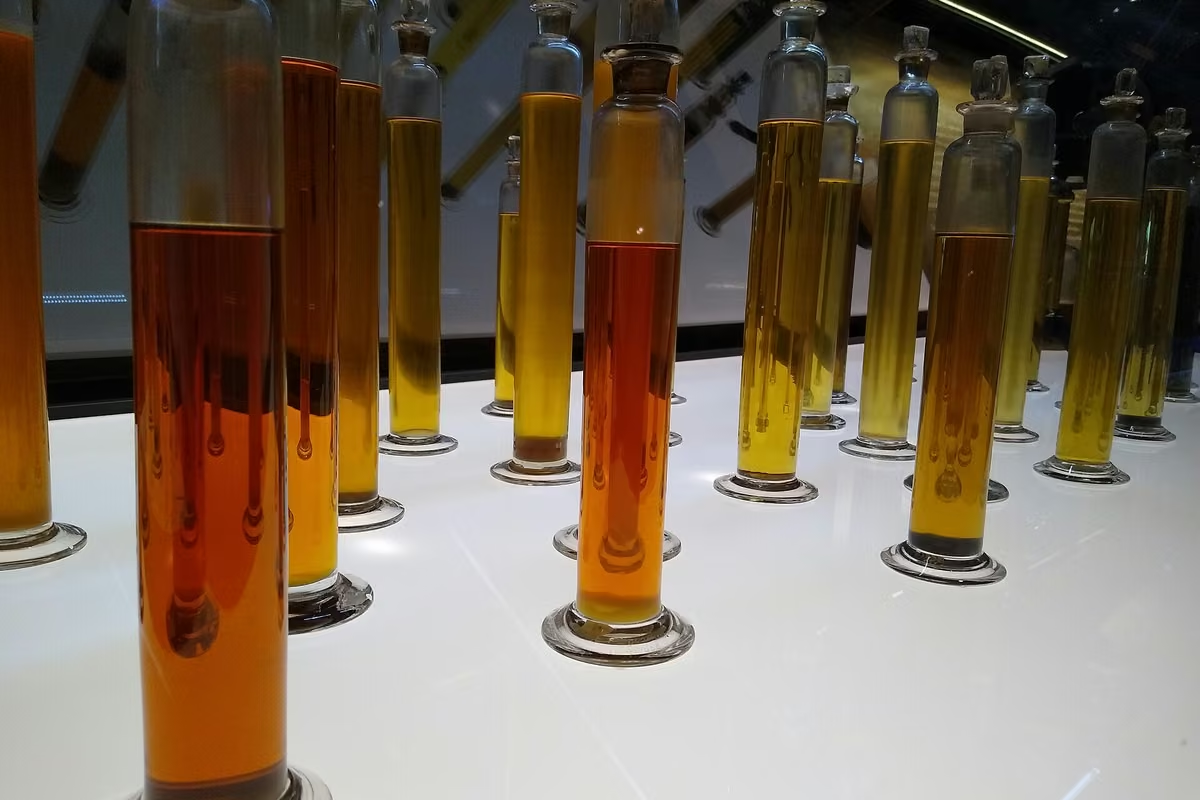
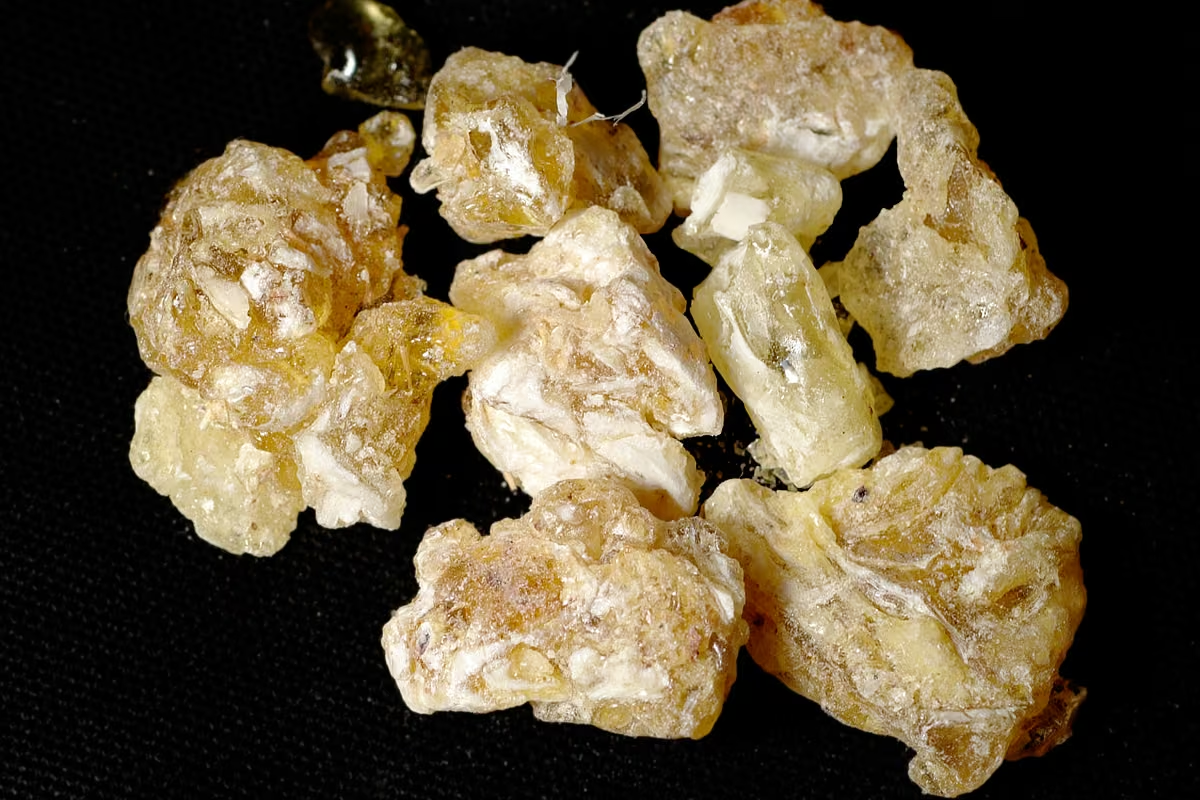
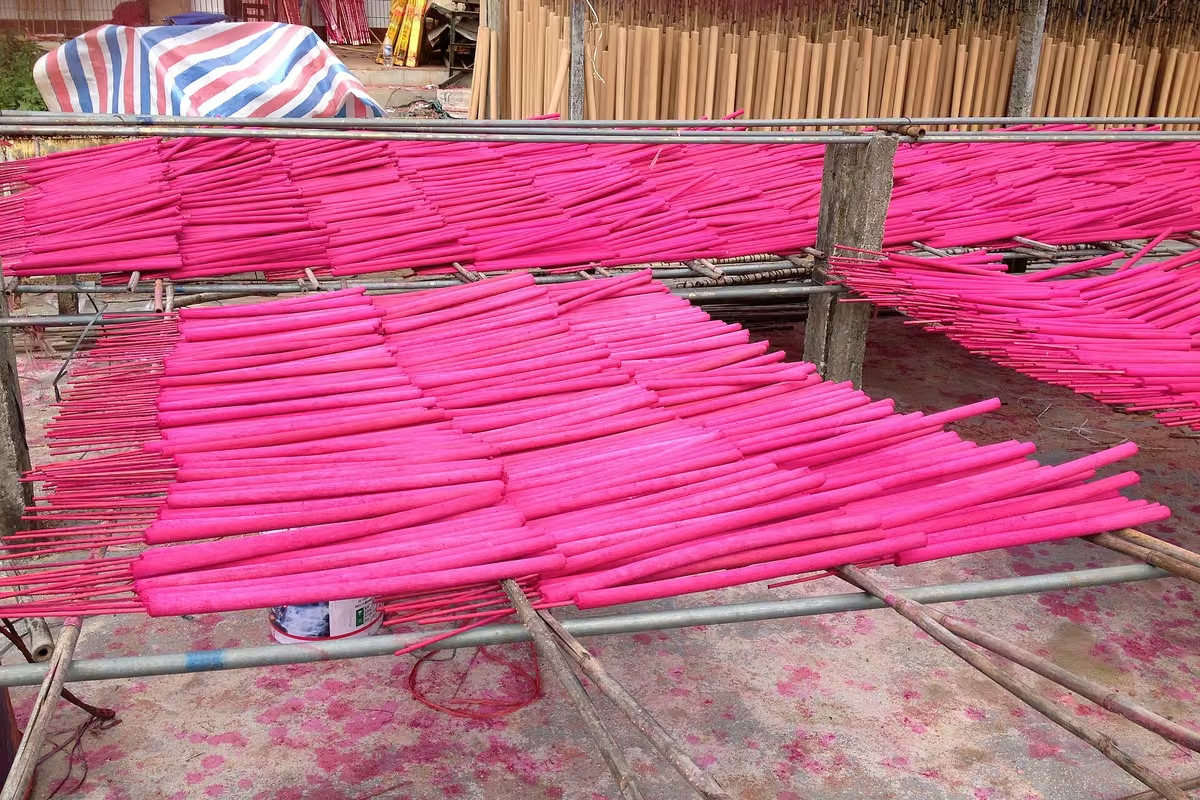
The fragrance category spans everything worn or used for scent: alcohol-based perfumes in their various strengths, concentrated perfume oils and Middle Eastern attars, burning incense and bakhoor, and products that scent rooms and cars. It also includes the concentrates and bottles that brands use to build their own lines.
Fine fragrance buyers look at concentration, longevity, scent family and bottle presentation. Oils and bakhoor are judged on raw material quality and origin, with strong demand across the Gulf, South Asia and Africa. Home fragrance buyers weigh throw, duration and format. Across all of them, fragrance materials should conform to IFRA standards, alcohol-based products are flammable for transport, and labels must declare listed allergens in some markets, so check the import rules and certification required in your market.
Fragrance houses create concentrates, fillers and private label factories produce finished sprays, oud and attar traders deal in oils and woods, and glassworks supply bottles and atomizers. Wholesalers distribute assorted cartons to perfume shops, pharmacies and duty-free retailers.
When comparing fragrance suppliers, ask for the IFRA certificate of conformity, the concentration of perfume oil in each product, and the safety data sheet for transport. Smell samples on skin over several hours, not just on a blotter. Confirm allergen labeling for your market, bottle and cap options, and minimums per scent, and avoid sellers offering copies under protected brand names.



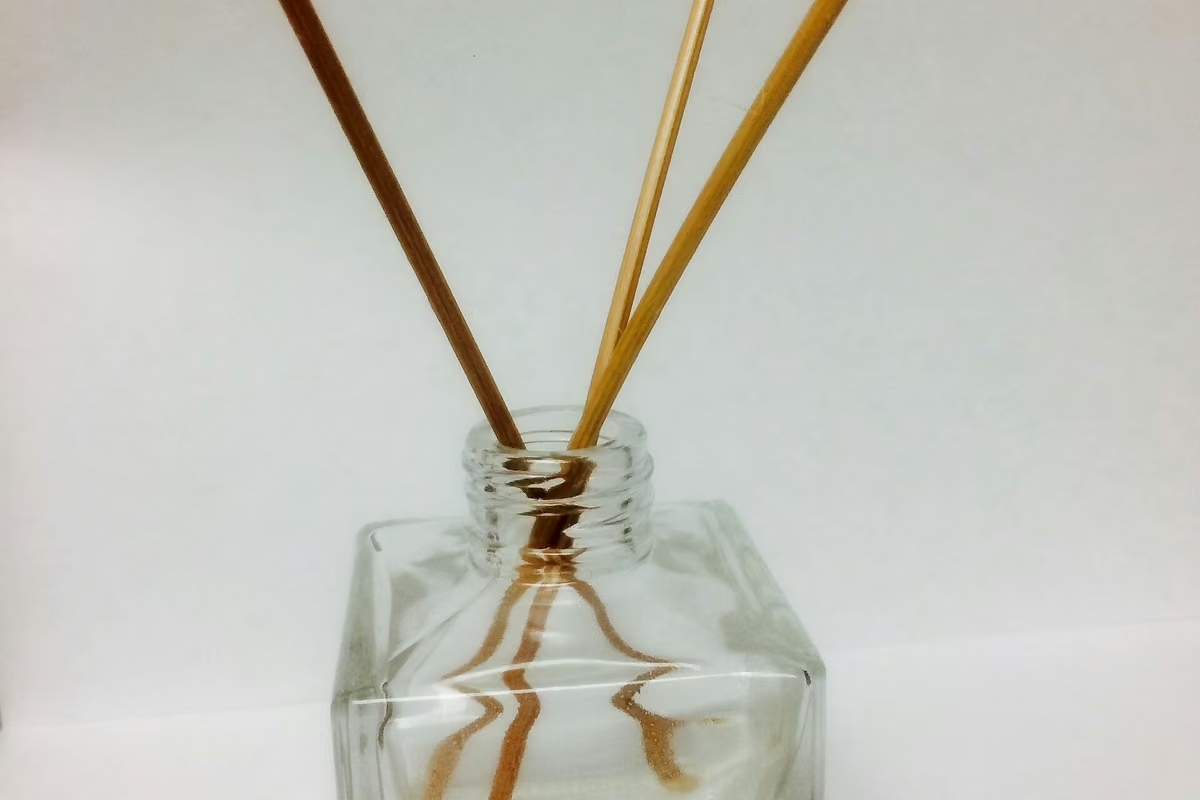

Perfume fillers, fragrance houses, oud and bakhoor traders, home fragrance makers and bottle suppliers list on Towobo with scent descriptions, concentrations, formats, certificates and minimums. Buyers can browse the whole category from fine fragrance to home scent, compare sellers and request quotes for stock scents or a private label fragrance range.
Producers and distributors of perfumes, oils, incense or home fragrance can open a Towobo store and present their collections to perfume shops, duty-free retailers, gift stores and brands sourcing scent.
Key information for B2B buyers sourcing fragrances from global manufacturers.
Factory-direct orders typically start at 100–500 units. Wholesalers often accept 10–50 unit MOQs. Always confirm MOQ and price breaks in writing before placing a bulk order.
Request certificates relevant to your market: CE (EU), ISO 9001 (quality), RoHS (electronics), and UN38.3 (battery transport). Verify originals before payment.
Sample orders typically ship in 3–7 days. Production runs take 15–45 days depending on volume. Confirm Incoterms (FOB, CIF, EXW) and freight charges before signing.
Request physical samples before committing to bulk. Use Towobo's Payment Protection on all transactions. Compare at least 3 suppliers on price, lead time, and certifications.