

Hair care covers three distinct businesses that share the same shelves in beauty supply stores and salons: liquid and cream products made by cosmetic factories, hair itself in the form of extensions and wigs, and the tools used to cut, style and maintain it. Buyers range from supermarkets and pharmacies to salons, barbershops and specialist beauty supply stores serving textured and afro hair.
Clippers and trimmers for barbers and home users, plus brushes, detangling combs and wide-tooth combs, complete the category.
Cosmetic contract manufacturers supply formulated products, often with private label options; hair factories and traders handle extensions and wigs; electrical manufacturers make clippers and must meet the electrical safety rules of each market, shown by marks such as CE or UL. Many buyers source from several types of supplier to build one store range.
When comparing hair care suppliers, ask formulated-product makers for INCI lists, GMP certification and safety assessments; ask hair traders for fiber or hair origin, texture consistency and shedding tests; and ask tool manufacturers for electrical safety certificates and warranty terms. Confirm MOQs per item and per color or length, and request samples before placing a mixed container order.

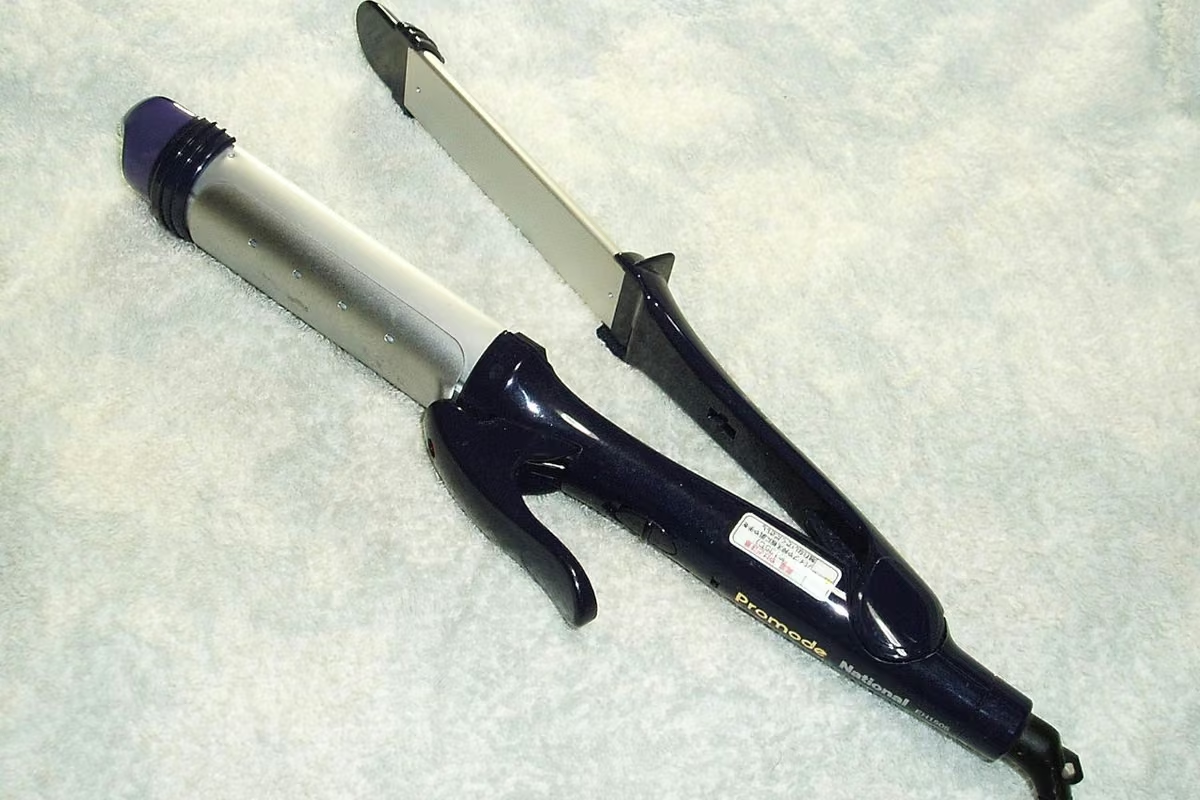
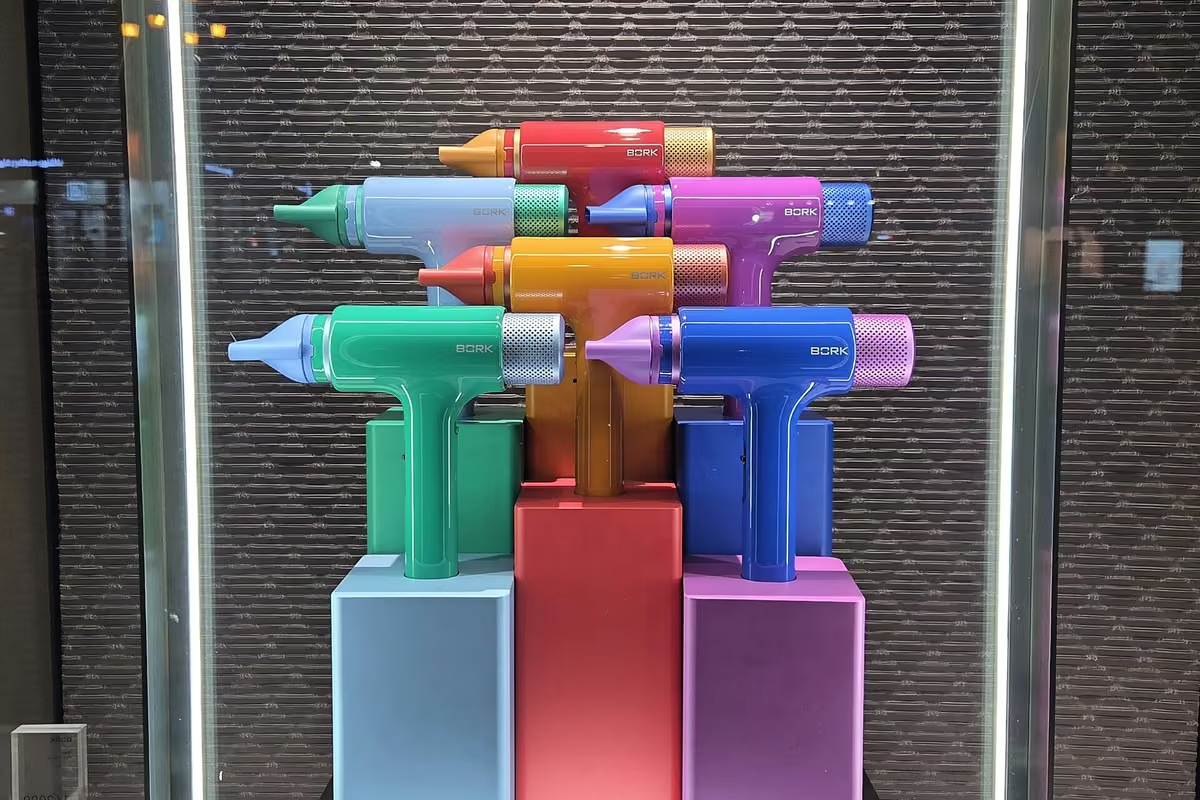
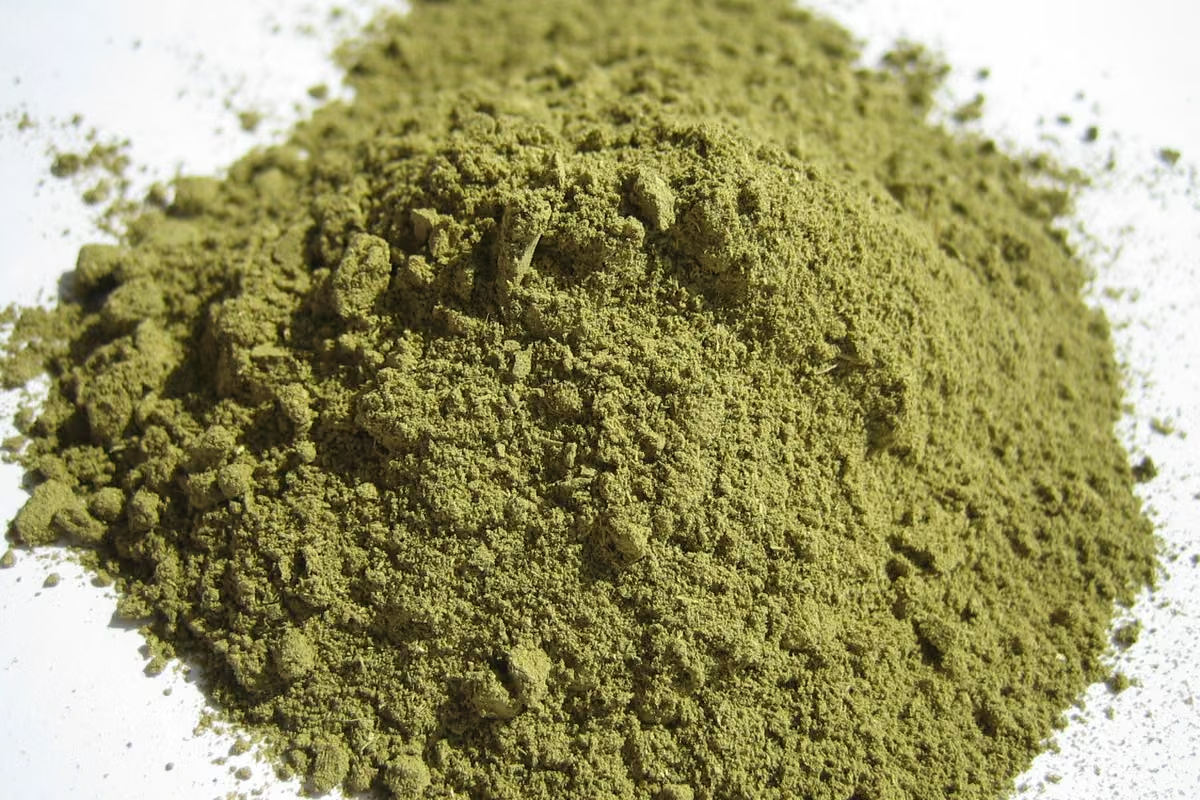
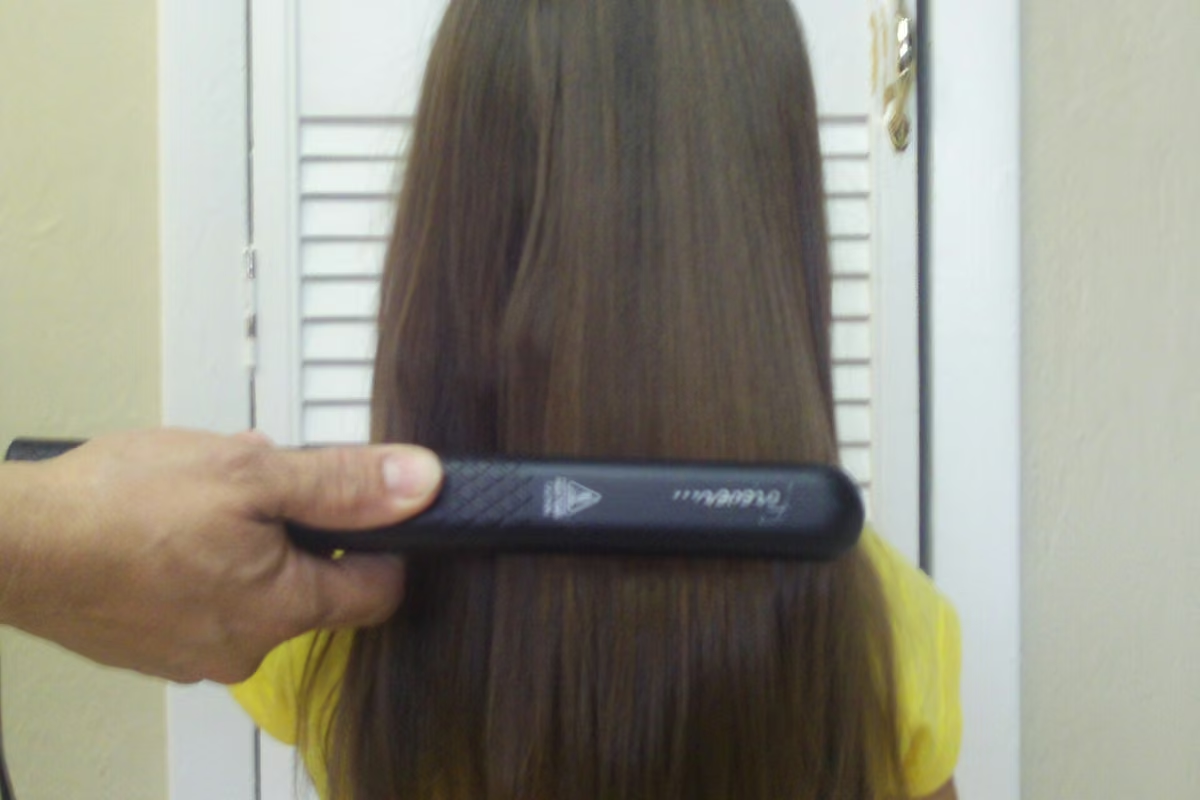
Cosmetic factories, hair extension producers, wig makers and grooming tool manufacturers list their hair care products with formulas, textures, lengths, specifications and order minimums. Buyers can browse every product type in one place, compare sellers and request quotes for a single line or a whole beauty supply range.
Suppliers of shampoos, oils, styling products, extensions, wigs or hair tools are invited to open a store on Towobo and reach salons, barbers, retailers and beauty supply stores.
Key information for B2B buyers sourcing hair care from global manufacturers.
Factory-direct orders typically start at 100–500 units. Wholesalers often accept 10–50 unit MOQs. Always confirm MOQ and price breaks in writing before placing a bulk order.
Request certificates relevant to your market: CE (EU), ISO 9001 (quality), RoHS (electronics), and UN38.3 (battery transport). Verify originals before payment.
Sample orders typically ship in 3–7 days. Production runs take 15–45 days depending on volume. Confirm Incoterms (FOB, CIF, EXW) and freight charges before signing.
Request physical samples before committing to bulk. Use Towobo's Payment Protection on all transactions. Compare at least 3 suppliers on price, lead time, and certifications.