

Skincare is one of the busiest parts of the cosmetics trade, spanning mass-market lotions sold by the pallet to small-batch serums made for a new brand. Buyers include distributors, pharmacies, supermarkets, salons, spas, hotels and e-commerce brands that sell under their own name.
Retailers balance price per unit, pack size and shelf appeal. Brand owners care more about formula ownership, ingredient story and the claims they may print. Salons and spas often prefer larger backbar sizes. Most buyers ask for the ingredient list in INCI names and stability data, and some markets, such as the EU and UK, also require a product information file before sale.
Contract manufacturers, private label labs, ingredient-led brands and wholesale distributors all trade here. South Korea, France, Italy, the United States, China and Turkey are major sources. Ask whether production follows ISO 22716 good manufacturing practice, and check the import rules and certification required in your market before placing an order.
A serious skincare supplier should be able to send the full ingredient list in INCI names, stability and compatibility testing on the chosen pack, microbiological results and evidence of ISO 22716 good manufacturing practice. Confirm the minimum order per formula and per pack, who owns the formula, which claims are supported by tests, and whether the supplier can prepare documents for registration in your market.

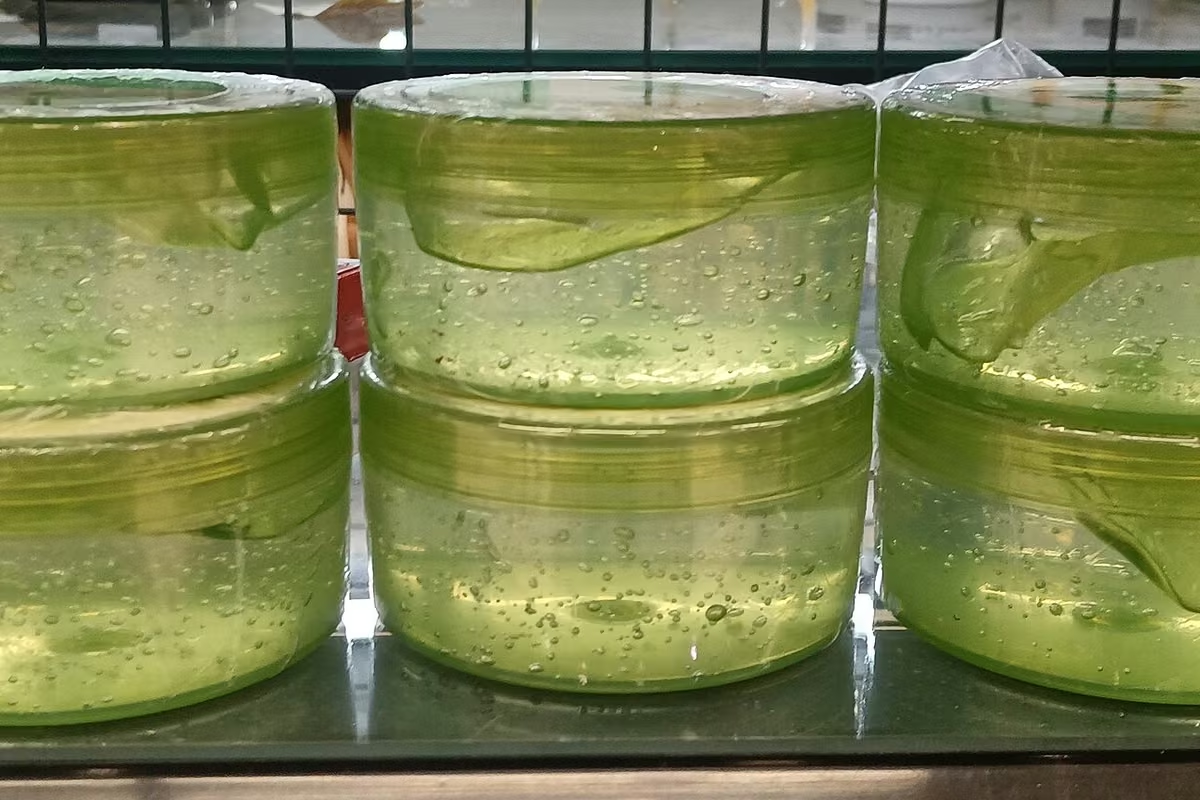
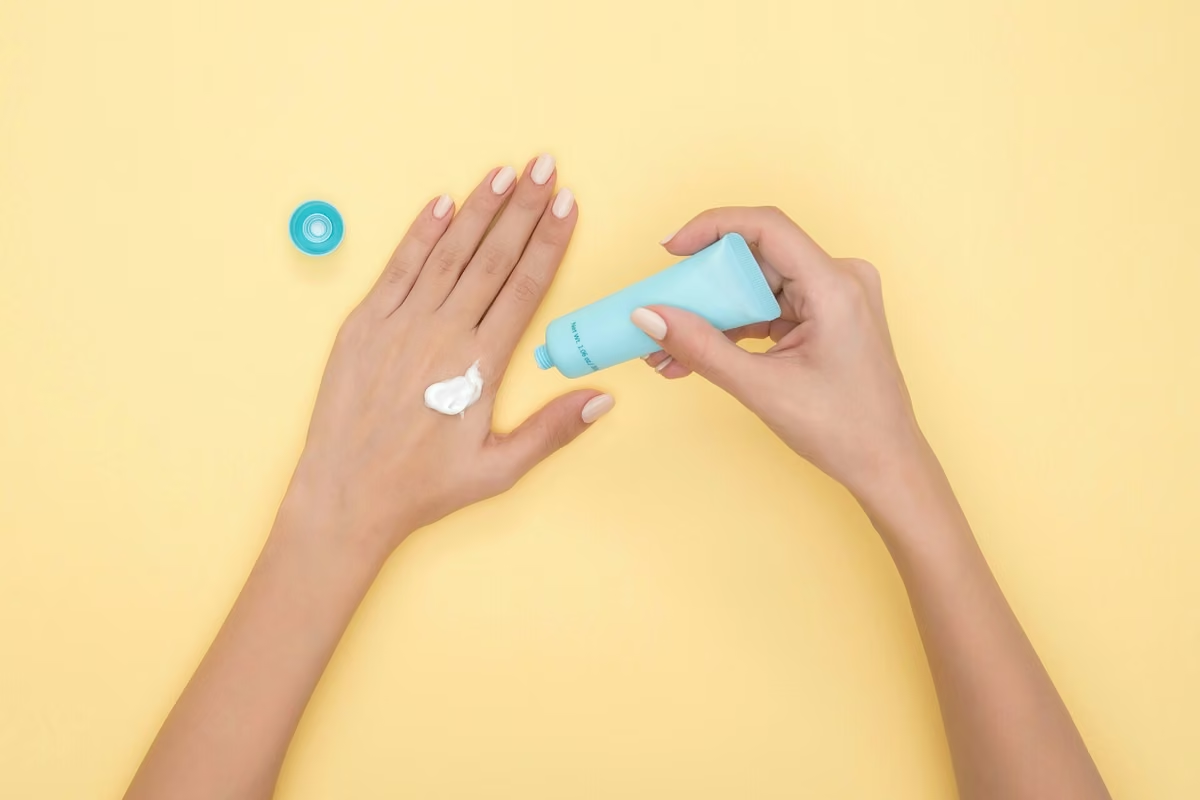
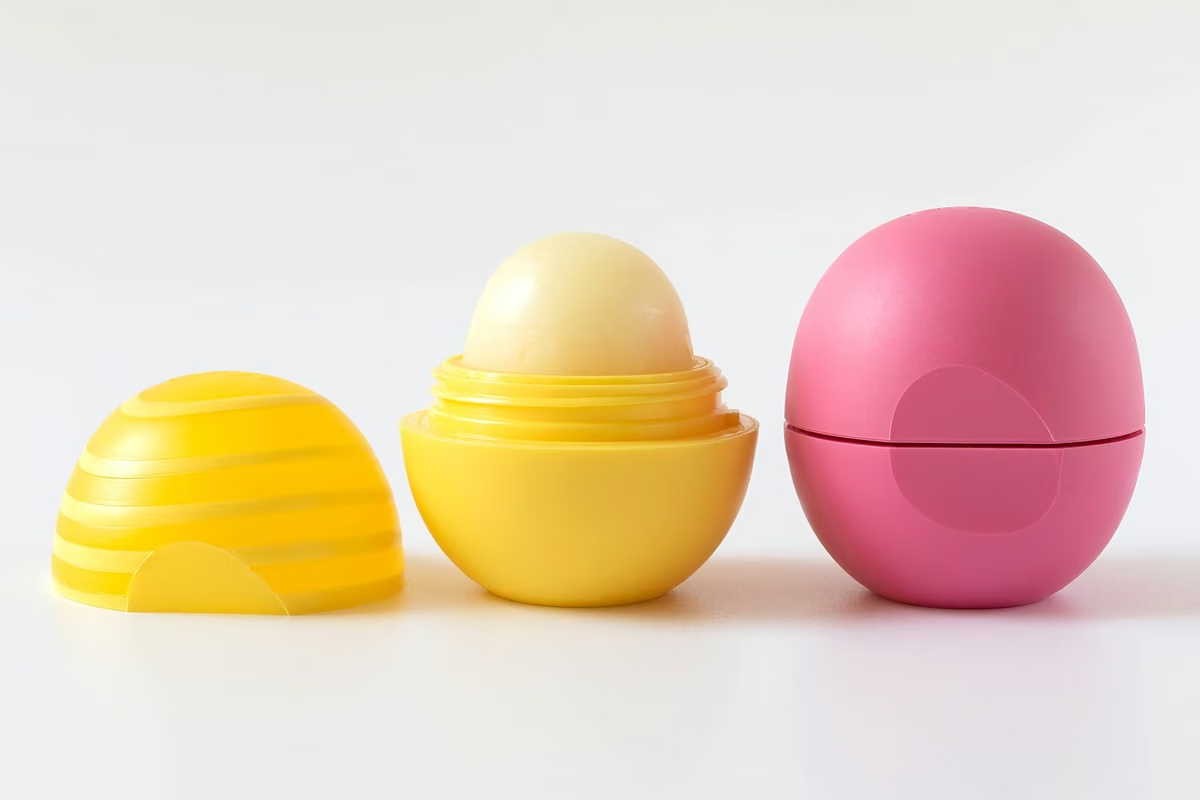
Contract manufacturers, private label labs and distributors list skincare with formula types, key ingredients, pack sizes, minimum orders and the documents they can provide. Buyers compare offers and request quotes for stock products, a private label range or a custom formula.
Skincare makers and wholesalers can open a store on Towobo to present their formulas, packaging options and certifications. Clear details of minimum orders and lead times help retailers and new brands decide quickly whether a range fits their plans.
Key information for B2B buyers sourcing skincare from global manufacturers.
Factory-direct orders typically start at 100–500 units. Wholesalers often accept 10–50 unit MOQs. Always confirm MOQ and price breaks in writing before placing a bulk order.
Request certificates relevant to your market: CE (EU), ISO 9001 (quality), RoHS (electronics), and UN38.3 (battery transport). Verify originals before payment.
Sample orders typically ship in 3–7 days. Production runs take 15–45 days depending on volume. Confirm Incoterms (FOB, CIF, EXW) and freight charges before signing.
Request physical samples before committing to bulk. Use Towobo's Payment Protection on all transactions. Compare at least 3 suppliers on price, lead time, and certifications.