
PP拉菲草编织袋回收机械供应商
在Towobo上找到经认证的B2B PP拉菲草编织袋回收机械供应商——化肥袋、水泥袋及其他废旧PP编织袋完整粉碎清洗造粒生产线。
没找到需要的产品?
PP woven bag and raffia waste — sources and processing challenges
PP woven bags are produced from extruded raffia tape — flat PP filaments woven into fabric and converted into sacks. Post-use bags for recycling come from several sources: cement sacks (heavily contaminated with cement dust and often laminated with PE inner liners); fertiliser sacks (contaminated with mineral fertiliser residues — may be corrosive to equipment); animal feed sacks (contaminated with organic residues and dust); FIBC/big bags (very large, heavy bags used for bulk industrial materials — often contaminated with mineral powders, chemicals, or food materials). The main processing challenges are: the fibrous nature of shredded woven fabric — it tangles and wraps easily; the variable contamination type and level by bag application; the PE or BOPP laminate layers that must be separated or co-processed; and the tendency of shredded raffia to produce very fine fibres that are difficult to convey and separate. Effective PP woven bag recycling requires purpose-designed shredding, an effective washing sequence for the specific contamination, and either a specially configured pelletiser or a granulator capable of compacting low-density fibrous material.
Recycling line configuration for PP woven bags
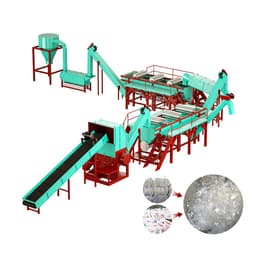
A typical PP woven bag recycling line consists of: a heavy-duty single-shaft shredder or dedicated bag shredder that handles the full bag size and minimises long fibre production; a friction washer or agitator washer designed for fibrous material; rinsing tanks; a centrifugal dryer; a compacting screw or densifier to consolidate the low-density shredded material before the extruder; and a single-screw or twin-screw pelletising extruder with melt filtration. For cement-contaminated bags, a pre-cleaning stage (air knife or drum shaker to remove dry loose cement before wetting) significantly reduces the washing load. The PE inner liner that many cement and fertiliser sacks contain floats in the wash tank and can be separated by density — confirm whether your bags have PE liners and how the line handles this co-material. Output is rPP pellets suitable for woven bag production (as a recycled content blend), pipe compounding, and injection moulded products.
Frequently asked questions
What quality of recycled PP can I get from woven bag recycling?
From clean or lightly contaminated PP woven bags (animal feed, clean grain sacks), recycled PP pellets with contamination below 300 ppm, MFI of 2–6 g/10 min (230°C/2.16kg), and consistent colour (natural to light grey) are achievable with a well-configured line. From cement or fertiliser-contaminated bags, achieving below 500 ppm contamination is the practical target for most line designs. Colour is typically grey to off-white depending on contamination. These rPP pellets are suitable for woven sack re-manufacture (typically blended with virgin PP at 20–40% recycled content), pipe grade applications, and injection moulded products where colour is not critical.
Can FIBC (jumbo bag) recycling use the same line as small sack recycling?
FIBC big bags are larger and heavier than small sacks, typically made from heavier woven PP fabric, and often include PE liner bags. A standard small sack shredder may not have sufficient motor torque or feed opening to handle a 1,000kg FIBC. For FIBC recycling, a dedicated heavy-duty shredder with a large feed opening and high torque motor is required as the primary size reduction stage. Following size reduction to manageable pieces, the downstream washing and pelletising stages can often be shared with a small sack line if designed with sufficient capacity.
Is there a market for recycled PP from woven bags?
Yes — recycled PP from woven bags is used by woven bag manufacturers (who blend rPP into new bag production to meet recycled content targets), by pipe and fitting manufacturers (for non-pressure applications), by injection moulders producing non-food products (crates, pallets, bins), and by fibre producers. The market price and demand vary by region and PP commodity market conditions. In South Asia (India, Bangladesh, Pakistan, Turkey) and China, woven bag recycling to rPP is a well-established commercial activity. In other regions, market development may require building relationships with end-users before investing in recycling capacity.
How should I pre-sort PP woven bags before the recycling line?
Remove metal contamination (wire ties, metal closures) by magnet and manual inspection before the shredder. Separate FIBC from small sacks if feeding the same line — size difference affects shredder feeding. If possible, separate cement bags from fertiliser bags from clean bags — different contamination types may benefit from different washing parameters. Remove visibly degraded, shredded, or very dusty bags that generate excess fines. Empty bags as completely as possible before shredding — residual material contributes to wash load and wastewater treatment demand.
寻找经过验证的批发供应商?立即浏览列表。
在Towobo上查找编织袋回收机械供应商towobo 上的供应商
暂无供应商上架此产品。请在下方告诉我们您的需求,我们会为您寻找合适的供应商。
请求报价
告诉我们您的需求,从多个认证供应商获取报价
为什么请求报价?
- 从多个供应商获取有竞争力的价格
- 根据您的要求获取定制报价
- 直接与认证制造商联系
- 通过我们的匹配服务节省采购时间
经常采购?
免费创建买家账户,收藏供应商、直接联系他们并享受付款保障。