
塑料回收机械供应商
在Towobo上找到经认证的B2B塑料回收机械供应商——清洗线、工业破碎机、摩擦清洗机、薄膜脱水机及PP/PE完整回收设备,服务非洲、亚洲及全球塑料回收运营商。
没找到需要的产品?
The main stages of plastic recycling — what machinery does each stage need?
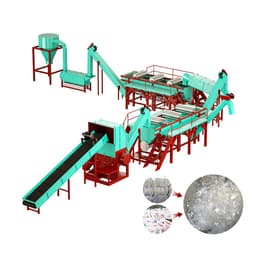
A complete plastic recycling line processes waste plastic through four main stages. Stage 1 — Size reduction: shredders, granulators, and crushers reduce incoming baled or loose plastic waste to chips or flakes of a consistent size (typically 10–30mm) suitable for washing. Heavy-duty single-shaft shredders handle mixed, baled, or large-format plastic; granulators are used for rigid plastic and pre-cut film. Stage 2 — Washing: the crushed flakes are cleaned to remove dirt, labels, adhesives, and contaminants. The washing section typically includes a friction washer (high-speed scrubbing to remove surface dirt), a sink-float separation tank (separates materials by density — PE and PP float; PET, PVC, and contaminants sink), a hot wash tank (for removal of adhesive labels and greasy contamination), and rinsing tanks. Stage 3 — Drying and dewatering: centrifugal dryers and thermal dryers remove water from the washed flakes to below the moisture level required for extrusion (typically below 1%). Stage 4 — Pelletising (optional): a single-screw or twin-screw extruder melts the clean dry flakes and extrudes pellets or strands that are water-cooled and cut — producing recycled plastic pellets ready for reuse in manufacturing. Complete turnkey lines and individual machines for each stage are available.
Material-specific recycling lines — matching the machine to the waste stream
Plastic recycling machinery is highly material-specific — the same general stages apply, but machine design, temperature settings, and washing chemistry differ significantly by material. Film washing lines (LDPE, LLDPE, PP film, agricultural mulch film) require different handling than rigid plastic washing lines (HDPE bottles, PP containers). Woven bag (PP raffia) washing lines need different agitation than post-consumer mixed rigid lines. Understanding your input waste stream before specifying machinery is essential. Key questions: What is the input material type and form (film, rigid, woven, mixed)? What is the contamination type and level (soil, sand, labels, grease, food residue)? What is the target output specification (flake quality, moisture content, contamination level for the pelletising line)? What is the target throughput in kg/hour? What is the available water supply and wastewater treatment capacity? A line designed for clean post-industrial PP film waste will be inadequate for processing heavily contaminated agricultural mulch film — confirm the waste stream specification with the machinery supplier before purchasing.
Sourcing plastic recycling machinery — OEM suppliers vs package integrators
Buyers can source individual recycling machines (crusher, washer, dryer) from specialist manufacturers, or purchase a complete turnkey washing line from a plant integrator who designs, supplies, and commissions the full system. For buyers without recycling plant engineering expertise, a turnkey package from an experienced integrator reduces the risk of machine incompatibilities and process imbalances — but at a higher package cost. For buyers with engineering capability or who need to match new equipment to an existing line, sourcing individual machines from specialist manufacturers gives more flexibility. China is the dominant global source for plastic recycling machinery across the price-to-quality spectrum — manufacturers in Zhangjiagang, Changzhou, and Qingdao specialise in washing lines, extruders, and pelletising systems. European manufacturers (EREMA, Starlinger, NGR, Herbold, BRT) produce premium recycling systems with higher throughput, better energy efficiency, and more automation — at a significant price premium.
寻找经过验证的批发供应商?立即浏览列表。
在Towobo上查找塑料回收机械供应商Frequently asked questions
What is the typical throughput of a plastic film washing line?
Small-scale plastic film washing lines designed for post-industrial film typically process 300–800 kg/hour. Medium lines for post-consumer agricultural or packaging film typically process 800–2,000 kg/hour. Large commercial lines can process 2,000–5,000+ kg/hour. Throughput depends on input contamination level — heavily contaminated agricultural mulch film requires longer residence time in the washing stages and reduces net throughput compared to cleaner post-industrial film.
What is the difference between a friction washer and a hot wash system?
A friction washer (also called a high-speed friction cleaner) uses mechanical agitation — rapidly rotating blades or paddles in a water bath — to scrub surface contamination from plastic flakes. It is effective for removing loose soil, sand, and light organic contamination at ambient temperature. A hot wash system (caustic hot wash or surfactant hot wash) heats the wash water to 70–90°C with alkali or detergent to dissolve adhesive labels, grease, oils, and food residues — contamination that friction washing alone cannot remove. For processing consumer-grade HDPE bottles with adhesive paper labels or greasy food containers, a hot wash stage is typically required to achieve clean output.
Do I need a pelletiser (extruder) as part of my plastic recycling line?
Not necessarily. If your output market accepts clean washed and dried plastic flakes (many film and rigid plastic buyers use washed flake directly in their extrusion process), a washing and drying line without pelletising may be appropriate. Pelletising adds capital cost and energy cost but produces a more uniform, easier-to-handle product that commands a higher price per tonne and suits a wider range of end-user processes. The decision depends on your target customers' requirements and whether the value of pellets over flakes justifies the pelletising investment.
How do I compare Chinese and European plastic recycling machinery?
Chinese recycling machinery offers lower entry price and is commercially viable for standard waste streams — post-industrial film, PP woven bags, and clean rigid plastics. For heavily contaminated waste streams requiring complex washing chemistry, high automation, or integration with advanced sorting (NIR optical sorting), European systems (EREMA, Herbold, Starlinger) typically offer better process reliability and output quality — but at 3–6x the price. For buyers in developing markets or those building their first recycling line on a limited budget, Chinese machinery with proper specification and supplier selection is a practical and commercially proven option.
towobo 上的相关供应商
暂无完全匹配的商品。这些供应商销售相关产品。
请求报价
告诉我们您的需求,从多个认证供应商获取报价
为什么请求报价?
- 从多个供应商获取有竞争力的价格
- 根据您的要求获取定制报价
- 直接与认证制造商联系
- 通过我们的匹配服务节省采购时间
经常采购?
免费创建买家账户,收藏供应商、直接联系他们并享受付款保障。